




Want More? Best (and Worst) Cities for Commuting on Public Transportation in the U.S.
Study Names 15 Top Smart Transportation Cities
Boston, Jersey City, N.J., and Lincoln, Neb., are three of 15 metropolitan regions named as leaders in transportation innovation and smart transit, according to a new study from the National Resources Defense Council.
February 23, 2011
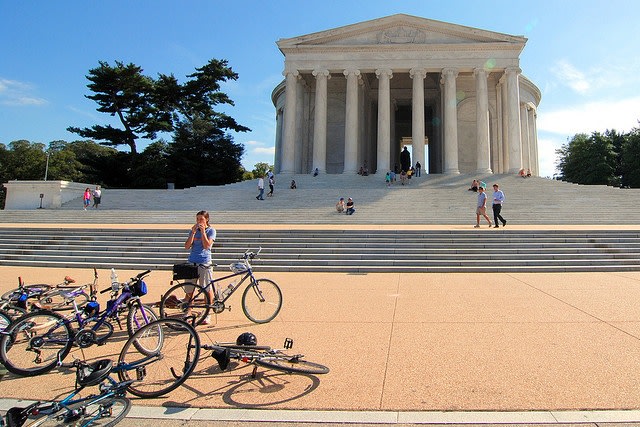
Washington, D.C.'s Capital Bikeshare program has made more than 1,100 bikes available for pick up at solar-powered docking stations throughout D.C. and Arlington County.
Photo: Kevin H. via Flickr.
3 min to read
Boston; Jersey City, N.J.; and Lincoln, Neb. are three of 15 metropolitan regions named as leaders in transportation innovation and smart transit, according to a new study released by the National Resources Defense Council (NRDC).
Released Wednesday by the NRDC's Smarter Cities project, the study, created in collaboration with the Center for Neighborhood Technology (CNT), compares and profiles U.S. regions based on public transit availability, use and cost; household automobile ownership and use; and innovative, sustainable transportation programs.
"Innovative transit policies not only benefit the environment, but they also add richness to urban life by making city attractions and neighborhoods more accessible," said Paul McRandle, Senior Editor of NRDC's Smarter Cities Project. "By enhancing regional transportation programs we can improve our quality of life, boost our local economies, reduce air pollution, and even benefit public health by making biking and walking safer and more enjoyable for commuters."
The 15 metro regions identified as 'Smarter Cities' for transportation include:
Seven large regions (greater than1 million people): Boston; Chicago; Philadelphia; Portland, Ore.; New York; San Francisco; and Washington, D.C.
Four medium regions (250,000-1 million people): Boulder-Longmont, Colo.; Honolulu, Hawaii; Jersey City, N.J.; and New Haven, Conn.
Four small regions (less than 250,000 people): Champaign-Urbana, Ill.; Bremerton, Wash.; Lincoln, Neb.; and Yolo, Calif.
The transportation study is the second to be released by NRDC's Smarter Cities project, which aims to inspire cities, municipalities and regions nationwide by recognizing and profiling what leading metropolitan regions are doing to make themselves more efficient, sustainable and livable. The data underlying the 15 cities' transportation profiles was drawn from the U.S. Census and CNT's H+T Affordability Index, which quantifies household transportation costs by location.
"By and large, 'location efficient' places — with essential services that are nearby or accessible by many transportation modes — lower transportation costs for residents," said Scott Bernstein, president of CNT. "Cities and regions that foster compact, walkable, transit-rich communities can reduce reliance on automobiles and help lower at least one expense for households struggling to get by in the current economy."
Highlights from the study include:
About 98 percent of Jersey City, N.J., residents live within a half mile of public transit access; only 60 percent own or have access to a car.
In downtown Boston, around 65 percent of trips during peak hours are non-motorized due, in large part, to the city's Complete Streets initiative, launched in 2009, to create streets that integrate pedestrians, cyclists and public transit with motorists.
Philadelphia has selectively expanded the city's public transit system in certain neighborhoods to increase residents' access to fresh food.
Boulder, Colo., has built paved pathways along Boulder Creek that allow walkers and bikers to travel up to 52 miles without ever having to cross traffic.
Washington, D.C.'s Capital Bikeshare program has made more than 1,100 bikes available for pick up at solar-powered docking stations throughout D.C. and Arlington County.
More Paratransit

Biz Briefs: RIPTA Unveils New Frontrunners, Clevland RTA Adds New Siemens, and More
In METRO's latest installment, we take a look at recent news from Siemens, Prevost, Dodge, and more partnerships making headlines across the transportation sector.
Read More →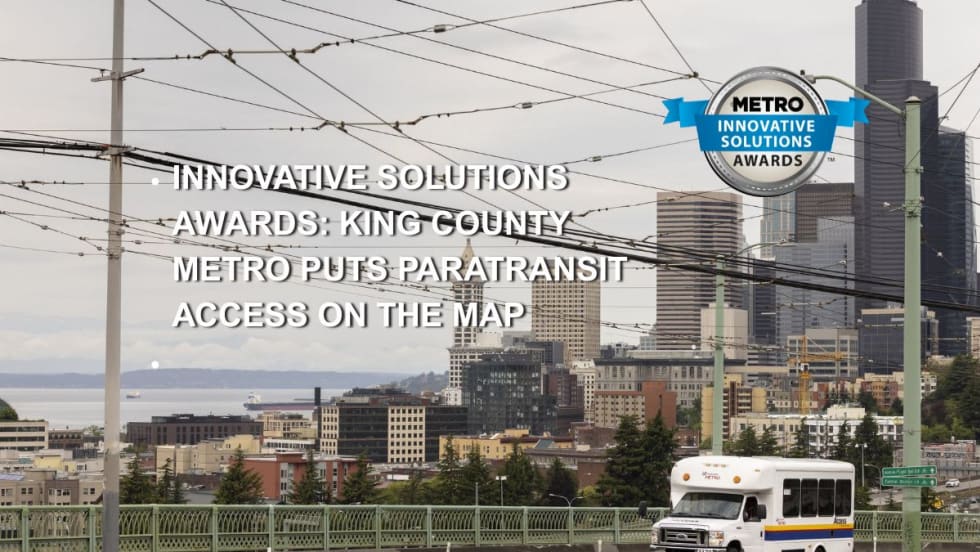
King County Metro Makes ADA Paratransit Easier to Navigate
METRO's Innovative Solutions Award winner replaces complex service-area descriptions with an accessible, interactive map that puts paratransit information directly in customers’ hands.
Read More →
Jacksonville’s NAVI Project Charts a New Course for Autonomous Public Transportation
Through its NAVI program, JTA is showing how autonomous vehicles, intelligent infrastructure, and coordinated operations can work together to deliver everyday public transportation.
Read More →
Driving Smarter Paratransit
John Hanlon shares how AlphaRoute is leveraging AI-powered technology to help paratransit providers optimize operations, support frontline staff, and enhance the rider experience.
Read More →
METRO Magazine Announces 2026 Innovative Solutions Awards Winners
Projects Recognized for Advancing Mobility Through Technology, Accessibility, Workforce Innovation, and Operational Excellence
Read More →
Biz Briefs: STV teams with Amtrak, Motorcoach Operators Boost Fleet and Land Contracts, and More
From manufacturers and suppliers to transit agencies and motorcoach operators, these updates offer a snapshot of the projects, partnerships and business moves driving the industry forward.
Read More →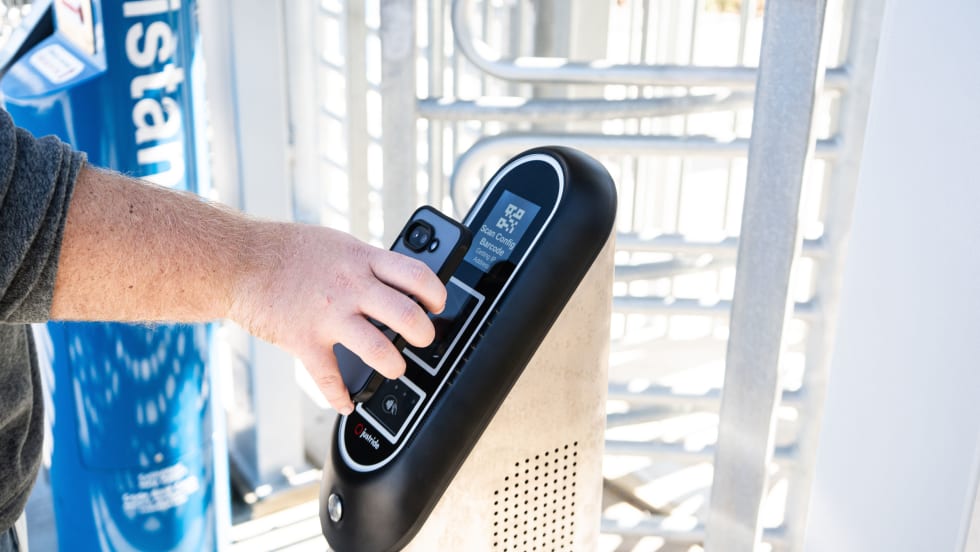
Biz Briefs: Masabi Teams with St. Louis Metro and More
In METRO's latest installment, we take a look at recent news from Transdev, Hitachi, and more partnerships making headlines across the transportation sector.
Read More →
New York MTA Leverages Zoning Program to Advance Station Accessibility
Accessibility enhancements at Nevins St Station will be financed through a development agreement tied to the MTA's Zoning for Accessibility initiative.
Read More →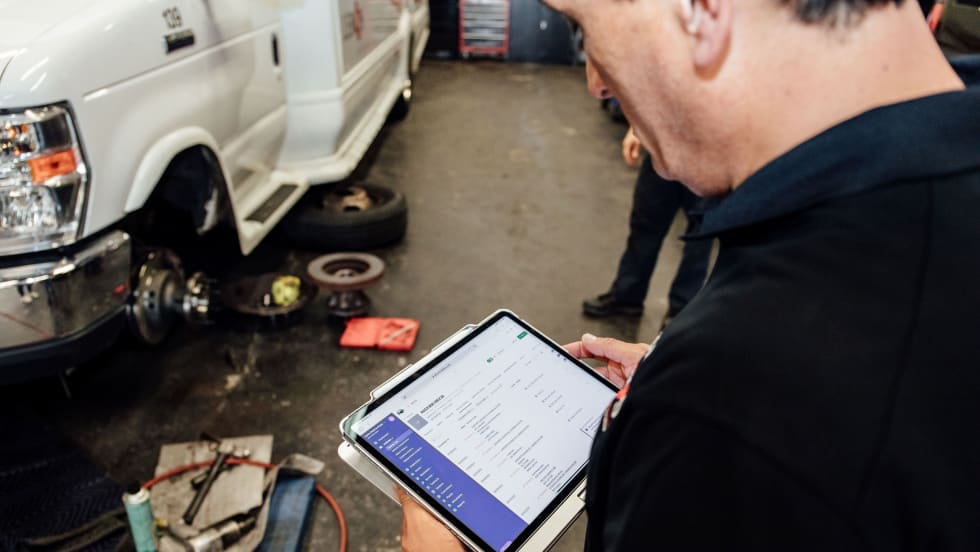
Reinventing Fleet Maintenance with Real-time Visibility and AI
Transit leaders need to know what needs fixing, where to look, who is responsible, when work is completed, and what it costs without having to chase information across disconnected systems.
Read More →
SamTrans Sets Priorities for Potential Connect Bay Area Revenue
The board-approved framework allocates future funding to maintaining service, rider improvements, equity initiatives, and infrastructure repairs.
Read More →