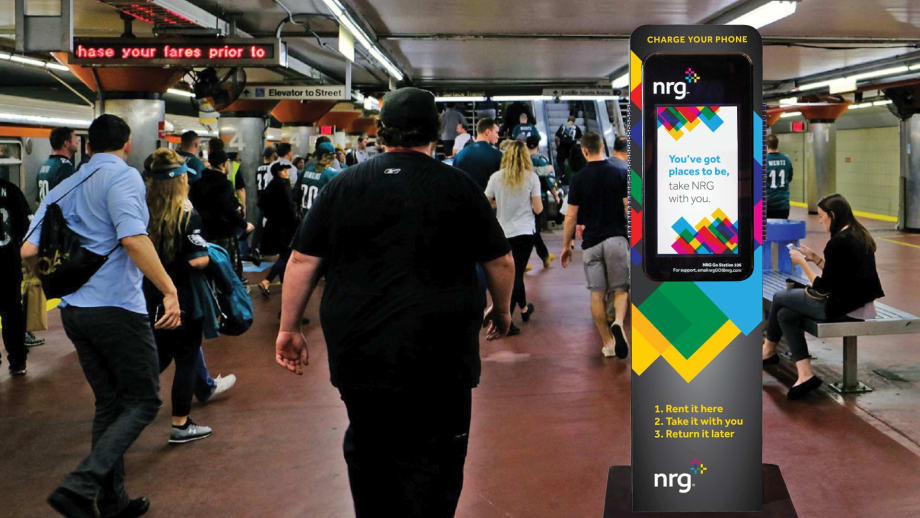
SEPTA stations will feature NRG Go portable power packs that people can rent to charge phones and other electronic devices while they travel or attend events at the Sports Complex. Image: NRG
1 min to read
SEPTA stations will feature NRG Go portable power packs that people can rent to charge phones and other electronic devices while they travel or attend events at the Sports Complex. Image: NRG
SEPTA and NRG Energy today announced a partnership that will generate new revenue for the agency's transit operations, while creating an enhanced rider experience.
As part of the agreement, the Broad Street Line station originally known as Pattison Station at the Sports and Entertainment Complex in South Philadelphia will become NRG Station.
Ad Loading...
Additionally, starting in August, customers who use NRG Station will see new signage, maps and interactive screens. Also newly available at this and other SEPTA stations will be NRG Go portable power packs that people can rent to charge phones and other electronic devices while they travel or attend events at the Sports Complex.
This partnership is consistent with SEPTA's mandate to seek alternative sources of revenue. Act 44, a measure passed by state lawmakers in 2007 to provide funding for transportation in Pennsylvania, called on SEPTA and other transit agencies to bolster efforts to generate non-fare box revenues.
Rendering of SEPTA's rebranded Broad Street Line station. Image: NRG
The partnership with NRG includes SEPTA’s third major station renaming agreement in recent years. SEPTA has worked closely with its advertising agency, Intersection, a smart cities technology and media company, on an innovative campaign to bring in additional advertising dollars.
METRO’s People Movement highlights the latest leadership changes, promotions, and personnel news across the public transit, motorcoach, and people mobility sectors.
BART began offering select parking lots to non-BART riders to generate new revenue to help address its FY27 $376M operating budget deficit brought on by remote work.
Drawing on decades of industry experience, Evans-Benson offered insights into the differences between the two, along with tips for better customer engagement and more.
The renewals include continued operations at Fort Lauderdale-Hollywood International Airport in Florida; the PRTC in Virginia; and RTC Washoe in Nevada.
The governor’s proposed auto insurance reforms could save the agency $48 million annually by limiting payouts in crashes where buses are not primarily at fault.
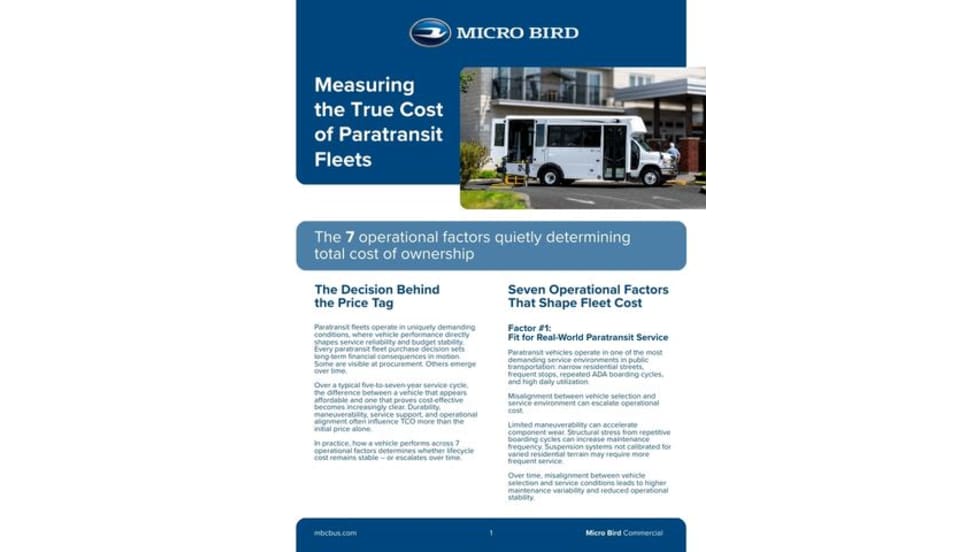
What truly drives the cost of a paratransit fleet? Beyond the purchase price, seven operational factors quietly determine maintenance frequency, downtime, and long-term service reliability. This whitepaper explores how these factors shape lifecycle cost and what agencies should evaluate when selecting paratransit vehicles.
In this conversation, TBC’s Executive Director Ed Redfern, President Corey Aldridge, and Washington Representative Joel Rubin outline the coalition’s key policy priorities, the challenges facing transit agencies, and how industry stakeholders can work together to strengthen the voice of bus transit at the federal level.
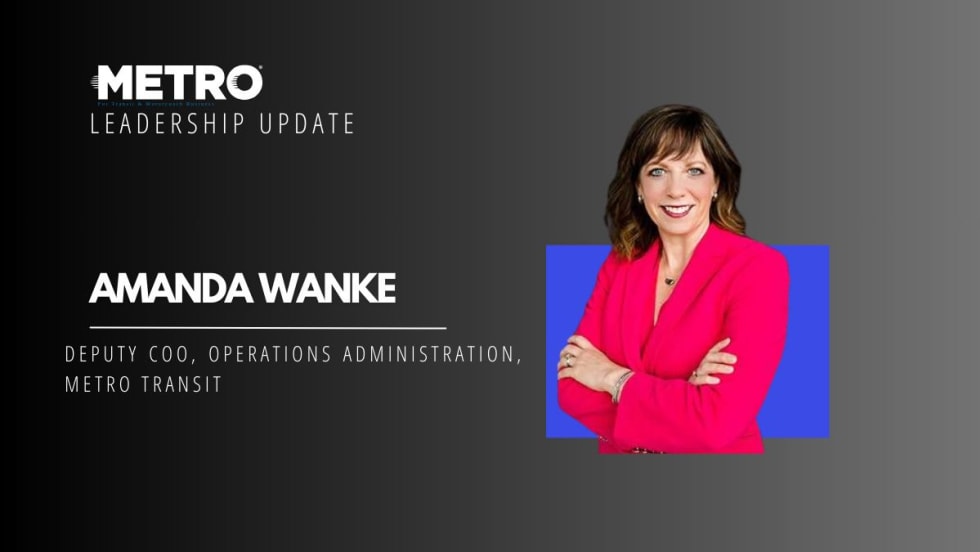
Amanda Wanke, who has worked at DART for 10 years, including the past 2½ years as CEO, will join Metro Transit as deputy chief operating officer, operations administration.