



House leaders unveil long-term transportation bill
On Tuesday, House Transportation and Infrastructure Committee Chairman John L. Mica (R-FL) and Members of the Committee unveiled the long-awaited American Energy & Infrastructure Jobs Act, which looks to authorize approximately $260 billion over five years to fund federal highway, transit and safety programs at current funding levels.

On Tuesday, House Transportation and Infrastructure Committee Chairman John L. Mica (R-FL) and Members of the Committee unveiled the long-awaited American Energy & Infrastructure Jobs Act, which looks to authorize approximately $260 billion over five years to fund federal highway, transit and safety programs at current funding levels.
"The American Energy & Infrastructure Jobs Act is the largest transportation reform bill since the creation of the Interstate Highway System in 1956," Mica said. "This is a five-year bill that reforms our federal transportation programs, cuts the red tape and bureaucracy that delays projects across the country, gives states more flexibility to determine their most critical infrastructure needs, provides states with the long-term stability to undertake major improvements and encourages private sector participation in helping to finance transportation projects."
Similar to the Senate Committee on Environment and Public Works' (EPW) MAP-21, Moving Ahead for Progress in the 21st Century, the proposed bill suggests significant policy changes, including the consolidation or elimination of several federal programs and the ability for states to approve projects and decide how federal transportation aid is spent. It also makes it easier and quicker for road construction and other transportation projects to meet the requirements of federal environmental laws.
"The average federal highway project takes 15 years from concept to completion in the U.S. because of excessive regulations," said Highways and Transit Subcommittee Chairman John J. Duncan Jr. (R-TN). "This is far more than any other Nation. This bill will streamline the way we approach infrastructure projects by cutting red tape and reducing federal bureaucracy, all while creating millions of jobs for hard working Americans right here in the United States."
Mica also noted that the new legislation contains no earmarks. The previous long-term law authorizing federal surface transportation programs, known as SAFETEA-LU, contained over 6,300 earmarks.
The Committee is scheduled to begin consideration of the transportation reauthorization portion of the American Energy and Infrastructure Jobs Act on Thursday. To view the bill, click here.
In related news, Banking Committee Chair Tim Johnson (D-SD) and Ranking Member Richard Shelby (R-AL) released a summary of the Federal Public Transportation Act of 2012, which will serve as the transit component of the Senate's two-year MAP-21reauthorization bill, late Monday.
The bill reauthorizes close to $21 billion in transit funding over two years, protecting many popular programs while also expanding new ones, according to StreetBlog.
Some of the points listed in the summary include:
Protection of the Job Access and Reverse Commute (JARC) program.
Creation of a new pilot program to support transit-oriented development with planning grants.
Streamlining the New Starts program, eliminating duplicative steps and allowing smaller projects ($100 million or less) to complete an expedited review process.
Expanding the Rail Modernization program to include "high-intensity bus" networks, renaming it the State of Good Repair Grant program.
To date, neither the Senate or the House bill has identified a new funding source to supplement the Highway Trust Fund, however, House Republicans have suggested using tax dollars generated by expanding oil exploration in the Arctic and off the U.S. coast, according to several sources including the Washington Post.
"Instead of going the bipartisan route taken by the Senate, House Republican leaders have loaded the bill with environmental protection rollbacks, extreme measures that mandate oil drilling just about everywhere, and a permit for the Keystone XL tar sands pipeline, said Natural Resources Defense Council (NRDC) President Frances Beinecke in a statement. "The American people need a transportation bill; this bill will prevent them from getting one."
To read NRDC Federal Transportation Policy Director Deron Lovaas' blog on the bill, click here.
A statement by American Public Transportation Association President/CEO Michael Melaniphy said in full:
"On behalf of the 1,500 members of the American Public Transportation Association, we are pleased that the U.S. House Transportation and Infrastructure Committee and the U.S. Senate Banking Committee introduced multi-year bills to address the nation's public transportation. We support the efforts of both these legislative bodies moving forward because investing in public transit and roads is essential to creating jobs and boosting our economy.
"Our initial analysis of both the House and Senate bills shows that they include positive policy changes that the public transit industry sought. These include improvements in project delivery, innovative financing and public/private sector partnerships.
"Both houses of Congress will need to address the financing required to support the legislation and it is important to the public transit industry that revenues for the Mass Transit Account continue to be dedicated to public transportation investment.
"We are committed to working with both the House of Representatives and the Senate committees to move this legislation forward to create American jobs and ensure that the United States remains economically competitive."
More Bus

Brian Dickson on Building Stronger, More Resilient Transportation Organizations
Bus Business Consultants Founder Brian Dickson discusses the leadership principles, operational discipline, and strategic planning that separate transportation companies positioned for long-term success from those stuck in survival mode.
Read More →
LA Metro Breaks Ground on Vermont BRT Project
The 12.4-mile corridor is projected to serve 66,200 daily riders, reduce travel times by up to 24%, and create the nation's busiest bus rapid transit corridor.
Read More →
Roman Cornell on ABC Companies’ Evolution and the Future of Passenger Transportation
The company’s CEO discusses carrying forward a third-generation family legacy, ABC’s continued evolution in passenger transportation, support for increasingly complex fleets, and how technology and continued investment could help operators improve uptime.
Read More →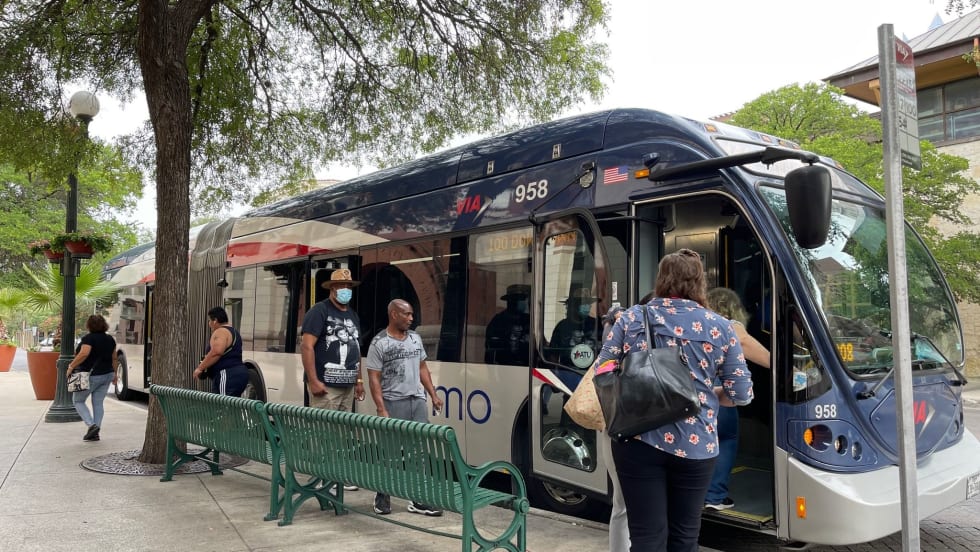
VIA Bus Ridership Grows 10.1% Through August 2026
San Antonio's VIA Metropolitan Transit reported the highest bus ridership growth among major Texas transit systems. Federal Transit Administration data ranked it second among the nation's 50 largest transit systems.
Read More →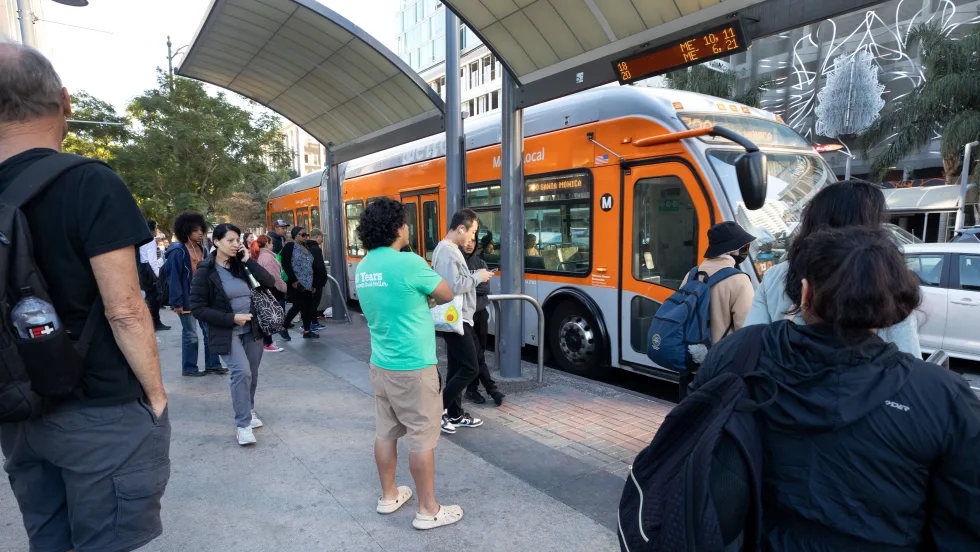
LA Metro September Ridership Climbs 3.9%, Led by Rail Growth
The agency recorded more than 27.2 million boardings, with rail ridership increasing 12.4% year over year and the D Line posting the largest gains.
Read More →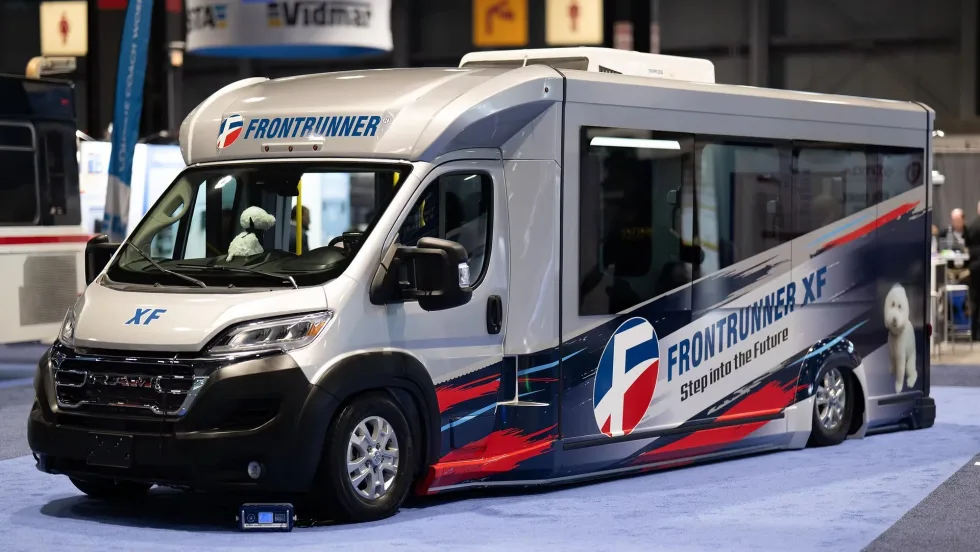
Frontrunner Bus Group Introduces XF Low-Floor Bus with Enhanced Accessibility
The new mid-sized bus features a full flat-floor design, eight-inch curbside step-in height, and zero-entry rear ramp to improve passenger access and operational flexibility.
Read More →
Scenes from APTA TRANSform & EXPO 2026
Transit leaders, manufacturers, and industry professionals gathered in Chicago to explore new technologies, share ideas, and discuss the future of public transportation.
Read More →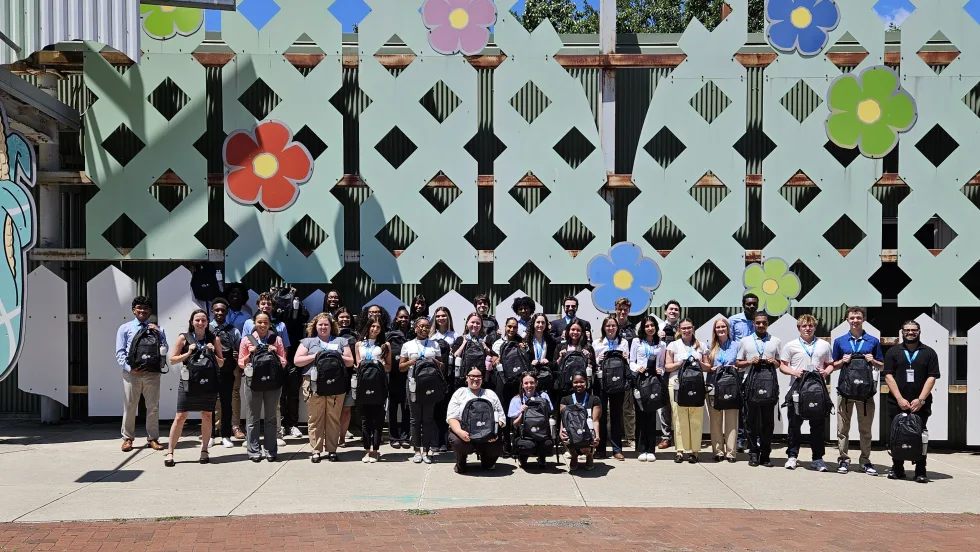
More Than a Summer Job: Building the Next Generation of Transit Talent
The Delaware River Port Authority and PATCO have transformed their internship program into a hands-on professional development experience that introduces students to the breadth of transportation careers — and creates a pipeline for future employees.
Read More →
LA Metro Board Awards 220 Battery-Electric Bus Contract to ENC
The contract, which is the largest base award of battery-electric buses by a U.S. transit agency, will be built in Southern California, sustaining good jobs as LA prepares to welcome the world in 2028
Read More →
Public Transit Conference Returning to GFX in 2027, Call for Papers Now Open
The Call for Papers is now open, allowing transit agency professionals and industry experts to help shape the PTC educational program by submitting session ideas for consideration.
Read More →