



Feds award $167M for Hurricane Sandy relief
The funds reimburse the Port Authority of New York & New Jersey and New Jersey Transit for capital projects that are already under way under FTA pre-award authority, while also funding other projects that have not yet moved forward.

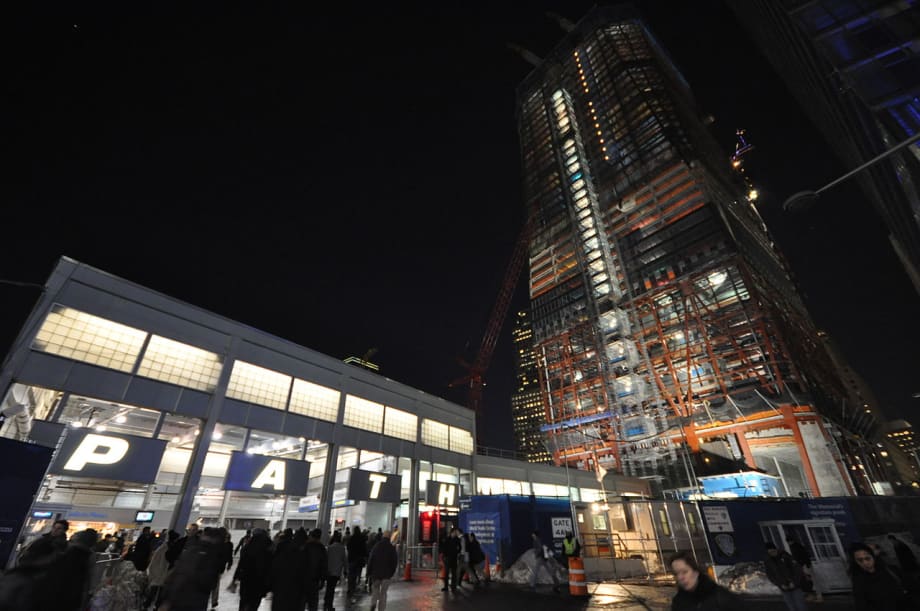
Photo courtesy Jorge Lascar
Photo courtesy Jorge Lascar
The Federal Transit Administration (FTA) awarded approximately $167 million to the Port Authority of New York & New Jersey and $67 million to New Jersey Transit (NJT) from the FTA’s Emergency Relief Program to help both agencies continue rebuilding and replacing transportation equipment and facilities damaged or destroyed by Hurricane Sandy.
The funds reimburse the Port Authority and NJT for capital projects that are already under way under FTA pre-award authority, while also funding other projects that have not yet moved forward.
Altogether, the Port Authority and NJT were allocated $1.36 billion and $448.2 million respectively, for relief and recovery projects through FTA’s Emergency Relief Program.
The Port Authority funding supports 15 capital projects, such as replacing power, signal and communications equipment destroyed by the storm; purchasing new locomotives; and acquiring equipment to mitigate damage from future storms, including temporary power substations and water removal systems and barriers.
NJT funding supports seven projects, including standing up a new interoperable communications center in Maplewood, N.J., which will serve as a consolidated command and control center for coordinating all NJT functions and improving agency-wide response during a major weather event; repairing and restoring the Newark and Hudson-Bergen light rail lines; dredging storm-deposited silt from the Weehawken Port Imperial Ferry Terminal; and purchasing new fueling trucks that can readily bring fuel to diesel locomotives and other equipment that may be stranded during an emergency.
In December 2013, FTA announced the availability of $3 billion in competitive funding for regional resiliency projects that will better protect existing transit infrastructure damaged by Hurricane Sandy. FTA is currently reviewing 64 proposals totaling more than $6 billion in requests; project selections will be announced later this year.
For all transit agencies eligible to receive Hurricane Sandy aid, FTA has allocated approximately 55% of the $10.35 billion available through the Disaster Relief Appropriations Act of 2013.
More Management

METRO Opens Submissions for 2026 Motorcoach Awards
Nominations are now being accepted for METRO Magazine’s Operator of the Year and Innovative Operator of the Year awards.
Read More →
New York MTA Advances Final Contract for Second Avenue Subway Expansion
Contract Four is the largest in the Second Avenue Subway Phase 2 project and includes construction of station infrastructure, tracks, and signals for the subway expansion, MTA officials said. Work on Contract Four will begin in 2027.
Read More →
Transit Agencies Highlight Safety Gains at National Summit
Leaders from 15 major transit systems shared crime-reduction results and safety initiatives while discussing the role of continued federal support.
Read More →

NITA Names New Leadership, Expands Reduced-Fare Program at First Board Meeting
The new regional transit authority appointed its first board chair and interim executive director while extending reduced fares across CTA, Metra, and Pace for eligible riders.
Read More →
Beyond the Checklist: A Structured Approach to Transit Maintenance
Reliability-Centered Maintenance helps transit agencies move beyond routine checklists to focus limited resources on the assets and failures that have the greatest impact on safety, reliability, and service.
Read More →
APTA 2026 Nominating Committee Selects Leadership Slate, Names Chair and Vice Chair Nominees
Leadership changes will help shape the association’s priorities and its representation of the transportation industry during the 2026–2027 term.
Read More →
DART Launches Major Security, Fare Enforcement Initiative
The 90-day demonstration will deploy coordinated security teams at five light rail stations while testing controlled access and gathering data to guide future investments.
Read More →
Advancing Fare Collection Through Technology and Innovation
Learn about delivering 1300 gates at 91 stations while managing fare evasion. Explore the large scale deployment, solution customization and real-world results that affect the region. Prepare for deployment in your region now.
Read More →
Game Day in Motion: Moving Millions During the 2026 World Cup
Between packed transit stations and team motorcoaches, see how agencies and operators across North America tackled the transportation demands of the 2026 FIFA World Cup.
Read More →
Surface Transportation Extension Averts Shutdown, Leaves Transit Funding Gap
The stopgap keeps federal transportation programs moving, but missing advance funding could complicate the transit and rail projects agencies are planning next.
Read More →