



SNCF taps Alstom-Bombardier consortium for next-generation trains
Will design and supply the new generation of two-tier equipment for lines D and E of the Île-de-France network, which is operated by SNCF Transilien. The first firm part of the order comprises the delivery of 71 trains.

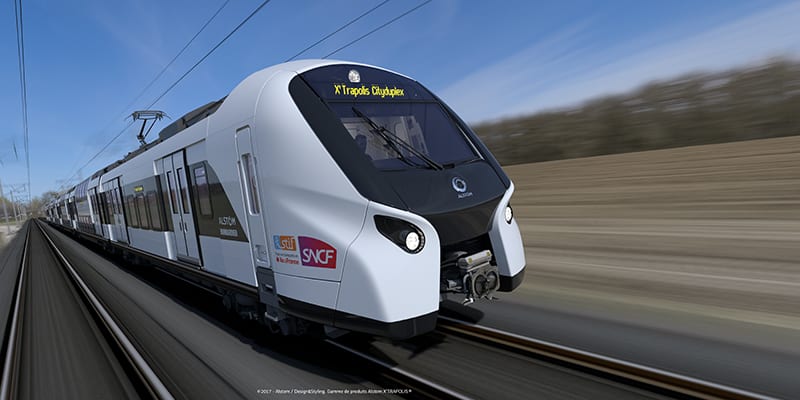
Alstom Styling & Design

France’s SNCF selected the Alstom-Bombardier consortium to renew the trains on lines D and E of the Île-de-France network. The contract for 255 trains, worth an estimated $3.9 billion, is the largest contract ever financed by STIF.
Alstom, in partnership with Bombardier, will design and supply the new generation of two-tier equipment for lines D and E of the Île-de-France network, which is operated by SNCF Transilien. The first firm part of the order comprises the delivery of 71 trains, 100% funded by STIF (this amount includes all design studies, industrialization, project management, and homologation for a value of approximately $470 million. The first 71 trains will be delivered and enter circulation from 2021 onwards.
This "boa" train is entirely open (without separations between the cars) and was specifically designed for the dense zones of traffic in Île-de-France. Thanks to its large doors, the train provides extremely fluid passenger exits and entrances as well as offering three distinct travel spaces. Passengers can thus choose their space according to their journey time: platform zones for travelling standing-up when the journey is very short, making it easy to move around, like in the metro; mixed-use zones (standing or sitting) located lower down for journeys under 20 minutes, and higher up, areas offering regional-style comfort with more seating for longer trips. In each of the end cars, platforms provide wheelchair users with direct and quick access to dedicated spaces. Air conditioning, lighting, and seating have all been designed to provide a high level of comfort.
Based on Alstom's urban and suburban equipment solutions and enhanced by feedback from its customers, the train, baptized X'Trapolis Cityduplex, will guarantee the highest levels of availability, reliability, and safety. Each train can transport up to 1,860 passengers. Numerous innovations will reduce energy consumption by 25% compared to previous generations of equipment. The train notably contains eight motor bogies to provide superior performance compared to previous generations in terms of acceleration and deceleration with regenerative braking, an undeniable asset for exploitation.
To carry out this major project successfully, a total of around 2,000 people will work on the project under the Alstom-Bombardier consortium, including 550 experienced engineers, securing more than 8,000 jobs in the French rail sector.
More Rail
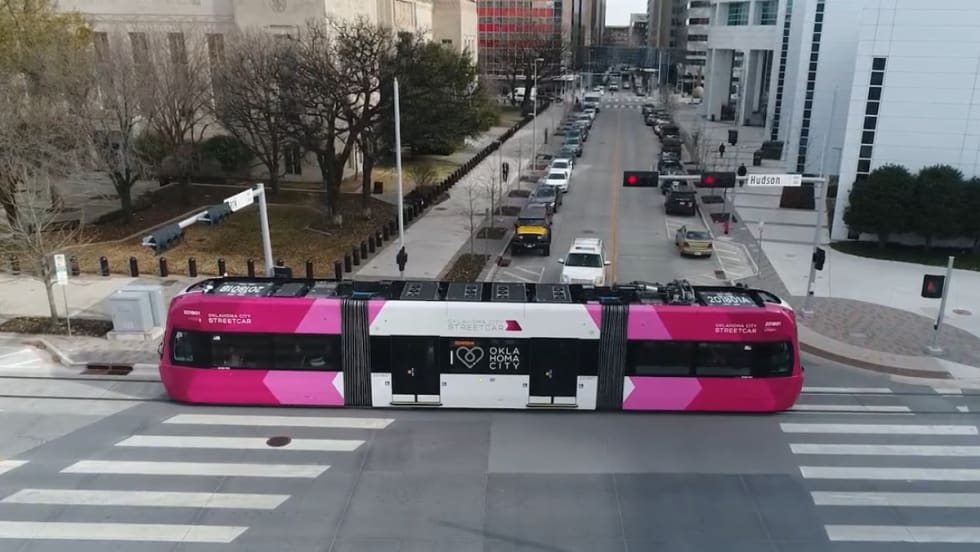
OKC Streetcar Makes Zero-Fare Service Permanent
Ridership increased an average of 71% compared with the same period a year earlier during the fare-free pilot.
Read More →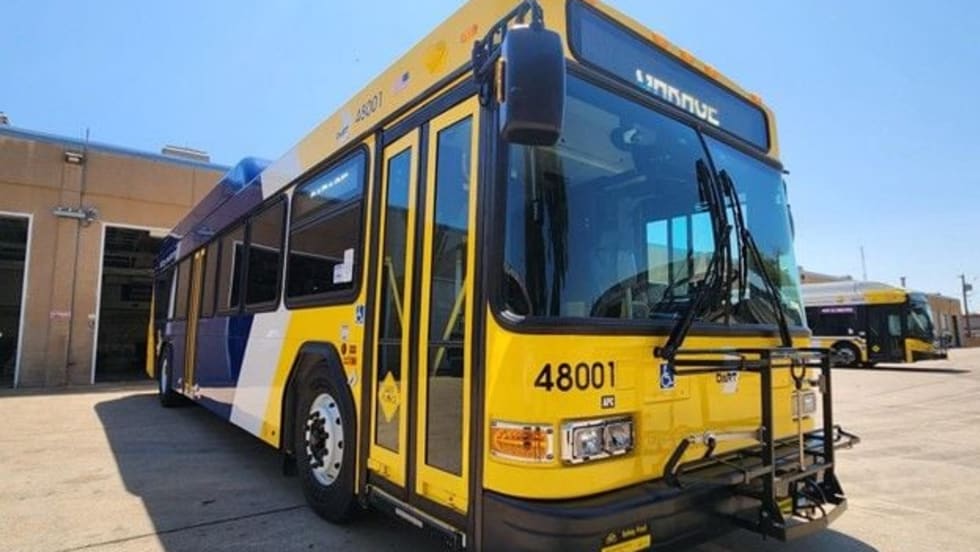
DART Customer Satisfaction Reaches Six-Year High
Overall satisfaction rose to 74.9%, while the agency’s Net Promoter Score reached a record 33.7.
Read More →
How DART's GoPass Is Redefining Regional Mobility
Serving 14 transit agencies, GoPass simplifies multimodal travel by allowing riders to plan, pay for, and manage an entire trip through one app.
Read More →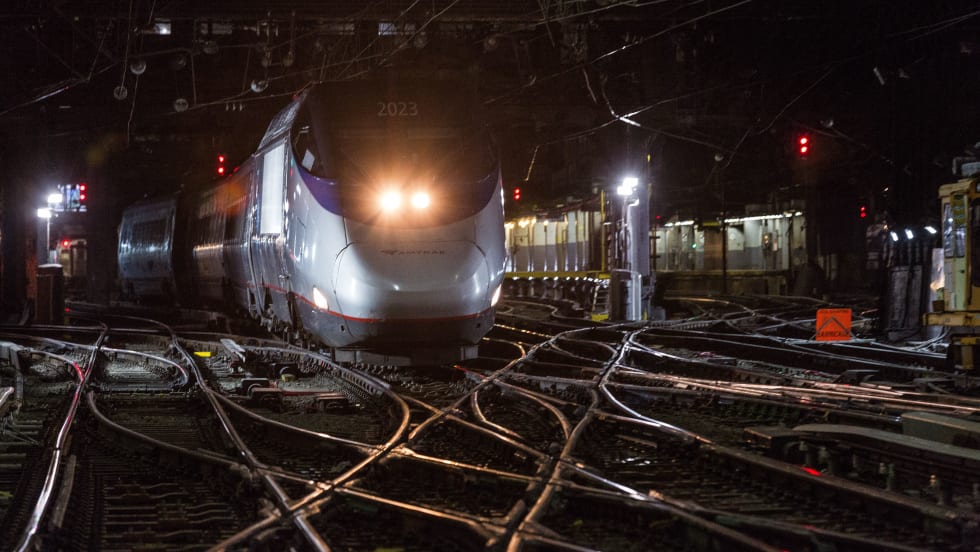
Amtrak Board Advances Plan to Restructure Organization, Seeks Public Input
The proposal, developed by Amtrak management and approved by the board for further consideration, is intended to modernize the organization's structure while improving accountability, operational efficiency, and customer service.
Read More →
Biz Briefs: STV teams with Amtrak, Motorcoach Operators Boost Fleet and Land Contracts, and More
From manufacturers and suppliers to transit agencies and motorcoach operators, these updates offer a snapshot of the projects, partnerships and business moves driving the industry forward.
Read More →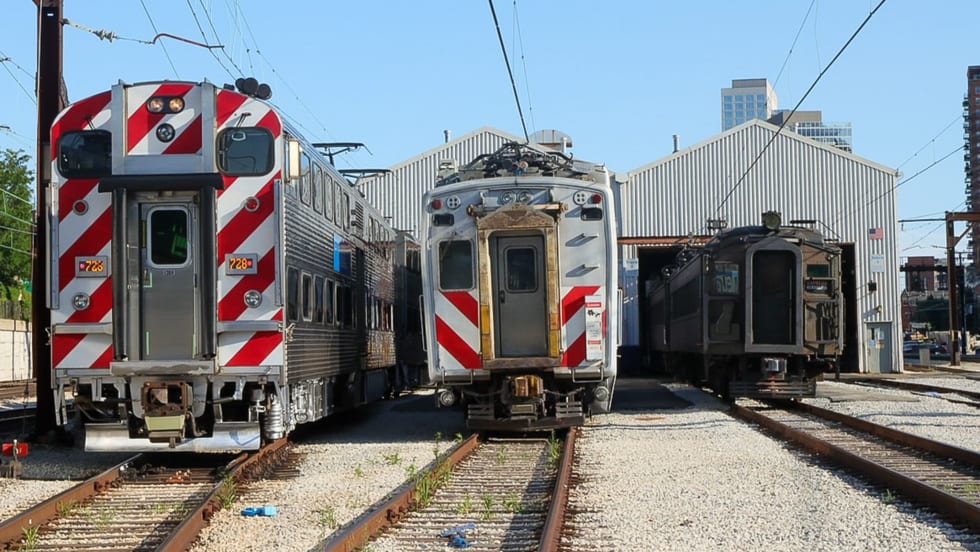
Metra Celebrates 100 Years of Electric Rail, Looks to the Future
The event was also a celebration of recent reforms to public transportation in the Chicago area, changes that could be as transformative in the future as the major civic achievement a century ago, said officials.
Read More →
LA Metro Marks Banner Year, Sets Ambitious Goals for New Fiscal Year
Incoming LA Metro Board Chair and Los Angeles Mayor Karen Bass joined outgoing Board Chair Fernando Dutra and LA Metro CEO Stephanie Wiggins to review accomplishments from fiscal year 2026, which included the opening of new rail extensions, advancement of major transit projects, expanded safety programs, and new rider amenities.
Read More →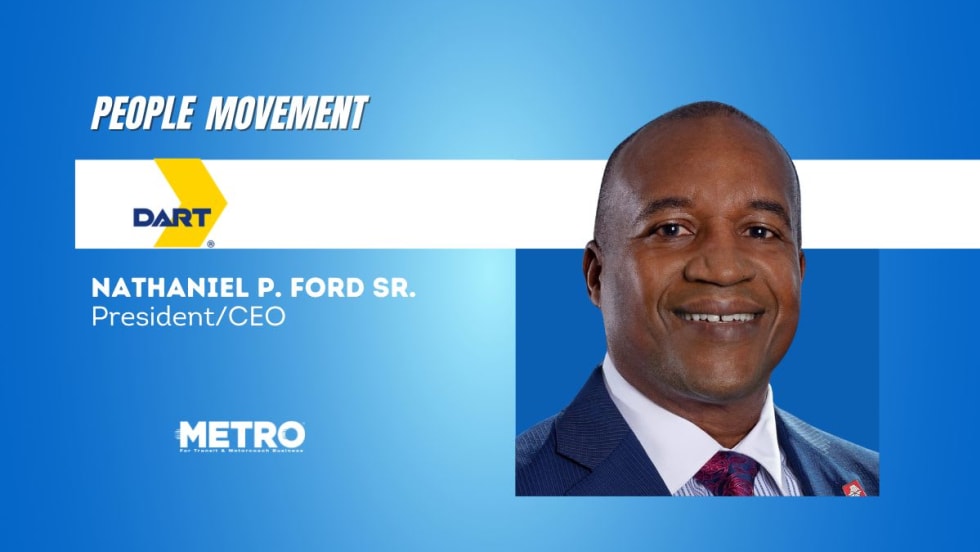
DART Taps Nathaniel P. Ford Sr. as Next President/CEO
Since 2012, Ford has served as the CEO of the Jacksonville Transportation Authority
Read More →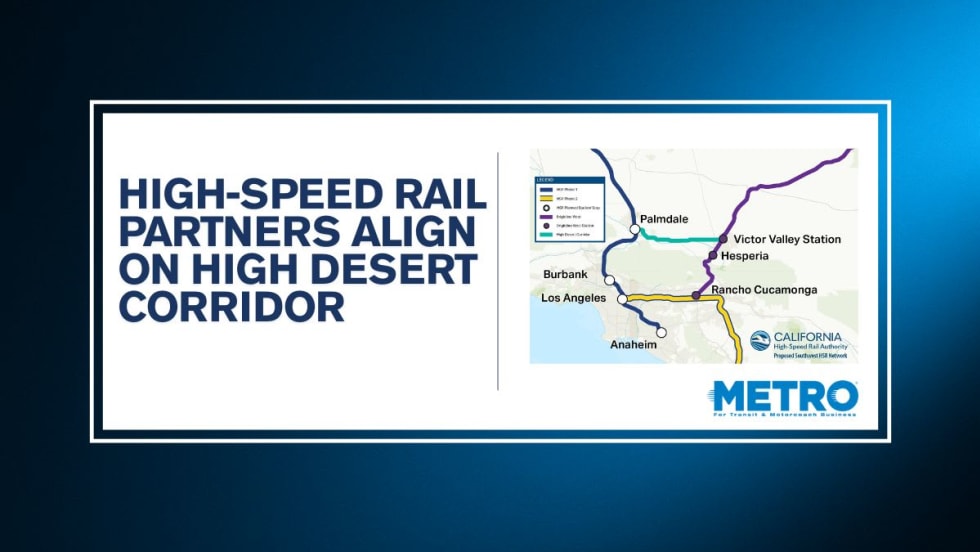
California High-Speed Rail Authority Signs MOU to Advance High Desert Corridor
The agreement deepens collaboration between the California High-Speed Rail Authority and the High Desert Corridor Joint Powers Agency, supporting design integration, cost savings, and faster delivery of a key Southern California rail link.
Read More →
Building the Next Generation of Transit Technology
In this edition of METROspectives, Luminator CEO Magnus Friberg discusses the company's transformation, the growing role of AI and software, and what's next for transit technology.
Read More →