




RELATED: Fort Worth 'FLIRTs' with New Train Tech for Airport Link
Metra to open railcar procurement to alternative car designs
Agency received only one response to its initial RFP for new bi-level gallery cars.
July 18, 2018
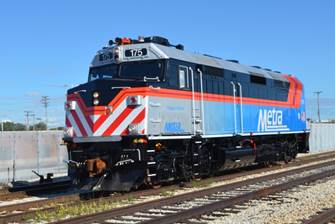
Metra is reissuing its request for proposals (RFP) for new railcars and opening it up to alternative car designs. Photo: Metra
2 min to read
Metra is reissuing its request for proposals (RFP) for new railcars and opening it up to alternative car designs. Photo: Metra
Metra is reissuing its request for proposals (RFP) for new railcars and opening it up to alternative car designs after it received only one response to its initial RFP for new bi-level gallery cars.
Metra plans to reissue the RFP later this year. Instead of requesting proposals only for new gallery cars, such as those now in use on Metra lines with an opening between levels, the new RFP will allow proposals for other designs. Several manufacturers make alternative cars that are used by other commuter railroads in North America and around the world.
Metra’s initial railcar RFP was issued in April 2017. It would have provided for 75 new gallery railcars with an option to purchase additional cars depending on responses to the RFP, the amount of funding available and whether Metra could use financing to maximize funding.
Only one manufacturer, CRRC Sifang America, responded to the RFP. As a result, Metra staff recommended issuing a new RFP open to other designs. Metra hopes the new request will encourage manufacturers of different style cars to compete for Metra’s business and result in the purchase of cars that are the most modern, most comfortable and best value.
“Opening up our request to alternative designs will foster competition between more car builders, which potentially will result in better pricing, a more modern car and a better experience for our customers,” said Metra CEO/Executive Director Jim Derwinski.
One important consideration will be to increase seating capacity. Since yard space and platform length currently limit the number and length of trains that can operate, increasing the seating capacity is a relatively fast and efficient way to meet increased ridership demand within our physical confines.
Some alternative car designs now available have lower, platform-level boarding that could benefit ADA customers and families with strollers when boarding and detraining. Others have different side-loading door configurations that could potentially lessen the time it takes passengers to board and exit the train, which would also speed train trips. Other features that will be considered for incorporation include heated floors and charging outlets.
More Rail

Scenes from APTA TRANSform & EXPO 2026
Transit leaders, manufacturers, and industry professionals gathered in Chicago to explore new technologies, share ideas, and discuss the future of public transportation.
Read More →
USDOT Awards $416 Million for Florida Rail Crossing Safety Upgrades, New Brightline Station
The projects aim to reduce risks for motorists and pedestrians at rail crossings while expanding passenger rail access along Florida’s Space Coast.
Read More →
OCTA Declares Emergency to Protect Rail Corridor From Coastal Erosion
The California agency is accelerating shoreline protection and plans to place approximately 690,000 cubic yards of sand along the San Clemente coast to protect a key passenger and freight rail link.
Read More →
More Than a Summer Job: Building the Next Generation of Transit Talent
The Delaware River Port Authority and PATCO have transformed their internship program into a hands-on professional development experience that introduces students to the breadth of transportation careers — and creates a pipeline for future employees.
Read More →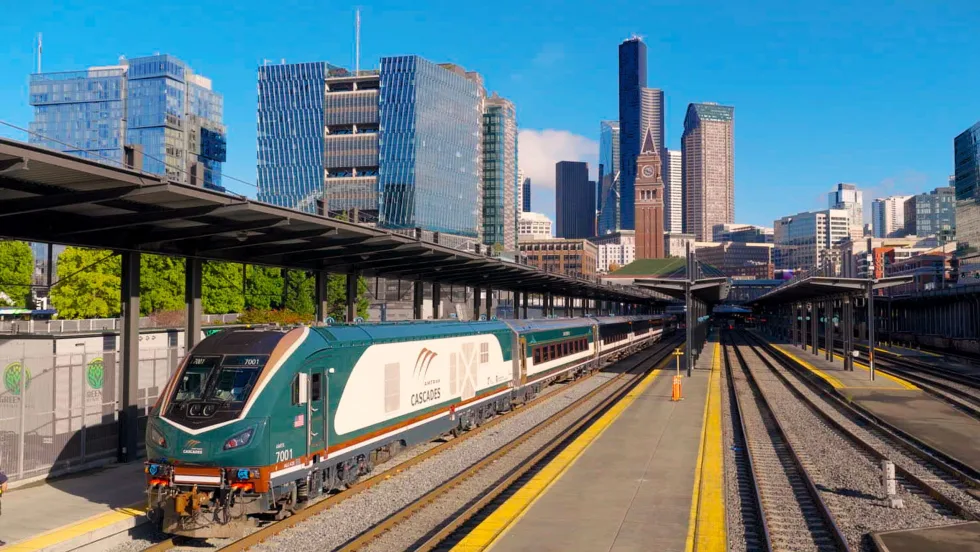
Airo Trains Make Their Amtrak Cascades Debut in the Pacific Northwest
Effective immediately, two cutting-edge Airo trainsets will join the Amtrak Cascades route, operating four daily trips between Vancouver, B.C., Seattle, Portland, and Eugene, Oregon, marking the first introduction of Airo trains into passenger service anywhere in the country.
Read More →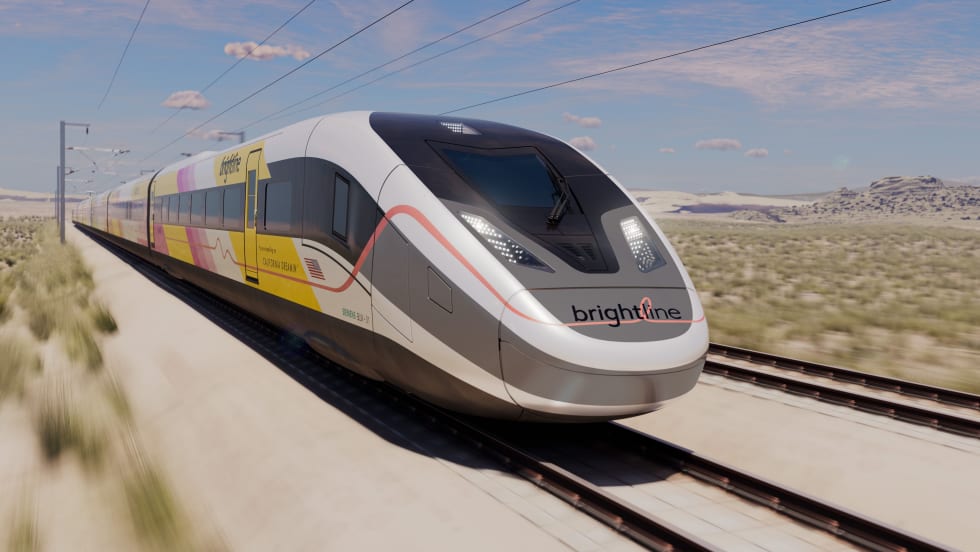
Florida's Brightline Announces Financial Restructuring
Brightline Florida says train operations will continue as normal as certain parent entities enter Chapter 11 and financial stakeholders provide $490 million in new long-term capital.
Read More →
ENC Lands MATA Contract and More in Biz Briefs
In this edition of Biz Briefs, we spotlight the latest developments shaping the future of mobility.
Read More →
Strada360’s Steve Lassey on Turning Transit Data Into Better Decisions
From breaking down data silos to preparing for AI, Strada360 CEO Steve Lassey discusses how transit agencies can use technology to improve operations, customer information, and long-term decision-making.
Read More →
SEPTA Details Accelerate Vision for Transit System
The plan outlines investments in trolley modernization, new Metro and Regional Rail vehicles, accessible stations, and more frequent bus and rail service.
Read More →
FTA Ends Direct Oversight of MBTA Safety Actions
The federal agency closed its remaining special directive to the Massachusetts Department of Public Utilities following a safety review that began in 2022.
Read More →