



RELATED: How alt. delivery is helping build Seattle rail project
Seattle moving forward with Center City Connector streetcar project
In the coming months, agency will be updating the design specifications for streetcar vehicles.
by By Jeanne Clark
September 18, 2019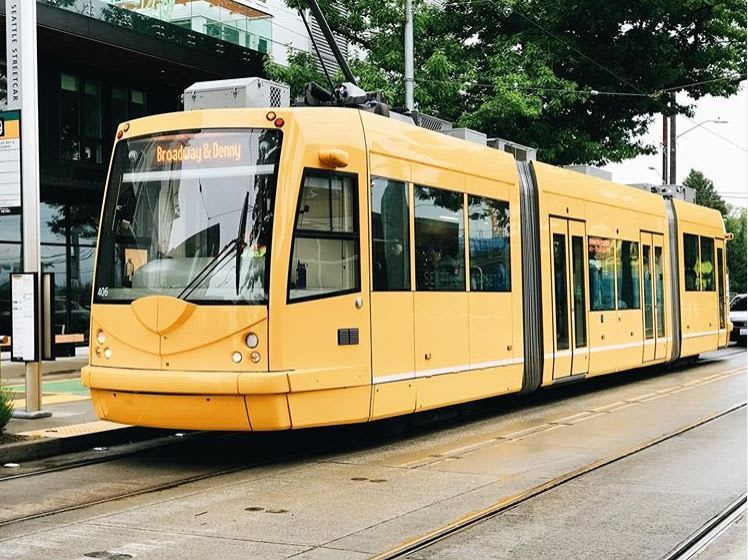
First Hill Streetcar, Yesler Way.
Jeanne Clark
3 min to read
First Hill Streetcar, Yesler Way.
Jeanne Clark
In August, the Seattle City Council appropriated $9 million so that we could move forward with essential design work to advance the Center City Connector project.
With this critical funding, we’re excited to be moving this transit project forward so that millions of people will have the opportunity to use a complete streetcar system providing easy connections between South Lake Union, the waterfront, Pioneer Square, Chinatown-International District, and First Hill.
Here are the key next steps moving forward with the streetcar project:
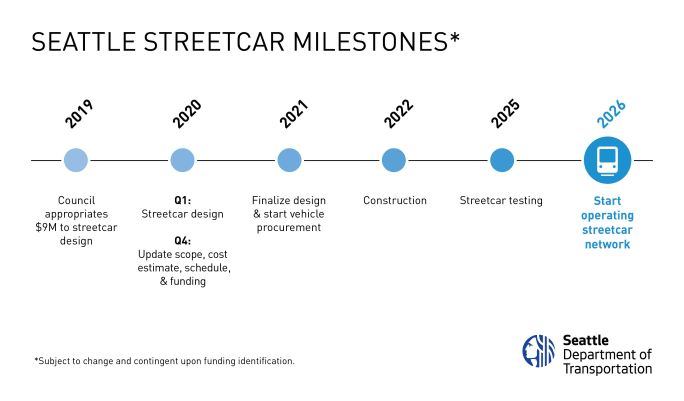
In April 2017, we entered into a contract with CAF USA to build 10 streetcar vehicles. In March 2018, Mayor Durkan ordered an independent review of the streetcar project budget and we issued a stop-work-order to halt production of these vehicles before they were built, while we worked to ensure the project had strong financial footing.
Now that we have a better understanding of the new project timeline, we’re ready to cancel the old streetcar vehicle contract and move forward.
Resuming work now under the old vehicle contract could have significantly increased project costs due to our new project timeline.
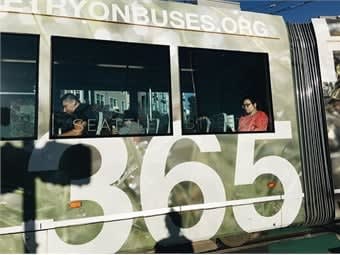
First Hill Streetcar up close.
Jeanne Clark.
The City has the flexibility to terminate the contract at any time which may save the City considerable money in the long run.
Seeking a new vehicle contract is the most fiscally responsible option for Seattle taxpayers and will offer several cost-saving opportunities:
A new bidding process will give companies a chance to propose plans to build vehicles that are closer to the size and weight of our existing streetcars.
A new contract will align with our current streetcar design timeline and eliminate financial risk and uncertainty associated with the old vehicle contract schedule.
Today, we informed CAF USA that we’re terminating the old vehicle contract and are preparing to move forward with seeking a new vehicle contract.
In the coming months, we’ll be updating the design specifications for streetcar vehicles to take into account the existing vehicle market in the U.S. and some of our system’s specialized needs. Once this work has been done, we’ll move forward by issuing an updated Request for Proposals for streetcar procurement.
We’ll also be moving forward with the essential engineering and facilities design work with the resources approved by City Council last month.
This work will help inform the new vehicle procurement and include a variety of necessary steps that align with the potential vehicle design specifications, such as making sure the streetcar platforms, maintenance facility, and roadway structures are ready for the new streetcars because many of the streetcar vehicles currently being manufactured are longer and heavier than our current streetcars.
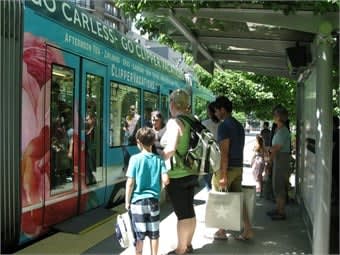
Passengers preparing to on-board the South Lake Union Streetcar.
SDOT
We’re preparing to search for a consultant to help complete this facilities engineering work and will release a request for qualifications for engineering consultants in the coming weeks.
Moving forward with engineering work will reduce risk and ensure we’ll be ready to comprehensively and responsibly deliver the entirety of the Center City Connector.
The additional design work will also be essential to help secure the funds prioritized for this project from the Federal Transit Administration (FTA).
Actions we’ll be taking over the next several months will help establish that we have a solid and dependable plan to finish building the streetcar and set us up for FTA’s approval of these federal funds.
This blog was originally posted by the Seattle Department of Transportation.
More Rail
OCTA Finalizes 30-Year Strategy to Protect Coastal Rail Corridor
The agency approved its coastal rail resiliency study and will begin developing projects to protect seven miles of railroad as emergency stabilization efforts continue.
VIA, MBTA Reach Pre-Pandemic Ridership Milestones as Transit Use Climbs
VIA surpasses three million monthly trips for the first time since 2020, while the MBTA tops one million average weekday trips as both agencies report continued ridership growth.

People Movement: Metrolink's Kettle Announces Retirement, Feakins to CEO at UZURV, and More
In this edition, we also cover recent appointments and announcements at King County Metro, SilverRide, and more, showcasing the individuals helping to shape the future of transportation.
How Gen Z's Changing Mobility Habits Are Reshaping Public Transit
As younger generations embrace multimodal mobility over private vehicles, transit agencies can rethink station design, the passenger experience, and public transportation's role in building connected communities.
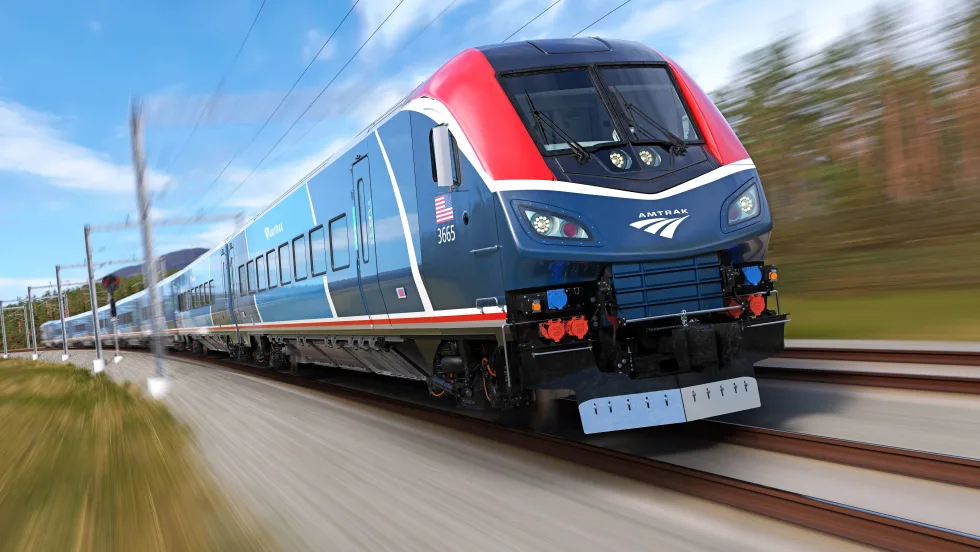
Amtrak Expands Airo Fleet with Eight Higher-Capacity Trainsets
The new 10-car trains, expected to enter service in 2031, will provide about 34% more seating capacity to meet growing demand on the Northeast Corridor.
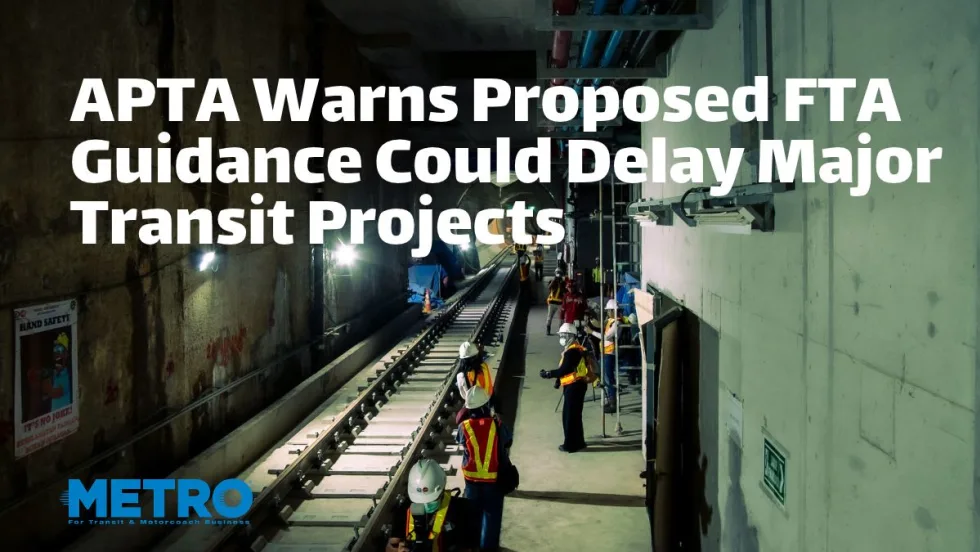
APTA Urges FTA to Withdraw Proposed Capital Investment Grants Guidance
The association warns that proposed changes could delay transit projects, reduce federal funding, and create new hurdles for 47 projects currently in the CIG pipeline.
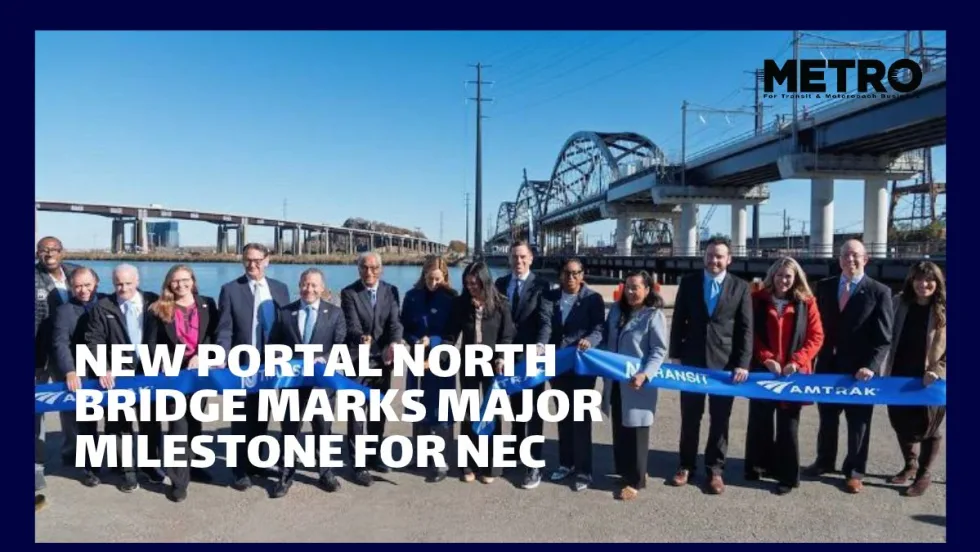
Amtrak, NJ TRANSIT Launch Full Service on New Portal North Bridge
The completion of the two-track bridge over the Hackensack River eliminates a longstanding source of delays for NJ TRANSIT and Amtrak customers. It marks a major milestone for the Gateway Program.
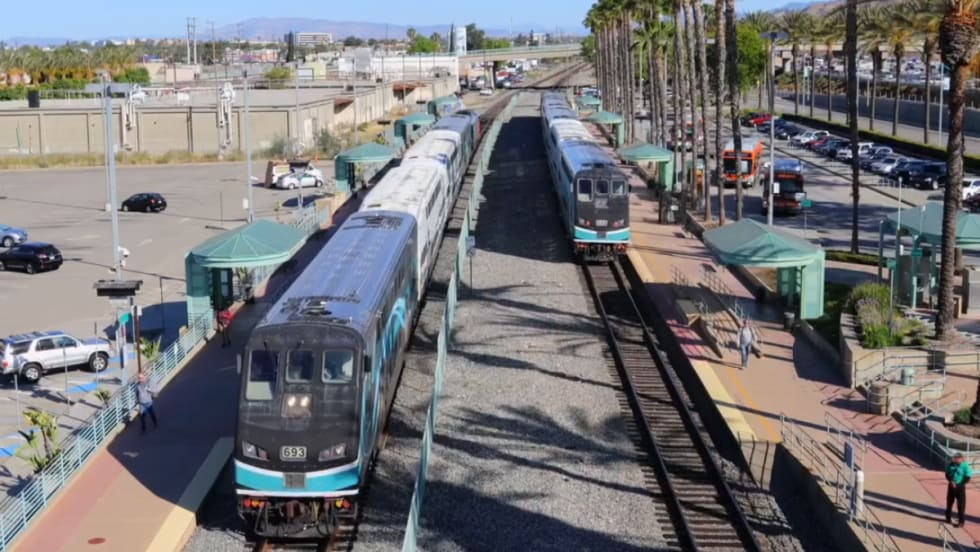
Southern California’s Metrolink Approves $508.8M Budget, Avoids Service Cuts
A $20 million state allocation allows the regional rail agency to maintain existing weekday and weekend service through fiscal year 2028, although longer-term funding challenges remain.
NJ TRANSIT Approves $65.6M for Hudson-Bergen Light Rail Improvements
The funding marks the first phase of a planned $250 million investment over five years to modernize stations, overhaul vehicles, and improve system reliability and passenger safety.

STraffic Expands North American Presence with Fare Collection Technology
John Moon, Associate Director, Product Strategy at STraffic, discusses the company's growth in North America, its efforts to reduce fare evasion, and more.