



L.A. Metro clears 5 teams to develop high-speed, high-capacity transit line
The Sepulveda Transit Corridor Project will directly connect the San Fernando Valley and the Westside, and ultimately LAX.



The Los Angeles County Metropolitan Transportation Authority (Metro) cleared five teams to compete for the opportunity to help develop the agency’s massive Sepulveda Transit Corridor Project, an ambitious mega-project that will build a high-speed, high-capacity transit line directly connecting the San Fernando Valley and the Westside, and ultimately LAX.
The following developer teams have submitted for and met Metro’s initial qualifications for submitting a Predevelopment Agreement (PDA) proposal to assist with project planning and design, with the potential opportunity to enter into an Implementation Agreement for the project after completion of the PDA work:
ACS Infrastructure Development
LA SkyRail Express
Sepulveda Transit Corridor Partners (Bechtel)
Sepulveda Transit Corridor Partners (Fengate)
Tutor Perini, Parsons & Plenary
The eligibility of five major potential project partner teams completes the first phase of Metro’s Request for Proposals process and is a strong demonstration of the market interest to get in on the ground floor and help develop the project.
A PDA with one or more of these firms would enable early contractor involvement in the project, allowing for innovations in design, construction approach, financing, and operating approach. A private project developer would participate in defining and designing the project concept together with Metro and community stakeholders. Up to two private project developer teams will be awarded a PDA to provide design and engineering to support development of the project, constructability reviews, and cost estimates.
Once project development is complete, the remaining private project developer will then have an opportunity to offer to build, operate, and maintain the line, potentially accelerating construction, improving project performance and mitigating key project challenges.
“Metro continues to push the envelope in the pursuit of public/private partnerships for projects of regional and national significance,” said Metro CEO Phillip A. Washington. “We’re pursuing this innovative project delivery approach because it can be mutually beneficial in sharing critically needed skills, assets, risks, and rewards to potentially deliver this project sooner for L.A. County taxpayers.”
The Sepulveda Transit Corridor Project is funded in part by Measure M, the transportation sales tax approved by Los Angeles County voters in 2016. The total project will receive $9.5 billion in funding from Measure M and other local, state, and federal sources. The first phase of the transit line between the Valley and the Westside is scheduled to open in 2033, and the second phase to LAX is scheduled to open in 2057 under the current Measure M schedule. However, staff is working aggressively to accelerate the Sepulveda Transit Corridor Project schedule.
More Rail
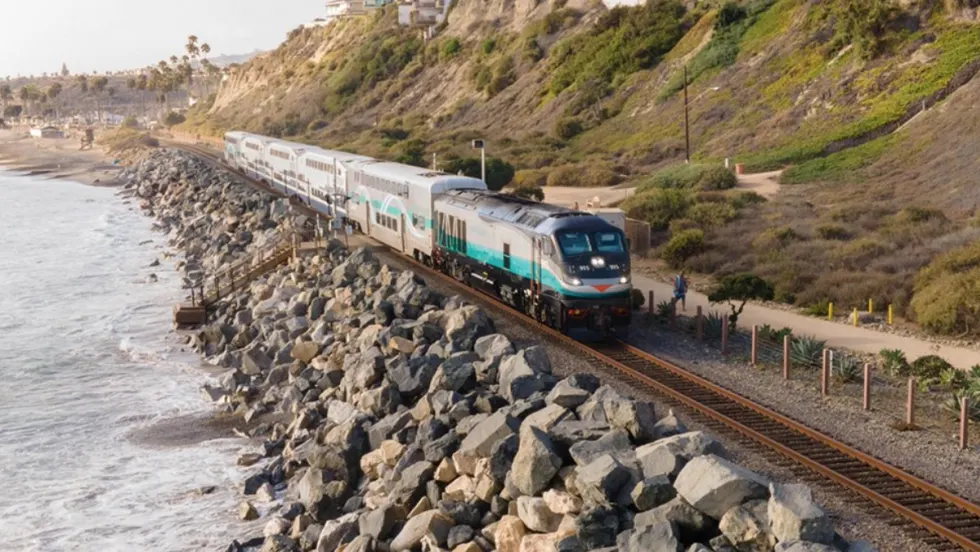
OCTA Finalizes 30-Year Strategy to Protect Coastal Rail Corridor
The agency approved its coastal rail resiliency study and will begin developing projects to protect seven miles of railroad as emergency stabilization efforts continue.
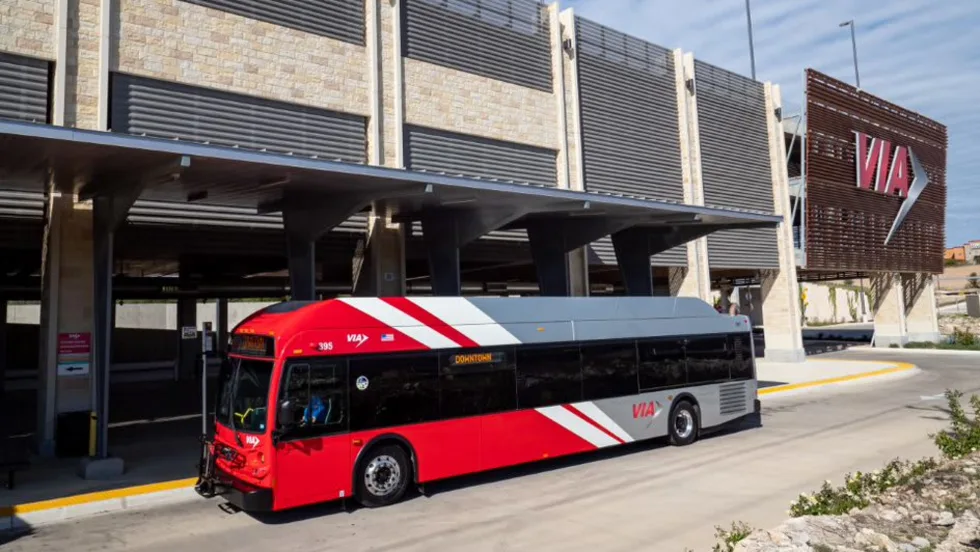
VIA, MBTA Reach Pre-Pandemic Ridership Milestones as Transit Use Climbs
VIA surpasses three million monthly trips for the first time since 2020, while the MBTA tops one million average weekday trips as both agencies report continued ridership growth.

People Movement: Metrolink's Kettle Announces Retirement, Feakins to CEO at UZURV, and More
In this edition, we also cover recent appointments and announcements at King County Metro, SilverRide, and more, showcasing the individuals helping to shape the future of transportation.
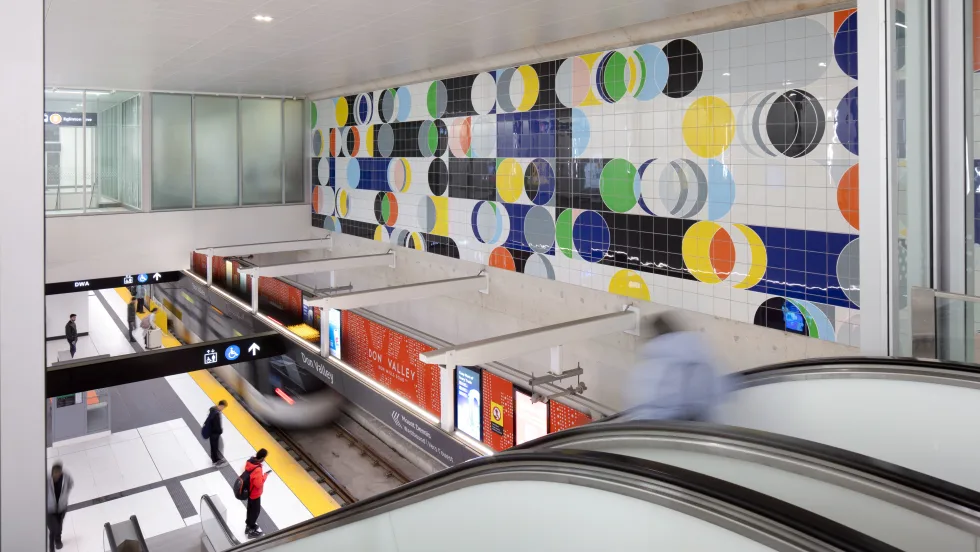
How Gen Z's Changing Mobility Habits Are Reshaping Public Transit
As younger generations embrace multimodal mobility over private vehicles, transit agencies can rethink station design, the passenger experience, and public transportation's role in building connected communities.
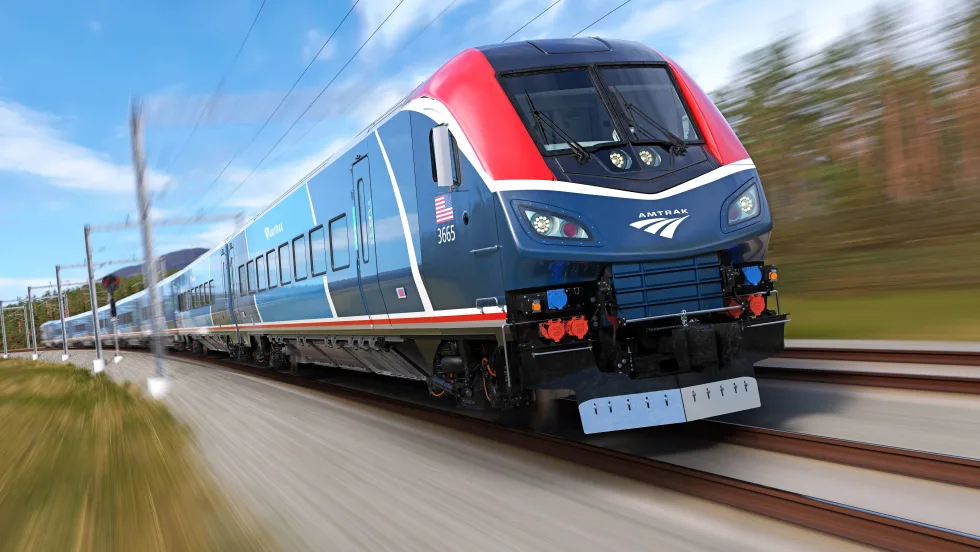
Amtrak Expands Airo Fleet with Eight Higher-Capacity Trainsets
The new 10-car trains, expected to enter service in 2031, will provide about 34% more seating capacity to meet growing demand on the Northeast Corridor.

APTA Urges FTA to Withdraw Proposed Capital Investment Grants Guidance
The association warns that proposed changes could delay transit projects, reduce federal funding, and create new hurdles for 47 projects currently in the CIG pipeline.
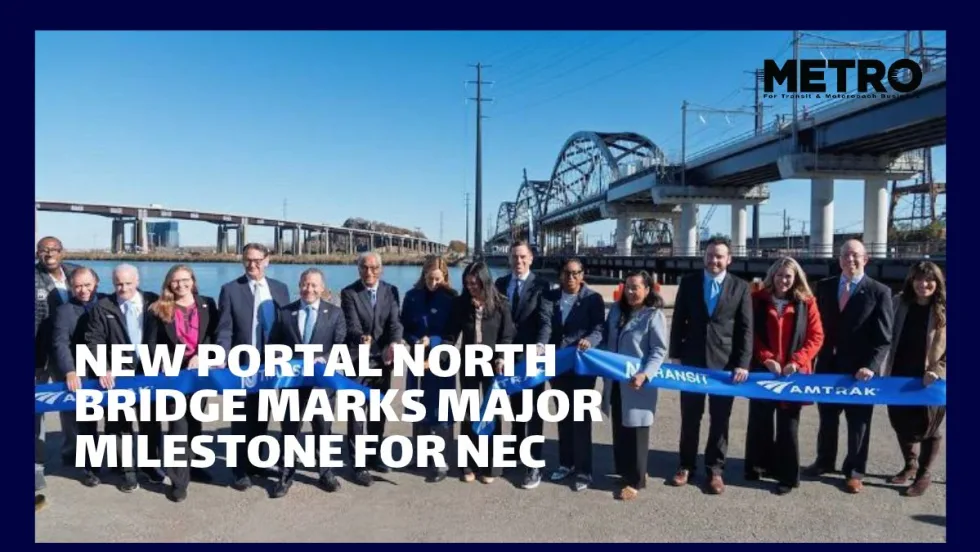
Amtrak, NJ TRANSIT Launch Full Service on New Portal North Bridge
The completion of the two-track bridge over the Hackensack River eliminates a longstanding source of delays for NJ TRANSIT and Amtrak customers. It marks a major milestone for the Gateway Program.
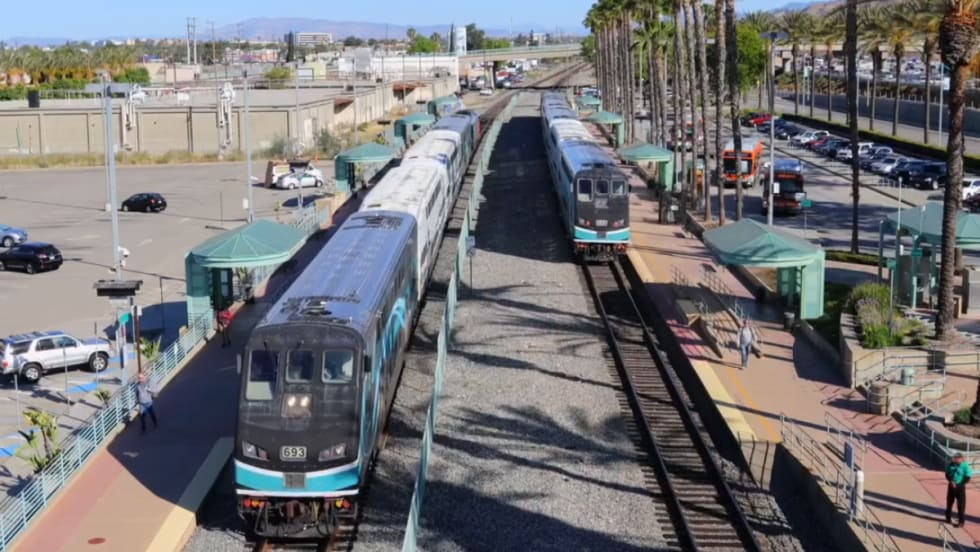
Southern California’s Metrolink Approves $508.8M Budget, Avoids Service Cuts
A $20 million state allocation allows the regional rail agency to maintain existing weekday and weekend service through fiscal year 2028, although longer-term funding challenges remain.
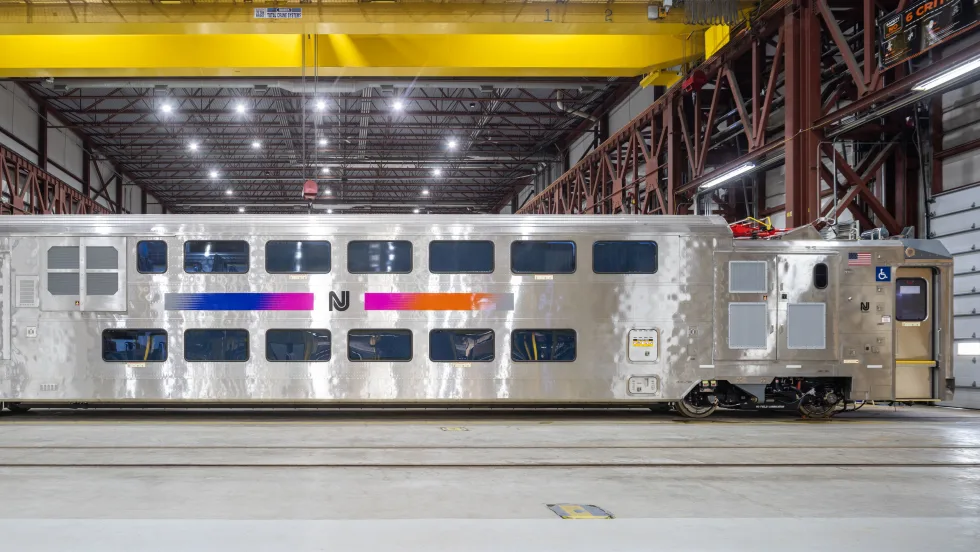
NJ TRANSIT Approves $65.6M for Hudson-Bergen Light Rail Improvements
The funding marks the first phase of a planned $250 million investment over five years to modernize stations, overhaul vehicles, and improve system reliability and passenger safety.

STraffic Expands North American Presence with Fare Collection Technology
John Moon, Associate Director, Product Strategy at STraffic, discusses the company's growth in North America, its efforts to reduce fare evasion, and more.