
Metro Magazine

 MENU
 SEARCHMENUSEARCH
Loading data...

The Citadis LRVs will operate on an entirely new line, with a dedicated right-of-way separated from traffic.
Read More →



Since it entered service, Citadis has continuously evolved to incorporate the latest technological innovations including the introduction of alternatives to overhead power lines.
Read More →The features include a 100% low floor design and the ability to operate at speeds of up to 65 mph.
Read More →Trams feature a low floor to provide easy access for persons with reduced mobility, air conditioning, video surveillance, visual information displays and spoken announcements.
Read More →The first tram will complete a series of track tests by the end of July 2014 to be ready for the commercial launch of the tram service in early September 2014.
Read More →Will also provide training, repair equipment and warranty services. The contract includes an option for 15 additional vehicles.
Read More →The delivery is part of NET phase 2, a project to expand Nottingham’s tramway network with the construction of two new lines totaling approximately 10 miles and 29 stations.
Read More →The Songjiang district plans to build six tramway lines by 2020. The 30 Citadis trams will run on the two first lines, T1 and T2, that will cover a total distance of 31 kilometers and include 42 stations. These two lines are expected to be in operation by 2017 and transport 173,000 persons per day. In total, the city of Shanghai plans to build 800 km of tramway network by 2020[2].
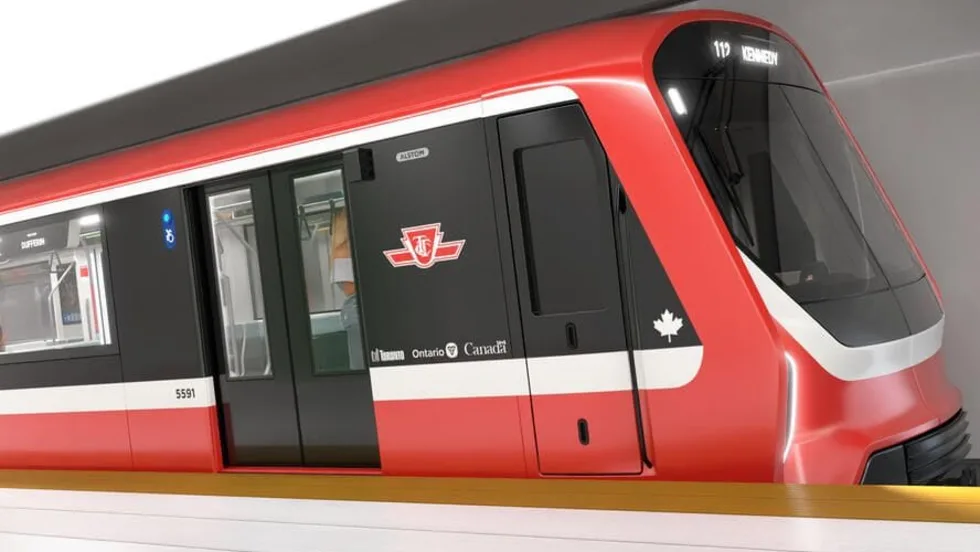
Read More →Manufactured and tested in Canada, the vehicles will operate in tandem with a cutting-edge signaling system also supplied by Alstom.
Read More →They will serve the Illkirch-Graffenstaden town center, which has considerably been expanded over recent years and will also run on the cross-border line linking the center of Strasbourg in France with Kehl in Germany.
Read More →