
Metro Magazine

 MENU
MENU SEARCHMENUSEARCH
Loading data...

With a focus on measuring and making improvements on the fly, the Richmond, Va.-based operation has built one of the most reliable and well-run operations in the industry.
Read More →
The U. of Minnesota Morris found a trucking firm that mandated treatment for its drivers with the condition saved significantly on non-OSA-program medical insurance costs.
Read More →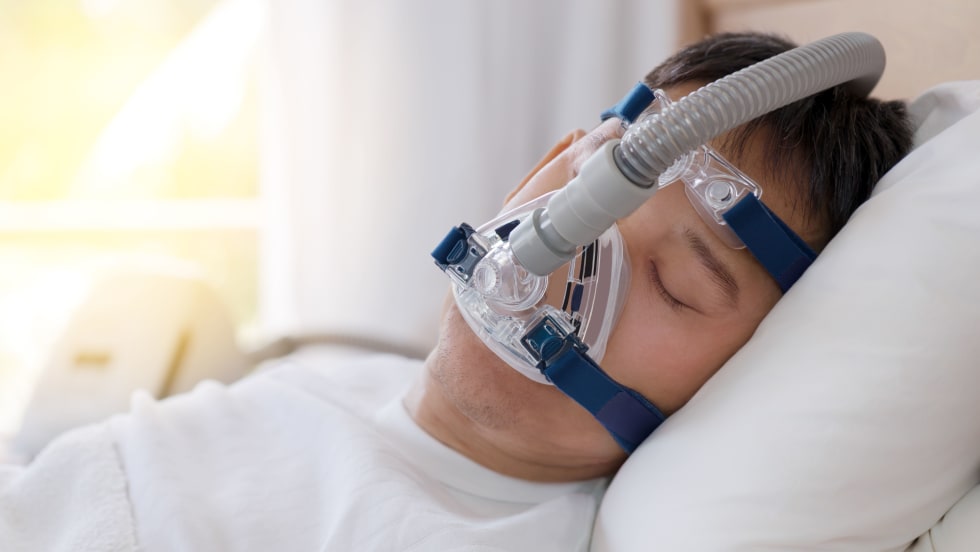
Sleep apnea is a common disorder affecting nearly 12% of the U.S. population, in which airway blockages cause shortened breaths or pauses in breathing while one sleeps.
Read More →
Sleep loss leading to human fatigue is a serious issue affecting the safety of the traveling public in all modes of transportation. Simply defined, sleep loss is an inability to receive a proper amount and quality of sleep on a regular basis.
Read More →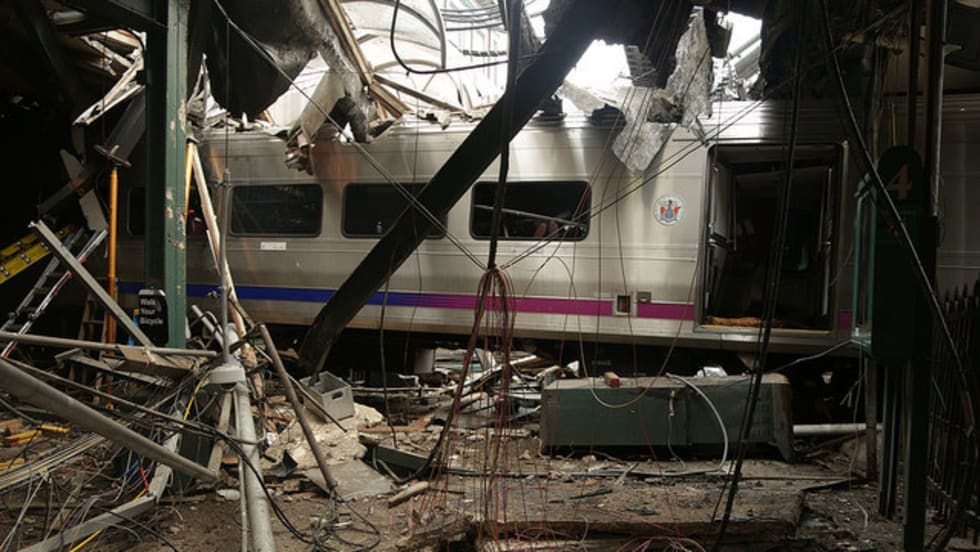
The NTSB also determined that these safety issues were not unique to these two properties, but exist throughout the country at many intercity passenger and commuter passenger train terminals.
Read More →
In response to a deadly September 2016 train crash, the agency updated its screening process for sleeping disorders.
Read More →
Rail Operations is currently in the process of replacing all stub end tracks at Hoboken Terminal with new sliding friction bumper blocks, as well as advancing a speed control system for trains entering Hoboken Terminal.
Read More →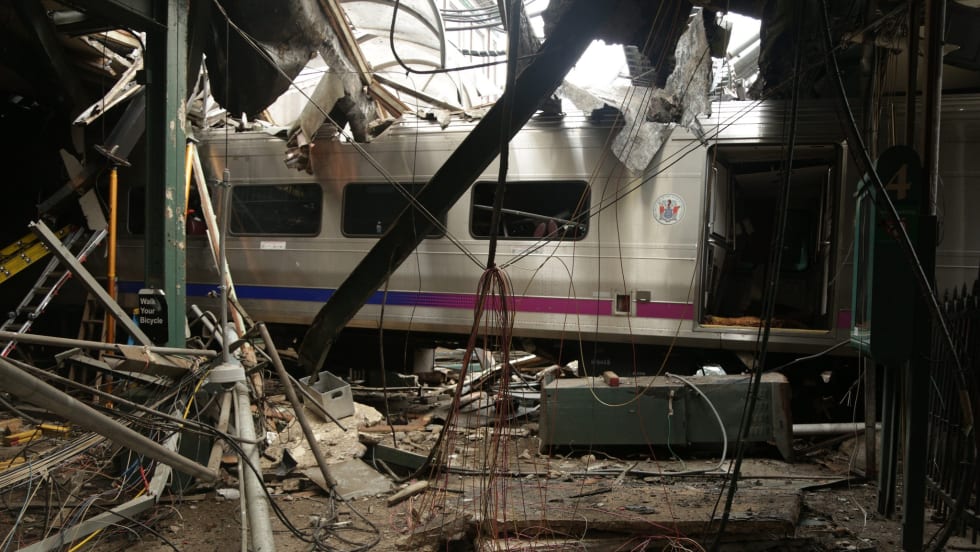
Similarities were immediately drawn between the crashes, but after months of investigating, the NTSB now believes sleep apnea was involved in both.
Read More →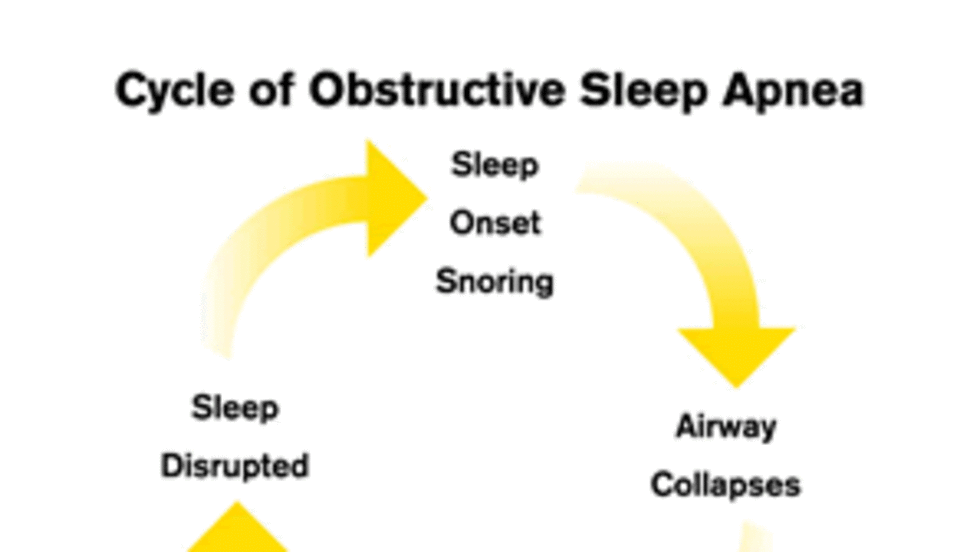
In their joint announcement, the two federal agencies said they'd encourage trucking and rail companies to voluntarily screen employees involved in safety-sensitive work, such as truck drivers and train engineers, for sleep apnea.
Read More →
Employees who are deemed at risk based upon the screening will be referred for further testing and potential diagnosis and treatment.
Read More →