



N.C. to allow buses to drive on highway shoulders
New program to allow buses to travel on the shoulders of selected highways in times of heavy traffic congestion to help maintain transit schedules and bypass problem areas. They would only be allowed to use the shoulders when travel speed in the highway lanes fell below 35 miles per hour.

North Carolina-based Triangle Transit buses using I-40 in the Research Triangle Park area in Durham County can begin traveling down the road on the highway’s shoulder on July 16 to get past congested traffic.
The North Carolina Department of Transportation and Triangle Transit have created the state’s first "Buses on Shoulders System" (BOSS) program to allow buses to travel on the shoulders of selected highways in times of heavy traffic congestion to help maintain transit schedules and bypass problem areas.
They would only be allowed to use the shoulders when travel speed in the highway lanes fell below 35 miles per hour. Buses are also not allowed to go faster than 15 miles per hour than the traffic they are passing and never go faster than 35 miles per hour when on the shoulder.
The idea is based on a similar program that has been in use in Minnesota for more than 20 years. It is also in place in at least 10 other states, including Virginia and Georgia.
The benefits include shorter and more predictable and reliable transit times, fewer missed connections for bus riders, reduced driver overtime, potential increased ridership and decreased operational costs for the bus service.
Special training for Triangle Transit bus drivers who will be using the shoulders on their routes is under way. The total length of the pilot is approximately 20 shoulder-miles.
The BOSS program will involve four Triangle Transit routes. Only Triangle Transit buses with specially trained drivers will be permitted to travel on the shoulders during periods of congestion during this pilot program. These drivers will have the option, but not the requirement, of operating on the shoulders in congested conditions. Even if traffic is moving slower than 35 mph, it is up to the bus driver to determine if and where to use the shoulder, depending on their judgment of the safety conditions.
The BOSS program is not limited to being in use just during rush hour congestion. It could be activated during major traffic backups associated with weather, accidents or other incidents. However, buses operating on the shoulder have to yield to all other vehicles that may end up on the shoulder in cases of an accident, breakdown or other incident. That having been said, unattended vehicles will be rapidly towed away from shoulders in the pilot area.
Once it is determined the system is successful, it could be expanded to other important commuter bus routes in the area. It could also be expanded to other cities in the state.
The development of BOSS is a project by the I-40 Regional Partnership, an organization whose goal is to improve the mobility along I-40 and related highway routes in the Research Triangle area. Its members include the N.C. Department of Transportation; the Federal Highway Administration; Triangle Transit; the cities of Raleigh, Durham, Cary and Chapel Hill and their related transit authorities; N.C. State and Duke; the Raleigh-Durham Airport Authority; Wake, Durham and Orange counties; and area Metropolitan Planning Organizations.
More information on the BOSS program can be found here. Added background on the I-40 Regional Partnership organization can be found here.
More Bus
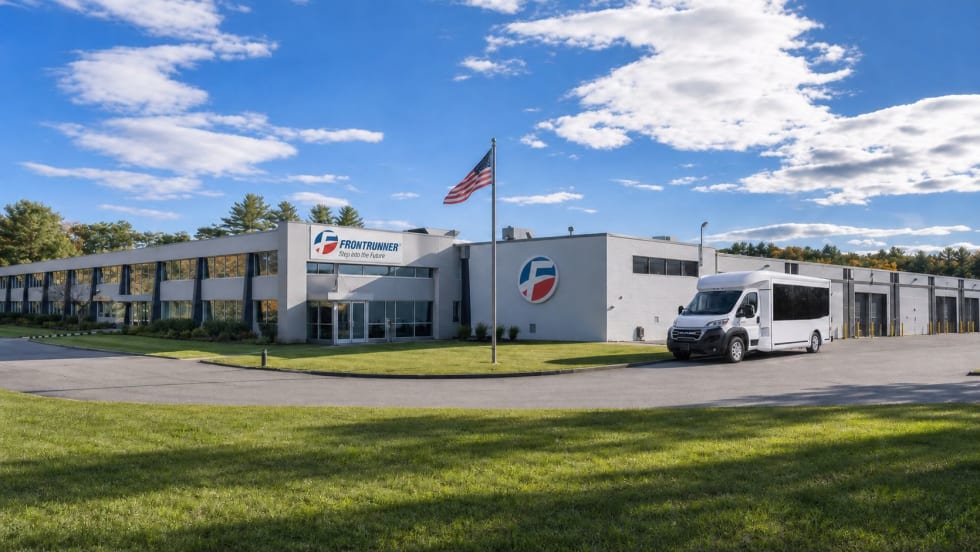
Frontrunner Bus Group Expands with New Massachusetts Headquarters
The significantly larger facility will provide the infrastructure needed to support the company’s growing workforce, advanced technologies, and expanding product line.
Read More →
Joshua Schank on Transportation Innovation, Risk, and the Future of Mobility
In this edition of METROspectives, Joshua Schank discusses lessons from launching LA Metro’s Office of Extraordinary Innovation, the challenges of advancing new mobility technologies, and much more.
Read More →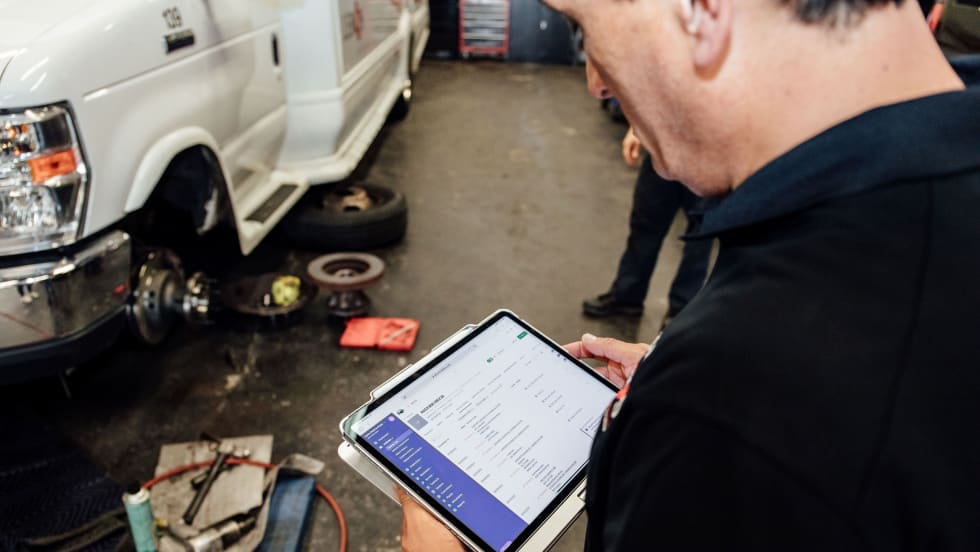
Reinventing Fleet Maintenance with Real-time Visibility and AI
Transit leaders need to know what needs fixing, where to look, who is responsible, when work is completed, and what it costs without having to chase information across disconnected systems.
Read More →
SamTrans Sets Priorities for Potential Connect Bay Area Revenue
The board-approved framework allocates future funding to maintaining service, rider improvements, equity initiatives, and infrastructure repairs.
Read More →
When Routine Fails: How Public Transit Must Adapt for the World Cup
The 2026 FIFA World Cup will test transit agencies’ ability to manage unpredictable travel patterns, making real-time data and operational flexibility critical to moving millions of visitors efficiently.
Read More →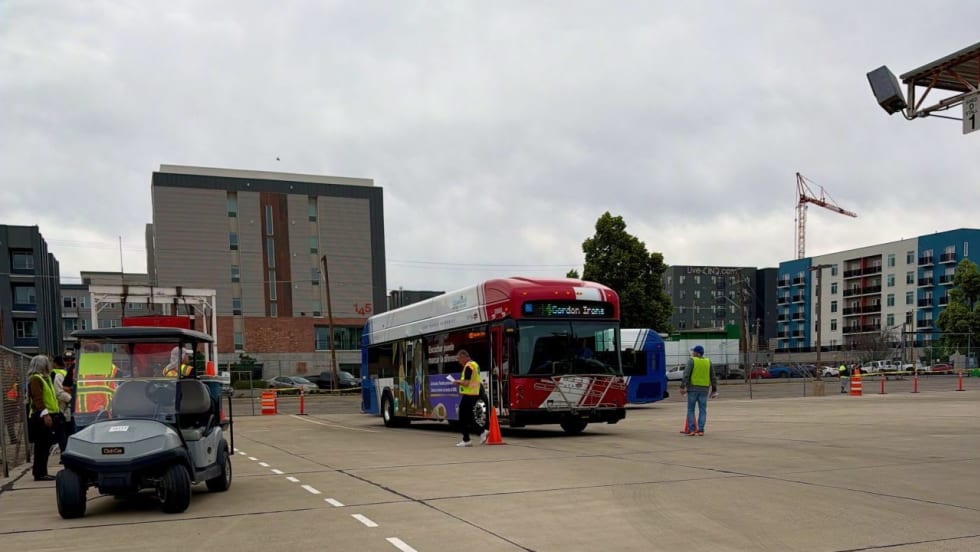
Photo Highlights from APTA's 2026 Mobility Conference
The photo gallery captures scenes from the conference, including the International Bus Roadeo, exhibit hall activities, the Bus Showcase, and much more.
Read More →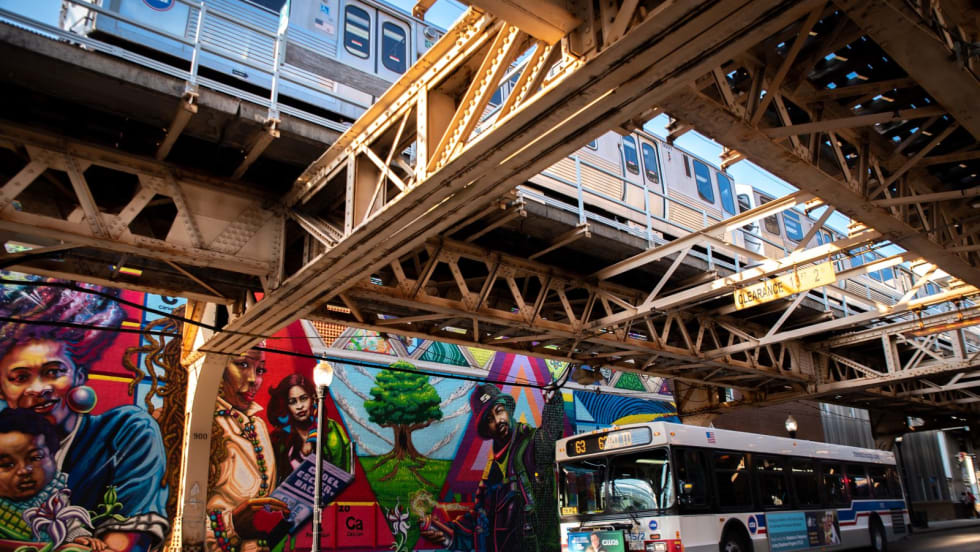
Chicago's NITA Act Moves Into Next Phase as Service Improvements Begin
Rider-focused improvements will begin rolling out across the system immediately as CTA, Metra, and Pace increase service this summer in the six-county region.
Read More →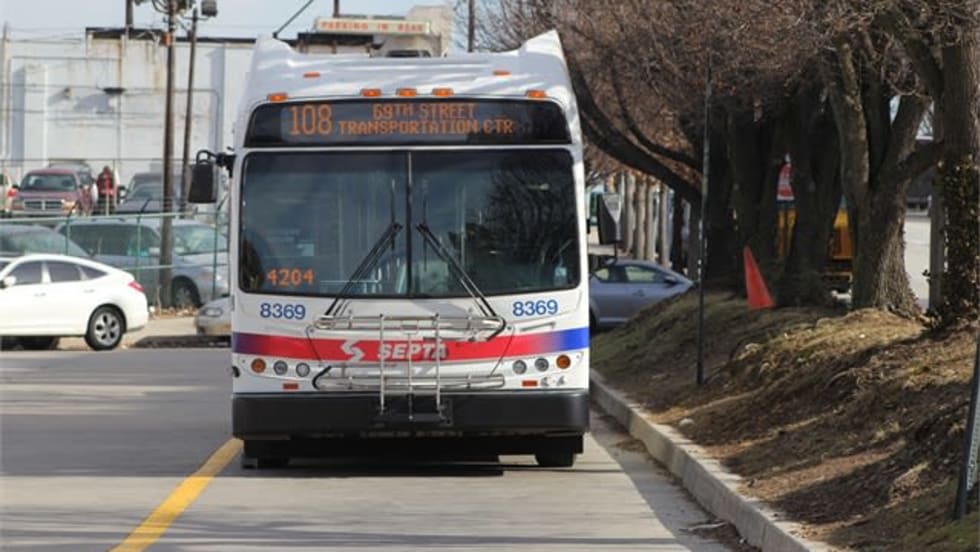
Philadelphia's SEPTA Approves Annual Transit Service Plan
Between 2021 and 2024, SEPTA held more than 200 public meetings — including 144 in-person sessions — throughout the SEPTA service region.
Read More →
A True Low-Floor Minibus Design Delivers Better Accessibility and Efficiency for Everyone
As transit demands evolve, so should your fleet. Download the whitepaper to see how the Low-Floor Frontrunner Minibus compares to traditional options.
Read More →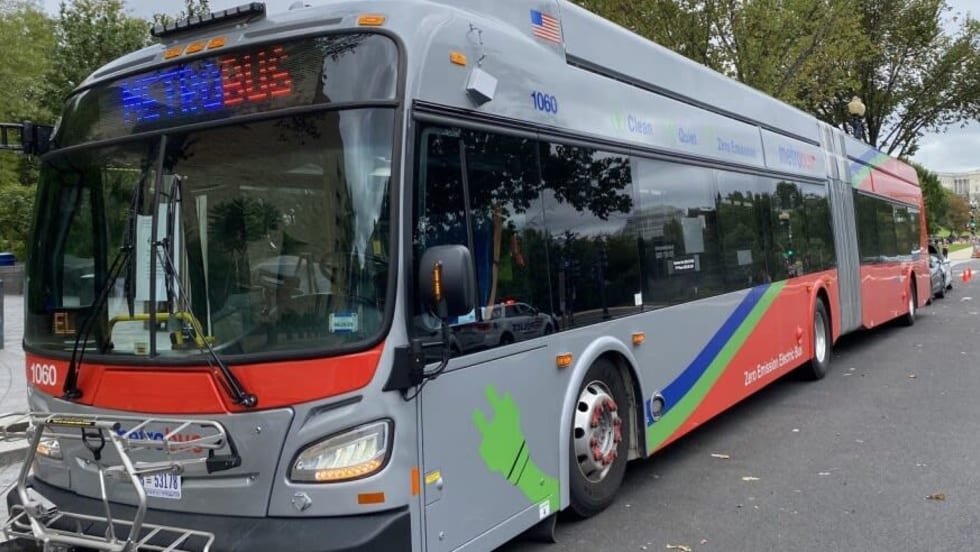
WMATA Debuts 'Fares Pay for Service' Awareness Campaign
The campaign was highlighted during a media event at the Paul S. Sarbanes Transit Center in Silver Spring, where WMATA’s GM/CEO Randy Clarke joined Metro Transit Police officers, WMATA management team, board members, and staff to expand fare enforcement and customer education efforts on Metro Bus routes throughout the region.
Read More →