



Largest hydrogen fuel cell transit bus fleet to serve 2010 Winter Olympics
The hydrogen fuel cell transit buses underwent cold chamber testing at a facility in Ottawa in order to meet the requirements of operating in -20˚C temperatures. The vehicles also had to achieve a range of 500 km.
BC Transit, headquartered in Victoria, British Columbia, will debut a fleet of 20 hydrogen fuel cell transit buses during the 2010 Winter Olympic games, being hosted in Vancouver and Whistler. The first vehicle in the fleet was unveiled Oct. 2, following Premier Gordon Campbell's closing remarks at the Union of British Columbia Municipalities convention.
"We received funding from our federal and provincial governments for this hydrogen fuel cell demonstration fleet," said Joanna Morton, BC Transit spokesperson. The first bus is undergoing testing in Victoria and will go into revenue service in mid-November. The 19 other buses are in production at New Flyer's Winnipeg facility and will be rolling out through January.
"It's by far the most commercially viable hydrogen hybrid available on the market," ISE Corp. CEO/President Rick Sander said. "BC Transit wanted to develop and validate the design to a much higher standard than what had been delivered in the market to date."
New Flyer was the prime contractor and supplier of the bus chassis. ISE purchased Ballard fuel cells and completed integration engineering for the drive system, as well as design and engineering of energy storage, the fuel cell cooling system, controls and software.
"The fuel-cell buses will be stationed in a new, state-of-the-art facility in Whistler that will include hydrogen-safe maintenance bays and fueling infrastructure allowing for fast filling of the vehicles targeting 10 minutes," said Tavin Tyler, director of ISE's fuel cell bus programs.
Component technology
"This is now our third-generation fuel cell hybrid bus development," said Tyler. "With a 20-bus build, we are able to address weight reduction, performance, quality assurance and cost reduction, turning the corner from prototypes into production-ready units."
The 40-foot bus features the 150-kilowatt fuel cell from Ballard, ISE's hybrid-electric drive propulsion system design; hardware components from Siemens and a lithium ion-based energy storage system. Compressed hydrogen is stored at up to 5,000 psi in six hydrogen cylinders on the roof. Braking resistors reduce brake pad maintenance, improve operator handling and aid in heating capacity for passenger comfort.
"At the center of it all is the latest ISE hybrid energy management system, which includes improvements in the power flow management between the fuel cell, energy storage system and drive motors," Tyler said. "We're kind of in the middle of it all, moving the energy around and in the most effective manner to the drive motors."
The whole system is assembled in what ISE calls a cradle that rolls into the back of the chassis, Tyler explained. "It's very much incorporated into New Flyer's production line. We needed a smooth interface and a clean transition to the bus OEM's production line, which ultimately moves us to a commercially ready product."
Testing and validation
In testing performance criteria, Tyler said the buses had to achieve a vehicle range of approximately 500 km and minimum acceleration of zero to 50 kmph in 20 seconds in order to match traditional transit buses. The hydrogen fuel-cell vehicles were also tested to handle an eight-percent constant grade and a 20-percent grade from a stop.
The vehicles also had to meet Canadian road worthiness standards. "Those codes and standards are not formalized yet for hydrogen vehicles," Tyler noted. ISE chose to designate SAE and ISO standards as benchmarks, as well as BC Transit safety authority regulations and EMI (electromagnetic interference) testing standards.
Of particular importance for buses destined for service in Whistler was cold chamber testing, which was conducted in Ottawa. "For fuel-cell technology, cold weather operation has always been challenging," Tyler said. The vehicles underwent overnight cold chamber soaks to -20˚C in order to simulate overnight conditions in Whistler. Testing encompassed defroster system effectiveness and cabin temperatures. ISE also tested performance driving on a dynamometer in a -20˚C environment.
"Generating heat is a substantial challenge for fuel cell vehicles because they're so efficient they don't give off a lot of waste energy," Tyler said. "Additional electric heaters and other algorithms needed to be incorporated. That was one of the lessons we learned and incorporated into the production models after the cold chamber testing."
ISE also worked to minimize the weight of the vehicle, due to the size of the fuel cell and hydrogen tanks, to avoid encroaching on cabin space and reducing the number of passengers.
Future investment
"The performance criteria - acceleration, range, noise reduction, temperature - now are comparable to or exceed diesel buses," Tyler said. ISE will be monitoring system durability under what Tyler explained is one of the longer warranty offerings for any fuel cell program already in the marketplace. "As far as feel and performance of the vehicle and how it can move down a production line, I think big leaps were made to allow this technology to continue forward for other transit agencies."
For transit agencies looking to incorporate fuel-cell vehicles into their fleets, Tyler identified cost as the next challenge to be overcome. "When you get to a production level of 20, that's a start and it allows for that first level of cost reduction to be incorporated," he said.
"When we started several years ago, a hydrogen bus may have been a $5 million investment," Sander said. "It's now probably dropped, at volumes of 20 or more, to below $2 million. It's still quite expensive, but it is getting into the area where more agencies want to bring in a few vehicles and start promoting that volume to bring the price down even further."
More Bus
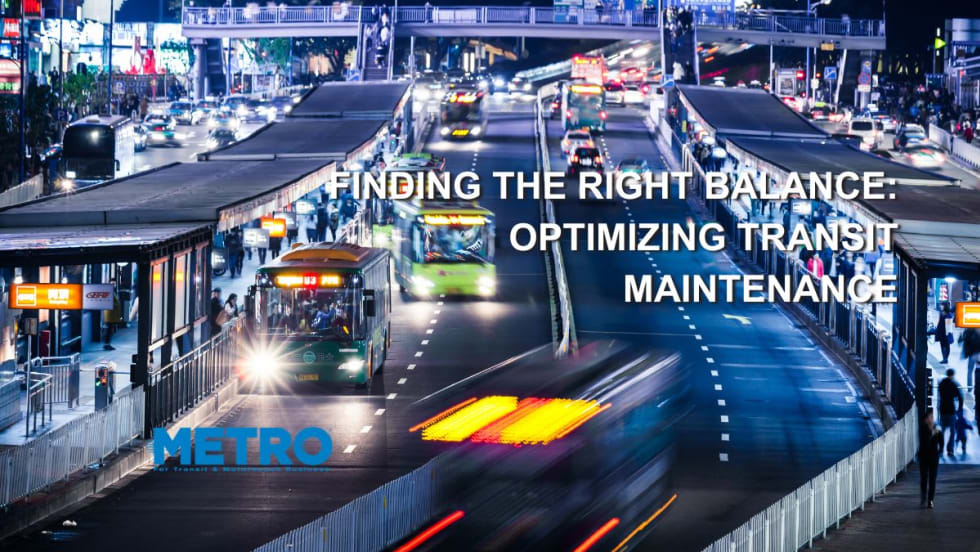
Finding the ‘Happy Medium’: Optimizing Maintenance Without Sacrificing Reliability
The key to maintenance optimization isn’t doing less work—it’s doing the right work at the right time on the right assets.
Read More →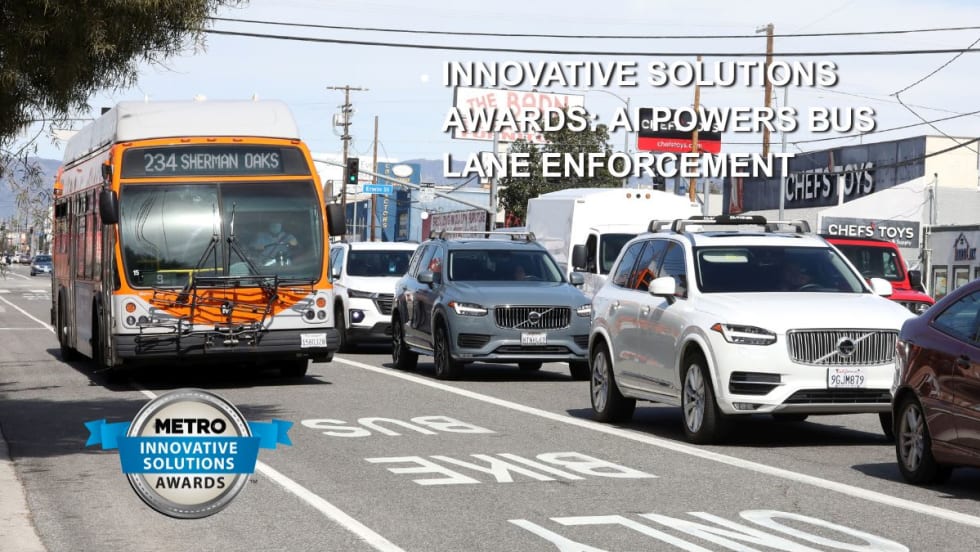
LA Metro, City of West Hollywood, and Partners Advance Smarter Bus Lane Enforcement
The award-winning partnership combines AI-powered detection with human oversight to improve bus reliability, accessibility, and enforcement efficiency.
Read More →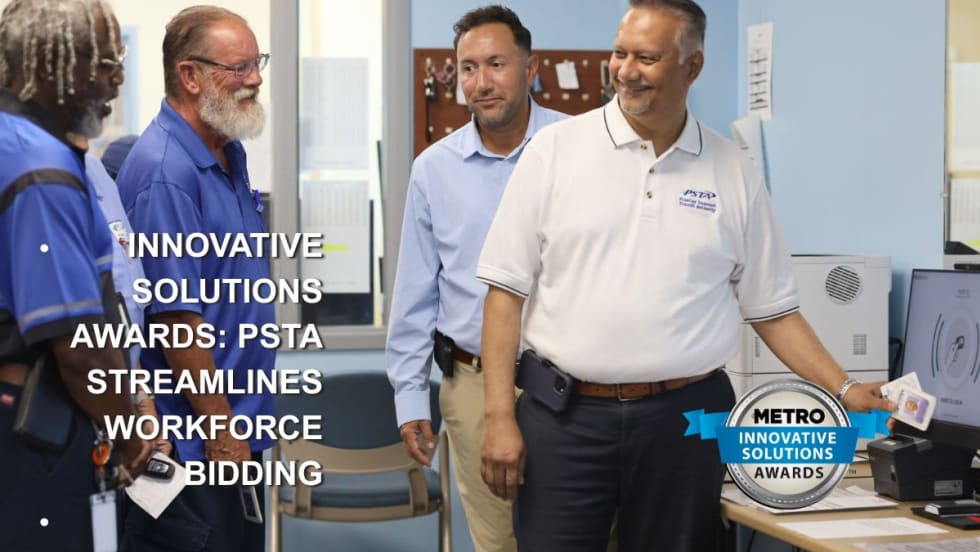
PSTA Modernizes Workforce Management with Digital Bidding System
The award-winning Workforce Transit Modernization project replaced paper bidding with a transparent digital platform, cutting administrative effort while improving access for operators.
Read More →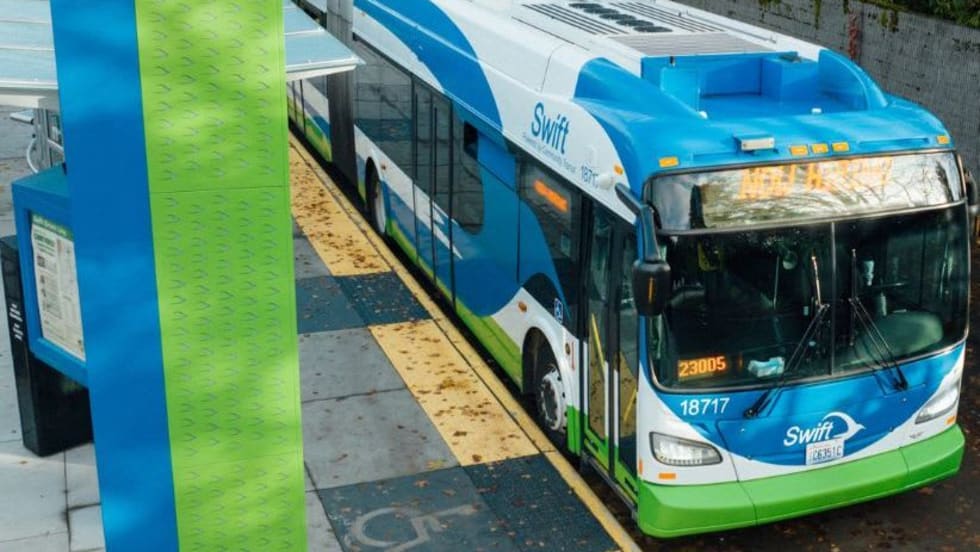
Washington's Community Transit Sets Six-Year Roadmap for Growth, Expansion
Approved TDP targets more bus service, new mobility options, Swift BRT expansion, and a potential Everett Transit annexation.
Read More →
DART Customer Satisfaction Reaches Six-Year High
Overall satisfaction rose to 74.9%, while the agency’s Net Promoter Score reached a record 33.7.
Read More →
How DART's GoPass Is Redefining Regional Mobility
Serving 14 transit agencies, GoPass simplifies multimodal travel by allowing riders to plan, pay for, and manage an entire trip through one app.
Read More →
Biz Briefs: OCTA Taps Clean Energy for Hydrogen Station, Stadler to Supply Via Rail Vehicles, and More
From manufacturers and suppliers to transit agencies and motorcoach operators, these updates offer a snapshot of the projects, partnerships and business moves driving the industry forward.
Read More →
METRO Magazine Announces 2026 Innovative Solutions Awards Winners
Projects Recognized for Advancing Mobility Through Technology, Accessibility, Workforce Innovation, and Operational Excellence
Read More →
Biz Briefs: STV teams with Amtrak, Motorcoach Operators Boost Fleet and Land Contracts, and More
From manufacturers and suppliers to transit agencies and motorcoach operators, these updates offer a snapshot of the projects, partnerships and business moves driving the industry forward.
Read More →
LA Metro Marks Banner Year, Sets Ambitious Goals for New Fiscal Year
Incoming LA Metro Board Chair and Los Angeles Mayor Karen Bass joined outgoing Board Chair Fernando Dutra and LA Metro CEO Stephanie Wiggins to review accomplishments from fiscal year 2026, which included the opening of new rail extensions, advancement of major transit projects, expanded safety programs, and new rider amenities.
Read More →