



Now more than ever, tell Congress to pass the longest authorization possible
How Congress and the administration respond to these demands of a lengthier extension or a full six-year renewal of federal law may determine the future of the industry as we know it.
As I mentioned in our last issue, both the Senate and the Obama administration would rather pass an 18-month extension to the current federal surface transportation law and address reauthorization of its programs at the end of this year at the earliest.
However, Congressman James Oberstar (D-Minn), chair of the House Transportation and Infrastructure Committee, is demanding that something be done earlier. The Highway Trust Fund is now collecting only enough money to fund the highway program for six months to eight months at a time, so Congress has been settling for extensions of a few months at a time.
The result is a stand-off, and the stalemate is slowly killing the public transportation industry. It means that long-term investments, such as those for new bus and railcar orders, new rail and BRT lines, and maintenance facilities, get put on hold until a multi-year law gets passed.
We have seen this movie before. The last time that a new authorization bill was passed, we saw more than two years of very short extensions. Several leaders of the industry's supply side said it was one of the major factors contributing to a near depression - a 40 percent drop in business by one count - in the industry; the other major factor was a cutback in state and local transit spending. Some shifted their business abroad - including U.S. companies.
Of course, cities and states are in even worse shape now than they were then. Transit agencies are being hit even harder as a result. Nine out of ten are either cutting service, laying people off, raising fares or all of the above. Before implementing any of the aforementioned measures, of course, most systems are canceling or delaying capital procurements.
Both business leaders and transit agency heads say that if this situation continues, it will be very difficult for the industry to return to the pre-recession days. That's because the public will have simply lost faith that systems can be saved the way they are, or because many of the suppliers will go away. So much for this part of the "new green economy" that President Obama wants.
Action requires passion
As I also pointed out last month, the American Public Transportation Association's (APTA) new communications campaign has begun to "Tell Our Story" to members of Congress, the media and the general public. While the stories of how the industry can contribute to green jobs - and the economic cliff the industry is fast approaching - these stories must now come with urgent calls to stop playing politics.
We are now past stories. The APTA Business Members are organizing a series of urgent calls and visits to members of Congress in the next few weeks. How Congress and the administration respond to these demands of a lengthier extension or a full six-year renewal of federal law may determine the future of the industry as we know it.
More Bus
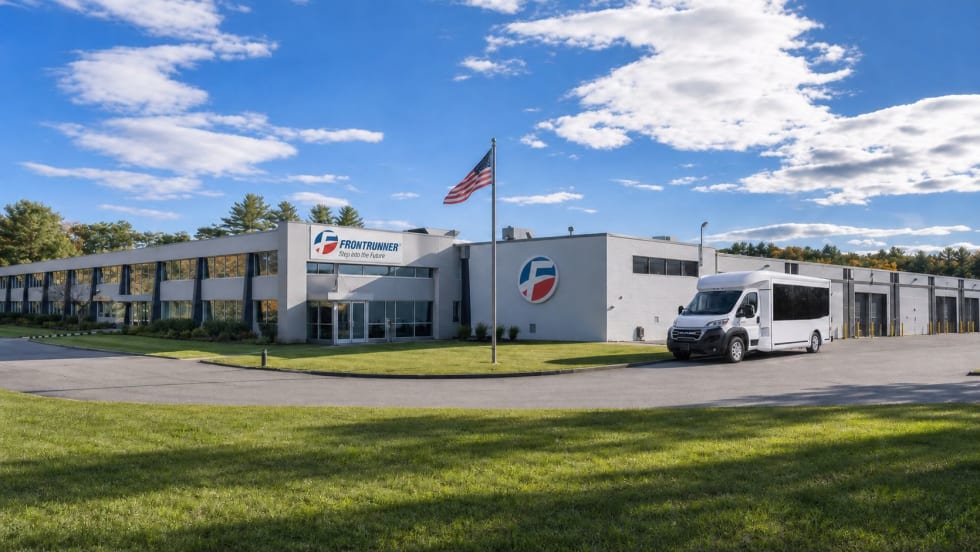
Frontrunner Bus Group Expands with New Massachusetts Headquarters
The significantly larger facility will provide the infrastructure needed to support the company’s growing workforce, advanced technologies, and expanding product line.
Read More →
Joshua Schank on Transportation Innovation, Risk, and the Future of Mobility
In this edition of METROspectives, Joshua Schank discusses lessons from launching LA Metro’s Office of Extraordinary Innovation, the challenges of advancing new mobility technologies, and much more.
Read More →
Reinventing Fleet Maintenance with Real-time Visibility and AI
Transit leaders need to know what needs fixing, where to look, who is responsible, when work is completed, and what it costs without having to chase information across disconnected systems.
Read More →
SamTrans Sets Priorities for Potential Connect Bay Area Revenue
The board-approved framework allocates future funding to maintaining service, rider improvements, equity initiatives, and infrastructure repairs.
Read More →
When Routine Fails: How Public Transit Must Adapt for the World Cup
The 2026 FIFA World Cup will test transit agencies’ ability to manage unpredictable travel patterns, making real-time data and operational flexibility critical to moving millions of visitors efficiently.
Read More →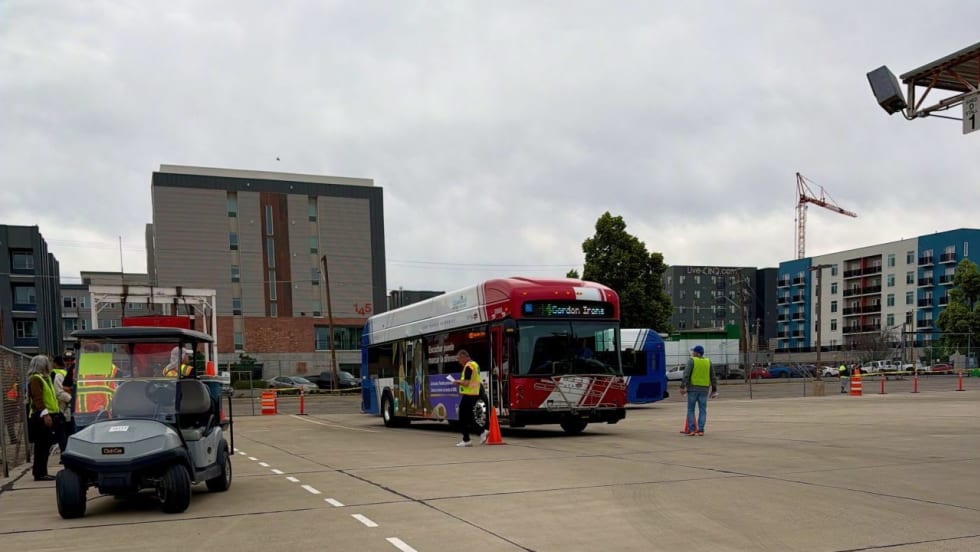
Photo Highlights from APTA's 2026 Mobility Conference
The photo gallery captures scenes from the conference, including the International Bus Roadeo, exhibit hall activities, the Bus Showcase, and much more.
Read More →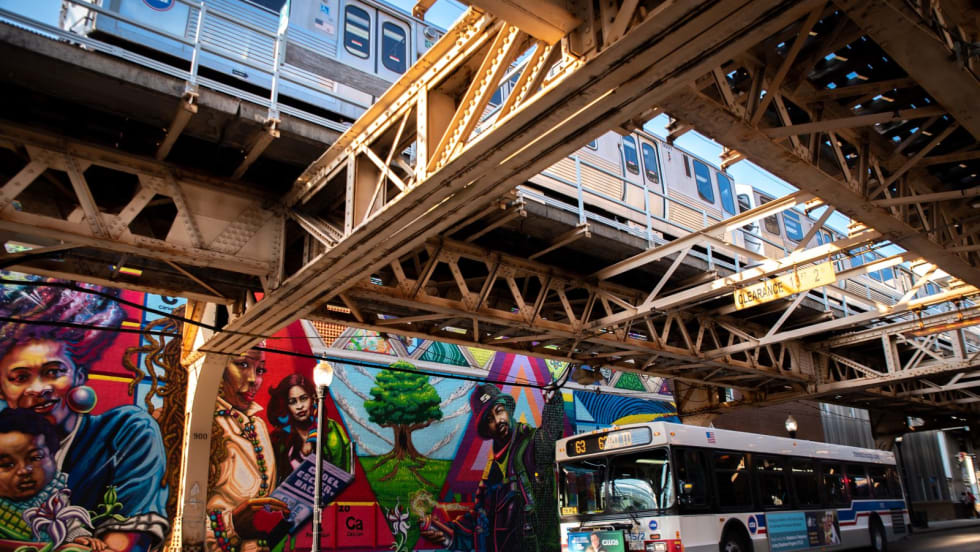
Chicago's NITA Act Moves Into Next Phase as Service Improvements Begin
Rider-focused improvements will begin rolling out across the system immediately as CTA, Metra, and Pace increase service this summer in the six-county region.
Read More →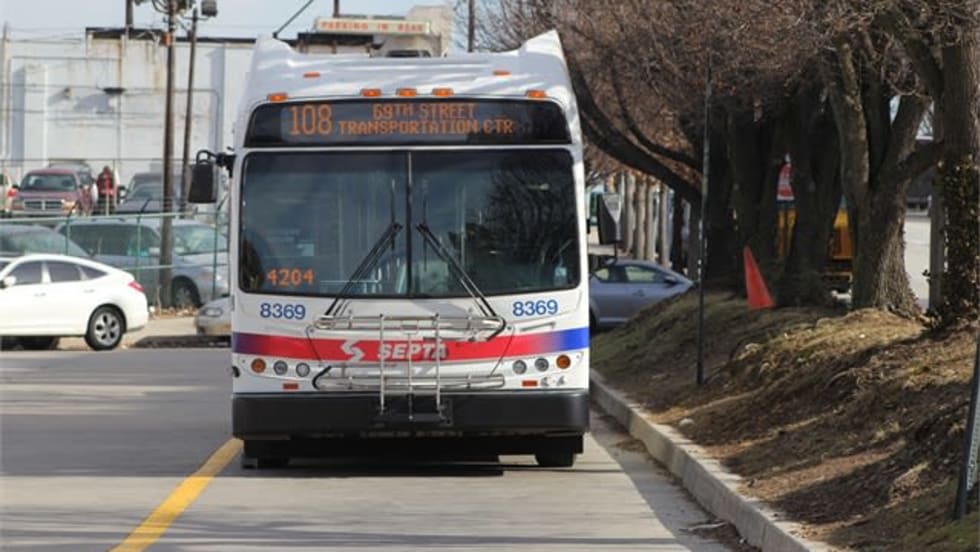
Philadelphia's SEPTA Approves Annual Transit Service Plan
Between 2021 and 2024, SEPTA held more than 200 public meetings — including 144 in-person sessions — throughout the SEPTA service region.
Read More →
A True Low-Floor Minibus Design Delivers Better Accessibility and Efficiency for Everyone
As transit demands evolve, so should your fleet. Download the whitepaper to see how the Low-Floor Frontrunner Minibus compares to traditional options.
Read More →
WMATA Debuts 'Fares Pay for Service' Awareness Campaign
The campaign was highlighted during a media event at the Paul S. Sarbanes Transit Center in Silver Spring, where WMATA’s GM/CEO Randy Clarke joined Metro Transit Police officers, WMATA management team, board members, and staff to expand fare enforcement and customer education efforts on Metro Bus routes throughout the region.
Read More →