



Torrance Transit marks 70 years with new gasoline-electric fleet
The agency hopes to have an all-hybrid bus fleet in place by FY2015/2016.
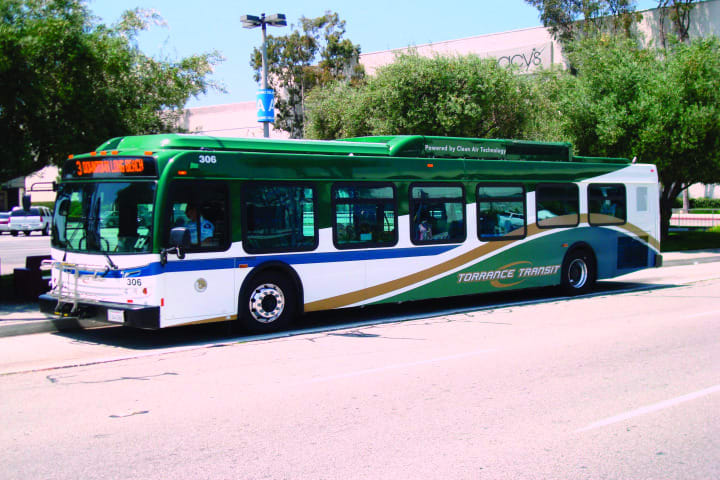
In June, Calif.-based Torrance Transit took delivery of 10 New Flyer gasoline-electric hybrid buses complete with new branding.
[IMAGE]Torrance.jpg[/IMAGE]Purchased as part of the Cooperative Procurement Pilot Program using ARRA funds, Torrance Transit recently rolled out the first of its New Flyer gasoline-elecric hybrid buses in June.
In June, Calif.-based Torrance Transit took delivery of 10 New Flyer gasoline-electric hybrid buses complete with new branding. The new buses are expected to usher in the future, as the agency celebrates its 70th year in operation.
"The year 2010 marks the 70th anniversary of Torrance Transit and, to celebrate this milestone, we elected to modernize our fleet, rebrand our image and kick it all off with the big event we held in June," Transit Director Kim Turner said. "We also have an ongoing marketing campaign to launch the 'new' Torrance Transit."
The 41-foot New Flyer buses, manufactured in St. Cloud, Minn., feature Ford V-10 Triton (gasoline) and ISE Hybrid Drive System (electric) propulsion; are ADA compliant; and seat 38 adult passengers with room for two wheelchairs.
"Our plan is to reduce our carbon footprint with the acquisition of these new buses powered by clean air technology and reduce preventive maintenance costs," Turner said.
The transit agency is currently pursuing an aggressive Fleet Modernization Project to transition its current all-diesel bus fleet - some of which are approaching nearly 18 years in age (and 600,000 miles of service life) - to more environmentally friendly hybrid-electric buses by FY 2015/2016.
In June 2009, Torrance Transit began Phase I of its Three-Phase Fleet Modernization Project. "The overall project cost is roughly $34 million, as gasoline-electric hybrids are approximately $650,000 per vehicle in FY 2010 dollars," Turner said.
In September 2006, Torrance Transit, along with several other transit agencies and cities, entered into a Cooperative Procurement Pilot Program (CPPP) with the City of Montebello to purchase alternative-fueled vehicles.
The CPPP allowed all participating agencies to buy buses at a discount price, requiring only a 10 percent local match, instead of the traditional 20 percent match mandated by the FTA.
"The goal was to take advantage of the economies of scale by creating a larger bidding process that would be more competitive and, ultimately, result in unit cost savings and better use of transit dollars," explained Turner, who added that the first 10 hybrid buses were purchased, in part, with funds from the American Recovery and Reinvestment Act of 2009.
Torrance Transit, which has a fleet of 52 buses, began bus service Jan. 15, 1940, with three leased 1931 Mack-33 buses. In 1986, it moved into a newly constructed 32,000-square-foot facility that houses Torrance Transit's fleet services, operations and administration divisions.
More Bus
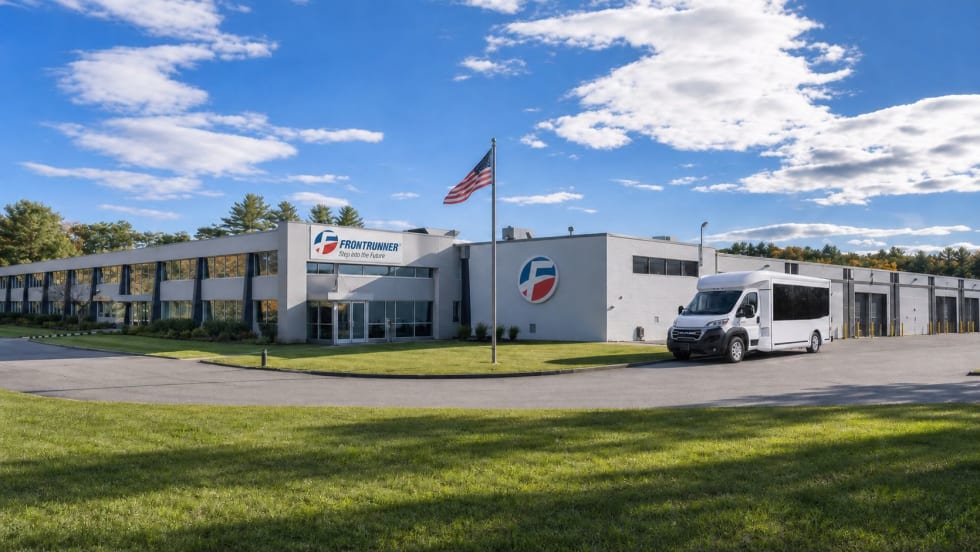
Frontrunner Bus Group Expands with New Massachusetts Headquarters
The significantly larger facility will provide the infrastructure needed to support the company’s growing workforce, advanced technologies, and expanding product line.
Read More →
Joshua Schank on Transportation Innovation, Risk, and the Future of Mobility
In this edition of METROspectives, Joshua Schank discusses lessons from launching LA Metro’s Office of Extraordinary Innovation, the challenges of advancing new mobility technologies, and much more.
Read More →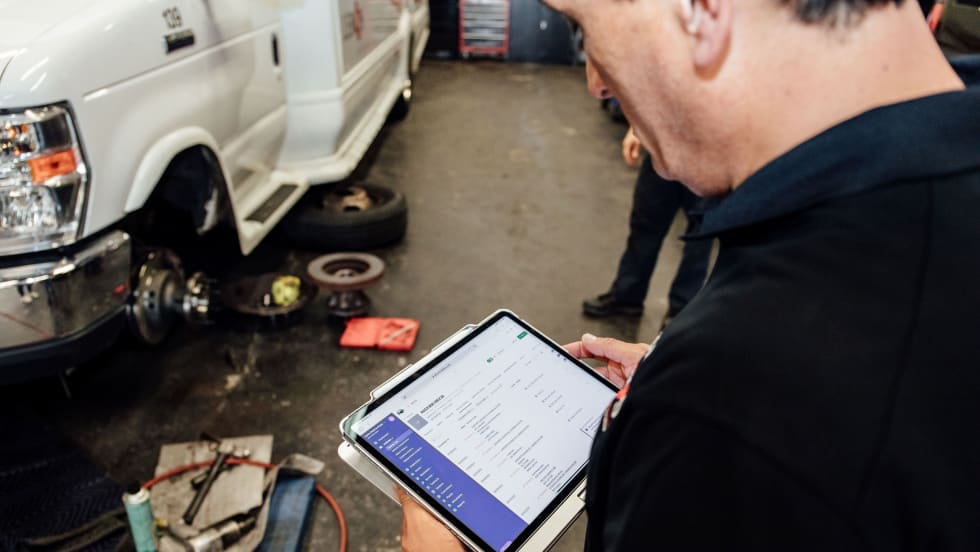
Reinventing Fleet Maintenance with Real-time Visibility and AI
Transit leaders need to know what needs fixing, where to look, who is responsible, when work is completed, and what it costs without having to chase information across disconnected systems.
Read More →
SamTrans Sets Priorities for Potential Connect Bay Area Revenue
The board-approved framework allocates future funding to maintaining service, rider improvements, equity initiatives, and infrastructure repairs.
Read More →
When Routine Fails: How Public Transit Must Adapt for the World Cup
The 2026 FIFA World Cup will test transit agencies’ ability to manage unpredictable travel patterns, making real-time data and operational flexibility critical to moving millions of visitors efficiently.
Read More →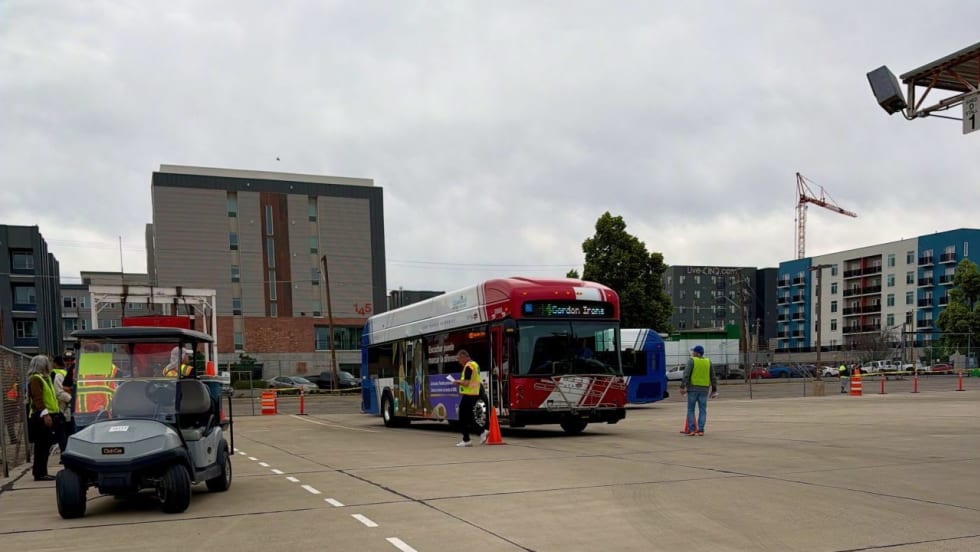
Photo Highlights from APTA's 2026 Mobility Conference
The photo gallery captures scenes from the conference, including the International Bus Roadeo, exhibit hall activities, the Bus Showcase, and much more.
Read More →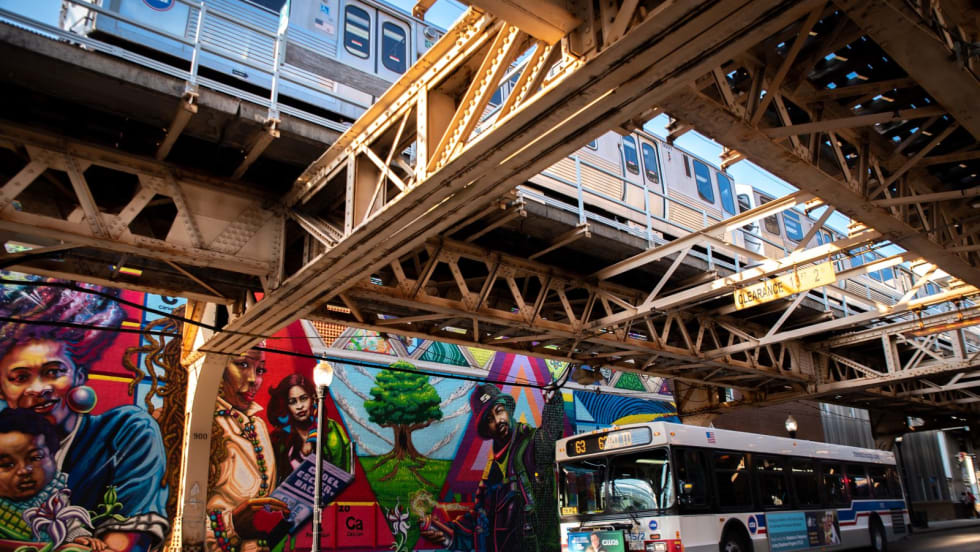
Chicago's NITA Act Moves Into Next Phase as Service Improvements Begin
Rider-focused improvements will begin rolling out across the system immediately as CTA, Metra, and Pace increase service this summer in the six-county region.
Read More →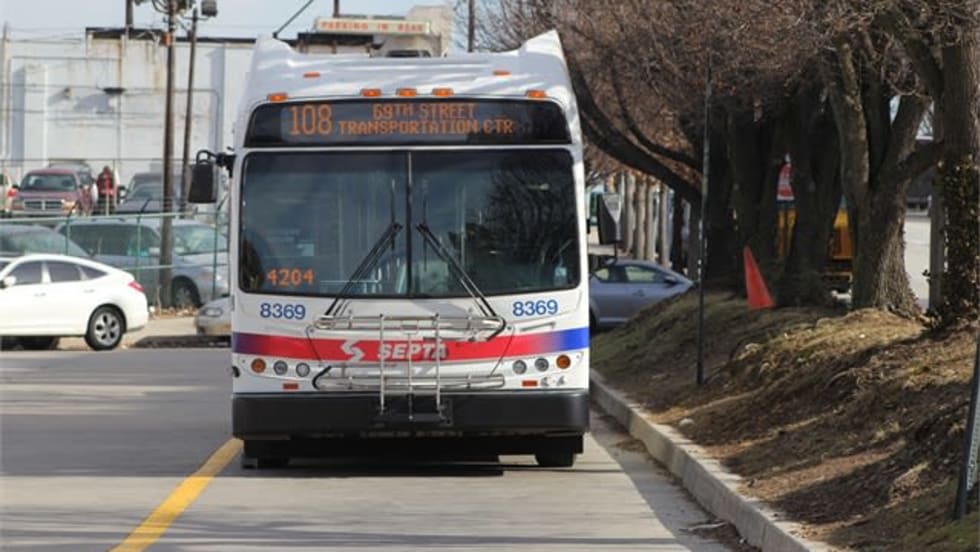
Philadelphia's SEPTA Approves Annual Transit Service Plan
Between 2021 and 2024, SEPTA held more than 200 public meetings — including 144 in-person sessions — throughout the SEPTA service region.
Read More →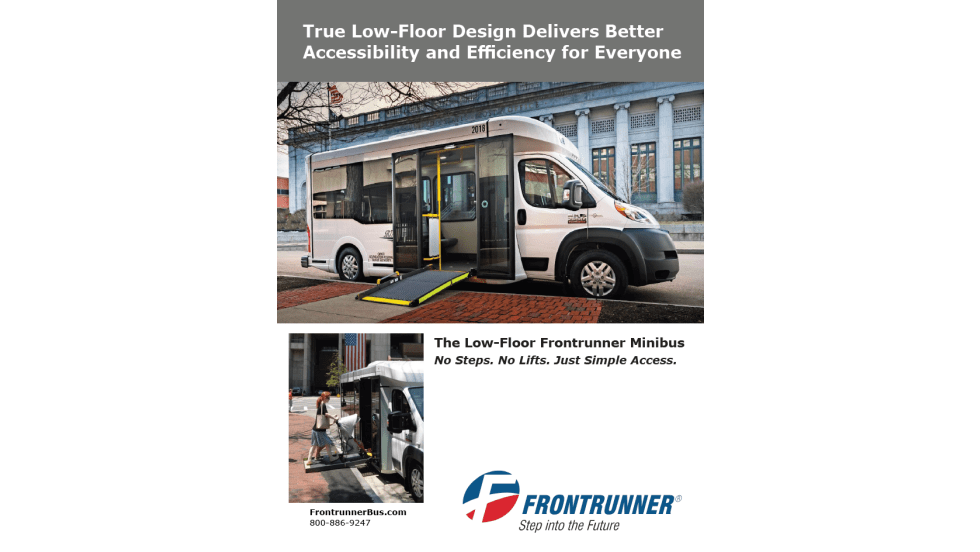
A True Low-Floor Minibus Design Delivers Better Accessibility and Efficiency for Everyone
As transit demands evolve, so should your fleet. Download the whitepaper to see how the Low-Floor Frontrunner Minibus compares to traditional options.
Read More →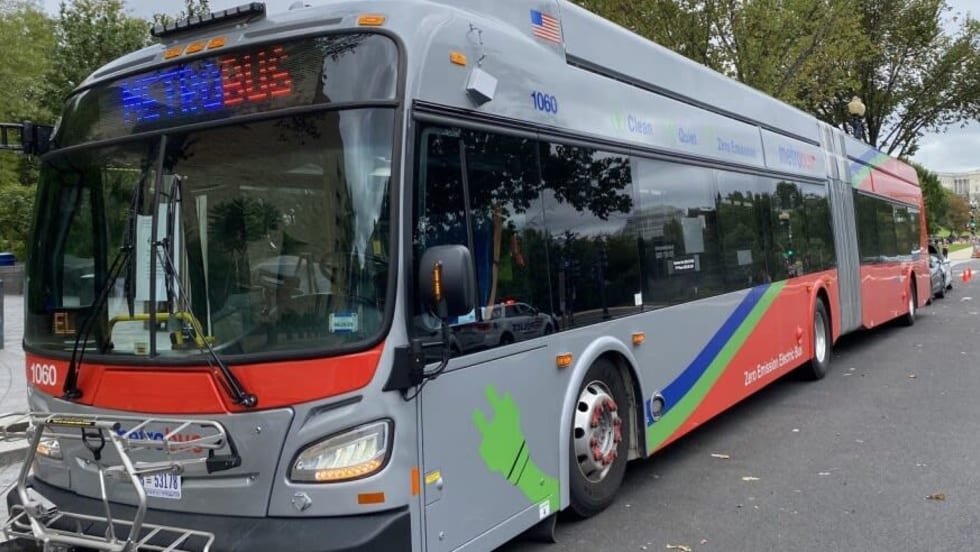
WMATA Debuts 'Fares Pay for Service' Awareness Campaign
The campaign was highlighted during a media event at the Paul S. Sarbanes Transit Center in Silver Spring, where WMATA’s GM/CEO Randy Clarke joined Metro Transit Police officers, WMATA management team, board members, and staff to expand fare enforcement and customer education efforts on Metro Bus routes throughout the region.
Read More →