



Taxis: Paratransit's Valuable Partner
Access Services has used several taxi companies over the years, each meeting its standards for driver training, a background in sensitivity to working with customers with disabilities, and maintenance and upkeep of the vehicles.

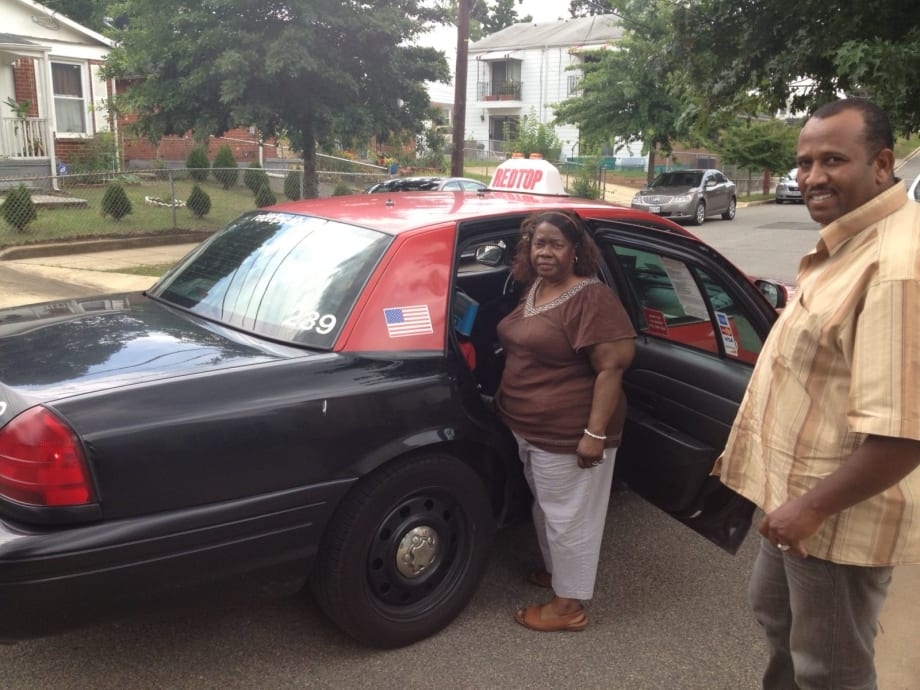
Taxis have been a partner to paratransit services across the country for many years. Washington Metropolitan Area Transit Authority (Metro) has used taxi service to supplement Metro Access Services, its paratransit service, since it began in 1994. Access Services has used several taxi companies over the years, each meeting its standards for driver training, a background in sensitivity to working with customers with disabilities, and maintenance and upkeep of the vehicles.
Access Services covers Washington, D.C.’s eight different political jurisdictions, in addition to the federal government. Each of those cities and counties has its own level of taxi service, varying from a lot to none.
“We consider them to be valuable players in delivering quality service to our customers,” Christian T. Kent, department of access services assistant GM, Metro, says.
Several other transit agencies across the country have also supplemented their paratransit services with taxis, including California’s Orange County Transportation Authority, NYC Transit and Dallas Area Rapid Transit.
Taxis can be used in two different ways, Kent explains. A carrier can give the taxi operator a set of trips the day before, or use them way that most people think of a taxi service: call them when you need them.
The taxi service has helped Metro maintain its on-time performance standards. If a van that’s picking up customers in a pre-set itinerary is running late due to traffic or any other reason, the agency has the option to prevent further lateness by calling a taxi company and giving trips to them. If the taxi is in the same vicinity as the customer, it can pick them up and completely avoid lateness.
Operational flexibility is another benefit taxi service offers the provider. They can pick up customers in parts of Metro Access’ service area that are more remote. Additionally, in the cases of long-distance trips or those that take a long time to provide, it would be easier and more efficient to give them to a taxi rather than send a Metro Access van that already has other customers waiting on board, making everyone’s trip longer.
“That makes everyone else’s travel on the van a shorter and more direct ride than it otherwise would be,” Kent explains.
Taxi service can be a less expensive option depending how the operator’s provider agreement works, Kent says. Some transit agencies pay a flat rate per trip for taxi service. Metro pays by the mile, which means longer trips are more expensive. The average cost per trip is $50. That cost represents all of the expenses that Metro Access has to cover to provide the service in addition to what the taxi company charges.
“We strike a balance between how many trips we operate by taxi and how long they are,” he explains. “Those are business decisions we make, taking into consideration efficiency, the customer experience and the cost.”
Rider feedback has been positive about taxis all along, Kent says. They say it feels like a more natural and basic form of transportation and like the convenience of the door to door service.
“Our statistics on the overall performance of the taxi operators has been excellent for many years,” Kent adds. “They’ve been great partners.”
Looking to the future, Access Services is working on adding taxi trips to take dialysis patients to their appointments and allow an open return in case a treatment is delayed. If possible, a taxi could take them home when they actually finish the treatment, preventing the customer from having to wait or change a reservation. In addition, dialysis customers would probably appreciate being able to call a cab when finished, because they’re tired, Kent says.
Customers would probably engage more directly with the taxi company for that service instead of the paratransit reservation system, he adds.
More Paratransit

Driving Smarter Paratransit
John Hanlon shares how AlphaRoute is leveraging AI-powered technology to help paratransit providers optimize operations, support frontline staff, and enhance the rider experience.
Read More →
People Movement: Dan Dipert Coaches Adds Third-Generation Leader, Keolis Names New Valley Metro VP/GM, and More
In this edition, we also cover recent appointments and announcements at the Wabtec, SilverRide, HNTB, and more, showcasing the individuals helping to shape the future of transportation.
Read More →
Biz Briefs: RIPTA Unveils New Frontrunners, Clevland RTA Adds New Siemens, and More
In METRO's latest installment, we take a look at recent news from Siemens, Prevost, Dodge, and more partnerships making headlines across the transportation sector.
Read More →
King County Metro Makes ADA Paratransit Easier to Navigate
METRO's Innovative Solutions Award winner replaces complex service-area descriptions with an accessible, interactive map that puts paratransit information directly in customers’ hands.
Read More →
Jacksonville’s NAVI Project Charts a New Course for Autonomous Public Transportation
Through its NAVI program, JTA is showing how autonomous vehicles, intelligent infrastructure, and coordinated operations can work together to deliver everyday public transportation.
Read More →
Driving Smarter Paratransit
John Hanlon shares how AlphaRoute is leveraging AI-powered technology to help paratransit providers optimize operations, support frontline staff, and enhance the rider experience.
Read More →
METRO Magazine Announces 2026 Innovative Solutions Awards Winners
Projects Recognized for Advancing Mobility Through Technology, Accessibility, Workforce Innovation, and Operational Excellence
Read More →
Biz Briefs: STV teams with Amtrak, Motorcoach Operators Boost Fleet and Land Contracts, and More
From manufacturers and suppliers to transit agencies and motorcoach operators, these updates offer a snapshot of the projects, partnerships and business moves driving the industry forward.
Read More →
Biz Briefs: Masabi Teams with St. Louis Metro and More
In METRO's latest installment, we take a look at recent news from Transdev, Hitachi, and more partnerships making headlines across the transportation sector.
Read More →
New York MTA Leverages Zoning Program to Advance Station Accessibility
Accessibility enhancements at Nevins St Station will be financed through a development agreement tied to the MTA's Zoning for Accessibility initiative.
Read More →