



Following string of incidents, FRA 45-day Metra investigation to focus on safety
Set to focus on Metra’s program of operational tests and inspections for all its operating crews, with special emphasis on training, qualification and testing of locomotive engineers.
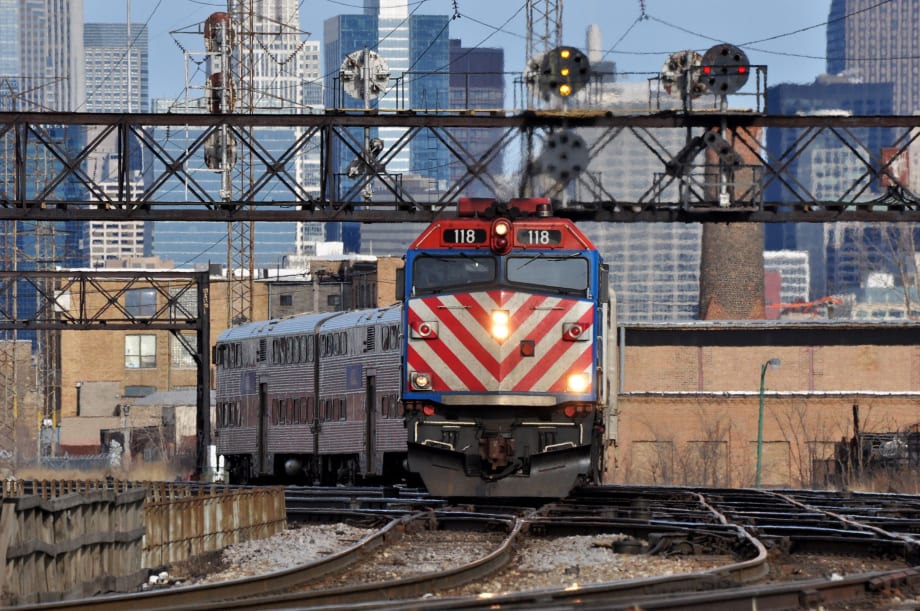
Following incidents resulting in three Metra engineers losing their certifications, the FRA launched a 45-day investigation similar to the one it completed in May of Metro-North Rail Road.
Metra/Mark Llanuza

In June, the Federal Railroad Administration (FRA) announced it was launching a 45-day, focused deep dive safety assessment of Chicago’s Metra commuter rail system in response to three incidents that took place over the course of two weeks.
The FRA was set to focus on Metra’s program of operational tests and inspections for all its operating crews, with special emphasis on training, qualification and testing of locomotive engineers.
“Safety is Metra’s top priority. We are in the process of completing our own internal investigations on these incidents,” said Metra CEO Don Orseno. “Metra contacted the FRA to inform them of our actions. We are fully committed to working with the FRA and welcome their review. We share a common goal of making commuter rail travel the safest mode of transportation.”
FRA investigators will focus on three recent incidents involving speeding and signal violations, which resulted in three Metra engineers losing their certifications.
During the course of the investigation, FRA inspectors were set to interview all affected employees, as well as review event recorder tapes and video recordings, operations testing records, radio tapes and Metra’s locomotive engineer qualifications certification program.
Investigators will also perform a comprehensive audit of Metra’s program of tests and inspections for its operating employees that will analyze testing records for 2013 and 2014; review training, qualification and competency of testing officers; conduct testing sessions with Metra officers; perform speed checks and conduct independent background reviews on Metra employees.
In addition, FRA personnel were going to meet with labor leaders and Metra employees to listen to their concerns regarding these recent events.
“In addition to our ongoing operational testing, we have directed managers to personally meet and review safety procedures with operating personnel and reinforce the importance of maintaining situational awareness at all times,” Orseno said following the FRA’s announcement. He added that Metra also issued a safety bulletin to all operating employees, with its freight rail partners, BNSF and Union Pacific, also taking the same actions.
The assessment is similar to “Operation Deep Dive,” the recent safety assessment conducted after a series of accidents on the New York Metropolitan Transportation Authority’s Metro-North Rail Road.
As a result of the investigation, Metro-North was directed to address 25 specific recommendations covering eight safety critical concerns in an effort to mitigate risk and to begin a turnaround of the railroad’s safety culture.
In June, Metro-North issued a 100-Day Report on the Action Plan established by President Joseph J. Giulietti, which focused the railroad’s efforts on improving safety, restoring reliability and improving communications.
Of 32 initiatives established in the Action Plan, 21 had been fully implemented by mid-June, with seven still in progress and two continuing to be pursued after outside entities submit independent reports. Two more initiatives — implementing a “back to basics” plan for train reliability and service delivery and communicating service delivery information to customers and elected officials — will remain ongoing, long-term Metro-North priorities, according to the report.
“Our customers and everyone who relies on Metro-North have seen real accomplishments that have gone a long way toward restoring their faith in the railroad,” Giulietti said. “Our challenge is to keep this relentless focus on improvement that our customers expect.”
Major improvements have been made in many areas including enhancing track inspection and maintenance, installing alerters and video cameras in engineers’ cabs, beefing up the safety and training departments, expanding employee testing programs to ensure understanding of safety rules, creating a computer-based track worker safety system and implementing a Confidential Close Call Reporting System.
The FRA completed its review of Metro-North practices in May, and its recommendations are incorporated into the 100-Day Report. Two external reports, from the MTA’s Blue Ribbon Panel and the National Transportation Safety Board, had not yet been submitted, but Metro-North has committed to implementing any recommendations from those entities that have not already been addressed.
More Management
New Tricks for Old Bureaucracies: Joshua Schank on Making Transit Innovation Stick
Former LA Metro Chief Innovation Officer Joshua Schank discusses why good ideas aren't enough, how transit agencies can overcome resistance to change, and why today's challenges demand more innovation.
Read More →
Washington's Community Transit Sets Six-Year Roadmap for Growth, Expansion
Approved TDP targets more bus service, new mobility options, Swift BRT expansion, and a potential Everett Transit annexation.
Read More →
OKC Streetcar Makes Zero-Fare Service Permanent
Ridership increased an average of 71% compared with the same period a year earlier during the fare-free pilot.
Read More →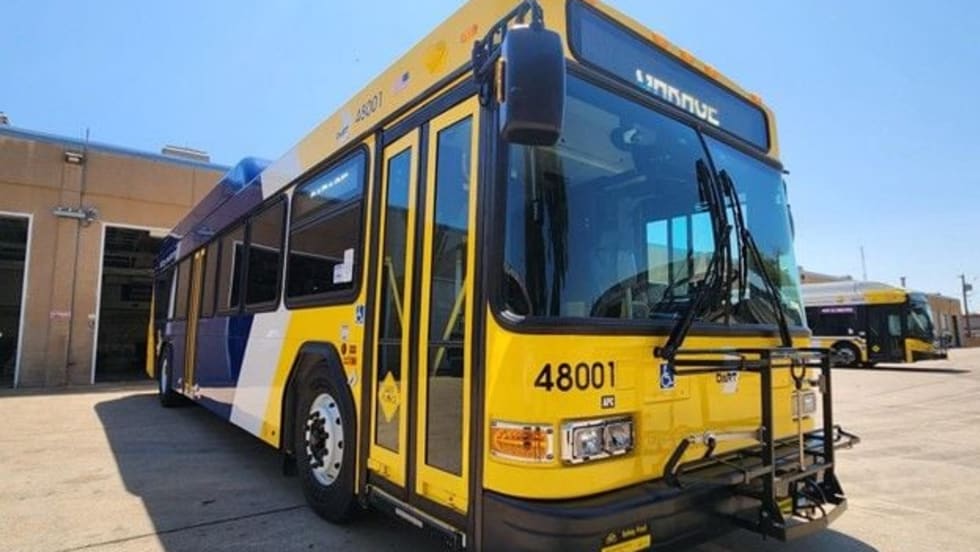
DART Customer Satisfaction Reaches Six-Year High
Overall satisfaction rose to 74.9%, while the agency’s Net Promoter Score reached a record 33.7.
Read More →
House Surface Transportation Bill Advances as Transit Funding Debate Intensifies
A bipartisan transportation package moving through Congress could redefine how the U.S. funds highways, transit, and motorcoach travel, while igniting new fights over electrification, regulation, and federal priorities.
Read More →
How Data, Strategy, and Community Engagement Are Reshaping Transit
In this edition of METROspectives, strada360 CEO Steve Lassey discusses how transit agencies can better align planning with operations, leverage data to improve decision-making, and build public trust as they prepare for the future of mobility.
Read More →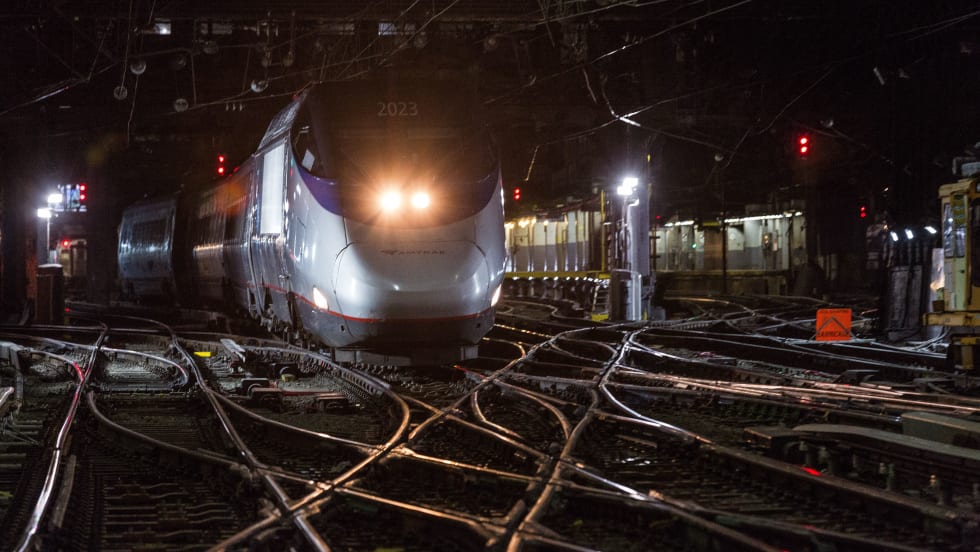
Amtrak Board Advances Plan to Restructure Organization, Seeks Public Input
The proposal, developed by Amtrak management and approved by the board for further consideration, is intended to modernize the organization's structure while improving accountability, operational efficiency, and customer service.
Read More →
Turn Transit Data Into Action
Discover how leading agencies are using connected technology to gain real-time visibility across operations, improve service reliability, and reduce disruptions.
Read More →
What Transit-Oriented Development Means for the Future of Public Transportation
Once viewed primarily as transit operators, agencies are now leveraging land, partnerships, and long-term planning to boost ridership, expand housing, and strengthen communities.
Read More →
USDOT Announces $22 Million for Transit Innovation, Updates High-Speed Rail Rules
New federal transit funding will support safety, accessibility, and technology projects as updated rail regulations establish new noise standards for high-speed trains.
Read More →