




RELATED: [Blog] Can Courtesy Campaigns Stop the 'Trashing' of Transit?
Trash can free rail station pilot yields positive results in N.Y.
The pilot stations have seen a reduction in trash volumes, rodent activity, as well as several other benefits. While the number of track fires at the pilot stations have remained neutral, the rate of track fires at the pilot stations is currently lower than the rate at stations with trash cans.
August 6, 2015
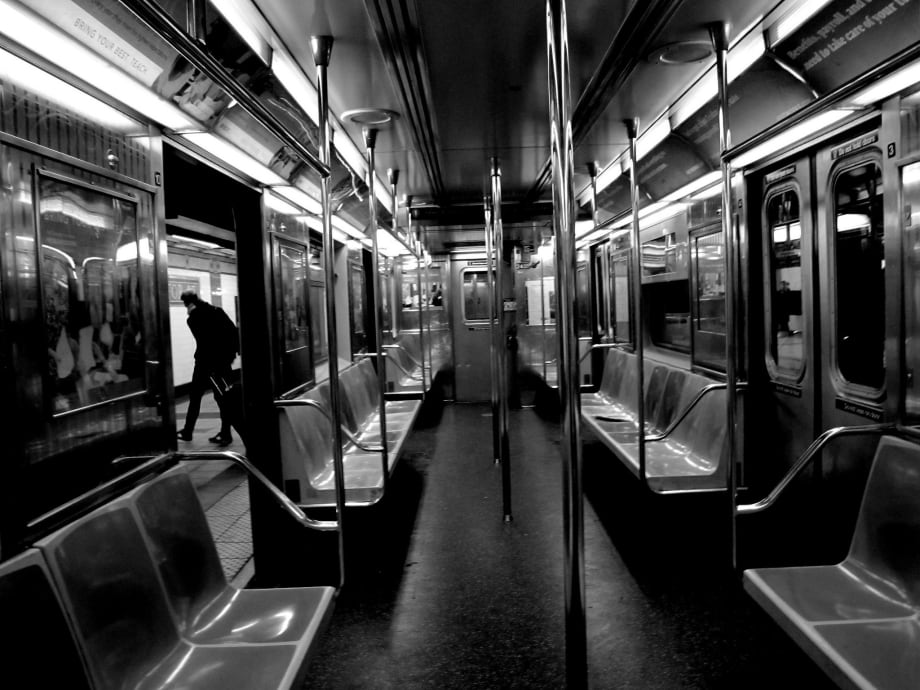
Photo: frankieleon/Flickr
3 min to read
Photo: frankieleon/Flickr
Results of the ongoing MTA New York City Transit pilot removing trash cans from a total of 39 subway stations show a significant decrease in the amount of trash bags collected from these stations.
The results show a 66% reduction in the number of bags collected at Phase 1 and Phase 2 stations, and a 36% reduction in the number of bags collected at Phase 3 stations.
The three phases of the pilot were effectively evaluated and the results support the pilot’s originally stated goal to improve the customer experience in stations by minimizing the number of trash bags to be stored and collected, decreasing exposed trash bags and controlling the rodent population.
“This pilot appears counterintuitive but when we placed notices at the pilot stations indicating that the cans had been removed and asked the customers for their cooperation, it looks like they listened,” New York City Transit President Carmen Bianco said. “Given these results, we’ll continue the pilot and monitor and collect additional data at stations.”

Photo: N.Y. MTA
The pilot stations have seen a reduction in trash volumes, rodent activity, as well as several other benefits. While the number of track fires at the pilot stations have remained neutral, the rate of track fires at the pilot stations is currently lower than the rate at stations with trash cans.
Litter, measured by the percentage of stations with no or light litter in the morning and daytime, increased initially, but rebounded and improved later during the pilot and is currently on par with stations that have trash cans. Stations with cans with no or light litter stand at 85% while stations in the pilot without cans are hovering above 80%.
“The reduction in trash in these stations reduced the number of bags to be stored and, consequently, improved the customer experience by reducing the potential bags visible to customers as well as the potential food available to rodents,” said Senior VP of Subways Joseph Leader. “Additionally, the significant reduction in trash reduced the need for trash pickups in the pilot stations, which freed up personnel for deployment to other stations.”
The initial phase of the pilot began in two stations in October 2011. Phase 2 added eight stations in September 2012 and Phase 3 added 29 along the JMZ lines in July 2014. Baseline conditions were established at each station, and station cleanliness and trash collection was monitored regularly.
The decision to remove the trash cans was made in an effort to encourage customers to take with them any disposables that they carry into the system. Trash collection and removal remains a tremendous undertaking. Each day, about 40 tons of trash is removed from the system, collected from more than 3,500 trash receptacles, and approximately 50% gets recycled.
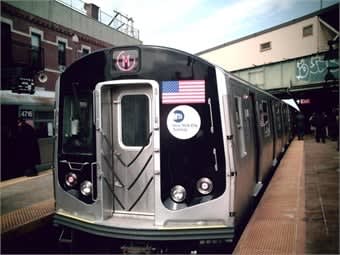
Photo: N.Y. MTA
Eleven refuse collection trains cover 359 out of the system’s 468 stations with the remainder visited by refuse collection trucks. The refuse collection trains compete with passenger trains for space along the tracks and their overnight movements can be hampered by system maintenance which may require the closing of line segments.
More Management

METRO Opens Submissions for 2026 Motorcoach Awards
Nominations are now being accepted for METRO Magazine’s Operator of the Year and Innovative Operator of the Year awards.
Read More →
New York MTA Advances Final Contract for Second Avenue Subway Expansion
Contract Four is the largest in the Second Avenue Subway Phase 2 project and includes construction of station infrastructure, tracks, and signals for the subway expansion, MTA officials said. Work on Contract Four will begin in 2027.
Read More →
Transit Agencies Highlight Safety Gains at National Summit
Leaders from 15 major transit systems shared crime-reduction results and safety initiatives while discussing the role of continued federal support.
Read More →

NITA Names New Leadership, Expands Reduced-Fare Program at First Board Meeting
The new regional transit authority appointed its first board chair and interim executive director while extending reduced fares across CTA, Metra, and Pace for eligible riders.
Read More →
Beyond the Checklist: A Structured Approach to Transit Maintenance
Reliability-Centered Maintenance helps transit agencies move beyond routine checklists to focus limited resources on the assets and failures that have the greatest impact on safety, reliability, and service.
Read More →
APTA 2026 Nominating Committee Selects Leadership Slate, Names Chair and Vice Chair Nominees
Leadership changes will help shape the association’s priorities and its representation of the transportation industry during the 2026–2027 term.
Read More →
DART Launches Major Security, Fare Enforcement Initiative
The 90-day demonstration will deploy coordinated security teams at five light rail stations while testing controlled access and gathering data to guide future investments.
Read More →
Sponsored•September 9, 2026
Advancing Fare Collection Through Technology and Innovation
Learn about delivering 1300 gates at 91 stations while managing fare evasion. Explore the large scale deployment, solution customization and real-world results that affect the region. Prepare for deployment in your region now.
Read More →
Game Day in Motion: Moving Millions During the 2026 World Cup
Between packed transit stations and team motorcoaches, see how agencies and operators across North America tackled the transportation demands of the 2026 FIFA World Cup.
Read More →
Surface Transportation Extension Averts Shutdown, Leaves Transit Funding Gap
The stopgap keeps federal transportation programs moving, but missing advance funding could complicate the transit and rail projects agencies are planning next.
Read More →