



Safety Vision wins $5.6M Las Vegas contract
In total, 227 buses will be retrofitted with the company's mobile surveillance equipment, of which 130 are double-decker buses, 49 are articulated buses, and 48 are forty foot low-floor buses.

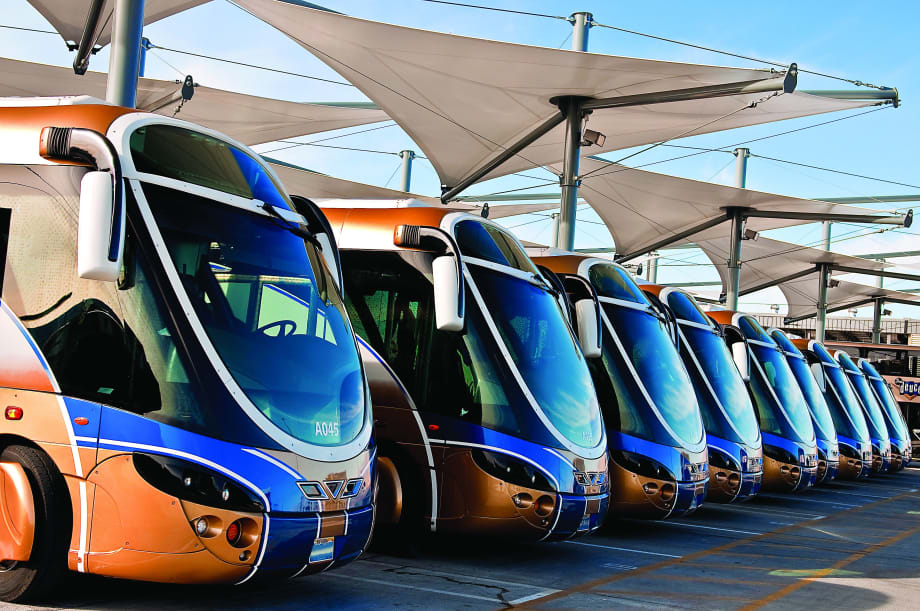
RTC of Southern Nevada
RTC of Southern Nevada
Safety Vision LLC recently won a $5.6 million dollar contract to provide mobile video surveillance equipment for the Regional Transportation Commission of Southern Nevada (RTC).
In total, 227 buses will be retrofitted, of which 130 are double-decker buses, 49 are articulated buses, and 48 are forty foot low-floor buses.
“Our levels of dedication to winning this prominent bid were more prolific than ever, and it paid off,” said Archie Doyle, Safety Vision’s lead account executive for the proposal.
The RTC will be using an advanced network video recording system (NVR) to provide video and audio surveillance over public transportation options. NVRs transmit video over an on-bus network infrastructure, allowing for high resolution footage and remote viewing. The RTC purchased Safety Vision’s flagship NVR, the RoadRecorder® 7000S.
As well, over 2,500 high definition cameras will be deployed to help eliminate driver blind spots and monitor all passenger activities. Safety Vision will also provide RTC with wireless downloading equipment.
Safety Vision is among the most recognized vendors of mobile video surveillance products in North America. Catering to five key industries, its comprehensive solutions continually enhance vehicular safety in both the private and public sectors. Safety Vision prides itself on its forward-thinking ideology, comprehensive solutions, extensive client list, and proven results.
More Management

ENC Lands MATA Contract and More in Biz Briefs
In this edition of Biz Briefs, we spotlight the latest developments shaping the future of mobility.
Read More →
From Surviving to Thriving: Building Stronger Transportation Organizations
Bus Business Consultants founder Brian Dickson shares lessons on leadership, organizational health, and creating options for long-term success in a changing transportation industry.
Read More →
Everett Transit, Community Transit Outline Consolidation Agreement
The proposed agreement calls for a 50% increase in bus service in Everett, a new microtransit zone, continued paratransit service, and the transfer of Everett Transit operations to Community Transit.
Read More →

Strada360’s Steve Lassey on Turning Transit Data Into Better Decisions
From breaking down data silos to preparing for AI, Strada360 CEO Steve Lassey discusses how transit agencies can use technology to improve operations, customer information, and long-term decision-making.
Read More →
People Movement: Phil Washington Joins HNTB, Denver RTD Launches CEO Search, and More
In this edition, we also spotlight recent personnel moves at STV, the Eno Center for Transportation, and more, highlighting the people taking on new roles across the transportation industry.
Read More →
SEPTA Details Accelerate Vision for Transit System
The plan outlines investments in trolley modernization, new Metro and Regional Rail vehicles, accessible stations, and more frequent bus and rail service.
Read More →
FTA Ends Direct Oversight of MBTA Safety Actions
The federal agency closed its remaining special directive to the Massachusetts Department of Public Utilities following a safety review that began in 2022.
Read More →
Report: Transit Bus Manufacturing Supports 34,100 Jobs, $5.1B in GDP
The “Buses Mean Business” report examines the transit bus manufacturing industry’s economic footprint, supply chain, and rising demand for vehicle replacements.
Read More →
LIT Marks 10-Year Milestone at Annual Summit
Hosted by the COTA from September 10 to 13, the Summit carried the theme “Celebrating 10 Years of Excellence, Leadership, and Impact,” with every part of the program honoring the people, agencies, and partners who built LIT over its first decade.
Read More →
People Movement: Dan Dipert Coaches Adds Third-Generation Leader, Keolis Names New Valley Metro VP/GM, and More
In this edition, we also cover recent appointments and announcements at the Wabtec, SilverRide, HNTB, and more, showcasing the individuals helping to shape the future of transportation.
Read More →