




RELATED: Transit looks to Uber, Lyft to alleviate strain on paratransit service
Uber and Lyft users more likely to use public transit frequently, study says
This is a gateway to a car-lite lifestyle, with users owning fewer cars in a household, researchers say.
March 15, 2016
CapMetro
4 min to read
CapMetro
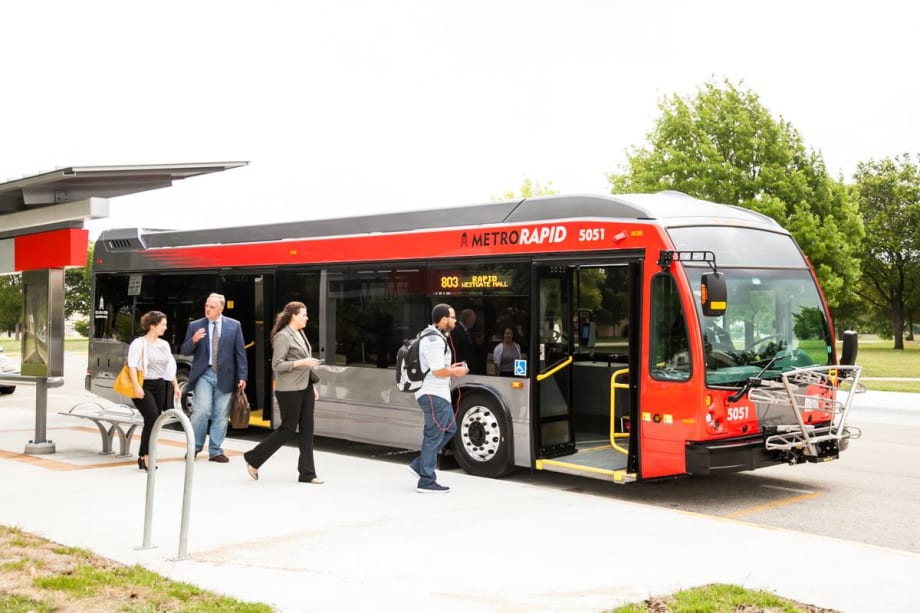
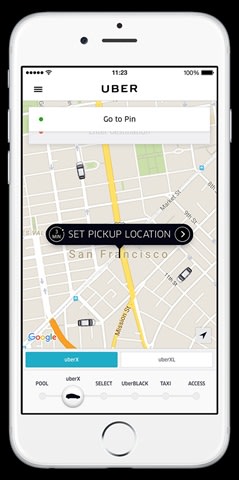
The more people use shared services like Lyft and Uber, the more likely they will use public transportation, a new study revealed. In fact, among those that use Lyft and Uber, 50% say they use a train and 45% report using a bus frequently.
In the study, "Shared Mobility and the Transformation of Public Transit," the study author’s surveyed “shared use” or “ridesourcing” consumers in seven cities: Austin, Boston, Chicago, Los Angeles, San Francisco, Seattle and Washington, D.C. In addition, researchers conducted in-depth interviews with private ride-sourcing operators and public transit agency officials to understand the impact of new-tech mobility services.
In compiling the data, prepared for the American Public Transportation Association through the Transit Cooperative Research Program, researchers looked at the traveling habits of 4,500 people in seven cities.
“As the study shows, people who use public transit and these shared services are making a lifestyle change that results in more walking, less driving and greater household savings because of overall lower transportation costs.” said APTA Chair Valarie J. McCall. “It is important that we provide options that complement and enhance our public transit service.”
Uber
“The way people get around in communities is being transformed, and public transportation is at the heart of this formal shift,” said APTA President/CEO Michael Melaniphy. “Together with companies like Lyft and Uber, we are integral to creating a dynamic multimodal lifestyle.”
Using Uber and Lyft is a gateway to a car-lite lifestyle, with users owning fewer cars in a household, according to the study. The effects on vehicle ownership are even greater among frequent users of several shared modes, such as bikesharing, carsharing (e.g. Zipcar), and ridesourcing. These frequent shared users own nearly half a car less than a transit-only user — 1.5 versus 1.05 cars per household.
“This study confirms what we’ve always believed — ridesharing is an important complement to public transportation,” said David Plouffe, Chief Advisor and Board Member for Uber. “We’re excited to work with transit operators across the country to accelerate progress toward our common goal: cities with better mobility for residents that are less congested, less polluted and less dependent on personal car ownership.”
“APTA's study shows the powerful positive impact Lyft and public transit can achieve when we work together,” said Emily Castor, Director of Transportation Policy for Lyft. “Transit is the backbone of urban mobility, and Lyft's flexible, reliable service helps fill in the gaps. These findings prove that Lyft and transit combined reduce the need for car ownership, which will lead to more livable, sustainable cities."
The study authors noted that once people are introduced to ridesharing, significant lifestyle changes take place, such as 30% of shared mobility users report driving a car to work less often. Using a combination of public transit, and ridesharing may lead to better health. Almost half of all respondents and nearly two-thirds of frequent users of shared services also say they are more physically active since they began using shared mobility services. In addition it could lead to significant financial savings, 20% report postponing a car purchase, 18% decided not to buy one at all, and 21% sold their car and did not replace it.
In every study city, a clear peak in ridesourcing demand is visible between 10 p.m. and 4 a.m. on weekends, and in the majority of cities this is the time of greatest demand overall — public transit is often unavailable at this time, meaning ridesourcing does not compete directly with public transportation, but rather, complements the entire mobility network. Fifty-four percent indicated that they had used ridesourcing for a recreational or social trip within the last three months, which means there are fewer drunk drivers on the road, the study authors highlight.
“Customers expect choice and convenience when they travel,” said Dallas Area Rapid Transit President/Executive Director Gary Thomas. “Working with Uber and Lyft, and integrating them into our own transit app, is one way we can do that. We believe these relationships help make public transportation relevant to a new market of prospective customers.”
The study authors noted there are a number of public-sector transit agencies that are eager to collaborate with private mobility operators to improve the first- and last-mile issues, and paratransit by using emerging approaches and technology. This could lead to specific technologies developed for new shared mobility services which can be folded into existing fixed-route and paratransit operations.
In the study, researchers conducted a quantitative survey of more than 4,500 shared-use mobility consumers. In addition, study authors interviewed more than 70 officials at public agencies along with representatives of five shared-use private mobility operators. To read the study in its entirety, go to www.apta.com/sharedmobility
More New Mobility

From Hardware to Digital Partner: Luminator Charts Its Next Chapter
CEO Magnus Friberg discusses Luminator’s shift toward becoming a digital partner, the growing importance of software and interoperability, and how AI can help agencies improve operations and passenger experience.
Read More →
Biz Briefs: Alstom Lands Canadian Contract, LYT to Supply California TSP, and More
In METRO's latest installment, we take a look at recent news from Complete Coach Works, Beep, FlixBus, and more partnerships making headlines across the transportation sector.
Read More →
CharterUP’s Armir Harris on Technology, AI, and the Future of Group Mobility
In a recent episode of METROspectives, CharterUP Founder/CEO Armir Harris discussed the company’s evolution from an online charter bus marketplace into a technology platform supporting public- and private-sector mobility and much more.
Read More →
Jacksonville’s NAVI Project Charts a New Course for Autonomous Public Transportation
Through its NAVI program, JTA is showing how autonomous vehicles, intelligent infrastructure, and coordinated operations can work together to deliver everyday public transportation.
Read More →
Biz Briefs: Luminator Marks Milestone and More
From manufacturers and suppliers to transit agencies and motorcoach operators, these updates offer a snapshot of the projects, partnerships and business moves driving the industry forward.
Read More →
New Tricks for Old Bureaucracies: Joshua Schank on Making Transit Innovation Stick
Former LA Metro Chief Innovation Officer Joshua Schank discusses why good ideas aren't enough, how transit agencies can overcome resistance to change, and why today's challenges demand more innovation.
Read More →
How DART's GoPass Is Redefining Regional Mobility
Serving 14 transit agencies, GoPass simplifies multimodal travel by allowing riders to plan, pay for, and manage an entire trip through one app.
Read More →
Biz Briefs: OCTA Taps Clean Energy for Hydrogen Station, Stadler to Supply Via Rail Vehicles, and More
From manufacturers and suppliers to transit agencies and motorcoach operators, these updates offer a snapshot of the projects, partnerships and business moves driving the industry forward.
Read More →CharterUP Expands Into New Mobility and Autonomous Transportation
Vice President of New Mobility Stephen Joos discusses how CharterUP is leveraging its nationwide transportation network, technology platform, and autonomous vehicle partnerships to expand into workforce mobility, campus shuttles, and transit solutions.
Read More →
METRO Magazine Announces 2026 Innovative Solutions Awards Winners
Projects Recognized for Advancing Mobility Through Technology, Accessibility, Workforce Innovation, and Operational Excellence
Read More →