




Related: Transportation options could lure Amazon to Denver, report says
Denver RTD considers discounted passes, other fare recommendations
RTD’s senior leadership team will review the group’s work at an internal meeting in March.
March 2, 2018
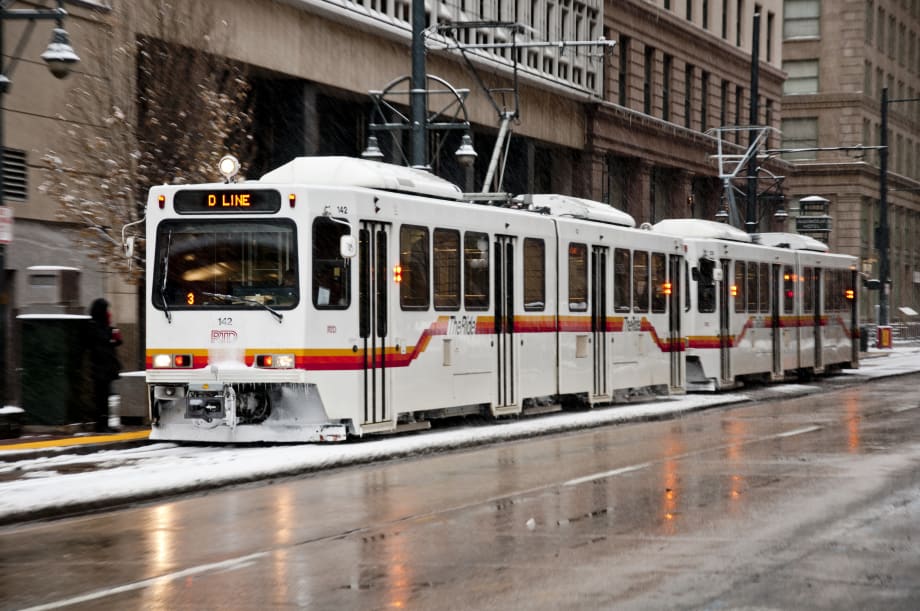
As is the case with the pass program study, any changes in fares would first be reviewed by RTD’s senior leadership team, then approved by its board of directors. Photo via VXLA/Wikimedia
3 min to read

A 25-member group of leaders asked to evaluate and determine whether changes should be made to Denver’s Regional Transportation District’s (RTD) pass programs completed its work, drafting a recommendation from its year-long effort that will be reviewed by the agency’s leadership team and its board of directors.
The working group — convened at the request of the public and at the direction of RTD’s 15-member board of directors — reviewed each of the agency’s individual and group passes and formulated several options, all of which were evaluated by a consultant for their impact on total fare revenue and ridership. As they deliberated, study participants considered eight guiding principles in their work: brand loyalty, convenience, cost-effectiveness, equitable access, increased ridership, an ability to meet strategic budget plan targets, revenue certainty, and simplifying rider-operator interactions. RTD’s pass programs last underwent a thorough review in 2009.
Working group members have no inherent authority to make changes to pass programs. RTD’s senior leadership team will review the group’s work at an internal meeting in March. The board of directors will receive an initial public update from staff at its next finance committee meeting, on March 13. No board decision is expected on that date. With board approval later this year, the earliest the public could experience any change resulting from the group’s recommendation would be early 2019.
Elements of the group’s recommendation include:
Adding a low-income pass, which would provide a 40% discount to qualifying riders whose incomes are at or below 185% of the federal poverty guidelines. This pass effectively serves as an expansion of the existing RTD nonprofit program, which has been in place for decades to assist low-income riders and would be retained.
Adding a youth pass, which would discount the fare for riders 13- through 19-years-old to 70%. Individuals 12-years-old and younger would ride free with a fare-paying rider.
Retaining EcoPass, Neighborhood EcoPass and CollegePass and pricing them based on updated service level areas (for EcoPass) and value of the trips taken (for Neighborhood EcoPass and CollegePass). The group is considering phasing in price increases of more than 20% for EcoPass holders, neighborhoods, and higher education institutions.
The group’s deliberations and modeling presumed that RTD’s board of directors would review fares, as it does periodically, later this year and determine whether to make adjustments to them. That public process — related to but separate from the pass program study — would have any potential changes to fares taking place in 2019.
The modeling assumptions from the working group’s recommended option assume 2019 cash fares of $3 for a local trip, $5.25 for a regional trip and $10.50 for a ride on the University of Colorado A Line to Denver International Airport. These specific fares are not being considered by the board at this time. As is the case with the pass program study, any changes in fares would first be reviewed by RTD’s senior leadership team, then approved by its board of directors.
More Management
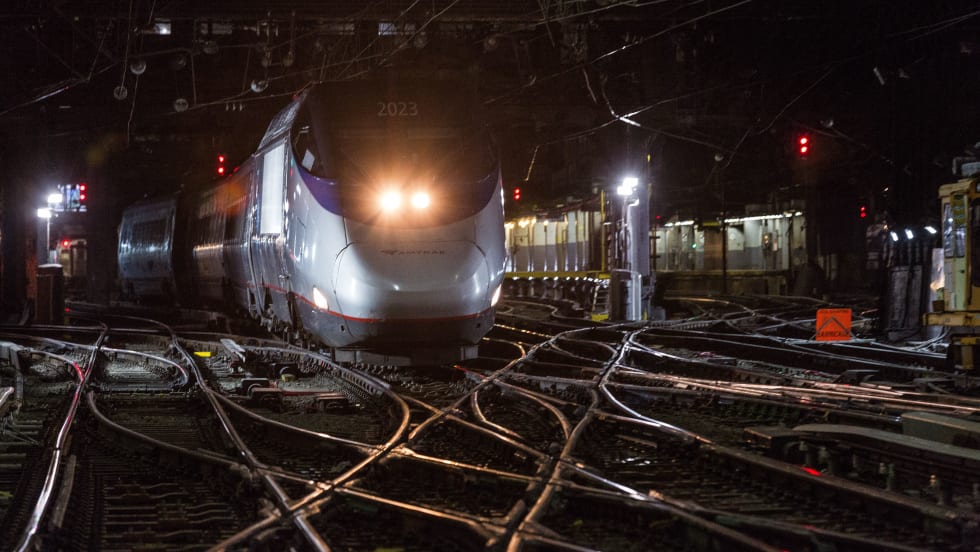
Amtrak Board Advances Plan to Restructure Organization, Seeks Public Input
The proposal, developed by Amtrak management and approved by the board for further consideration, is intended to modernize the organization's structure while improving accountability, operational efficiency, and customer service.
Read More →
Sponsored•August 2, 2026
Turn Transit Data Into Action
Discover how leading agencies are using connected technology to gain real-time visibility across operations, improve service reliability, and reduce disruptions.
Read More →
What Transit-Oriented Development Means for the Future of Public Transportation
Once viewed primarily as transit operators, agencies are now leveraging land, partnerships, and long-term planning to boost ridership, expand housing, and strengthen communities.
Read More →
USDOT Announces $22 Million for Transit Innovation, Updates High-Speed Rail Rules
New federal transit funding will support safety, accessibility, and technology projects as updated rail regulations establish new noise standards for high-speed trains.
Read More →
Transportation Construction Coalition Unveils Infrastructure Case Studies Ahead of Federal Funding Deadline
The coalition noted the next surface transportation bill should provide sustained investment in highways and public transit to strengthen freight movement, improve safety, and support economic growth.
Read More →
People Movement: American Bus Association Extends Ferguson and More
METRO’s People Movement highlights the latest leadership changes, promotions, and personnel news across the public transit, motorcoach, and people mobility sectors.
Read More →
METRO Magazine Announces 2026 Innovative Solutions Awards Winners
Projects Recognized for Advancing Mobility Through Technology, Accessibility, Workforce Innovation, and Operational Excellence
Read More →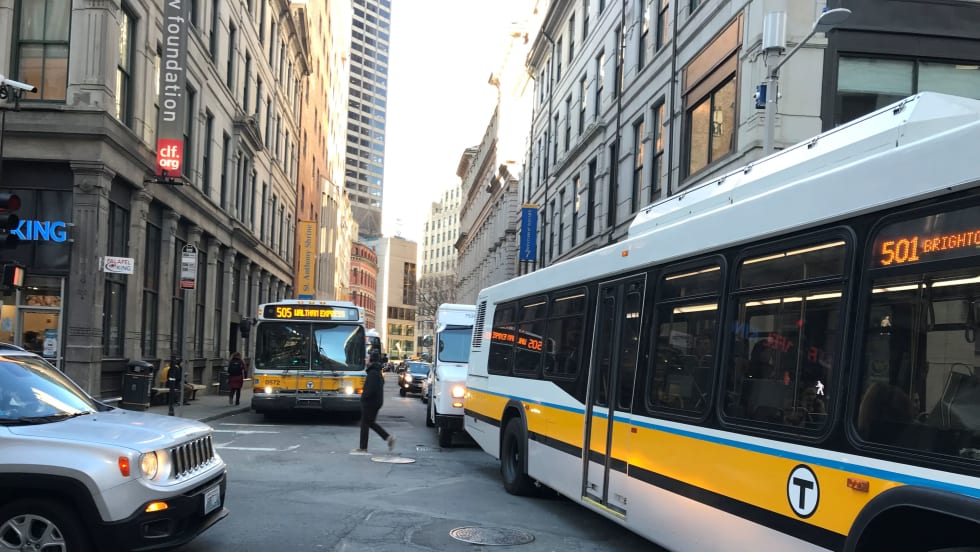
MBTA Rolls Out Pilot Programs to Cut Costs, Simplify Travel
Three new fare pilots — including unlimited two-hour transfers, reduced express bus fares, and free transit for eligible seniors — will launch this fall as Massachusetts extends popular commuter rail discounts through November.
Read More →
FTA Opens $610 Million Funding Opportunity for Bus Infrastructure Projects
The latest Notice of Funding Opportunity provides transit agencies with funding for bus facilities, fleet modernization, and low- and no-emission vehicles, with applications due September 21.
Read More →
Biz Briefs: STV teams with Amtrak, Motorcoach Operators Boost Fleet and Land Contracts, and More
From manufacturers and suppliers to transit agencies and motorcoach operators, these updates offer a snapshot of the projects, partnerships and business moves driving the industry forward.
Read More →