



CALSTART taps StarTrans-AzureDynamics hybrids
The 23-foot gasoline-electric hybrid buses are part of a national pilot program to speed commercialization of these fuel-saving vehicles, which are expected to yield 30 percent to 40 percent reductions in fuel use, with an accompanying 30 percent reduction in emissions.

California-based CALSTART's Hybrid Truck Users Forum (HTUF) Small Hybrid Bus Working Group members have selected the supplier team of StarTrans-Azure Dynamics for a 16-plus vehicle national hybrid-electric bus procurement.
The 23-foot gasoline-electric hybrid buses -- a size smaller than heavy urban transit buses -- are part of a national pilot program to speed commercialization of these fuel-saving vehicles, which are expected to yield 30 percent to 40 percent reductions in fuel use, with an accompanying 30 percent reduction in emissions.
The small hybrid buses will operate with at least nine fleets in varying climates, geographies and duty cycles, and their performance will be demonstrated in chassis dynamometer and field testing. The bus performance requirements were developed jointly by fleets in the HTUF Small Hybrid Bus Working Group, who committed to purchasing and using vehicles meeting their requirements.
"This HTUF process, built around users defining their common needs to help build the market, has been very successful," said Bill Van Amburg, CALSTART senior vice president. "It has helped speed hybrid truck and bus commercialization by as much as two years, and the small bus market is ripe for this breakthrough."
Working group members taking part in the pilot project include the Missouri Department of Transportation (on behalf of Older Adults Transportation Service and Southeast Missouri Transportation Service), which served as the lead agency for the procurement; TriMet Transportation District, Portland, Ore.; City of White Plains, N.Y.; Harvard University, Boston; Utah Transit Authority, Salt Lake City; Marin County Transit, San Rafael, California; Tahoe Transportation District, Stateline, Nevada; City of Aspen, Aspen, Colo.; and Sacramento Regional Transit, Sacramento, Calif.
The vehicles are 23-foot, gasoline-powered hybrid-electric cutaway buses using the StarTrans Senator bus body, Ford E450 chassis, and the Azure Dynamics Balance parallel electric-hybrid drivetrain. The vehicles have a passenger capacity of 14 riders, including two wheelchair positions, are ADA compliant, and meet the FTA's Altoona-testing protocols for seven years /200,000 miles service.
The Azure Balance Hybrid Electric system includes engine-off at idle and at below 20 miles per hour, while electronically supporting key ancillary functions like air conditioning, power steering and braking. The drive train, with a Ford 5.4L engine, can improve fuel economy substantially, while reducing carbon emissions by up to 30 percent in city conditions. The hybrid-drive train also offers a significant reduction in maintenance costs versus conventionally equipped vehicles.
StarTrans Bus, a Supreme Indiana Operations Inc. Co, has partnered with Azure Dynamics for the past three years and is the exclusive manufacturer for its G1 product. StarTrans also manufactures buses on their newest platform, the Balance Hybrid Drive, which utilizes the Ford E450 chassis. Both the G1 and Balance StarTrans bus bodies have been Altoona tested.
More Bus
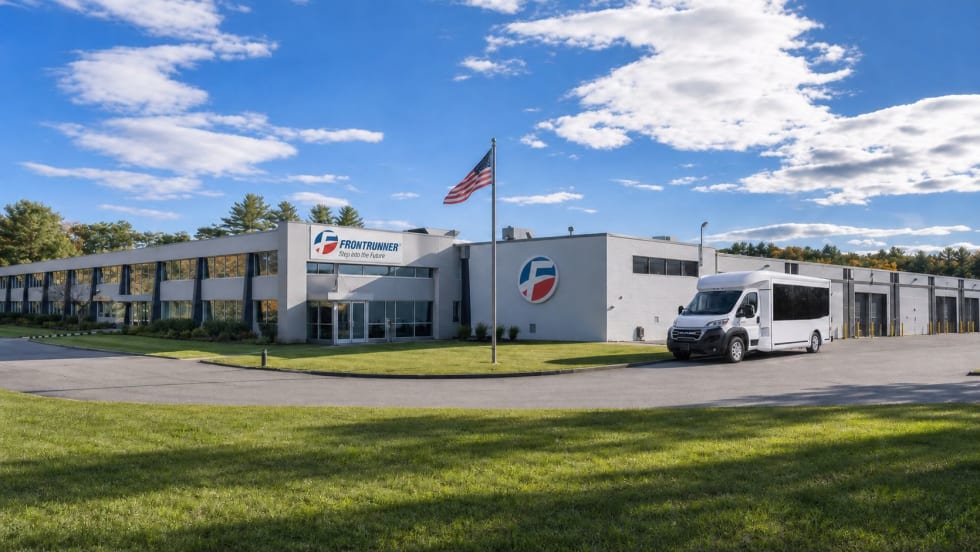
Frontrunner Bus Group Expands with New Massachusetts Headquarters
The significantly larger facility will provide the infrastructure needed to support the company’s growing workforce, advanced technologies, and expanding product line.
Read More →
Joshua Schank on Transportation Innovation, Risk, and the Future of Mobility
In this edition of METROspectives, Joshua Schank discusses lessons from launching LA Metro’s Office of Extraordinary Innovation, the challenges of advancing new mobility technologies, and much more.
Read More →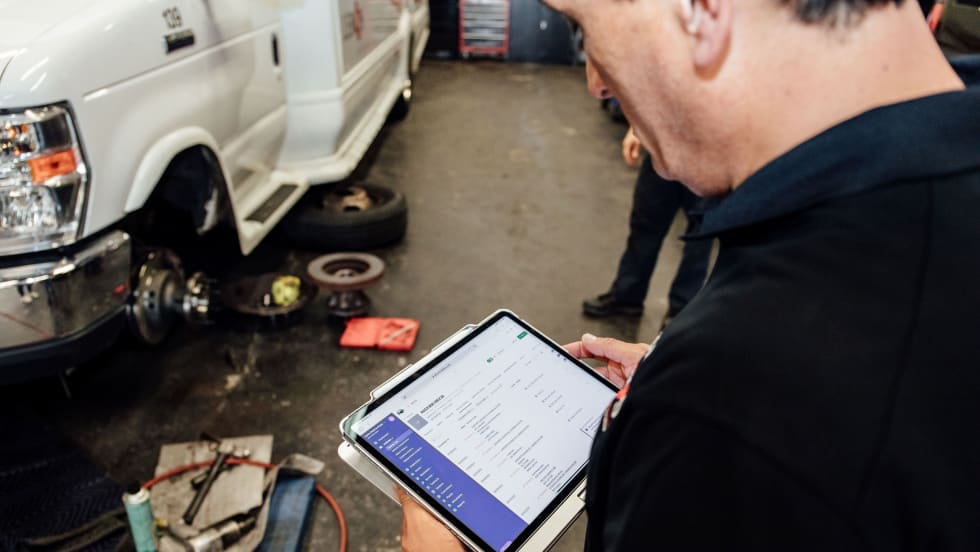
Reinventing Fleet Maintenance with Real-time Visibility and AI
Transit leaders need to know what needs fixing, where to look, who is responsible, when work is completed, and what it costs without having to chase information across disconnected systems.
Read More →
SamTrans Sets Priorities for Potential Connect Bay Area Revenue
The board-approved framework allocates future funding to maintaining service, rider improvements, equity initiatives, and infrastructure repairs.
Read More →
When Routine Fails: How Public Transit Must Adapt for the World Cup
The 2026 FIFA World Cup will test transit agencies’ ability to manage unpredictable travel patterns, making real-time data and operational flexibility critical to moving millions of visitors efficiently.
Read More →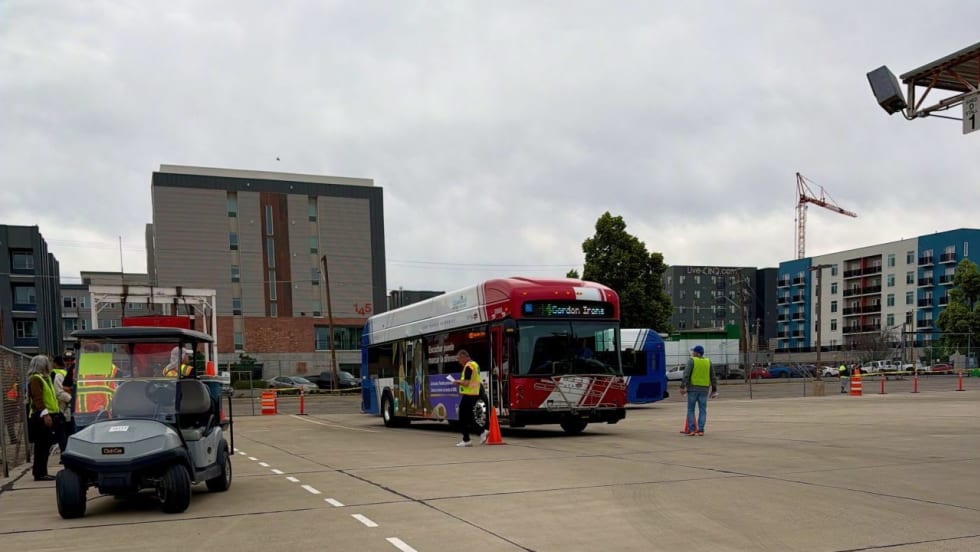
Photo Highlights from APTA's 2026 Mobility Conference
The photo gallery captures scenes from the conference, including the International Bus Roadeo, exhibit hall activities, the Bus Showcase, and much more.
Read More →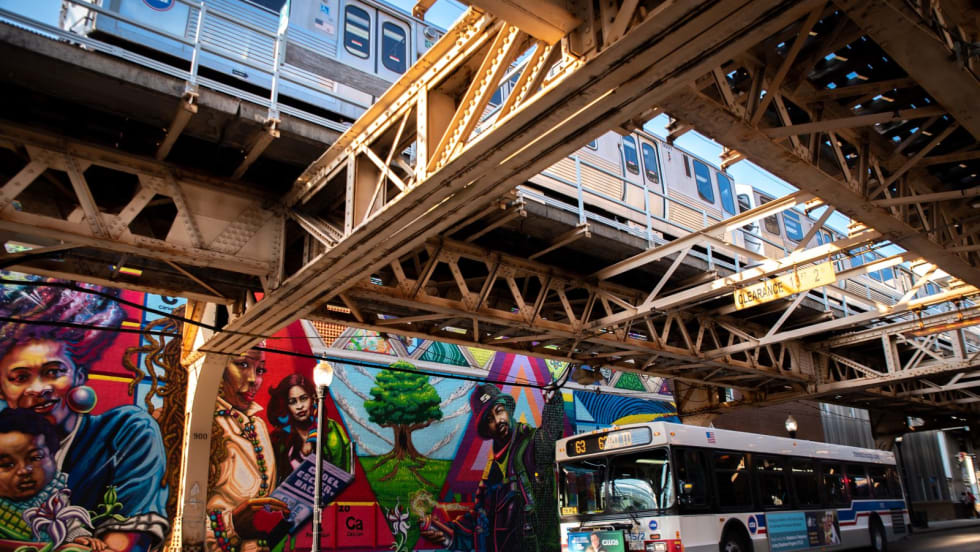
Chicago's NITA Act Moves Into Next Phase as Service Improvements Begin
Rider-focused improvements will begin rolling out across the system immediately as CTA, Metra, and Pace increase service this summer in the six-county region.
Read More →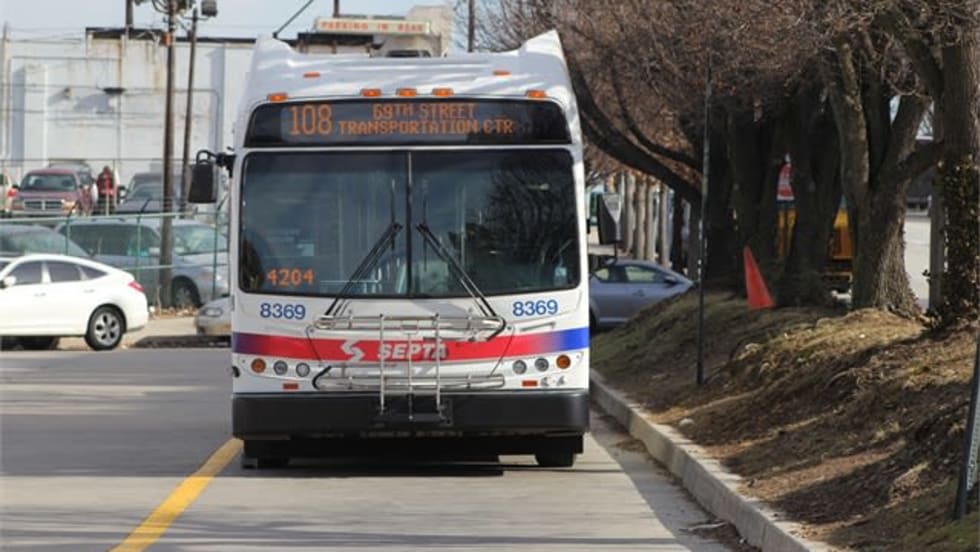
Philadelphia's SEPTA Approves Annual Transit Service Plan
Between 2021 and 2024, SEPTA held more than 200 public meetings — including 144 in-person sessions — throughout the SEPTA service region.
Read More →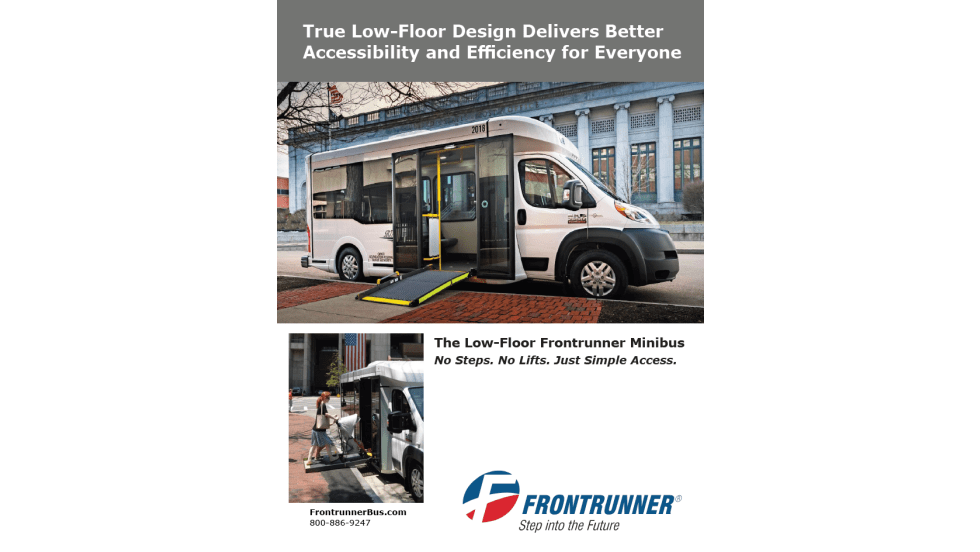
A True Low-Floor Minibus Design Delivers Better Accessibility and Efficiency for Everyone
As transit demands evolve, so should your fleet. Download the whitepaper to see how the Low-Floor Frontrunner Minibus compares to traditional options.
Read More →
WMATA Debuts 'Fares Pay for Service' Awareness Campaign
The campaign was highlighted during a media event at the Paul S. Sarbanes Transit Center in Silver Spring, where WMATA’s GM/CEO Randy Clarke joined Metro Transit Police officers, WMATA management team, board members, and staff to expand fare enforcement and customer education efforts on Metro Bus routes throughout the region.
Read More →