



U. Nebraska to curb parking violations, collect fines
Parking Services began applying wheel locks to the vehicles of individuals who have unpaid citations. The wheel locks, commonly known as "boots," can be applied to any vehicle with any unpaid citation that is older than 30 days.

Parking and Transit Services at the University of Nebraska-Lincoln is offering two new programs aimed at helping occasional campus parkers and collecting outstanding fines.
On Oct. 1, Parking Services began applying wheel locks to the vehicles of individuals who have unpaid citations. The wheel locks, commonly known as "boots," can be applied to any vehicle with any unpaid citation that is older than 30 days.
"We will impound by wheel lock only for unpaid citations," said Dan Carpenter, director of Parking and Transit Services. "The application of the wheel lock is not determined by the number of unpaid citations. Any unpaid citation that is more than 30 days old will result in impoundment by wheel lock."
Two boots will be placed on each vehicle with unpaid citations. The boots will be applied from 7 a.m. to 6 p.m. Monday through Thursday, and 7 a.m. to 3 p.m. on Fridays. A special easy-to-remove information sticker will also be applied to booted vehicles. Boots won't be applied in inclement weather or if they don't fit the vehicle's wheels.
Vehicles that have been booted can be released by paying the outstanding citation balance. An additional boot and release fee of $35 will be charged. Individuals can pay fines online or at the Parking and Transit Services office. Individuals must contact the department to have wheel locks removed after payment is made.
Any vehicle that remains booted by 7:30 p.m. Monday through Thursday and 4:30 p.m. on Friday will be towed to the city of Lincoln impound lot.
Carpenter said UNL's use of the wheel locks saves money for people with unpaid citations. The boot release fee is $35 compared to the tow fee of $53. Keeping the vehicles on campus instead of in the city impound yard is also useful to parking users and acts as a deterrent for others considering breaking parking rules.
"If the vehicle remains on campus, individuals can get into their vehicle and retrieve the stuff they need to pay the fine," said Carpenter. "It will also reduce the number of people who think their vehicle has been stolen when it was really towed for unpaid citations."
Another new feature this fall for faculty, staff and students is an "occasional parking permit," intended for faculty, staff and students who do not regularly park on campus. The one-time use permits utilize scratch off areas that allow owners to show the day of use. The occasional permits are good for specific parking lots.
The permits are sold in packs of 10 for $40 or 20 for $80. Carpenter said the program is modeled after a program at the University of Virginia. He said a member of the Faculty Senate proposed the idea. The occasional permits are a discounted rate over the single-day permits offered by Parking Services.
Parking is also adopting Nebraska's escalating fines for illegal parking in handicapped areas. Carpenter said the first offense is a $150 fine, second offense is $300 and third is $500. The vehicle will be towed with each offense.
For more information on programs offered by Parking and Transit Services, go to http://parking.unl.edu.
More New Mobility
Joshua Schank on Transportation Innovation, Risk, and the Future of Mobility
In this edition of METROspectives, Joshua Schank discusses lessons from launching LA Metro’s Office of Extraordinary Innovation, the challenges of advancing new mobility technologies, and much more.
Read More →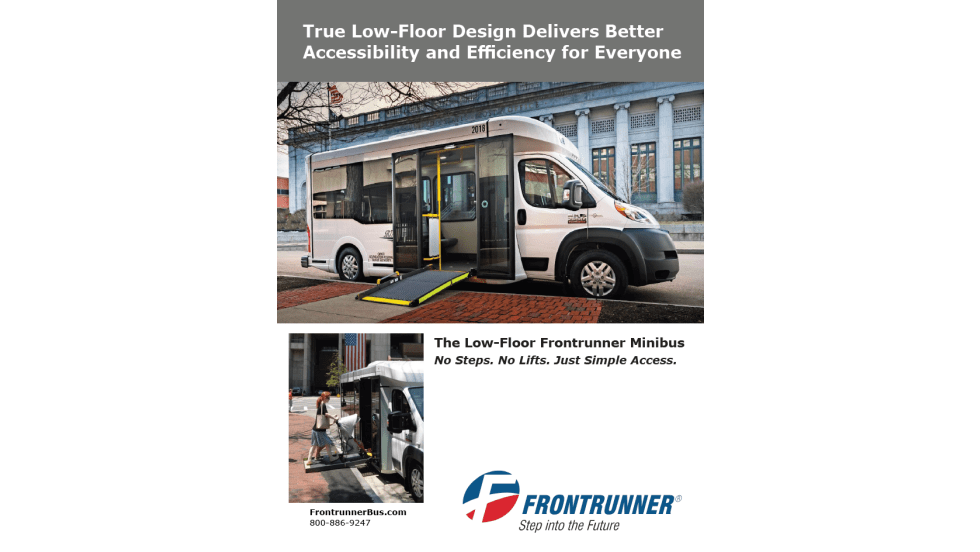
A True Low-Floor Minibus Design Delivers Better Accessibility and Efficiency for Everyone
As transit demands evolve, so should your fleet. Download the whitepaper to see how the Low-Floor Frontrunner Minibus compares to traditional options.
Read More →
Joshua Schank on Transportation Innovation, Risk, and the Future of Mobility
In this edition of METROspectives, the co-author of New Tricks for Old Bureaucracies, discusses lessons from launching LA Metro’s Office of Extraordinary Innovation, the challenges of advancing new mobility technologies, and much more.
Read More →
Biz Briefs: Foothill Gold Line Award, Matawan Contract, and More
From strategic partnerships to acquisitions and service expansions, the industry continues to evolve at a rapid pace. Find out all the latest here.
Read More →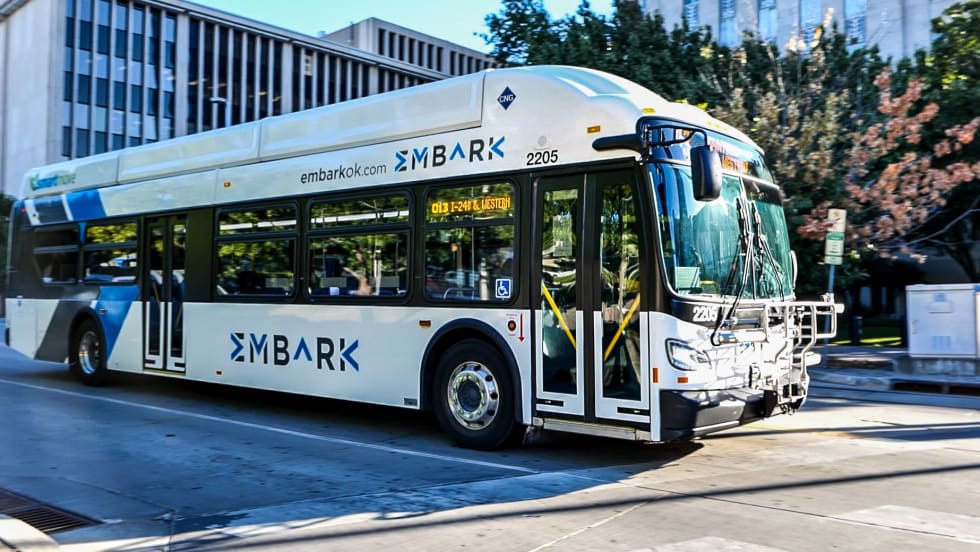
Inside Look: EMBARK Expands Fare-Free Transit Program Through New Public-Private Partnership
The OKC transit agency says sponsorship helps subsidize the Third Friday Free initiative while reducing barriers for first-time riders and boosting ridership across buses, streetcars, and river cruises.
Read More →
2026 METRO Buyer’s Guide & Directory
Searching for the right vehicles, technology, equipment, or services for your public transit or motorcoach operation? This industry guide brings together manufacturers and suppliers from across the transportation market — all in one place. Download it to connect with the companies that help agencies and operators improve mobility, enhance operations, and move their organizations forward.
Read More →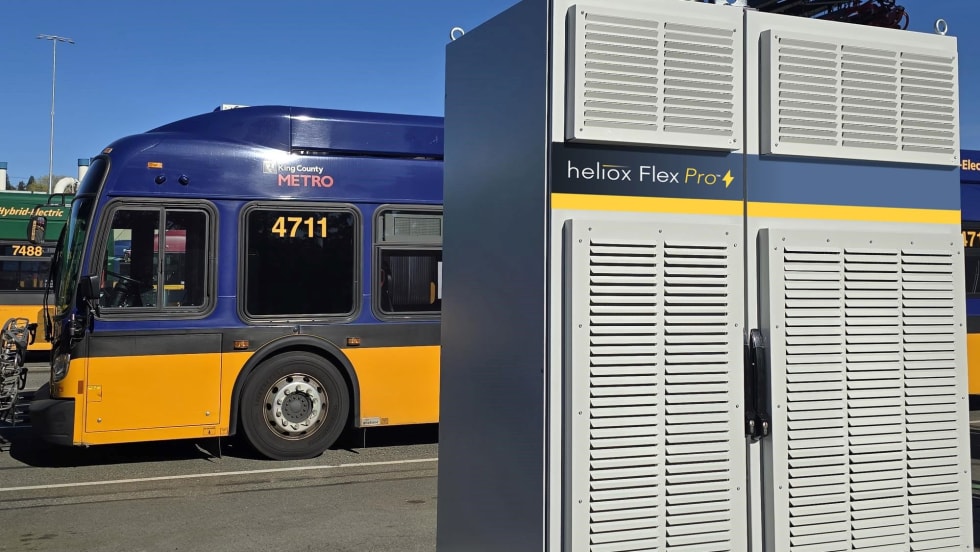
King County Test Heliox Chargers, Keolis Lands California Contract Top Biz Briefs
Stay informed with these quick takes on the projects and companies driving progress across the transportation landscape.
Read More →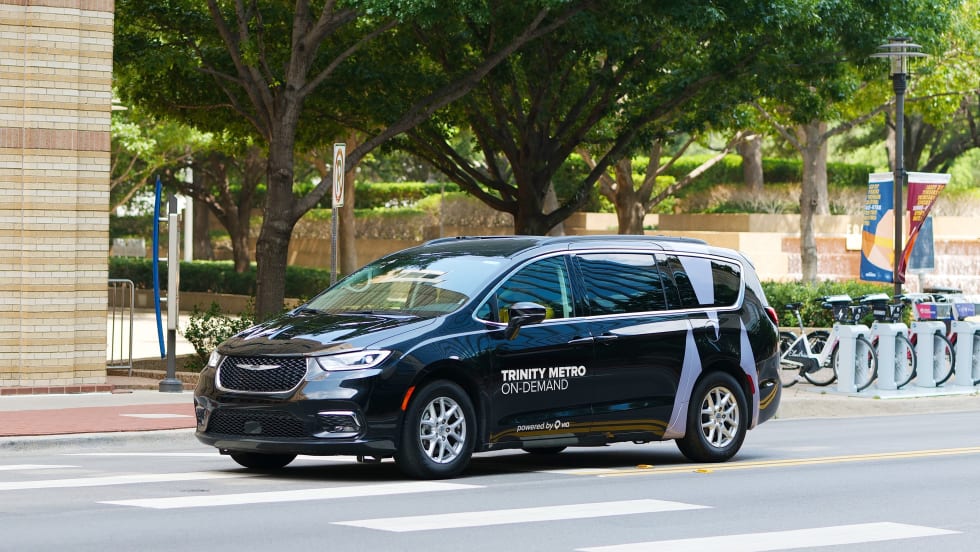
Via Announces Scheduling and Supply Studio
The Scheduling and Supply Studio provides the world’s first fully integrated platform for optimizing vehicle and driver availability to rider demand, said company officials.
Read More →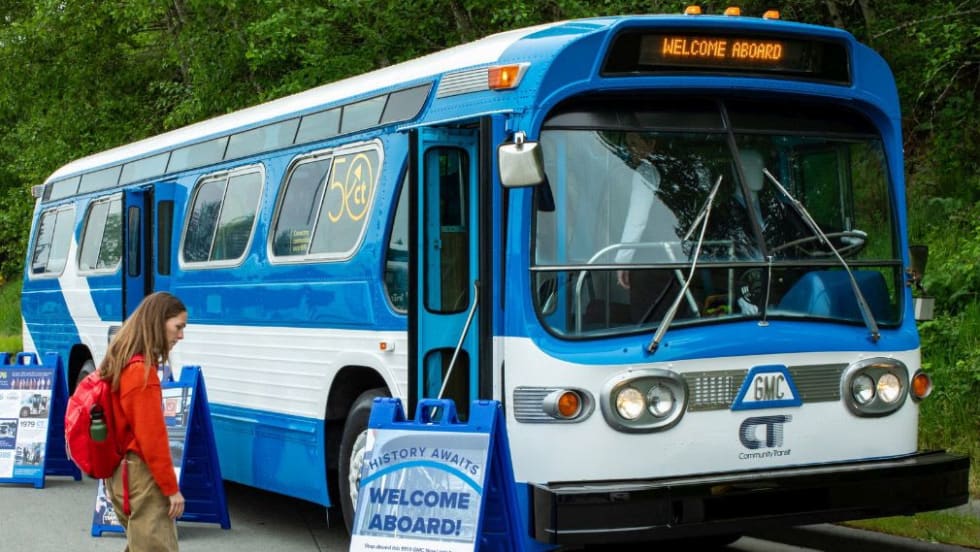
Washington's Community Transit Celebrates 50-Year Milestone
The milestone highlights both the agency’s history and its evolving role in meeting the region’s growing mobility needs.
Read More →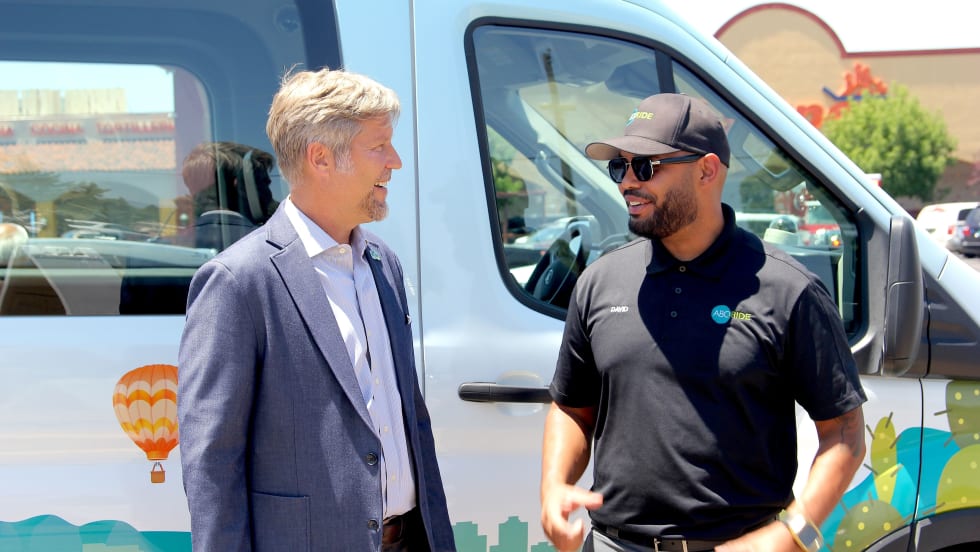
ABQ RIDE Forward's Next Phase Sets Target Date
ABQ RIDE Forward is the first transit system overhaul in more than 25 years. This latest phase marks 15% completion of the 16-phase rollout, which will continue over the next several years.
Read More →