



Environmental group honored for Mexico Metrobus project
Award recognizes outstanding public-private partnerships that enhance environmental quality through the use of novel and creative approaches. EMBARQ helped create the public-private partnership with the Mexico City government to the make the transit project a reality.

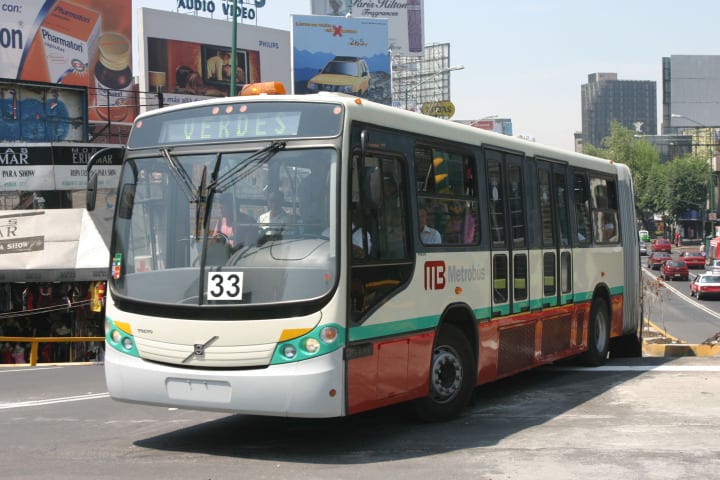
Photo courtesy of the Center for Sustainable Transport in Mexico (CTS-Mexico).
[IMAGE]Mexico-metrobus2-full.jpg[/IMAGE]EMBARQ,the World Resources Institute Center for Sustainable Transport, was honored by Harvard University for its work in establishing Mexico City’s Metrobus, a sustainable transit project in one of the world’s most populated and congested cities.
The bi-annual 2009 Roy Family Award for Environmental Partnership, presented by Harvard’s John F. Kennedy School of Government, celebrates outstanding public-private partnerships that enhance environmental quality through the use of novel and creative approaches. EMBARQ helped create the public-private partnership with the Mexico City government to the make the transit project a reality.
“We’re honored to receive this award,” said Nancy Kete, director of EMBARQ. “We always knew that creating a public-private partnership model was necessary to overcome the political challenges that often impede sustainable transportation.” Mexico City’s Metrobus is a bus rapid transit (BRT) system designed to reduce air pollution, greenhouse gas emissions and traffic, while improving the quality of life for commuters.
“Our goal was to pull the disparate groups together and help them find compromises. We wanted to show that cooperation was a better strategy than competition,” Kete added.
In 2005, after several years of planning and development, Metrobus opened along approximately 12 miles of the central transport artery in Mexico City, Avenida Insurgentes. The route was extended an approximate 5.5 miles in 2008, and later extended by about another 13.7 miles with the launch of the Eje 4 Sur corridor. It’s estimated the new buses transport more than 450,000 passengers per day.
By introducing cleaner, more efficient buses, and convincing many commuters to leave their cars at home, Metrobus has reduced carbon dioxide emissions from Mexico City traffic by an estimated 60,000 tons to 80,000 tons a year. Also, due to the expansion of the system, a total of 839 polluting mini-buses that once traveled along the Metrobus route have been permanently removed from the roads, thanks to successful negotiations with former mini-bus owners and operators.
Mexico City Mayor Marcelo Ebrard wants to extend the system to 10 lines from two. “If we make [the city] greener, the city will be able to survive.”
EMBARQ worked on the project with three Mexico City government agencies - the Secretary of the Environment, Secretary of Transportation and Secretary of Urban Development -- and the Interdisciplinary Center for Biodiversity and Environment (CeIBA).
Together, these groups established the Center for Sustainable Transport in Mexico (CTS-México), a not-for-profit organization that has provided ongoing technical assistance to the Metrobus system from its inception through its expansion. The World Bank; Global Environment Facility; and the Shell, Caterpillar and Hewlett Foundations provided significant financial support for the project.
EMBARQ and CTS-México are now advising other cities in Mexico on developing their own BRT systems. One project launched recently is Guadalajara’s Macrobus, which opened last spring.
“This model is transferable to cities throughout the developing world wrestling with the dual problem of moving people around in a highly congested area, while combating very high pollution levels,” said Henry Lee, director of the Environment and Natural Resources program at Harvard University’s Kennedy School’s Belfer Center for Science and International Affairs.
Metrobus was selected from a group of 30 highly qualified projects from around the world that tackled tough environmental problems ranging from clean fuel adoption to nuclear waste cleanup. More than 20 experts from and outside of Harvard reviewed the nominations.
More Bus
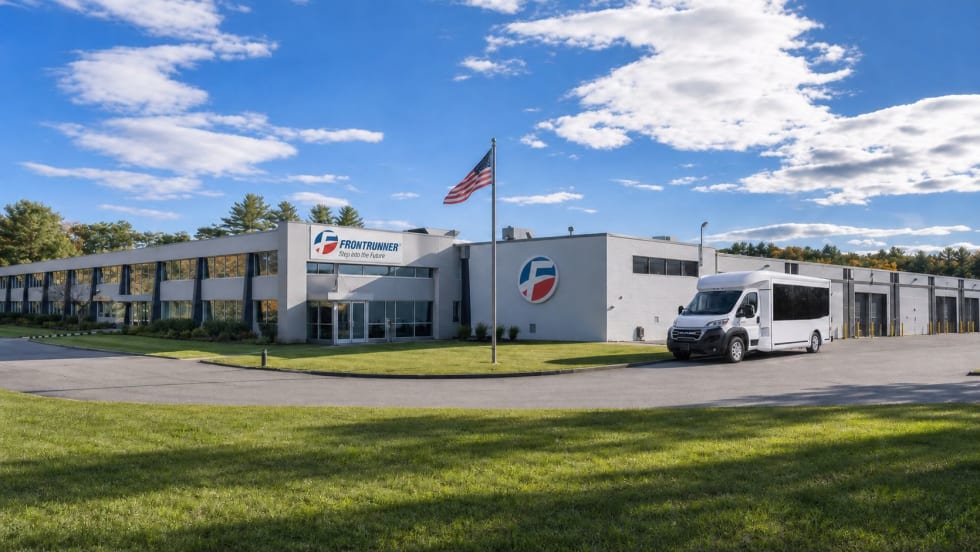
Frontrunner Bus Group Expands with New Massachusetts Headquarters
The significantly larger facility will provide the infrastructure needed to support the company’s growing workforce, advanced technologies, and expanding product line.
Read More →
Joshua Schank on Transportation Innovation, Risk, and the Future of Mobility
In this edition of METROspectives, Joshua Schank discusses lessons from launching LA Metro’s Office of Extraordinary Innovation, the challenges of advancing new mobility technologies, and much more.
Read More →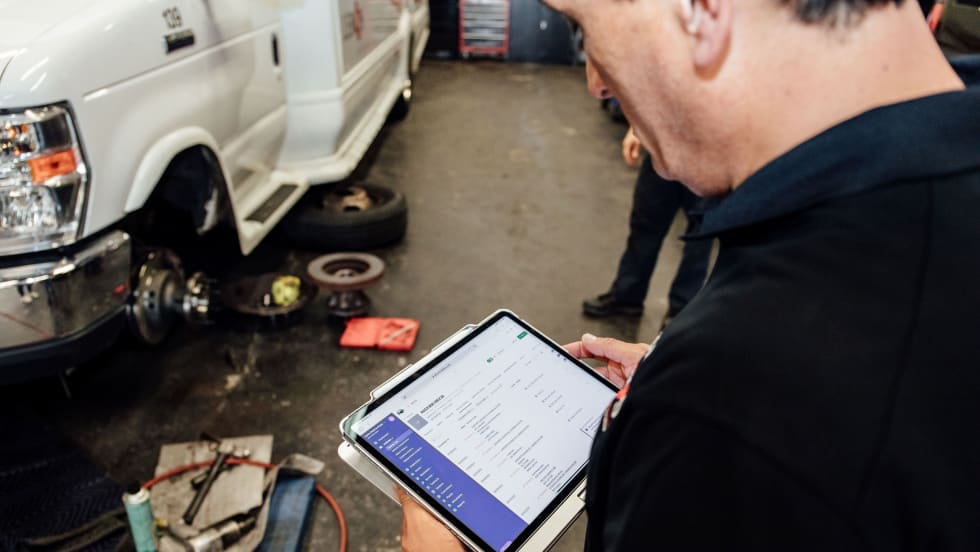
Reinventing Fleet Maintenance with Real-time Visibility and AI
Transit leaders need to know what needs fixing, where to look, who is responsible, when work is completed, and what it costs without having to chase information across disconnected systems.
Read More →
SamTrans Sets Priorities for Potential Connect Bay Area Revenue
The board-approved framework allocates future funding to maintaining service, rider improvements, equity initiatives, and infrastructure repairs.
Read More →
When Routine Fails: How Public Transit Must Adapt for the World Cup
The 2026 FIFA World Cup will test transit agencies’ ability to manage unpredictable travel patterns, making real-time data and operational flexibility critical to moving millions of visitors efficiently.
Read More →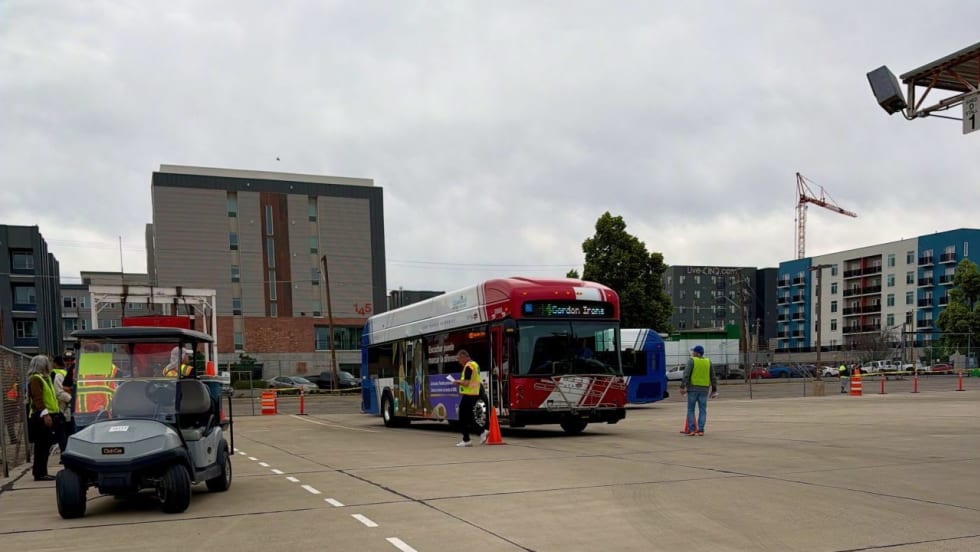
Photo Highlights from APTA's 2026 Mobility Conference
The photo gallery captures scenes from the conference, including the International Bus Roadeo, exhibit hall activities, the Bus Showcase, and much more.
Read More →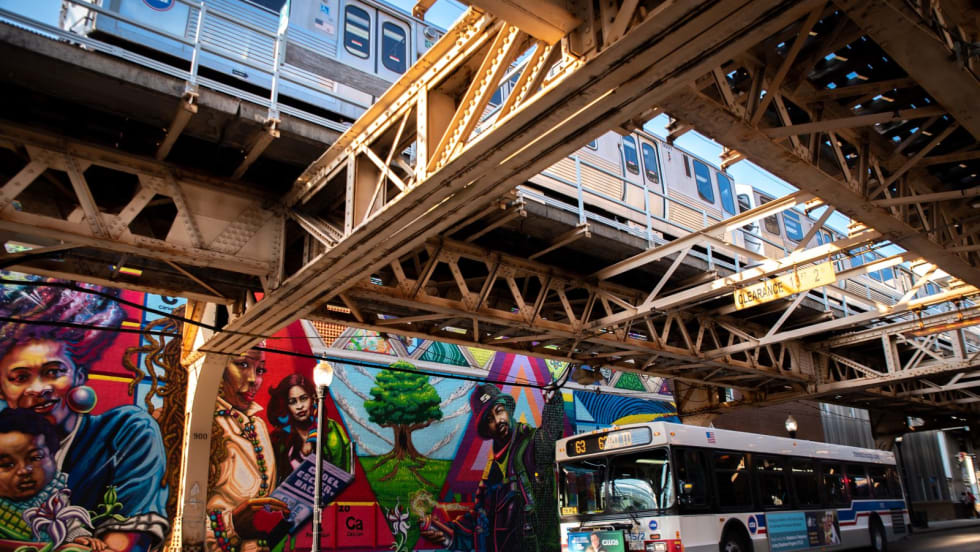
Chicago's NITA Act Moves Into Next Phase as Service Improvements Begin
Rider-focused improvements will begin rolling out across the system immediately as CTA, Metra, and Pace increase service this summer in the six-county region.
Read More →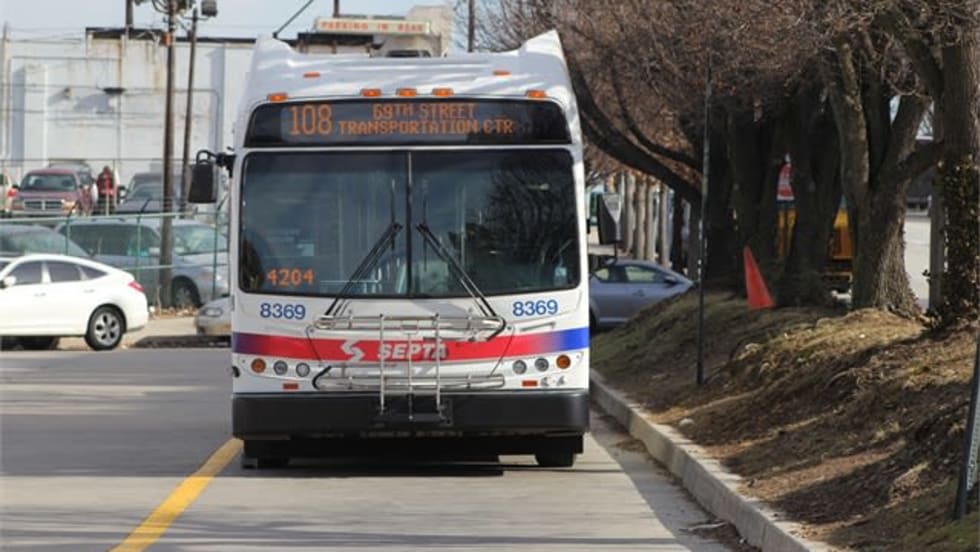
Philadelphia's SEPTA Approves Annual Transit Service Plan
Between 2021 and 2024, SEPTA held more than 200 public meetings — including 144 in-person sessions — throughout the SEPTA service region.
Read More →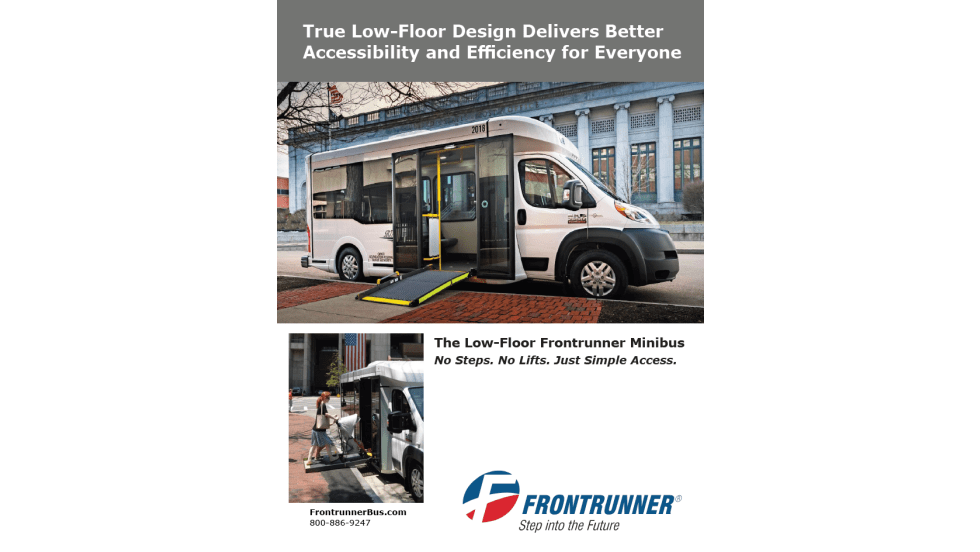
A True Low-Floor Minibus Design Delivers Better Accessibility and Efficiency for Everyone
As transit demands evolve, so should your fleet. Download the whitepaper to see how the Low-Floor Frontrunner Minibus compares to traditional options.
Read More →
WMATA Debuts 'Fares Pay for Service' Awareness Campaign
The campaign was highlighted during a media event at the Paul S. Sarbanes Transit Center in Silver Spring, where WMATA’s GM/CEO Randy Clarke joined Metro Transit Police officers, WMATA management team, board members, and staff to expand fare enforcement and customer education efforts on Metro Bus routes throughout the region.
Read More →