



<font color=red>Web Extra:</font> NC State named one of 'Top 5 Greenest Schools'
Universities were evaluated on factors such as renewable energy, alternative transportation, LEED/green building, recycling, environmental studies, green space and campus conservation and outdoor recreation.

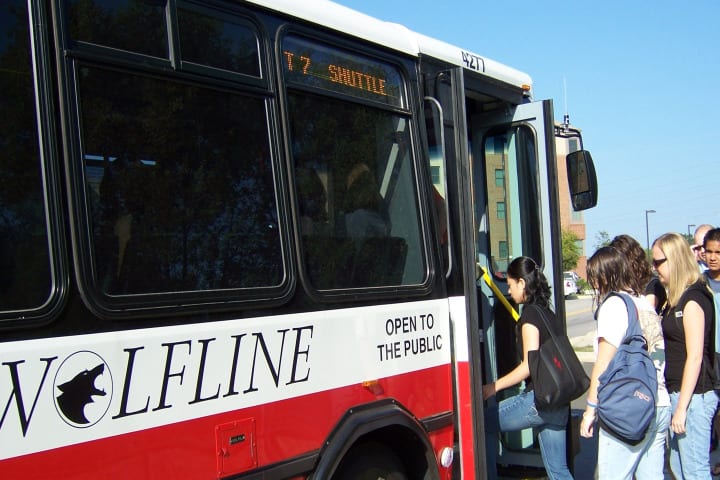
[IMAGE]NCStateWolfline2FULL.jpg[/IMAGE]Blue Ridge Outdoorsmagazine recently selected Raleigh, N.C.-based NC State University (NCSU) as one of its top five “greenest schools” in the Southeastern U.S.
Universities were evaluated on factors such as renewable energy, energy conservation, food, alternative transportation, LEED/green building, recycling, environmental studies, green space and campus conservation and outdoor recreation.
In particular, NCSU was chosen for the list because of its variety of alternative transportation options. The University offers free commuting options, including the “GoPass” a regional transit pass that is available to all students and staff to ride free on local Capitol Area Transit (CAT) and regional Triangle Transit (TT) buses and “WolfWheels,” a bike rental program that launched March 29.
NCSU’s Wolfline transit system fleet is comprised of 30 buses for the campus and operates 11 daytime and three evening routes. “There are three major Wolfline transit hubs on campus and approximately 100 total bus stops, both on and off campus. Wolfline is free and open to the public,” explained Alison Carpenter, transportation planner. In addition, she pointed out, Wolfline buses run on clean diesel.
The University campus also offers ample, covered bike parking at major buildings and parking areas, including several bike racks at high-volume bus shelters. Some campus buildings provide clothing lockers and shower facilities. While there are currently no bike racks on Wolfline buses, the University is researching options. CAT and TT buses do offer bike racks on all buses.
Currently, NCSU is planning to install at least one bike locker near a popular bus stop serving Wolfline, CAT and TT routes, said Caprenter. “Campus streets feature sharrow (shared lane) markings to raise awareness of bicycles on campus and the University's Campus Recreation Department recently debuted a campus bike rental program called WolfWheels,” she added.
As the system continues to evolve, the NCSU Transportation Office meets regularly with students, faculty and staff to discuss transit operations and other campus transportation logistics. The University's Physical Environment Committee (PEC) consists of students, faculty and staff, who meet monthly to analyze transit data and review recommended service upgrades or changes, as well as other transportation issues. The Transportation office often meets with student groups working on class projects, as well as groups representing special campus interests who may have concerns about transit service to their department or area of campus.
In addition, the transportation office works with other campus departments to coordinate transit service to class schedules each semester and keeps in contact with Student Government and Faculty/Staff/Student Senates on related issues. The Transportation department hires student interns (including an NCSU engineering student) to help conduct transit data analysis and other technical functions. Finally, special planning processes typically involve student, faculty and staff representatives on ad-hoc review committees.
Other schools that made the magazine’s Top 5 Greenest Schools in the Southeast list were Emory University and Georgia Tech University, both located in Atlanta, Durham, N.C.’s Duke University and Chapel Hill, N.C.-based University of North Carolina.
More Bus
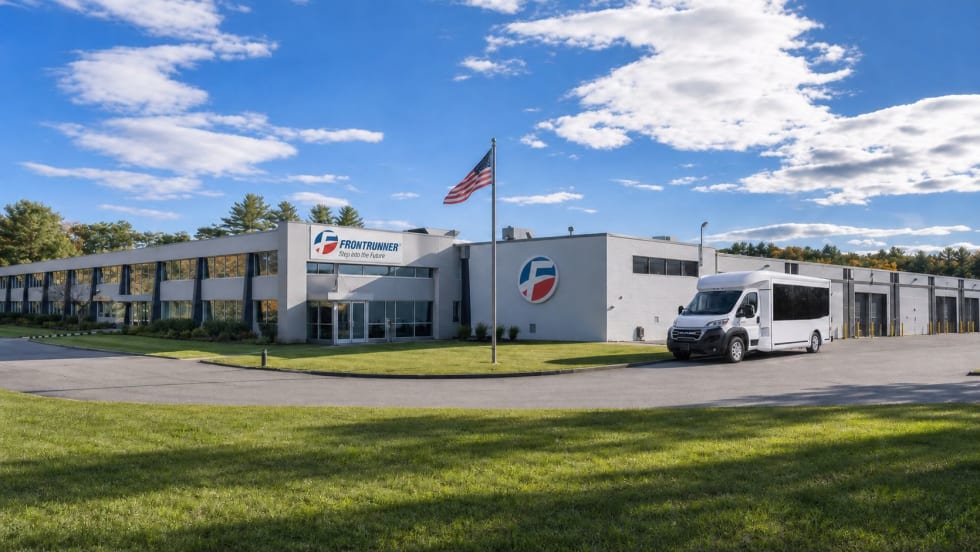
Frontrunner Bus Group Expands with New Massachusetts Headquarters
The significantly larger facility will provide the infrastructure needed to support the company’s growing workforce, advanced technologies, and expanding product line.
Read More →
Joshua Schank on Transportation Innovation, Risk, and the Future of Mobility
In this edition of METROspectives, Joshua Schank discusses lessons from launching LA Metro’s Office of Extraordinary Innovation, the challenges of advancing new mobility technologies, and much more.
Read More →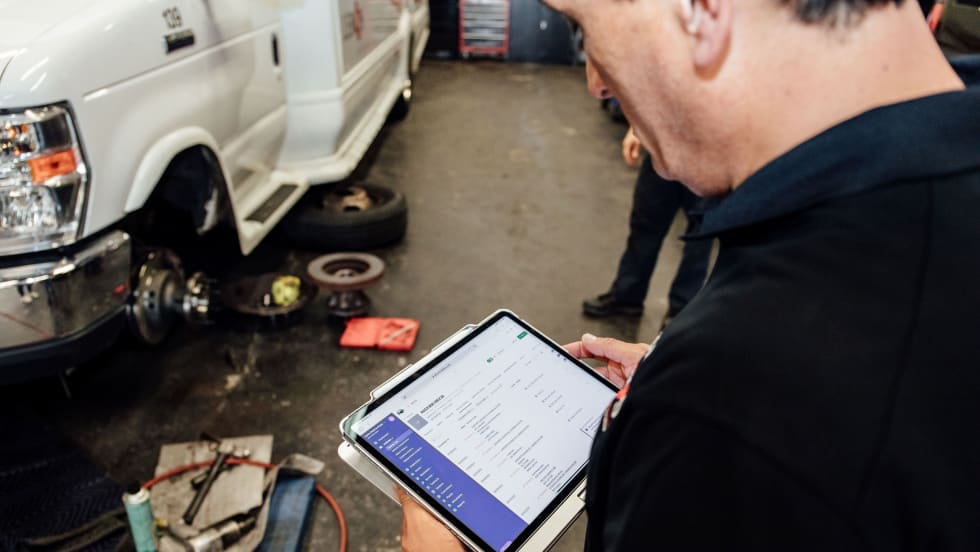
Reinventing Fleet Maintenance with Real-time Visibility and AI
Transit leaders need to know what needs fixing, where to look, who is responsible, when work is completed, and what it costs without having to chase information across disconnected systems.
Read More →
SamTrans Sets Priorities for Potential Connect Bay Area Revenue
The board-approved framework allocates future funding to maintaining service, rider improvements, equity initiatives, and infrastructure repairs.
Read More →
When Routine Fails: How Public Transit Must Adapt for the World Cup
The 2026 FIFA World Cup will test transit agencies’ ability to manage unpredictable travel patterns, making real-time data and operational flexibility critical to moving millions of visitors efficiently.
Read More →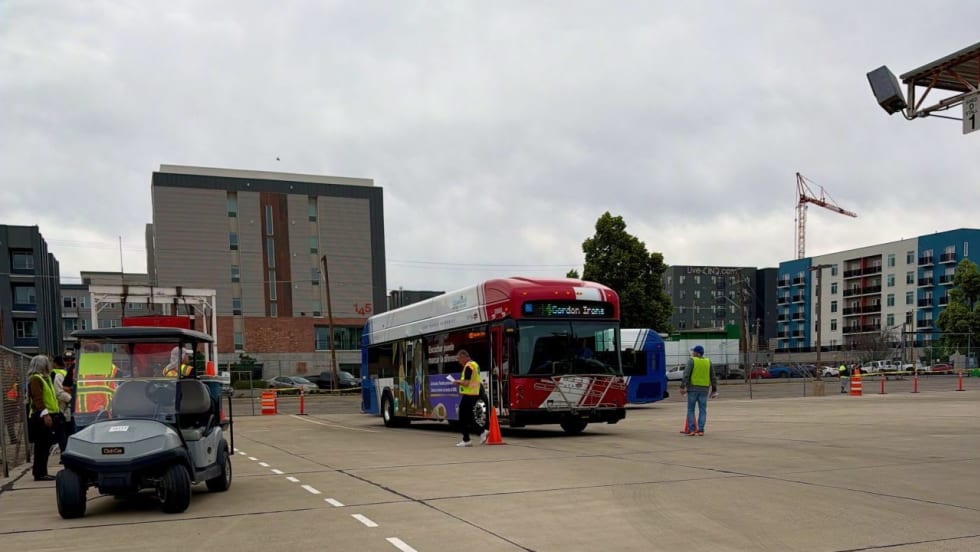
Photo Highlights from APTA's 2026 Mobility Conference
The photo gallery captures scenes from the conference, including the International Bus Roadeo, exhibit hall activities, the Bus Showcase, and much more.
Read More →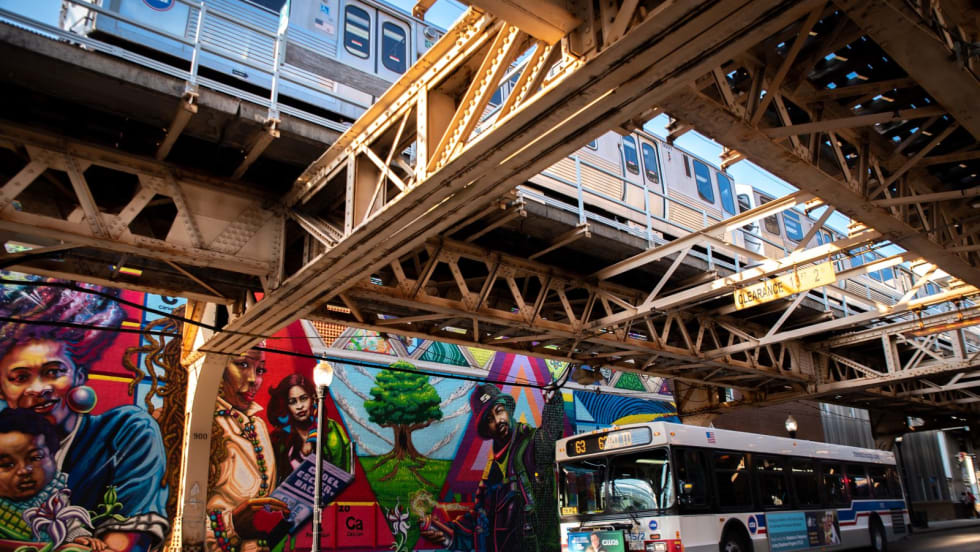
Chicago's NITA Act Moves Into Next Phase as Service Improvements Begin
Rider-focused improvements will begin rolling out across the system immediately as CTA, Metra, and Pace increase service this summer in the six-county region.
Read More →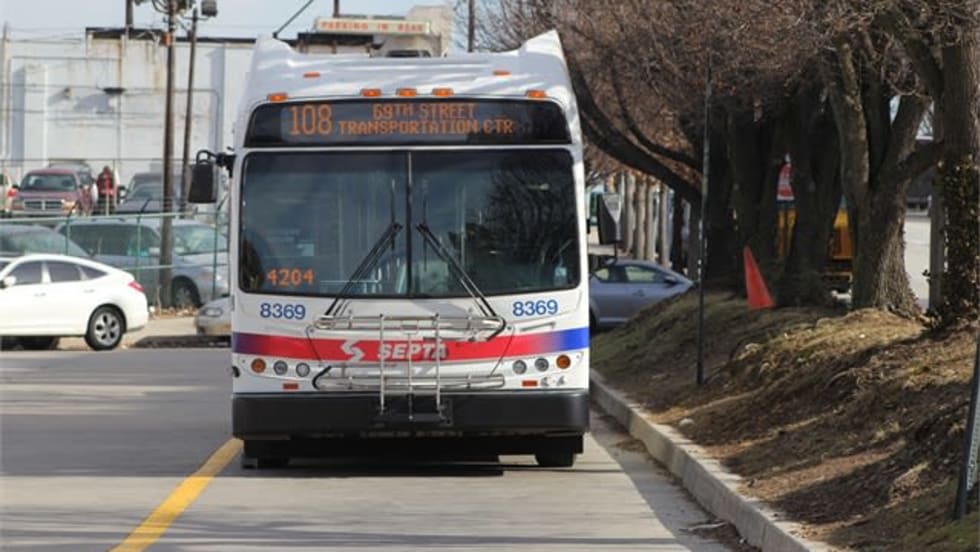
Philadelphia's SEPTA Approves Annual Transit Service Plan
Between 2021 and 2024, SEPTA held more than 200 public meetings — including 144 in-person sessions — throughout the SEPTA service region.
Read More →
A True Low-Floor Minibus Design Delivers Better Accessibility and Efficiency for Everyone
As transit demands evolve, so should your fleet. Download the whitepaper to see how the Low-Floor Frontrunner Minibus compares to traditional options.
Read More →
WMATA Debuts 'Fares Pay for Service' Awareness Campaign
The campaign was highlighted during a media event at the Paul S. Sarbanes Transit Center in Silver Spring, where WMATA’s GM/CEO Randy Clarke joined Metro Transit Police officers, WMATA management team, board members, and staff to expand fare enforcement and customer education efforts on Metro Bus routes throughout the region.
Read More →