



Chicago Transit chief: No fare hikes, service cuts for 2011
The $1.337 billion proposed budget maintains current fares and service levels. The budget is $66.7 million, or 5.2 percent, more than the 2010 budget due in part to contractually required union wage increases, along with pension and healthcare obligations. These fixed increases were partially offset by management efficiencies that are expected to save nearly $54 million in 2011.

Chicago Transit Authority (CTA) President Richard L. Rodriguez proposed a $1.337 billion budget for 2011 that, through cost-conscious management, maintains current fares and service levels. Rodriguez said that the CTA is working diligently to deliver on its mission while operating in a very tough economic environment. Despite limited resources, it will also continue to focus attention on areas where strategic investments will lay the foundation for future improvements and customer benefits.
“In spite of significant fixed costs and steep declines in anticipated public funding, our objective has been to meet the challenges of the struggling economy without adversely impacting the current level and quality of service provided to customers,” said Rodriguez. “Effective and disciplined management will be as essential in 2011 as it was in 2010.”
The proposed budget is $66.7 million, or 5.2 percent, more than the 2010 budget due in part to contractually required union wage increases, along with pension and healthcare obligations. These fixed increases were partially offset by management efficiencies that are expected to save nearly $54 million in 2011.
The CTA projects a balanced budget as required by law. The public funding mark set by the Regional Transportation Authority (RTA) is $529.3 million.This public funding level is $92.5 million lower than in 2008 and $257.9 million lower than projected following the passage of the state’s mass transit funding and reform bill (HB 656) in 2008. To make up the difference between what it has and what it needs, the CTA proposes to transfer $113 million in eligible capital funds to the operating budget.
In addition, due to a borrowing agreement between the RTA and the State, the CTA is to receive $83 million in bond proceeds in return for not raising fares. Although the State is experiencing its own financial struggles, the CTA is relying on it to meet its commitments to the CTA, both for the public funds that make up a large share of operating revenue and the promised capital program.
The Recovery Ratio, which measures the portion of operating expenses the CTA has to fund from revenues it generates, is forecast at 54.6 percent, which is higher than the required ratio set by the RTA and considerably higher than the recovery ratio required in other transit systems across the country.
In the coming year, Rodriguez said the CTA will be moving ahead with the first order of new rail cars in more than 15 years. Also under way is a new initiative that will transform the way customers pay for transit and allow the CTA to avoid an upfront capital cost to upgrade fare equipment. The CTA is implementing a biometric time and attendance system that will increase accountability and allow for better analysis due to more centralized data. It is also investing in multiple technology projects that will add value, ease customer use of the system, offer more and better information, and establish a safe environment.
The 2011 budget proposal includes a Capital Improvement Plan of $599.5 million, including $285 million in new state funding promised in the recent state capital program. Once those funds are received, the agency is ready with a list of projects that include overhauling buses; rehabilitating bus garages and rail stations; upgrading substations and replacing track to eliminate and prevent slow zones.
The transit agency also continues to apply for grant opportunities. In 2010, the CTA submitted 43 applications under these programs that total approximately $836 million. While many of the applications are pending, the CTA has been awarded approximately $13.5 million for BRT and various energy efficiency and planning projects. The CTA will continue to aggressively pursue additional funding under these competitive grant programs.
More Bus
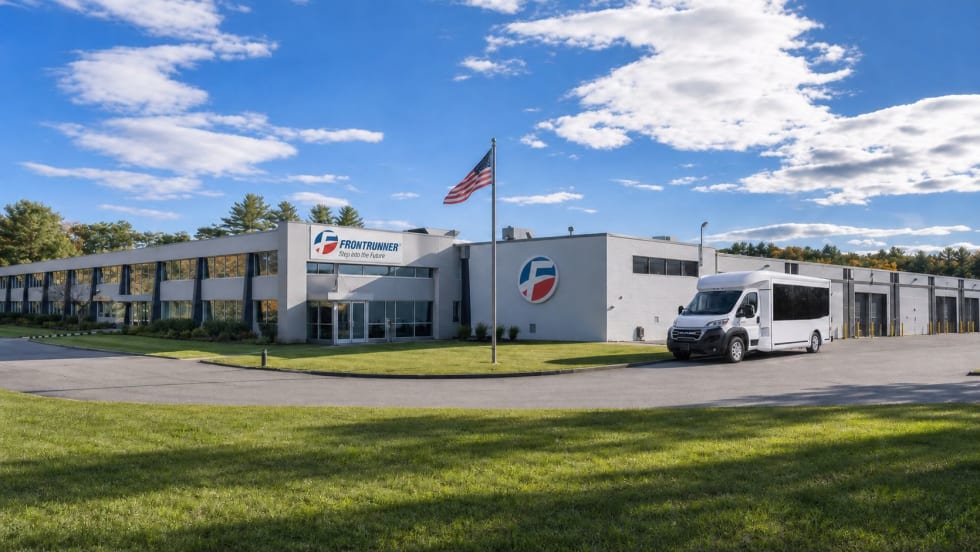
Frontrunner Bus Group Expands with New Massachusetts Headquarters
The significantly larger facility will provide the infrastructure needed to support the company’s growing workforce, advanced technologies, and expanding product line.
Read More →
Joshua Schank on Transportation Innovation, Risk, and the Future of Mobility
In this edition of METROspectives, Joshua Schank discusses lessons from launching LA Metro’s Office of Extraordinary Innovation, the challenges of advancing new mobility technologies, and much more.
Read More →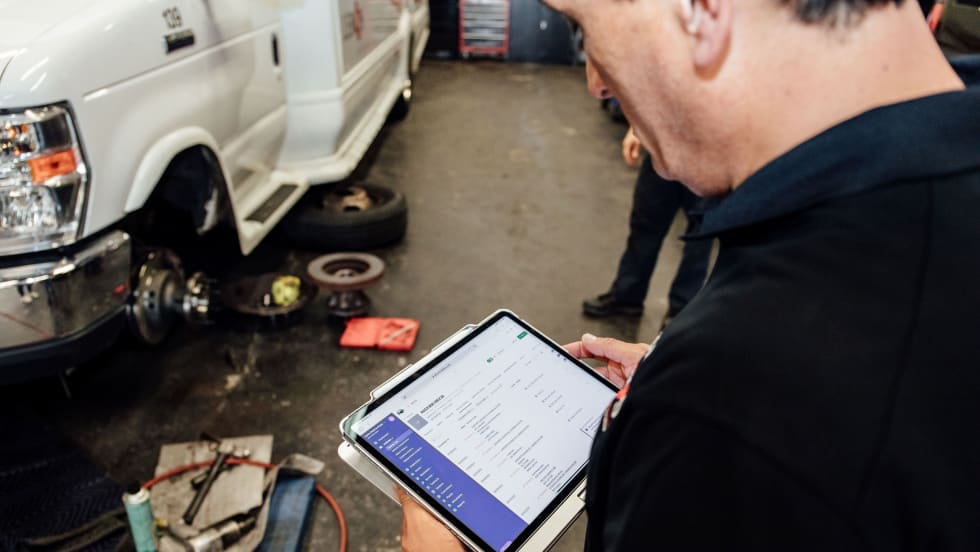
Reinventing Fleet Maintenance with Real-time Visibility and AI
Transit leaders need to know what needs fixing, where to look, who is responsible, when work is completed, and what it costs without having to chase information across disconnected systems.
Read More →
SamTrans Sets Priorities for Potential Connect Bay Area Revenue
The board-approved framework allocates future funding to maintaining service, rider improvements, equity initiatives, and infrastructure repairs.
Read More →
When Routine Fails: How Public Transit Must Adapt for the World Cup
The 2026 FIFA World Cup will test transit agencies’ ability to manage unpredictable travel patterns, making real-time data and operational flexibility critical to moving millions of visitors efficiently.
Read More →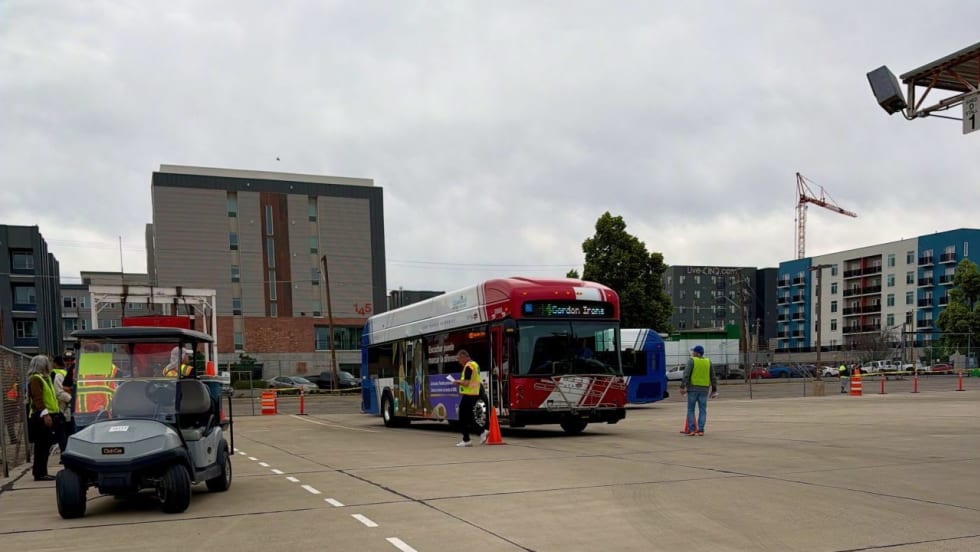
Photo Highlights from APTA's 2026 Mobility Conference
The photo gallery captures scenes from the conference, including the International Bus Roadeo, exhibit hall activities, the Bus Showcase, and much more.
Read More →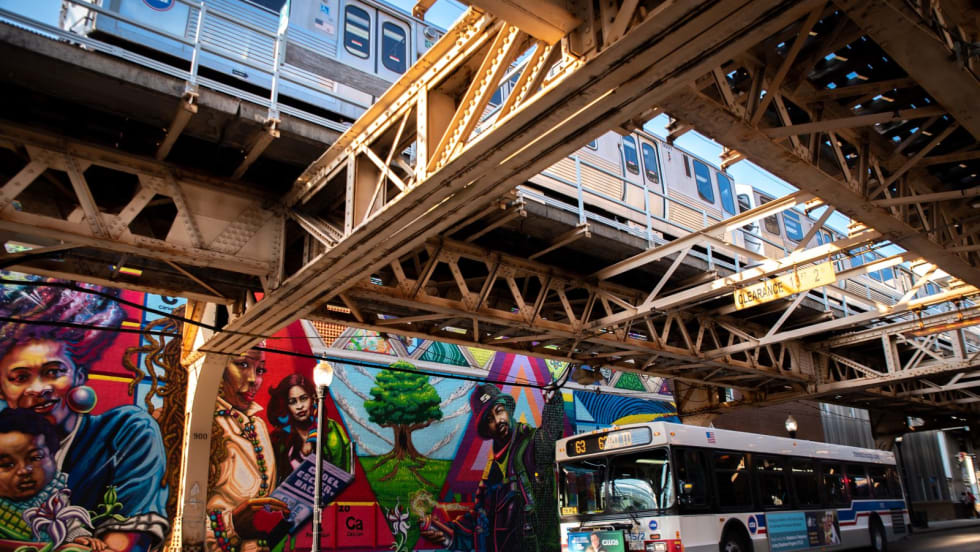
Chicago's NITA Act Moves Into Next Phase as Service Improvements Begin
Rider-focused improvements will begin rolling out across the system immediately as CTA, Metra, and Pace increase service this summer in the six-county region.
Read More →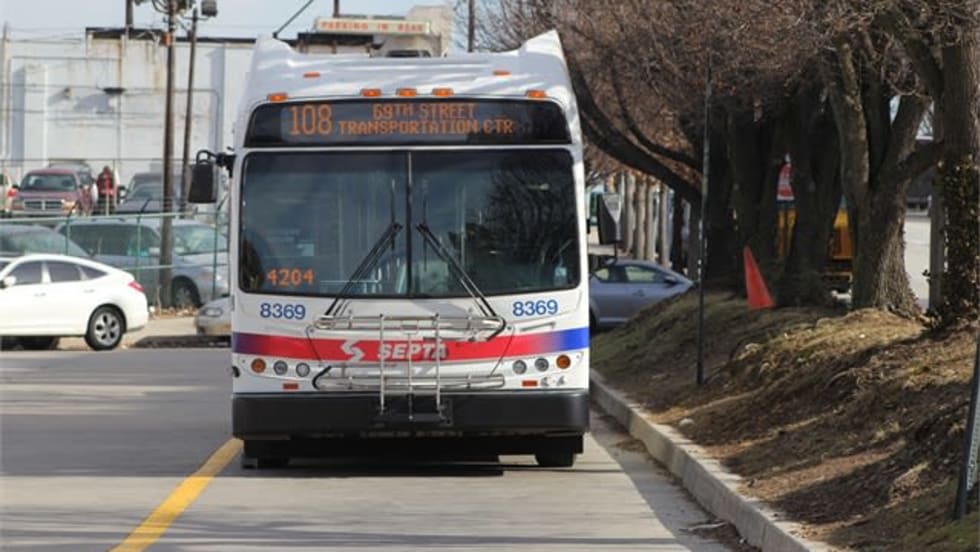
Philadelphia's SEPTA Approves Annual Transit Service Plan
Between 2021 and 2024, SEPTA held more than 200 public meetings — including 144 in-person sessions — throughout the SEPTA service region.
Read More →
A True Low-Floor Minibus Design Delivers Better Accessibility and Efficiency for Everyone
As transit demands evolve, so should your fleet. Download the whitepaper to see how the Low-Floor Frontrunner Minibus compares to traditional options.
Read More →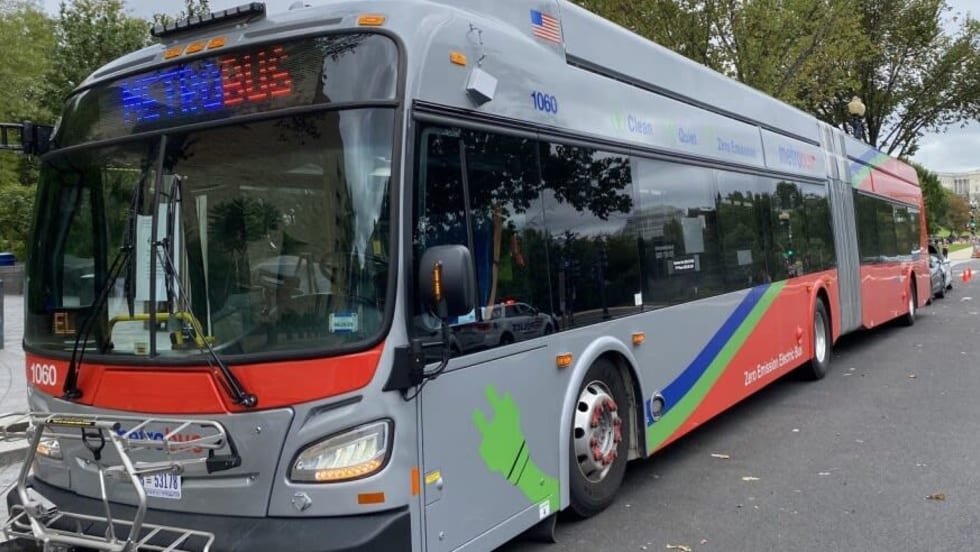
WMATA Debuts 'Fares Pay for Service' Awareness Campaign
The campaign was highlighted during a media event at the Paul S. Sarbanes Transit Center in Silver Spring, where WMATA’s GM/CEO Randy Clarke joined Metro Transit Police officers, WMATA management team, board members, and staff to expand fare enforcement and customer education efforts on Metro Bus routes throughout the region.
Read More →