



U.S. DOT grants $9.2M to improve transportation safety, sustainability
The awards to seven University Transportation Centers were made by the DOT’s Research and Innovative Technology Administration. Recipients are using new technologies and developing innovative approaches to improve transportation systems throughout the U.S.

Last week, U.S. Transportation Secretary Ray LaHood announced more than $9.2 million in grants to seven University Transportation Centers (UTCs) that are using new technologies and developing innovative approaches to improve transportation systems throughout the country.
“You don’t have to look far to see the impact of research conducted by the University Transportation Centers,” said Secretary LaHood. “From reducing congestion along vital transportation corridors to exploring transportation applications for newly developed advance composites, these universities are advancing research aligned with our national priorities.”
The awards were made by the U.S. Department of Transportation’s (DOT) Research and Innovative Technology Administration (RITA). UTCs conduct research that directly supports Department’s priorities and are a critical part of the national transportation strategy.
The Sustainable Transportation Center (STC), based at the UC Davis Institute of Transportation Studies, will use a $462,900 grant to fund research on creating renewable energy distribution systems that are resistant to accidents, the potential for using greenhouse gas pricing to affect consumer behavior, and long-term travel behavior changes resulting from temporary highway shut-downs. The STC will also use the grant to provide educational assistance to students pursuing sustainable transportation studies.
The University of Delaware Transportation Center will use a $462,900 grant to continue to seek solutions that can be applied to similar challenges in other parts of the country. The center’s research will focus on using data to better understand and improve the interaction between organizations when transportation corridors are compromised during an emergency, and on developing tools to assist various individual transportation agencies manage the transportation corridor as a system, rather than managing individual assets.
The National Center for Transportation Management, Research and Development, based at Morgan State University in Baltimore, will receive a $1 million grant. The money will help the center continue its research into urban transportation challenges, such as ways to reduce waiting and travel time for passengers using transit rail service and analyzing the transportation needs of the increasing number of elderly individuals caring for young children.
The Western Transportation Institute at Montana State University, the nation’s largest UTC, will receive a $3,239,900 grant. The center will use the funds to continue research activities on safety and operations, winter maintenance and effects, infrastructure maintenance and materials, systems engineering, mobility and public transportation, logistics and freight management as well as transportation planning and economics. The funds will also be used to involve undergraduate and graduate students in research projects and conduct outreach events to share research results.
The Center for Transportation and Materials Engineering at Youngstown State University, Ohio, will use a $463,400 grant to continue investigating the relationship of materials engineering and advanced manufacturing to the sustainability of the transportation infrastructure. Specific efforts focus on the development or adaption of lighter-weight or stronger materials for use in transportation, including the development of lighter, more fuel efficient vehicles. Research will also look at increasing the longevity of transportation infrastructure, improving bridge safety and improving sustainability in the transportation system.
The Southwest Region University Transportation Center (SWUTC) at Texas A&M University will use a $2,082,800 grant to continue research, education and technology transfer activities at its consortium universities which include Texas A&M University, Texas Southern University and the University of Texas at Austin. Research efforts focus on supporting economic growth and trade, enhancing mobility and infrastructure efficiency, and promoting safety, environmental stewardship and transportation workforce development.
Also located at Texas A&M University, the University Transportation Center for Mobility will use a $1.5 million grant to continue conducting an integrated, interdisciplinary, competitive program of research, education, and technology transfer in mobility, rural public transportation, congestion management and mitigation, and innovative financing.
UTCs maintain vital partnerships with regional, state and local transportation agencies to help find solutions to challenges facing local communities. In addition, RITA’s UTC Program is now leading the efforts to develop a National Transportation Workforce Development Strategy to ensure our nation has access to a diverse, multi-disciplinary and highly skilled workforce capable of meeting the needs of the 21st-century transportation system.
RITA provides $81 million in annual funding to 136 colleges and universities conducting transportation research and providing the training needed to manage today's transportation infrastructure through the UTC Program. UTC colleges and universities trained 32,000 practicing transportation professionals in 2009. More information about the UTC Program can be found at www.rita.dot.gov.
More Paratransit
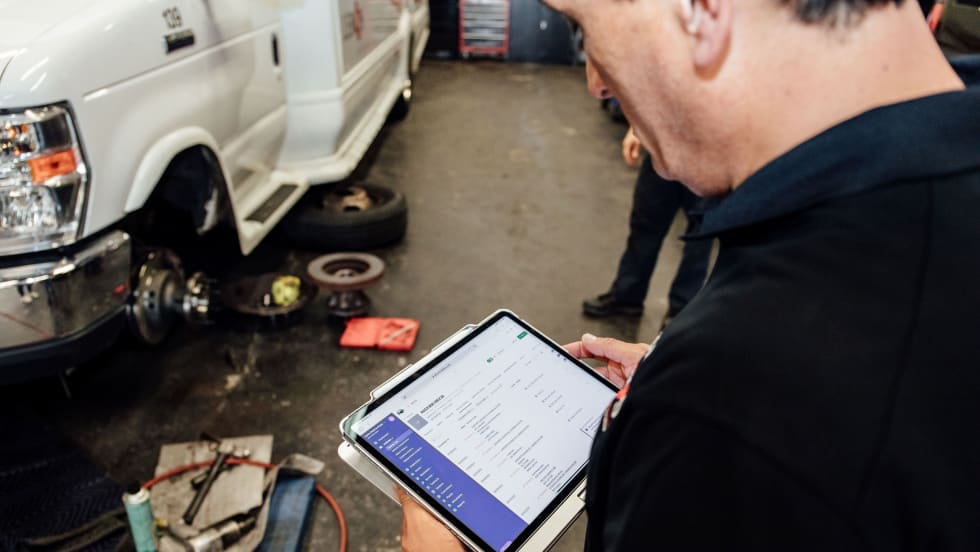
Reinventing Fleet Maintenance with Real-time Visibility and AI
Transit leaders need to know what needs fixing, where to look, who is responsible, when work is completed, and what it costs without having to chase information across disconnected systems.
Read More →
SamTrans Sets Priorities for Potential Connect Bay Area Revenue
The board-approved framework allocates future funding to maintaining service, rider improvements, equity initiatives, and infrastructure repairs.
Read More →
Chicago's NITA Act Moves Into Next Phase as Service Improvements Begin
Rider-focused improvements will begin rolling out across the system immediately as CTA, Metra, and Pace increase service this summer in the six-county region.
Read More →
A True Low-Floor Minibus Design Delivers Better Accessibility and Efficiency for Everyone
As transit demands evolve, so should your fleet. Download the whitepaper to see how the Low-Floor Frontrunner Minibus compares to traditional options.
Read More →
2026 METRO Buyer’s Guide & Directory
Searching for the right vehicles, technology, equipment, or services for your public transit or motorcoach operation? This industry guide brings together manufacturers and suppliers from across the transportation market — all in one place. Download it to connect with the companies that help agencies and operators improve mobility, enhance operations, and move their organizations forward.
Read More →
Rays the Mark Foundation to Honor CDTA’s Emily DeVito at October Fundraiser
Event at Chicago-area Ravisloe Country Club will support DeVito, a transit employee and mother of twins battling kidney failure and awaiting a transplant.
Read More →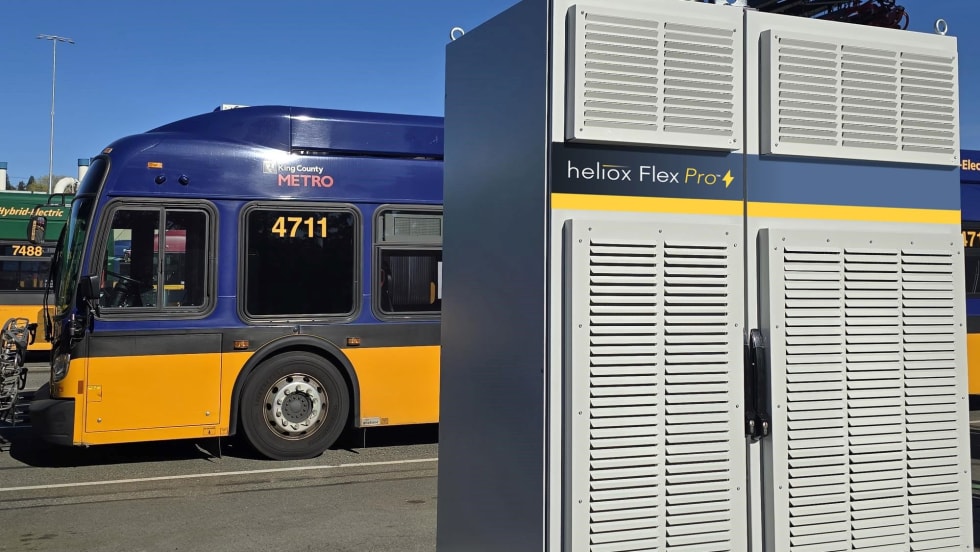
King County Test Heliox Chargers, Keolis Lands California Contract Top Biz Briefs
Stay informed with these quick takes on the projects and companies driving progress across the transportation landscape.
Read More →
Spare Expands AI-Native Operations Platform With Fixed-Route Capabilities
The launch marks a major milestone in Spare’s vision for unified transit operations.
Read More →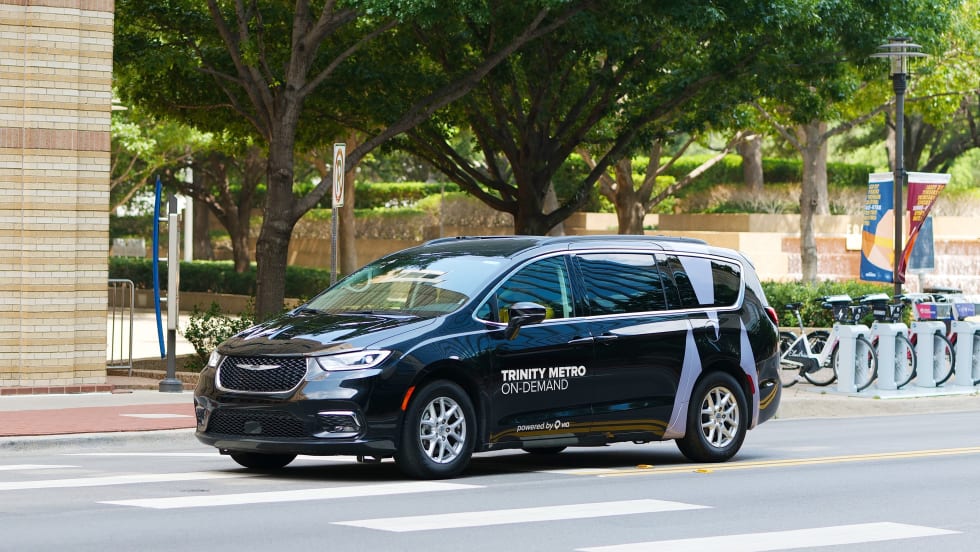
Via Announces Scheduling and Supply Studio
The Scheduling and Supply Studio provides the world’s first fully integrated platform for optimizing vehicle and driver availability to rider demand, said company officials.
Read More →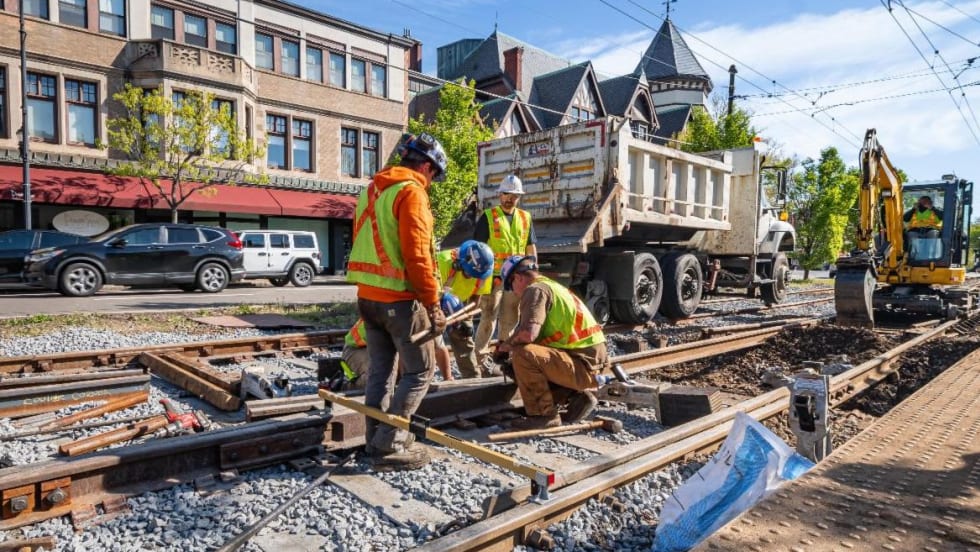
Boston's MBTA Completes Latest Green Line Work
The work took place during 12 consecutive days of shuttle bus service replacement between Kenmore and Cleveland Circle.
Read More →