



Feds release $2.4B for high-speed rail projects
Recipients include California ($901 million) for the construction of new lines in the Central Valley; Florida ($800 million) for the Tampa to Orlando corridor; and Iowa ($230 million) to create a new intercity passenger rail service between Iowa City and Chicago.

On Thursday, U.S. Transportation Secretary Ray LaHood announced that 54 high-speed rail projects in 23 states will share in $2.4 billion to continue developing America’s first nationwide program of high-speed intercity passenger rail service
The Department's Federal Railroad Administration (FRA) received 132 applications from 32 states totaling $8.8 billion, more than three times the $2.4 billion available. During the first round of awards in the fall of 2009, applicants submitted more than $55 billion in project proposals for the initial $8 billion from the American Recovery and Reinvestment Act.
"Some of these grants will begin to extend rail lines to areas where local, state, regional and private sector leaders are working together. Other grants will continue building rail lines in places where we can see clear progress. And, still other grants will strenghthen partnerships among state regional and freight railroads," said Secretary LaHood.
More than 30 rail manufacturers and suppliers, both domestic and foreign, have agreed to establish or expand their bases of operations in the U.S. if they are hired to build America's next generation high-speed lines, a commitment the Obama Administration secured to help ensure new jobs are created here at home.
"Each grant represents a building block as the outlines of a national high-speed rail network takes shape," said Secretary LaHood. "From this progress, the benefits are clear: high-speed rail will spur economic development, job creation and have a powerful ripple effect that helps countless local businesses."
Some award examples include:
California received more than $901 million, including $715 million for the construction of new high-speed rail lines in the Central Valley. The state has made significant investments in passenger rail that have led to remarkable ridership growth;
Florida received $800 million for the Tampa to Orlando high-speed rail corridor. The state's long-term vision is for a high-speed rail line that connects Tampa, Orlando, Miami and other communities;
Iowa received $230 million to create a new intercity passenger rail service between Iowa City and Chicago through the Quad Cities. When completed, the service will form an integral part of the existing efforts to develop the Chicago Hub intercity rail system in the Midwest; and
Michigan received $161 million for a high-speed rail corridor connecting Detroit and Chicago, the two largest cities in the Midwest. The long-term vision for this corridor includes doubling the number of daily round trips between Detroit and Chicago.
The money is being awarded for a range of activities, such as construction of track and stations, purchase of new passenger equipment, and planning studies to develop new high-speed rail service.
“In the 20th century, our vision led to the interstate highway system,” said FRA Administrator Joe Szabo. “In the 21st century, our vision will give us a world-class network of high-speed passenger rail corridors.”
In addition to the $8 billion down payment from the Recovery Act, funding for high-speed rail has come from several other sources. These include $95 million from the U.S. Department of Transportation's FY 2009 appropriations and remaining money from a related FY 2008 appropriations program, and from the Department's FY 2010 appropriations, which included at least $2.125 billion for high-speed rail service development programs, $245 million for individual projects and $50 million for planning and multi-state proposal activities.
A complete project list can be viewed here.
More Rail

The Invisible Infrastructure of Passenger Flow
What a seat reservation system on Austria’s Railjet trains reveals about the future of rider experience, and why U.S. agencies should pay attention.
Read More →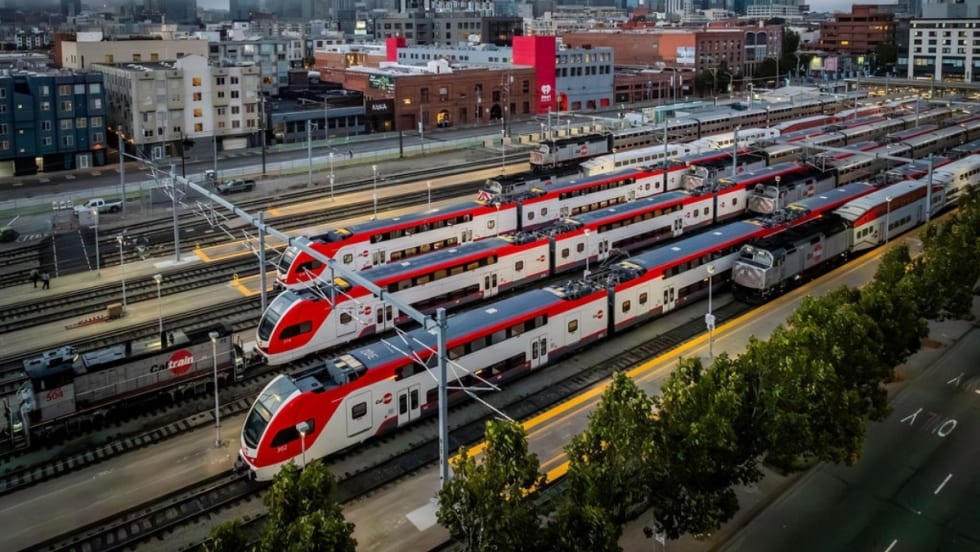
Caltrain Board Approves FY27 Budget, Endorses Efficiency Measures
The move ensures Caltrain service will continue operating as usual in the near term, but long-term financial challenges remain for the rail agency absent a new revenue source.
Read More →
Alstom Acquires Delaware Site to Support Amtrak NextGen Acela Fleet
The company is investing more than $55 million to acquire and improve the property and will employ approximately 100 people at this site once it is operational.
Read More →
When Routine Fails: How Public Transit Must Adapt for the World Cup
The 2026 FIFA World Cup will test transit agencies’ ability to manage unpredictable travel patterns, making real-time data and operational flexibility critical to moving millions of visitors efficiently.
Read More →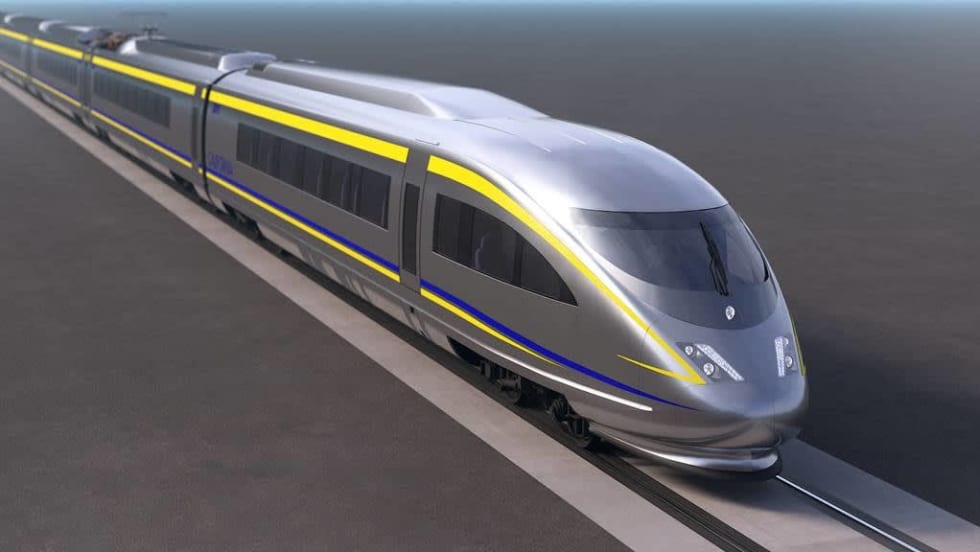
California Selects Team for Nation’s First True High-Speed Rail Track and Systems Contract
The board action follows completion of track installation at the 150-acre southern railhead in Kern County, which will serve as the staging and distribution hub for high-speed track and systems installation.
Read More →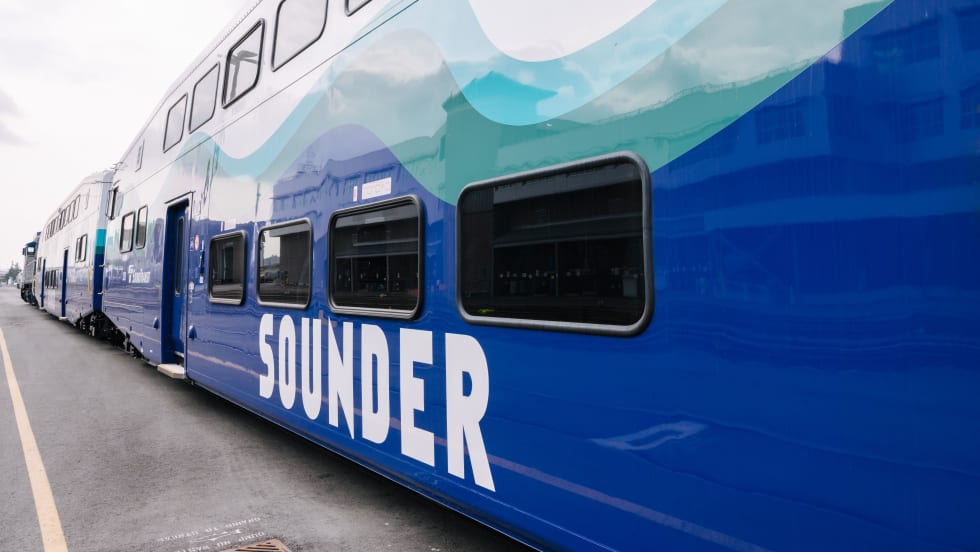
Seattle's Sound Transit Launches New Sounder Railcars into Service
Alstom manufactured all the cars under a $46.5 million contract and came into service in anticipation of summer crowds for soccer and baseball.
Read More →
Alstom Partners With Universities to Build Rail Talent Pipeline
The partnerships include a new engineering scholarship fund at Alfred State College in Western New York and collaborations with transportation centers at the University of Pennsylvania and New York University.
Read More →
Chicago's NITA Act Moves Into Next Phase as Service Improvements Begin
Rider-focused improvements will begin rolling out across the system immediately as CTA, Metra, and Pace increase service this summer in the six-county region.
Read More →
Seattle’s Sound Transit Adopts Updated ST3 System Plan
The updated system plan incorporates cost savings across the agency, including new revenue sources and financial policies, to set the agency on a sustainable path for the future.
Read More →
Inside Look: EMBARK Expands Fare-Free Transit Program Through New Public-Private Partnership
The OKC transit agency says sponsorship helps subsidize the Third Friday Free initiative while reducing barriers for first-time riders and boosting ridership across buses, streetcars, and river cruises.
Read More →