



OCTA pushes for changes to Transportation Improvement Program
With nearly $50 billion invested each year by the federal government in transportation programs — equaling approximately 868,000 jobs — OCTA is advocating a three-pronged approached called “Breaking Down Barriers.”

The Orange County Transportation Authority (OCTA) is pioneering a nationwide effort to create jobs and rebuild infrastructure by pushing to expedite the federal environmental process to allow vital transportation improvements to get under way.
The current problem? The lengthy process to make changes to the Transportation Improvement Program (TIP), limited bidding options with no pre-award authority and repetitive requirements in the environmental process.
“These barriers can add significant delays to project funding, which in turn delay jobs and the nation’s economic recovery,” said Will Kempton, chief executive officer of OCTA. “Our goal is to speed up the process to generate employment opportunities and make much-needed improvements to our highways, roadways and railways.”
With nearly $50 billion invested each year by the federal government in transportation programs — equaling approximately 868,000 jobs — OCTA is advocating a three-pronged approached called “Breaking Down Barriers” which will:
Delegate the TIP amendment process to state or local agencies to speed up the process
Allow TIP projects to move forward as design-build when possible and modify design standards to be more flexible so projects can be built more quickly
Set a defined time period for permit approvals to keep projects moving
“The environmental process is essential to ensure we are making improvements that benefit our communities and are sensitive to the surroundings,” said Kempton. “But unnecessary process delays are preventing critical projects from getting under way.”
OCTA has taken this message around the country through meetings with congressional members, officials at the Federal Highway Administration and officials with various state departments of transportation.
Recently, OCTA lead a discussion regarding the initiative at the American Public Transportation Association’s annual conference in San Antonio, Texas. The State Affairs Committee, Federal Policies and Procedures Committee, and Policy and Planning Committee were briefed on OCTA’s effort and pledged their support to help see the Breaking Down Barriers plan become a reality.
OCTA is not alone in this endeavor. U.S. Congressman John Mica (R-Fla.) is advocating for The 437 Day Plan — an effort to expedite project planning similar to what was accomplished with the Minneapolis Bridge (I-35W), which was rebuilt in 437 days after its collapse in 2007.
Congressman Mica’s plan calls for:
Improving the efficiency of environmental reviews such as combining environmental impact statement reviews and the record of decision
Advancing pre-construction activities by allowing agencies to purchase land during the environmental review period
Promoting integrated planning and programming by recognizing environmental decisions during the planning process
Clarifying environmental roles and eliminating duplication, which includes establishing a pilot program that delegates environmental review responsibilities to states with similar or more stringent standards
The Federal Highway Administration also is working on an initiative to deliver projects more quickly. The "Every Day Counts" plan proposes:
Identifying environmental, community and economic goals early in the planning stage and carrying them through design and construction
Involving attorneys early to avoid problems later
Expanding the use of programmatic agreements
Expanding the use of in-lieu fees and mitigation banking
Giving flexibility in right-of-way acquisition and utility relocation
“We need to continue working with our partners at the local, state and federal levels to find solutions to the barriers that are preventing our nation from getting back to work,” said Kempton. “It is encouraging to see our representatives working toward this goal and I look forward to continuing our effort to expedite the process.”
More Bus
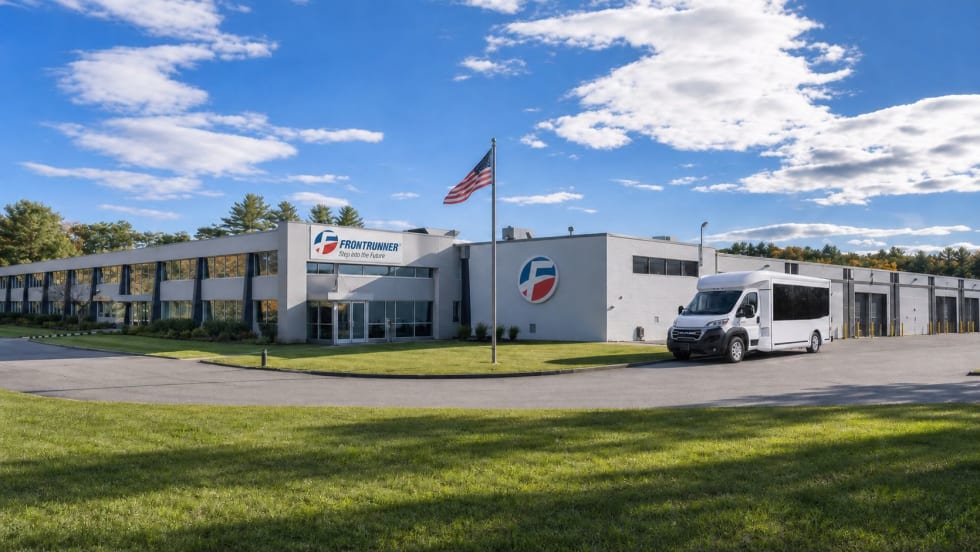
Frontrunner Bus Group Expands with New Massachusetts Headquarters
The significantly larger facility will provide the infrastructure needed to support the company’s growing workforce, advanced technologies, and expanding product line.
Read More →
Joshua Schank on Transportation Innovation, Risk, and the Future of Mobility
In this edition of METROspectives, Joshua Schank discusses lessons from launching LA Metro’s Office of Extraordinary Innovation, the challenges of advancing new mobility technologies, and much more.
Read More →
Reinventing Fleet Maintenance with Real-time Visibility and AI
Transit leaders need to know what needs fixing, where to look, who is responsible, when work is completed, and what it costs without having to chase information across disconnected systems.
Read More →
SamTrans Sets Priorities for Potential Connect Bay Area Revenue
The board-approved framework allocates future funding to maintaining service, rider improvements, equity initiatives, and infrastructure repairs.
Read More →
When Routine Fails: How Public Transit Must Adapt for the World Cup
The 2026 FIFA World Cup will test transit agencies’ ability to manage unpredictable travel patterns, making real-time data and operational flexibility critical to moving millions of visitors efficiently.
Read More →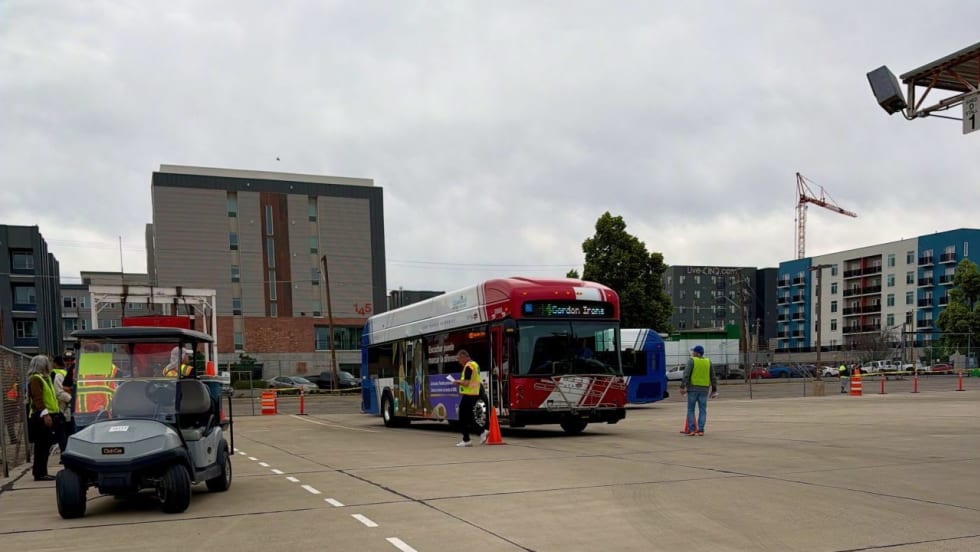
Photo Highlights from APTA's 2026 Mobility Conference
The photo gallery captures scenes from the conference, including the International Bus Roadeo, exhibit hall activities, the Bus Showcase, and much more.
Read More →
Chicago's NITA Act Moves Into Next Phase as Service Improvements Begin
Rider-focused improvements will begin rolling out across the system immediately as CTA, Metra, and Pace increase service this summer in the six-county region.
Read More →
Philadelphia's SEPTA Approves Annual Transit Service Plan
Between 2021 and 2024, SEPTA held more than 200 public meetings — including 144 in-person sessions — throughout the SEPTA service region.
Read More →
A True Low-Floor Minibus Design Delivers Better Accessibility and Efficiency for Everyone
As transit demands evolve, so should your fleet. Download the whitepaper to see how the Low-Floor Frontrunner Minibus compares to traditional options.
Read More →
WMATA Debuts 'Fares Pay for Service' Awareness Campaign
The campaign was highlighted during a media event at the Paul S. Sarbanes Transit Center in Silver Spring, where WMATA’s GM/CEO Randy Clarke joined Metro Transit Police officers, WMATA management team, board members, and staff to expand fare enforcement and customer education efforts on Metro Bus routes throughout the region.
Read More →