



Calif.’s Big Blue Bus honored for eco-maintenance facility
The $60M, 66,000 square-foot maintenance facility enables mechanics to service every type of alternative fueled vehicle, and features 600 roof-mounted photovoltaic panels, minimum energy water heaters to help reduce operating costs, and an urban runoff system to filter storm water.

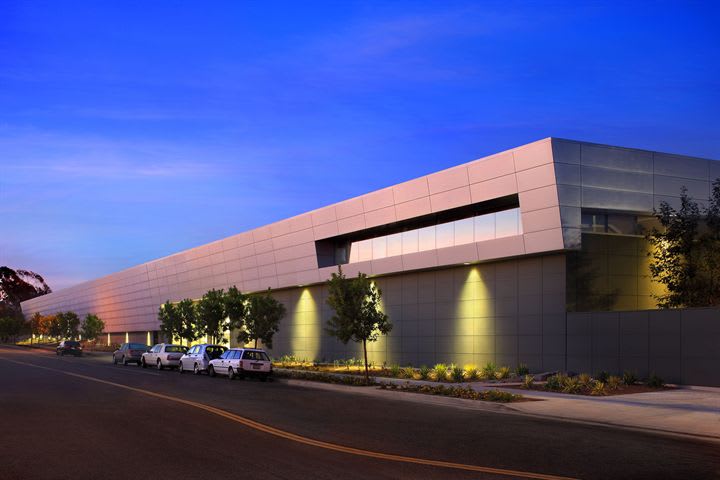
APWA recognized Big Blue Bus' environmentally significant 66,000 square-foot maintenance facility expansion project, which was completed in the fall of 2009. Photo credit: Lawrence Anderson.
[IMAGE]BigBlueMaintFacility-Exterior-Photo-Credit-Lawrence-Anderson-2.jpg[/IMAGE] Santa Monica, Calif.’s Big Blue Bus has been honored with the 2010 Project of the Year award from the Southern California chapter of the American Public Works Association (APWA). The award is being given in recognition of the transit agency’s environmentally significant 66,000 square-foot maintenance facility expansion project, which was completed in the fall of 2009.
"Each year, the APWA recognizes public agencies for their outstanding achievements, and also for the wealth of good ideas they share with others,” said George Alvarez, president of the Southern California chapter of the APWA. “The Big Blue Bus facility expansion project has earned this recognition for its demonstrated awareness of the need to protect and enhance the environment, while also contributing positively to the community it serves."
[IMAGE]BigBlueMaintFacility-Bus-on-Lift-Photo-credit-Gary-Kruger-2.jpg[/IMAGE] The $60 million project, which was financed entirely by public transit funds, features the latest in sustainable transit maintenance technologies, including the ability to service every type of alternative fueled vehicle in the transit agency’s fleet. The project was a collaborative effort between the Big Blue Bus and the city’s Department of Public Works.
“The city’s architectural and construction management on this project was outstanding, and we owe a lot to them for having this project turn out so exceptionally,” said Stephanie Negriff, director of transit services for the Big Blue Bus.
The expansion project included the construction of 21 high-tech service bays, which can handle the maintenance and repair of up to 20 buses a day, and also the demolition of the previous 40-year old maintenance building. Two of the new bays are dedicated to Santa Monica Fire Department vehicles, while three others are extra-long to service the new 60-foot articulated buses on order.
In keeping with the city’s commitment to sustainability, the facility includes many eco-friendly and energy efficient features, such as 600 roof-mounted photovoltaic panels, minimum energy water heaters to help reduce operating costs and an urban runoff system to filter storm water.
In addition, recycled content was used extensively in a variety of constructions materials, including concrete, structural steel, carpeting, gypsum board, finishes and insulation.
A distinctive feature of the facility is the 200-foot long programmable glass art wall situated along the perimeter, which contains special translucent panels that change colors and patterns to simulate movement along the glass skin. The wall helps provide privacy for the expanded bus yard, and also incorporates a bus stop at one end.
The Los Angeles office of HOK served as the facility’s architect and Morley Builders handled the construction.
More Bus
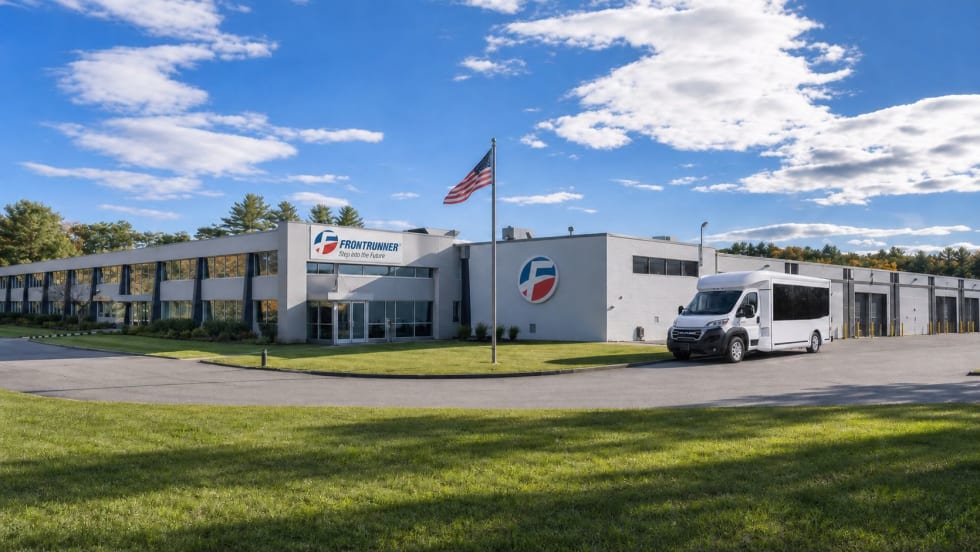
Frontrunner Bus Group Expands with New Massachusetts Headquarters
The significantly larger facility will provide the infrastructure needed to support the company’s growing workforce, advanced technologies, and expanding product line.
Read More →
Joshua Schank on Transportation Innovation, Risk, and the Future of Mobility
In this edition of METROspectives, Joshua Schank discusses lessons from launching LA Metro’s Office of Extraordinary Innovation, the challenges of advancing new mobility technologies, and much more.
Read More →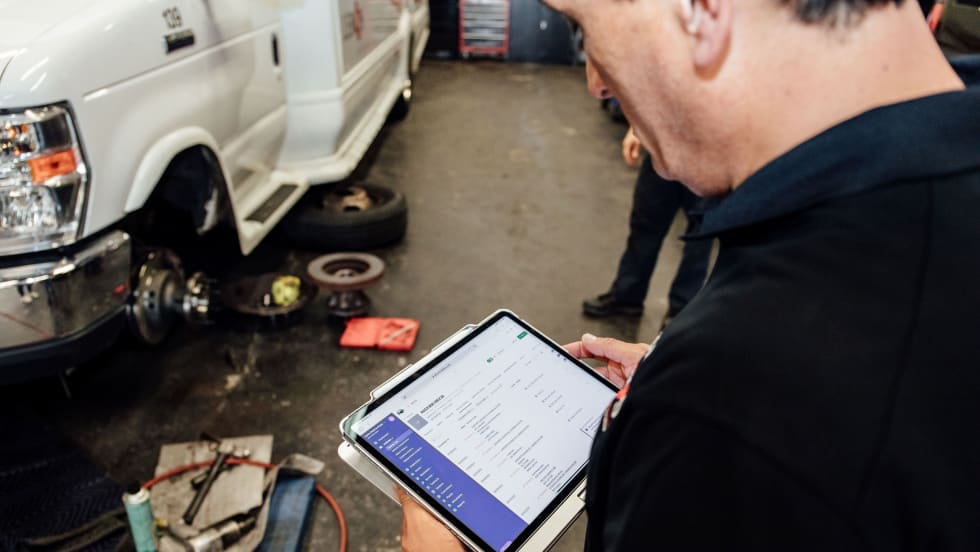
Reinventing Fleet Maintenance with Real-time Visibility and AI
Transit leaders need to know what needs fixing, where to look, who is responsible, when work is completed, and what it costs without having to chase information across disconnected systems.
Read More →
SamTrans Sets Priorities for Potential Connect Bay Area Revenue
The board-approved framework allocates future funding to maintaining service, rider improvements, equity initiatives, and infrastructure repairs.
Read More →
When Routine Fails: How Public Transit Must Adapt for the World Cup
The 2026 FIFA World Cup will test transit agencies’ ability to manage unpredictable travel patterns, making real-time data and operational flexibility critical to moving millions of visitors efficiently.
Read More →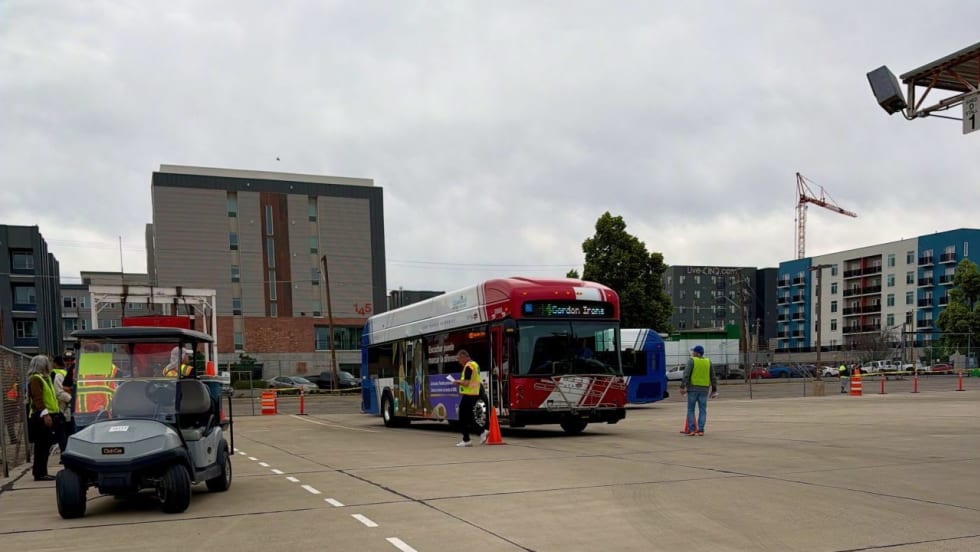
Photo Highlights from APTA's 2026 Mobility Conference
The photo gallery captures scenes from the conference, including the International Bus Roadeo, exhibit hall activities, the Bus Showcase, and much more.
Read More →
Chicago's NITA Act Moves Into Next Phase as Service Improvements Begin
Rider-focused improvements will begin rolling out across the system immediately as CTA, Metra, and Pace increase service this summer in the six-county region.
Read More →
Philadelphia's SEPTA Approves Annual Transit Service Plan
Between 2021 and 2024, SEPTA held more than 200 public meetings — including 144 in-person sessions — throughout the SEPTA service region.
Read More →
A True Low-Floor Minibus Design Delivers Better Accessibility and Efficiency for Everyone
As transit demands evolve, so should your fleet. Download the whitepaper to see how the Low-Floor Frontrunner Minibus compares to traditional options.
Read More →
WMATA Debuts 'Fares Pay for Service' Awareness Campaign
The campaign was highlighted during a media event at the Paul S. Sarbanes Transit Center in Silver Spring, where WMATA’s GM/CEO Randy Clarke joined Metro Transit Police officers, WMATA management team, board members, and staff to expand fare enforcement and customer education efforts on Metro Bus routes throughout the region.
Read More →