



FRA to redirect $1 billion in high-speed rail funds
Wisconsin has suspended work under its existing high-speed rail agreement and the incoming Governors in Wisconsin and Ohio have both indicated that they will not move forward to use high-speed rail money received under the Recovery Act.

The Federal Railroad Administration (FRA) will redirect $1.195 billion in high-speed rail funds originally designated for Wisconsin and Ohio to other states eager to develop high-speed rail corridors across the U.S.
Wisconsin suspended work under its existing high-speed rail agreement, and the incoming Governors in Wisconsin and Ohio have both indicated that they will not move forward to use high-speed rail money received under the American Recovery and Reinvestment Act (ARRA). As a result, $1.195 billion will be redirected to high-speed rail projects already underway in other states.
“High-speed rail will modernize America’s valuable transportation network, while reinvigorating the manufacturing sector and putting people back to work in good-paying jobs,” said Transportation Secretary Ray LaHood. “I am pleased that so many other states are enthusiastic about the additional support they are receiving to help bring America’s high-speed rail network to life.”
The Recovery Act included $8 billion to launch a national high-speed rail program that will modernize America’s transportation network, spur economic development domestically and keep the U.S. competitive with other leading nations. High-speed rail grants announced under the Recovery Act can be used only for high-speed rail projects and not for other transportation projects.
Last year, the Obama Administration received a commitment from 30 domestic and foreign rail manufacturers to establish or expand their base of operations in the U.S., if selected for contracts building America’s high-speed rail network. These rail manufacturers and suppliers committed to not only locate in the U.S., but to ensure high-speed rail projects are built by American workers with American-made supplies.
To deliver maximum economic benefits to American taxpayers, the Administration’s high-speed rail program also includes a 100 percent ‘Buy American’ requirement.
Under the Recovery Act, the FRA originally announced $810 million for Wisconsin’s Milwaukee-Madison corridor and $400 million for Ohio’s Cincinnati-Columbus-Cleveland “3C” route. The FRA will redirect $810 million from Wisconsin and $385 million from Ohio, and will work with these states to determine whether they have already spent money under their contracts that should be reimbursed.
The $1.195 billion originally designated for those high-speed rail projects in Wisconsin and Ohio will now be used to support projects in the following states:
California: up to $624 million.
Florida: up to $342.3 million.
Washington State: up to $161.5 million.
Illinois: up to $42.3 million.
New York: up to $7.3 million.
Maine: up to $3.3 million.
Massachusetts: up to $2.8 million.
Vermont: up to $2.7 million.
Missouri up to $2.2 million.
Wisconsin: up to $2 million for the Hiawatha line.
Oregon: up to $1.6 million.
North Carolina: up to $1.5 million.
Iowa: up to $309,080.
Indiana: up to $364,980.
EXTRA: Click here to find out how much Japan is offering to help pay for Florida's high-speed rail project.
More Rail

The Invisible Infrastructure of Passenger Flow
What a seat reservation system on Austria’s Railjet trains reveals about the future of rider experience, and why U.S. agencies should pay attention.
Read More →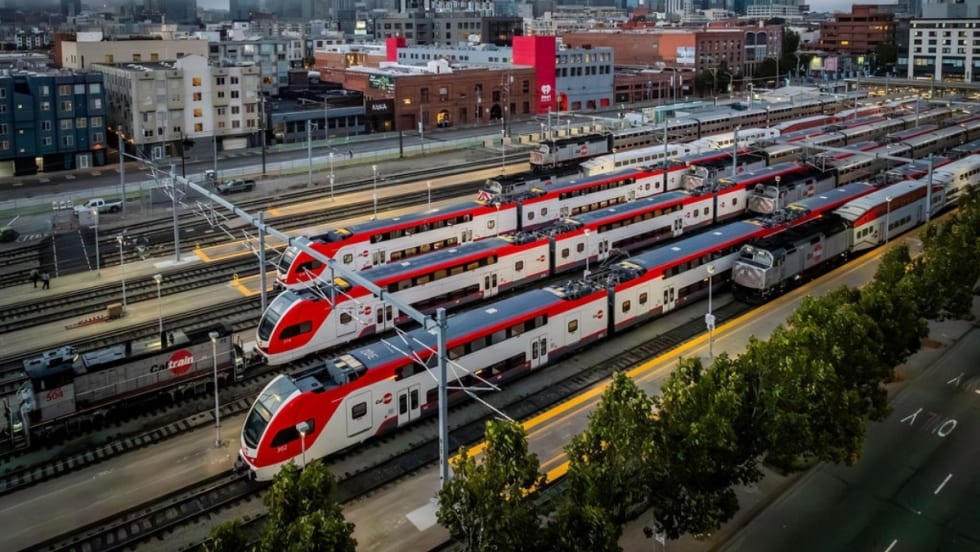
Caltrain Board Approves FY27 Budget, Endorses Efficiency Measures
The move ensures Caltrain service will continue operating as usual in the near term, but long-term financial challenges remain for the rail agency absent a new revenue source.
Read More →
Alstom Acquires Delaware Site to Support Amtrak NextGen Acela Fleet
The company is investing more than $55 million to acquire and improve the property and will employ approximately 100 people at this site once it is operational.
Read More →
When Routine Fails: How Public Transit Must Adapt for the World Cup
The 2026 FIFA World Cup will test transit agencies’ ability to manage unpredictable travel patterns, making real-time data and operational flexibility critical to moving millions of visitors efficiently.
Read More →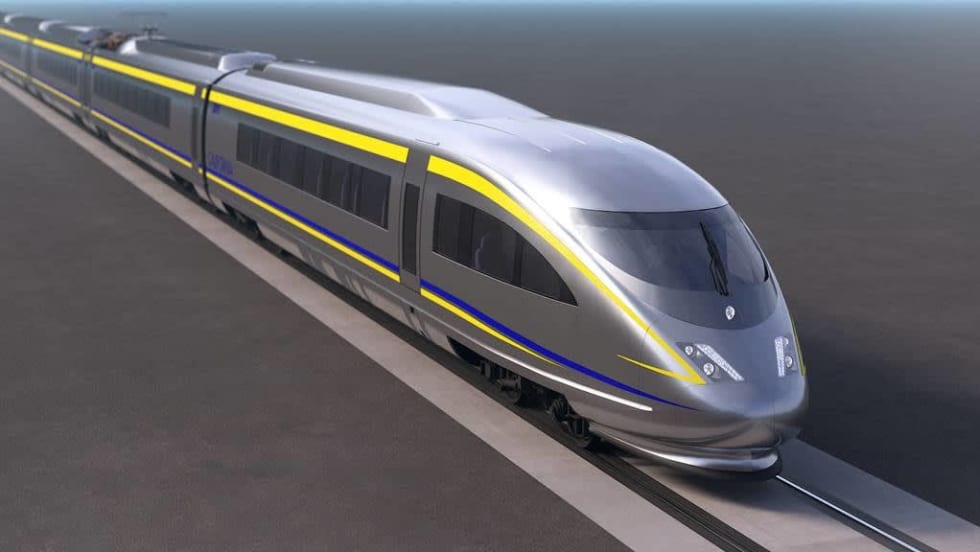
California Selects Team for Nation’s First True High-Speed Rail Track and Systems Contract
The board action follows completion of track installation at the 150-acre southern railhead in Kern County, which will serve as the staging and distribution hub for high-speed track and systems installation.
Read More →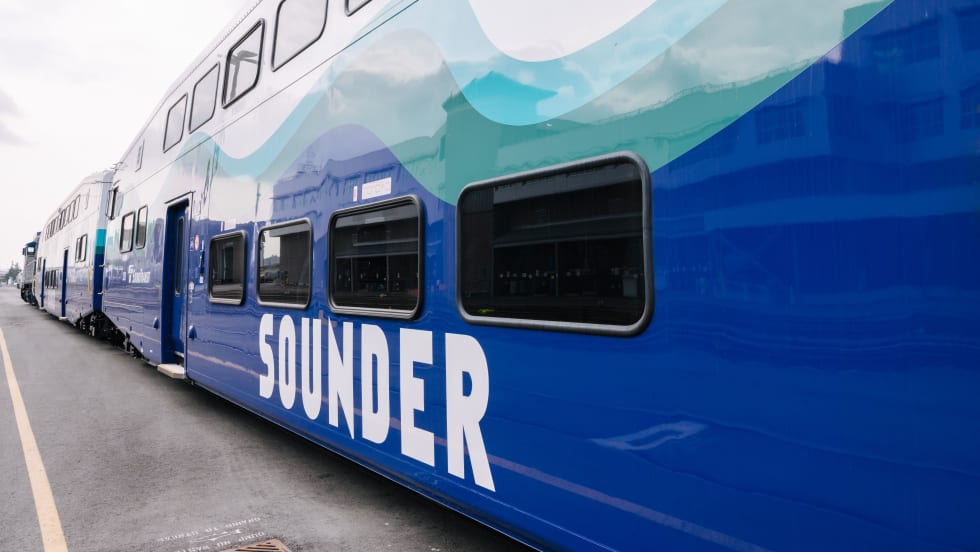
Seattle's Sound Transit Launches New Sounder Railcars into Service
Alstom manufactured all the cars under a $46.5 million contract and came into service in anticipation of summer crowds for soccer and baseball.
Read More →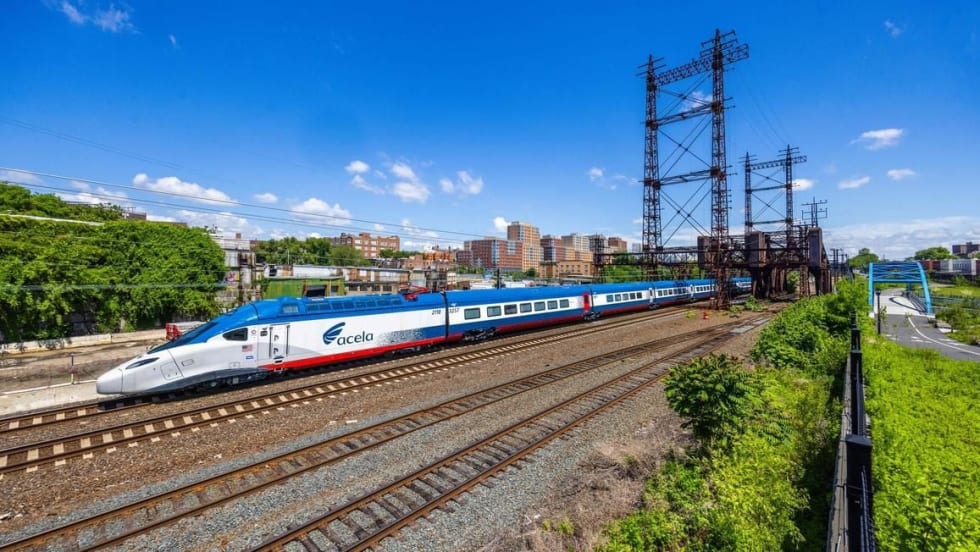
Alstom Partners With Universities to Build Rail Talent Pipeline
The partnerships include a new engineering scholarship fund at Alfred State College in Western New York and collaborations with transportation centers at the University of Pennsylvania and New York University.
Read More →
Chicago's NITA Act Moves Into Next Phase as Service Improvements Begin
Rider-focused improvements will begin rolling out across the system immediately as CTA, Metra, and Pace increase service this summer in the six-county region.
Read More →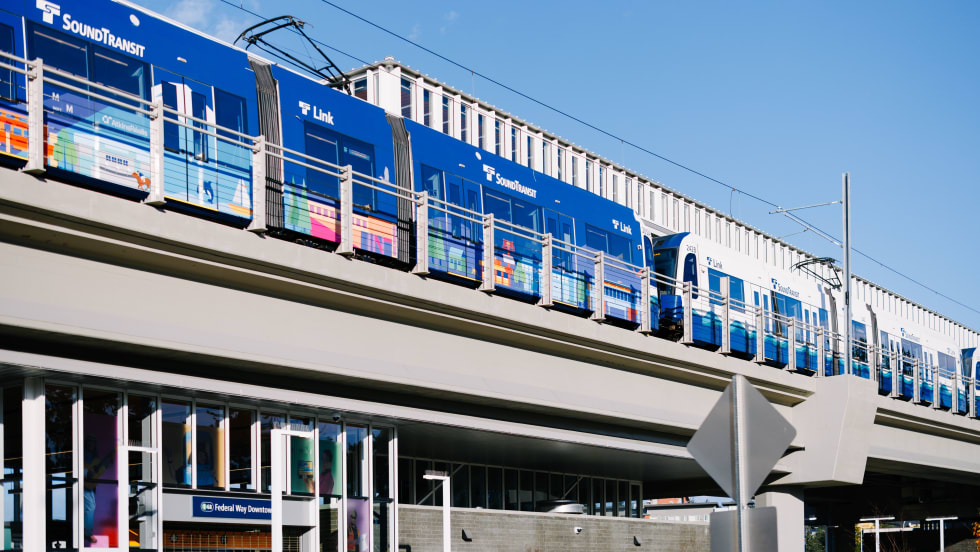
Seattle’s Sound Transit Adopts Updated ST3 System Plan
The updated system plan incorporates cost savings across the agency, including new revenue sources and financial policies, to set the agency on a sustainable path for the future.
Read More →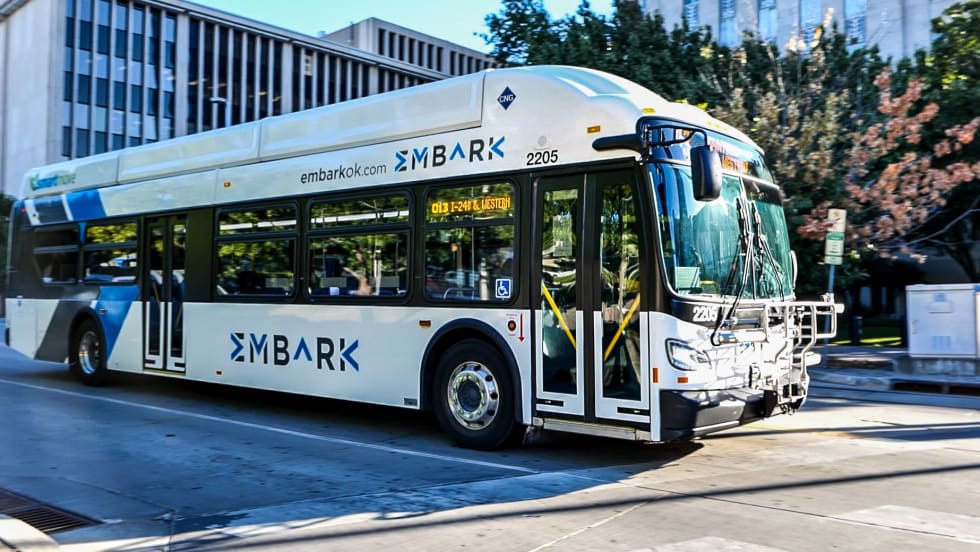
Inside Look: EMBARK Expands Fare-Free Transit Program Through New Public-Private Partnership
The OKC transit agency says sponsorship helps subsidize the Third Friday Free initiative while reducing barriers for first-time riders and boosting ridership across buses, streetcars, and river cruises.
Read More →