



APTA: Congress must support transit, remove funding barriers
President William A. Millar called on Congressional leaders to pass a well-funded six-year multimodal surface transportation bill, and eliminate burdensome requirements and approval processes in the New Starts program.

On Tuesday, American Public Transportation Association (APTA) President William Millar urged Congress to increase federal investment in public transportation and detailed ways for Congress to more efficiently target investments to improve and expand America’s public transit systems.
In testimony before the House Committee on Transportation and Infrastructure’s Subcommittee on Highways and Transit, Millar called on leaders in Congress to promote growth and innovation in public transit, particularly by passing a well-funded six-year multimodal surface transportation bill.
“New federal investment would produce much-needed progress toward bringing our nation’s public transportation infrastructure up to a state of good repair and building the capacity for millions of new riders,” Millar said in prepared testimony. He noted that the U.S. Department of Transportation has estimated that more than $78 billion is needed to bring existing transit infrastructure up to a state of good repair.
Highlighting the dire situation facing public transportation, Millar told the Subcommittee about the results of new research, which found that rising gas prices will directly lead to a massive increase in ridership on public transit systems around the country. “The volatility of the price at the pump is another wake-up call for our nation to address the increasing demand for public transportation services,” Millar said.
Millar also discussed new options for public transit funding, including public-private partnerships and other types of innovative financing, but cautioned that “new financing tools do not replace the need for expanded federal investment.”
In addition, Millar shared specific policy recommendations that can help cut costs and streamline federal transportation programs, which were developed with input from APTA’s diverse membership of public and private sector leaders. These recommendations include:
• Eliminating overly burdensome requirements and approval processes in the New Starts program, such as the duplicative Alternatives Analysis requirement.
• Enhancing and broadening the TIFIA (Transportation Infrastructure Finance and Innovation Act) program.
• Consolidating the Job Access and Reverse Commute, New Freedom and Elderly and Disabled Formula programs into a single, new Coordinated Mobility Program.
• Continuing to support and fund the Small Transit Intensive Cities program.
Millar noted that he looked forward to continued work with the Subcommittee, saying that “we hope that our recommendations can speed up the implementation of transportation projects without impacting environmental protections for all Americans and that such streamlining can reduce project costs in the process and bring the benefits of project investment on-line sooner.”
More New Mobility

Joshua Schank on Transportation Innovation, Risk, and the Future of Mobility
In this edition of METROspectives, Joshua Schank discusses lessons from launching LA Metro’s Office of Extraordinary Innovation, the challenges of advancing new mobility technologies, and much more.
Read More →
A True Low-Floor Minibus Design Delivers Better Accessibility and Efficiency for Everyone
As transit demands evolve, so should your fleet. Download the whitepaper to see how the Low-Floor Frontrunner Minibus compares to traditional options.
Read More →
Joshua Schank on Transportation Innovation, Risk, and the Future of Mobility
In this edition of METROspectives, the co-author of New Tricks for Old Bureaucracies, discusses lessons from launching LA Metro’s Office of Extraordinary Innovation, the challenges of advancing new mobility technologies, and much more.
Read More →
Biz Briefs: Foothill Gold Line Award, Matawan Contract, and More
From strategic partnerships to acquisitions and service expansions, the industry continues to evolve at a rapid pace. Find out all the latest here.
Read More →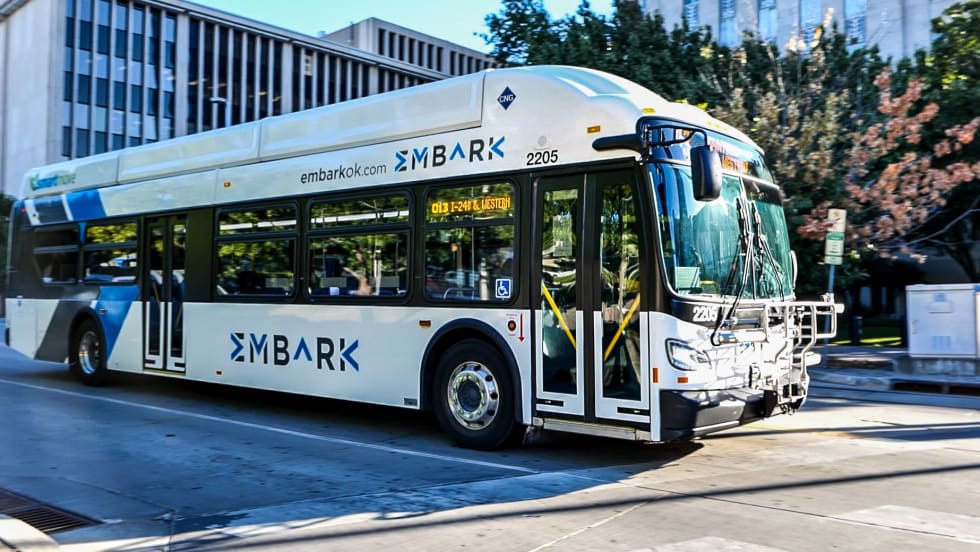
Inside Look: EMBARK Expands Fare-Free Transit Program Through New Public-Private Partnership
The OKC transit agency says sponsorship helps subsidize the Third Friday Free initiative while reducing barriers for first-time riders and boosting ridership across buses, streetcars, and river cruises.
Read More →
2026 METRO Buyer’s Guide & Directory
Searching for the right vehicles, technology, equipment, or services for your public transit or motorcoach operation? This industry guide brings together manufacturers and suppliers from across the transportation market — all in one place. Download it to connect with the companies that help agencies and operators improve mobility, enhance operations, and move their organizations forward.
Read More →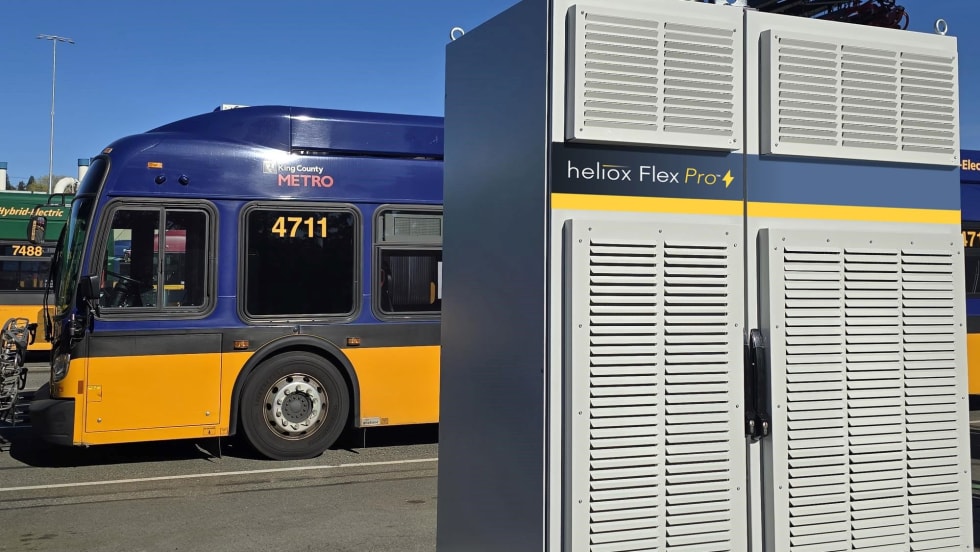
King County Test Heliox Chargers, Keolis Lands California Contract Top Biz Briefs
Stay informed with these quick takes on the projects and companies driving progress across the transportation landscape.
Read More →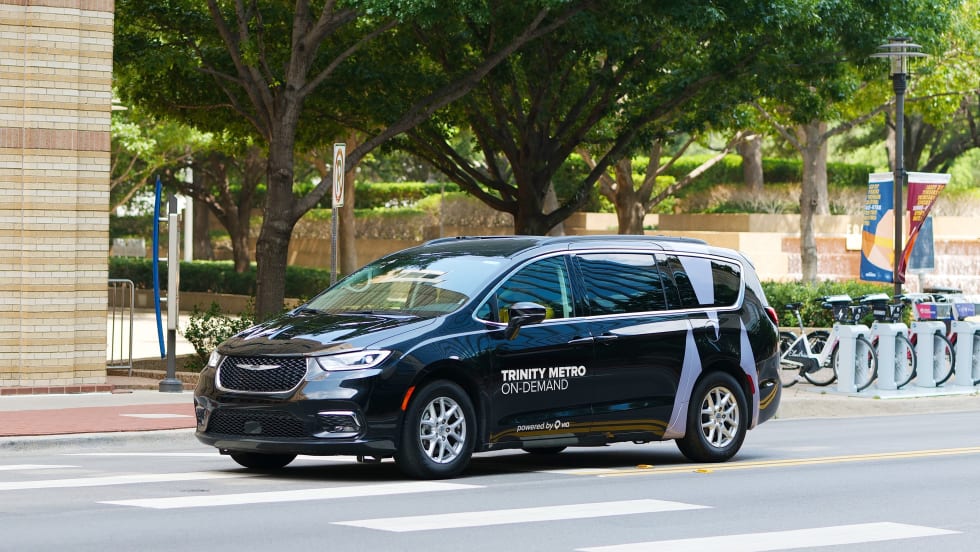
Via Announces Scheduling and Supply Studio
The Scheduling and Supply Studio provides the world’s first fully integrated platform for optimizing vehicle and driver availability to rider demand, said company officials.
Read More →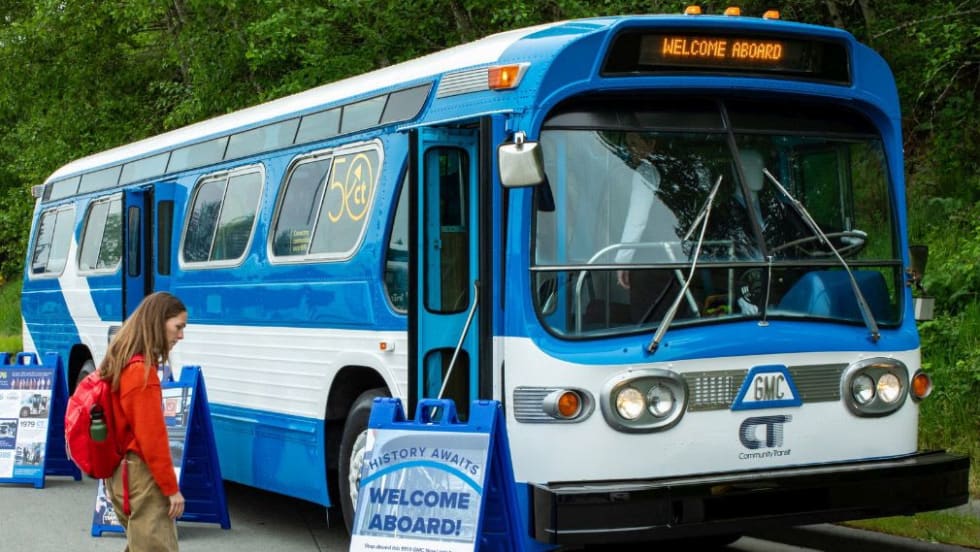
Washington's Community Transit Celebrates 50-Year Milestone
The milestone highlights both the agency’s history and its evolving role in meeting the region’s growing mobility needs.
Read More →
ABQ RIDE Forward's Next Phase Sets Target Date
ABQ RIDE Forward is the first transit system overhaul in more than 25 years. This latest phase marks 15% completion of the 16-phase rollout, which will continue over the next several years.
Read More →