



Web Extra: Champaign-Urbana MTD celebrates 40 years with record ridership
On track to hit 10.6 million riders by summer, the agency is taking several initiatives to serve its growing passenger base, such as adding hybrid buses to its fleet; utilizing more social media tools and making its facilities even more eco-friendly.

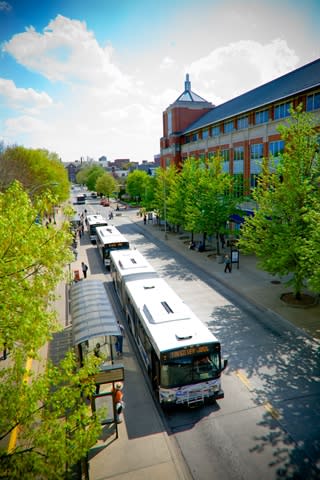
[IMAGE]CU-MTDTransit-Plaza-15-April62011-2.jpg[/IMAGE] Champaign-Urbana Mass Transit District (MTD) will celebrate its 40th anniversary this year and may commemorate the milestone by breaking its current ridership record of 10.4 million.
MTD, started in 1971, serves the University of Illinois at Urbana-Champaign (U.of Ill.) and the communities of Champaign, Urbana and Savoy, Ill. In 1989, the agency was able to increase the amount of service it provides, when U. of Ill. students approved a referendum to assess a student fee to help pay for high-frequency service on and near the campus.
Since then, the system has continued to grow in leaps and bounds, Jan Kijowski, marketing director, said.
About 65 percent of the ridership is a combination of university students, faculty and staff. MTD contracts directly with the university, which funds ridership for faculty and staff. Students vote every three years on whether to pay a student fee each semester for an annual pass that provides unlimited access to MTD campus routes, vehicles and services. In July 2009, MTD was able to lower the pass price from $235 down to $60 to make it more affordable.
“I’m happy to say they have continued that since 1989,” Kijowski said. “This year, if everything goes as it has been thus far with our fiscal year, which ends [in] June, we think we’ll come close to [breaking our] ridership record, if we don’t actually set a new ridership record,” she added. The record is anticipated to be 10.6 million. The previous record — 10.4 million — was set in 2004.
MTD operates approximately 100 buses and employs nearly 300 staff. MTD’s key routes operate on the university campus and run every 10 minutes. The agency also operates a demand response service in the late evening and early morning hours, called Safe Ride. It utilizes 16 hybrid vans and is funded by U. of Ill.
The combined population of the communities is about 130,000, including 41,000 to 42,000 students at the University of Illinois. “For the size of our community, our ridership is very robust,” Kijowski explained.
MTD’s fleet is primarily comprised of News Flyers, but also includes Gillig and ElDorado buses. To accommodate its growing ridership, the agency recently received 20 New Flyer 40-foot hybrid buses and, now, runs a total of 32 hybrid buses and five hybrid vans.
Last summer, MTD started interacting with social media and is now active on Facebook, Twitter, Flickr, YouTube and FormSpring, an entertaining question and answer venue. “You get the opportunity to give detailed answers to what seemingly are simple questions,” Kijowski explained.
Last month, MTD launched a blog and e-newsletter as additional ways to connect with its young, mostly student ridership. While the agency is aiming to connect with riders where they are most often communicating, to make information about MTD easily accessible, it also tried to get that information to people in the community who don’t ride or who have no interest, Kijowski said. “We believe it’s important they know what we’re delivering service in the most efficient way we can,” he said.
Another part of that effort is MTD’s adoption of an INIT CAD AVL system to provide real-time bus location information to passengers, through text messaging, smartphone and street kiosks. The agency also is working on providing data for applications developers.
“Given the large [population of] very smart people at the university, we’ll see growth in the number of apps available. There are a couple out there already,” Kijowski noted.
Last year, MTD was awarded $1,700,493 in ARRA funding for “green” projects, including a geothermal heating/cooling system; a white roof, which reduces temperatures and utility costs; and permeable pavers on its parking lots that allow water to percolate back into the groundwater. MTD also received stimulus funding for two bus simulators ($500,000) and a security camera system ($1,000,000).
In customer service surveys conducted by the agency, 95 percent to 98 percent of riders who are satisfied are very satisfied with MTD’s service.
“We work very hard to ensure that number never goes down,” Kijowski said. “We have a really great crew of operators who do an amazing job. We have a terrific customer service department at the headquarters building, a really great group of people…everybody has to contribute to get a number like that.”
More Bus
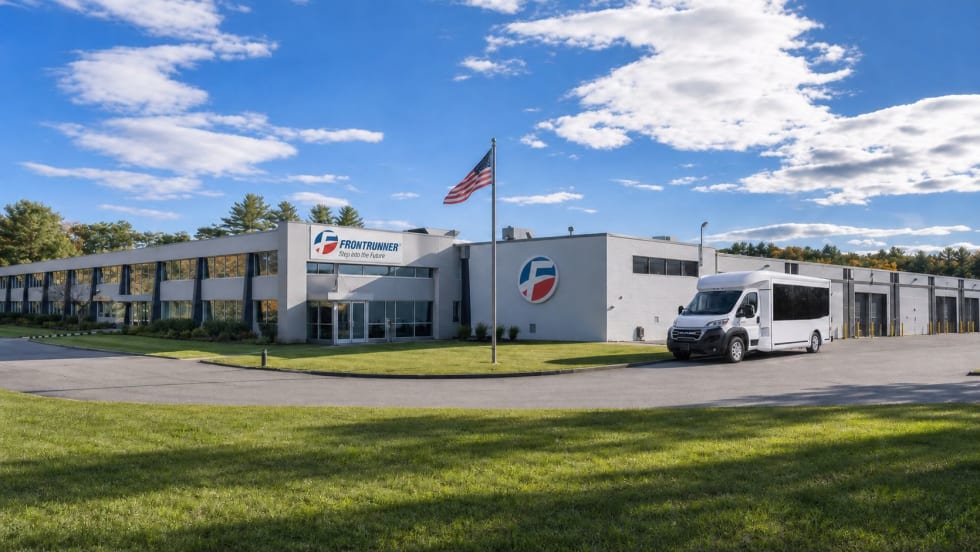
Frontrunner Bus Group Expands with New Massachusetts Headquarters
The significantly larger facility will provide the infrastructure needed to support the company’s growing workforce, advanced technologies, and expanding product line.
Read More →
Joshua Schank on Transportation Innovation, Risk, and the Future of Mobility
In this edition of METROspectives, Joshua Schank discusses lessons from launching LA Metro’s Office of Extraordinary Innovation, the challenges of advancing new mobility technologies, and much more.
Read More →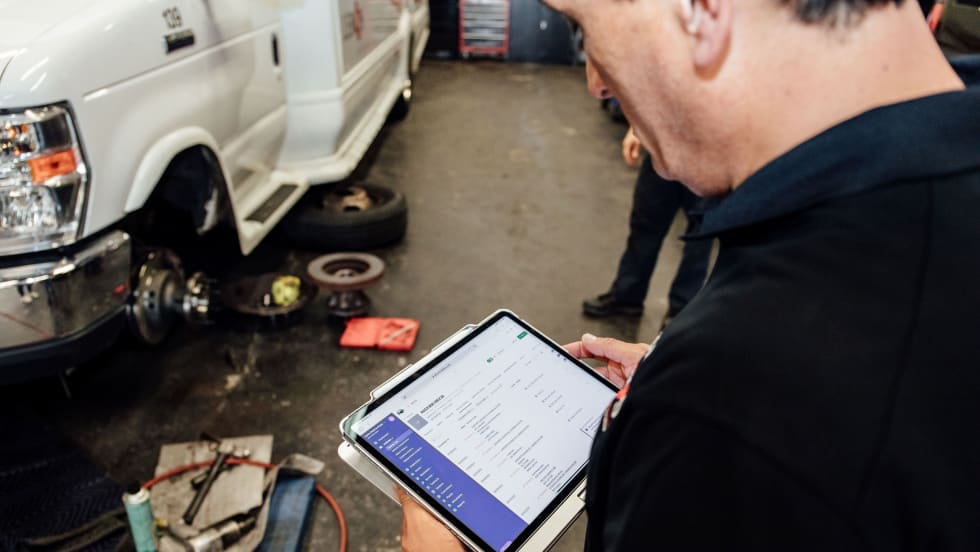
Reinventing Fleet Maintenance with Real-time Visibility and AI
Transit leaders need to know what needs fixing, where to look, who is responsible, when work is completed, and what it costs without having to chase information across disconnected systems.
Read More →
SamTrans Sets Priorities for Potential Connect Bay Area Revenue
The board-approved framework allocates future funding to maintaining service, rider improvements, equity initiatives, and infrastructure repairs.
Read More →
When Routine Fails: How Public Transit Must Adapt for the World Cup
The 2026 FIFA World Cup will test transit agencies’ ability to manage unpredictable travel patterns, making real-time data and operational flexibility critical to moving millions of visitors efficiently.
Read More →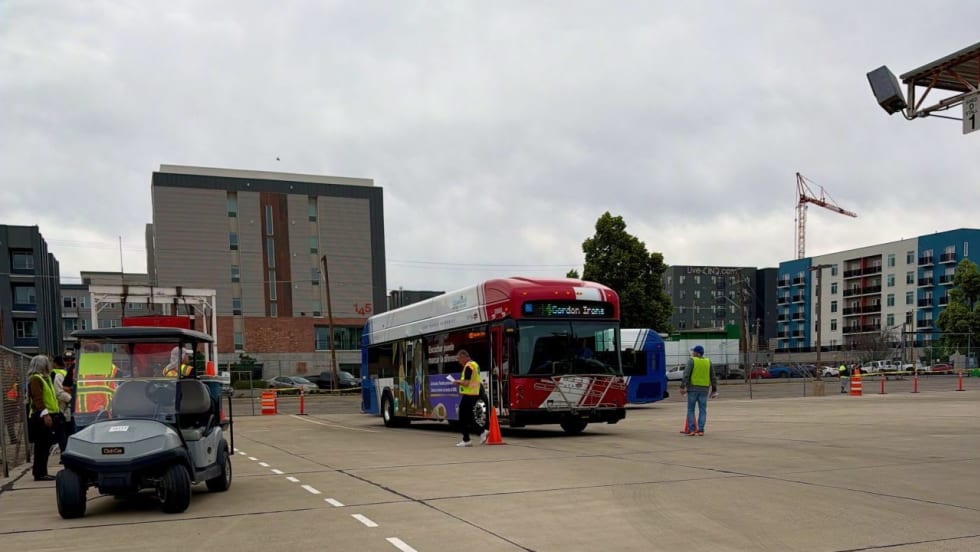
Photo Highlights from APTA's 2026 Mobility Conference
The photo gallery captures scenes from the conference, including the International Bus Roadeo, exhibit hall activities, the Bus Showcase, and much more.
Read More →
Chicago's NITA Act Moves Into Next Phase as Service Improvements Begin
Rider-focused improvements will begin rolling out across the system immediately as CTA, Metra, and Pace increase service this summer in the six-county region.
Read More →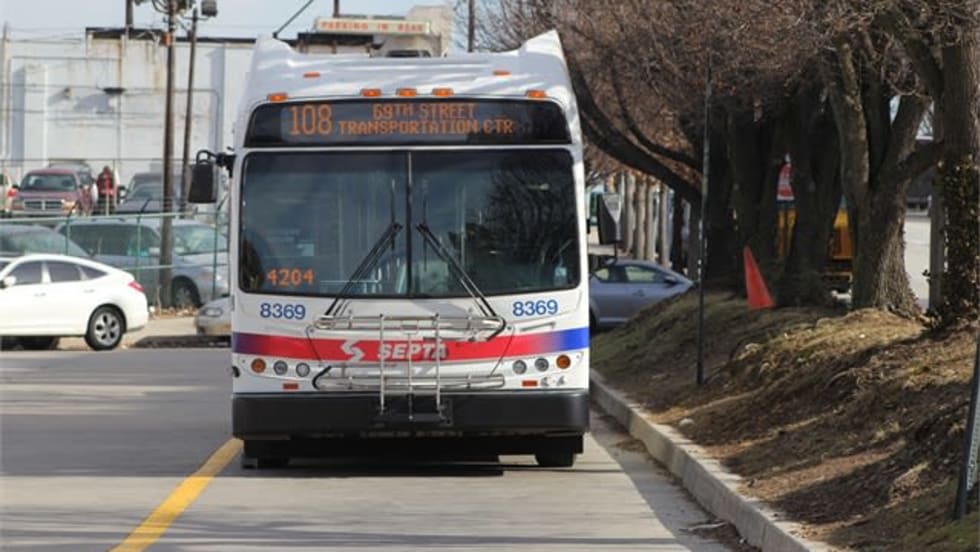
Philadelphia's SEPTA Approves Annual Transit Service Plan
Between 2021 and 2024, SEPTA held more than 200 public meetings — including 144 in-person sessions — throughout the SEPTA service region.
Read More →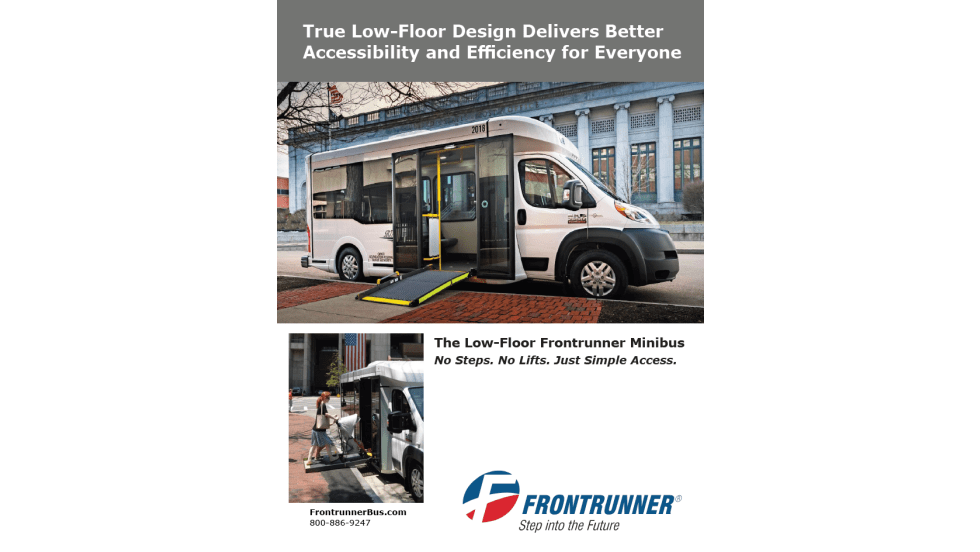
A True Low-Floor Minibus Design Delivers Better Accessibility and Efficiency for Everyone
As transit demands evolve, so should your fleet. Download the whitepaper to see how the Low-Floor Frontrunner Minibus compares to traditional options.
Read More →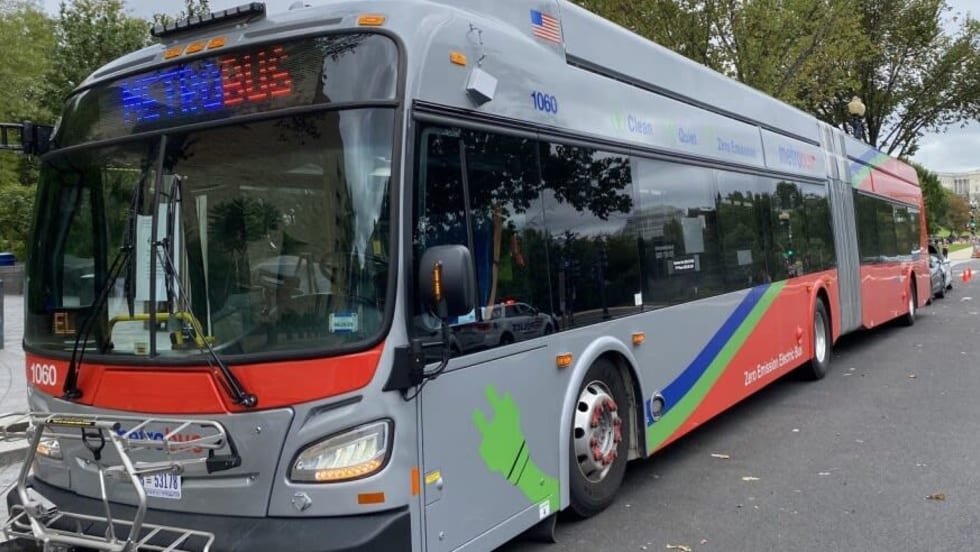
WMATA Debuts 'Fares Pay for Service' Awareness Campaign
The campaign was highlighted during a media event at the Paul S. Sarbanes Transit Center in Silver Spring, where WMATA’s GM/CEO Randy Clarke joined Metro Transit Police officers, WMATA management team, board members, and staff to expand fare enforcement and customer education efforts on Metro Bus routes throughout the region.
Read More →