



UT Profile: U. of Wisconsin-Milwaukee increases student transit options
In addition to offering a shuttle service to on-campus residents and Zipcar to both those on- and off-campus, the university recently partnered with Zimride, a rideshare service that uses a social networking format to connect students to carpooling opportunities. Recent new additions, NextBus and an app, make the shuttle program more efficient.

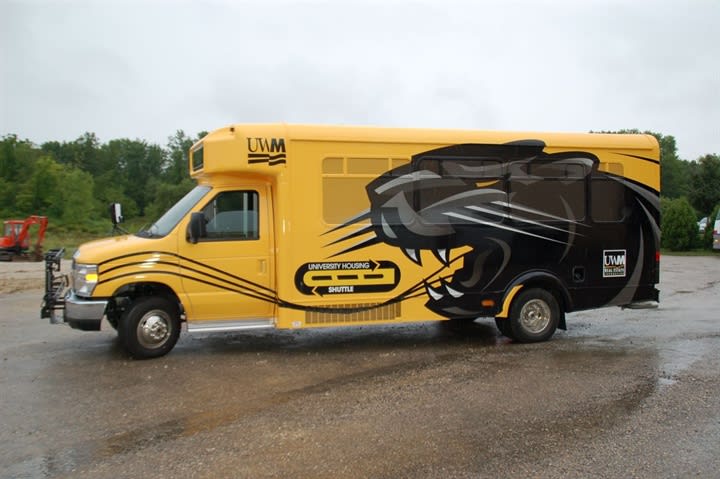
[IMAGE]UniversityofWisconsinMilwaukeeShuttle-6.jpg[/IMAGE] As the University of Wisconsin-Milwaukee (UWM) extends its student residence halls on campus, it has also ramped up efforts to provide more transportation accessibility through real-time arrival info, apps and social media.
UWM recently built a new state-of-the-art residence hall to accommodate 700 students in September and added a new fleet of 23 Glaval passenger shuttle buses and vans to its transportation system, which operates around the clock, Scott Peak, director, university housing, University of Wisconsin-Milwaukee, explained. “We always have them out, and, of course, in the middle of the night there [are fewer] vehicles because of the demand, but we do have them out, so that the students feel comfortable.”
Additionally, UWM employs local transportation company Riteway Bus, based in Richfield, Wis., to help ensure there are enough vehicles to serve students during high-demand times.
“We don’t want the students to wait,” Peak said. “We want to make sure we have plenty of vehicles, so we have an outsource contract with [Riteway] to bring in buses at various times of day. We don’t have to have extra shuttles that are not efficient that just sit there during slower times. It’s worked out very well.”
To further enhance safety, the university also equipped all of its shuttle vehicles with NextBus in the fall of 2010. The NextBus package includes an app using the GPS data program NextBus to show real-time arrival info. Students can see a list of the shuttle arrival times both in a listing or map, either on their phones or on the LED signs at any of the six bus stops.
The transportation program is funded solely through the fees the students pay to live on campus, Peak said.
“At night, we have the capacity to open [the service] to all students, but during the day only the residence hall students are served back and forth between our buildings,” he explained.
Students pay less than 1 percent of their housing fees toward the transportation services.
One way that UWM has found to keep program costs low is by hiring student drivers. The university employs about 35 drivers; all are students.
“We bring a commercial DOT-certified instructor in and do classroom training. That way, it’s very efficient to bring drivers on board,” Peak said.
Students benefit from the flexibility of a variety of shifts so they can work around their classes.
“That group shares all the hours, working through their supervisors to get their schedules set up,” Peak said. “Since it’s a 24/7 service, it gives them quite a bit of opportunity to pick what shift they want and how long their shifts are.”
The university also offers students, faculty and staff access to Zipcar at many of the residence halls, which can come in handy when they need to travel off-campus. Six years ago, UWM partnered with Flex Car, which was soon after bought out by Zipcar. Peak thought it would be great for UWM residents, because approximately 92 percent of campus residents do not have a car, and for those who do, parking options are slim.
“It ended up being a great program, since it’s open to anyone — students, faculty and staff,” Peak said.
The program also benefits the neighbors that live around campus, Peak added. Students who have graduated told him they stayed in the area and remained a car member because it helps them cover costs and takes extra cars off the streets and highways.
“We’ve been hearing great feedback from individuals that live in the area that don’t want the second or third car, and they get by with becoming a member of Zipcar,” Peak said.
Sixty-five percent of students that live off-campus don’t bring a car, he added.
“I had a meeting with graduate students a week ago. They’re trying to save costs by not having a car,” he added.
Most recently, in an effort to provide more green transportation options for students and faculty, UWM’s Parking, Sustainability and Housing departments partnered with Zimride to provide the campus community with an online ridesharing social network.
“Because of our Zipcar program, they came to us and asked if we were interested in having it be part of our department too, because then we can advertise it to the students,” said Peak.
Zimride will be available free of charge to the UWM community, since the University Housing and Parking & Transit departments fund the program. Riders’ online profiles include things like music-volume preferences, whether or not the user is a smoker, and car type. The service also aggregates ratings for its members.
“If a student’s going home for a weekend, and wants to share the costs of transportation, they may use a Zipcar or their private car. This way, they can find [someone] going either to the same town or city, or at least in the same direction,” he explained.
UWM recently signed a campus signed an agreement with Zimride, and will implement the program this fall.
Peak added that watching the technology with Zipcar and the shuttles evolve is crucial to providing the best means of transportation to the students, as they track how many more students each year have smart phones.
“They very quickly hit the button and find out exactly when [they can get] transportation. Those of us on campus that coordinate these programs want to provide that ease of service for safety and convenience, providing good transportation along the way,” he said.
More Bus
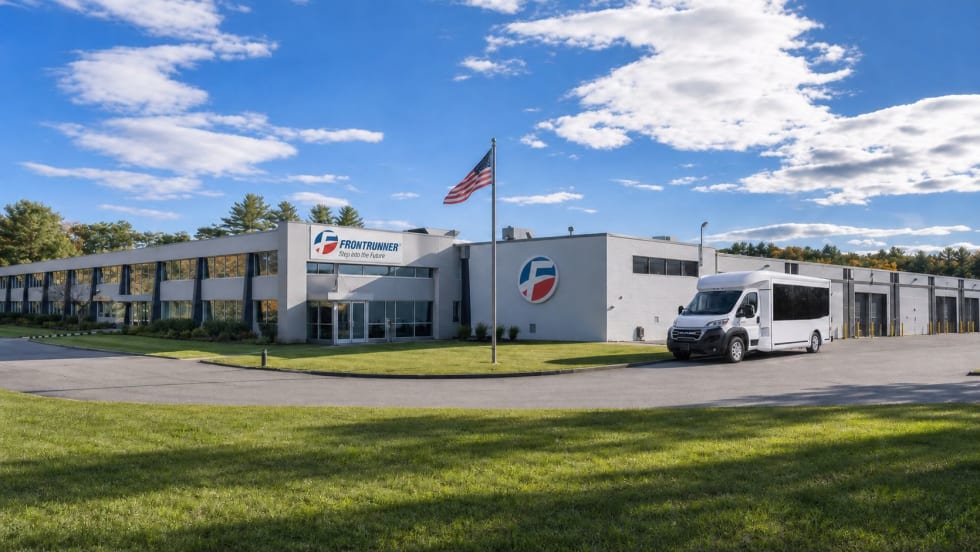
Frontrunner Bus Group Expands with New Massachusetts Headquarters
The significantly larger facility will provide the infrastructure needed to support the company’s growing workforce, advanced technologies, and expanding product line.
Read More →
Joshua Schank on Transportation Innovation, Risk, and the Future of Mobility
In this edition of METROspectives, Joshua Schank discusses lessons from launching LA Metro’s Office of Extraordinary Innovation, the challenges of advancing new mobility technologies, and much more.
Read More →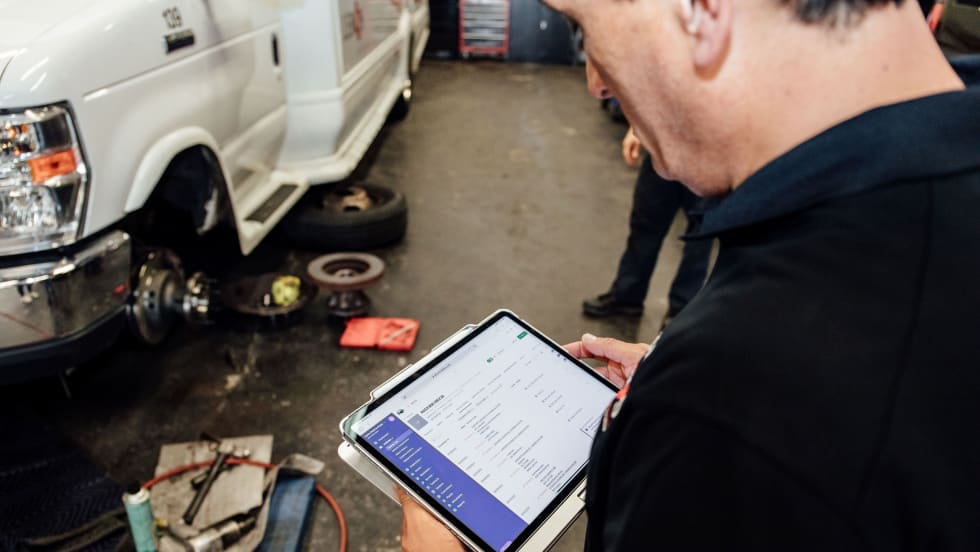
Reinventing Fleet Maintenance with Real-time Visibility and AI
Transit leaders need to know what needs fixing, where to look, who is responsible, when work is completed, and what it costs without having to chase information across disconnected systems.
Read More →
SamTrans Sets Priorities for Potential Connect Bay Area Revenue
The board-approved framework allocates future funding to maintaining service, rider improvements, equity initiatives, and infrastructure repairs.
Read More →
When Routine Fails: How Public Transit Must Adapt for the World Cup
The 2026 FIFA World Cup will test transit agencies’ ability to manage unpredictable travel patterns, making real-time data and operational flexibility critical to moving millions of visitors efficiently.
Read More →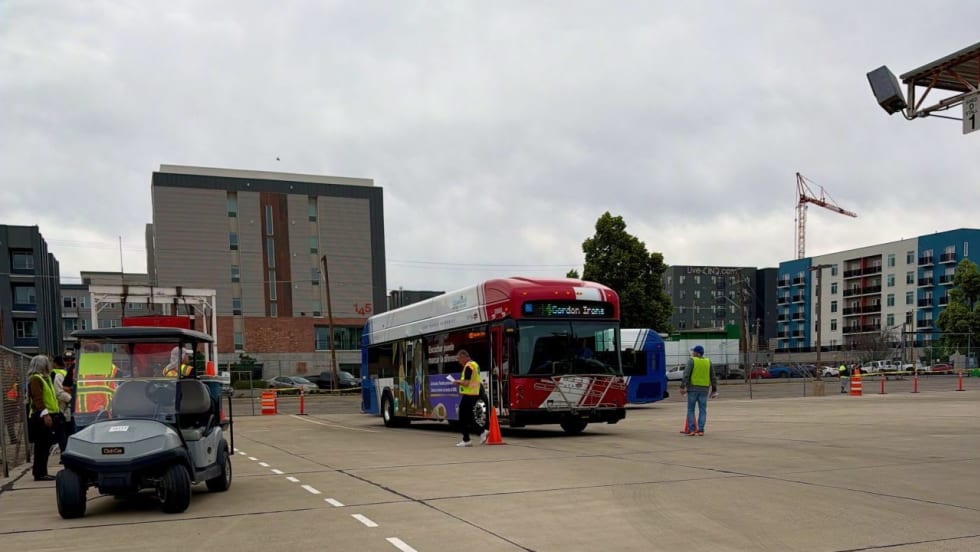
Photo Highlights from APTA's 2026 Mobility Conference
The photo gallery captures scenes from the conference, including the International Bus Roadeo, exhibit hall activities, the Bus Showcase, and much more.
Read More →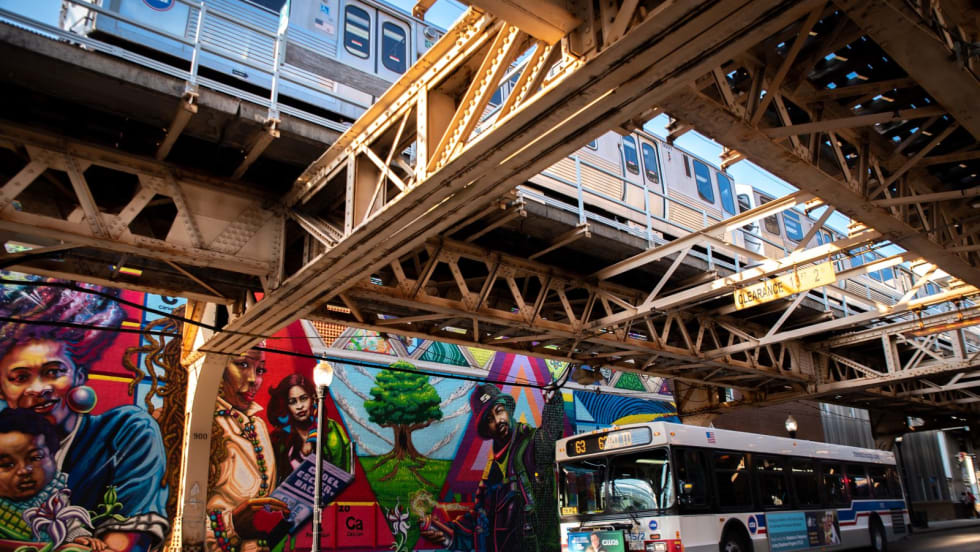
Chicago's NITA Act Moves Into Next Phase as Service Improvements Begin
Rider-focused improvements will begin rolling out across the system immediately as CTA, Metra, and Pace increase service this summer in the six-county region.
Read More →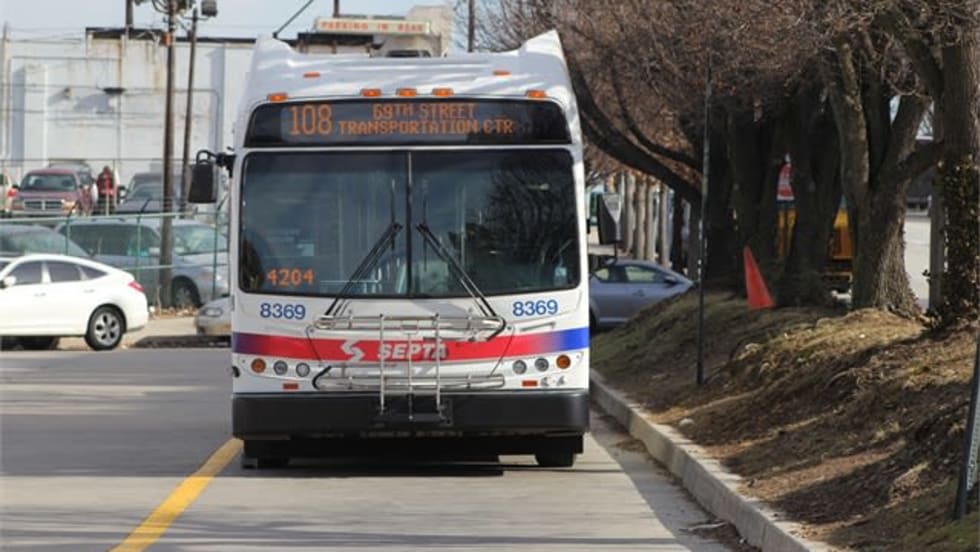
Philadelphia's SEPTA Approves Annual Transit Service Plan
Between 2021 and 2024, SEPTA held more than 200 public meetings — including 144 in-person sessions — throughout the SEPTA service region.
Read More →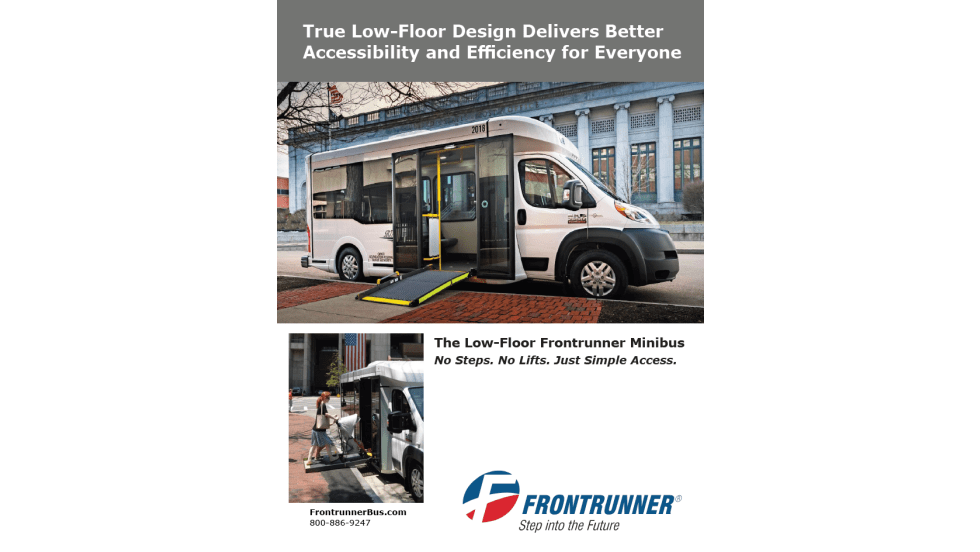
A True Low-Floor Minibus Design Delivers Better Accessibility and Efficiency for Everyone
As transit demands evolve, so should your fleet. Download the whitepaper to see how the Low-Floor Frontrunner Minibus compares to traditional options.
Read More →
WMATA Debuts 'Fares Pay for Service' Awareness Campaign
The campaign was highlighted during a media event at the Paul S. Sarbanes Transit Center in Silver Spring, where WMATA’s GM/CEO Randy Clarke joined Metro Transit Police officers, WMATA management team, board members, and staff to expand fare enforcement and customer education efforts on Metro Bus routes throughout the region.
Read More →