



NTSB issues safety recs
The FHWA; AASHTO; NHTSA and the GHSA, as well as all 50 states and the District of Columbia, received recommendations for median barrier installation, communication and prohibiting driver cell phone use.

The National Transportation Safety Board (NTSB) made safety recommendations to the Federal Highway Administration (FHWA); American Association of State Highway and Transportation Officials (AASHTO); National Highway Traffic Safety Administration (NHTSA) and the Governors Highway Safety Association (GHSA), as well as to all 50 states and the District of Columbia.
Recommendations to the FHWA and AASHTO included:
• Work to establish warrants and implementation criteria for the selection and installation of Test Level Four and Test Level Five median barriers on the National Highway System; and publish those warrants and criteria in the Roadside Design Guide; identify cross-median crash rates that call for special consideration when selecting median barriers and publish the rates in the Roadside Design Guide; and define the criteria for median barrier selection, including heavy vehicle traffic volume and publish the criteria in the Roadside Design Guide.
• Provide to state transportation agencies information from current research, such as National Cooperative Highway Research Program Project 22-25, Development of Guidance for the Selection, Use, and Maintenance of Cable Barrier Systems, about the safety risks associated with the installation of cable barrier systems that differs from the configuration of the system as designed and tested; information should include the risks associated with the dynamic deflection that may occur when installation distances between cable barrier anchorages differ from the 600-foot test length prescribed in the Manual for Assessing Safety Hardware.
• Include, in your product acceptance letters for cable barrier safety devices, cautionary language reflecting current research, such as National Cooperative Highway Research Program Project 22-25, Development of Guidance for the Selection, Use, and Maintenance of Cable Barrier Systems, to warn state transportation agencies of the safety risks associated with the installation of cable barrier systems that differs from the configuration of the system as designed and tested; language should include the risks associated with the dynamic deflection that may occur when installation distances between cable barrier anchorages differ from the 600-foot test length prescribed in the Manual for Assessing Safety Hardware.
View the complete versions of the recommendations here: http://www.ntsb.gov/doclib/recletters/2011/H-11-021-025.pdf and here: http://www.ntsb.gov/doclib/recletters/2011/H-11-031-033.pdf
Recommendations to the Commonwealth of Kentucky included revising its seat belt law so that it applies to all vehicles designed to carry 15 or fewer passengers.
View the complete version here: http://www.ntsb.gov/doclib/recletters/2011/H-11-030.pdf
NTSB recommended that the GHSA and the NHTSA work to add a standard definition for "cross-median crash" and a data element for cross-median crash accidents to the Model Minimum Uniform Crash Criteria, and inform its members of the circumstances of this accident, emphasizing that most of the van occupants who died in the accident were not restrained by seat belts and that, like Kentucky, other states may have seat belt laws that do not include 15-passenger vans and similar vehicles.
View the complete versions here: http://www.ntsb.gov/doclib/recletters/2011/H-11-034-035.pdf and here: http://www.ntsb.gov/doclib/recletters/2011/H-11-028.pdf
The NTSB also recommended that the 50 states and the District of Columbia prohibit the use of both handheld and hands-free cellular telephones by all commercial driver's license holders while operating a commercial vehicle, except in emergencies.
View the complete version here: http://www.ntsb.gov/doclib/recletters/2011/H-11-029.pdf
More Bus
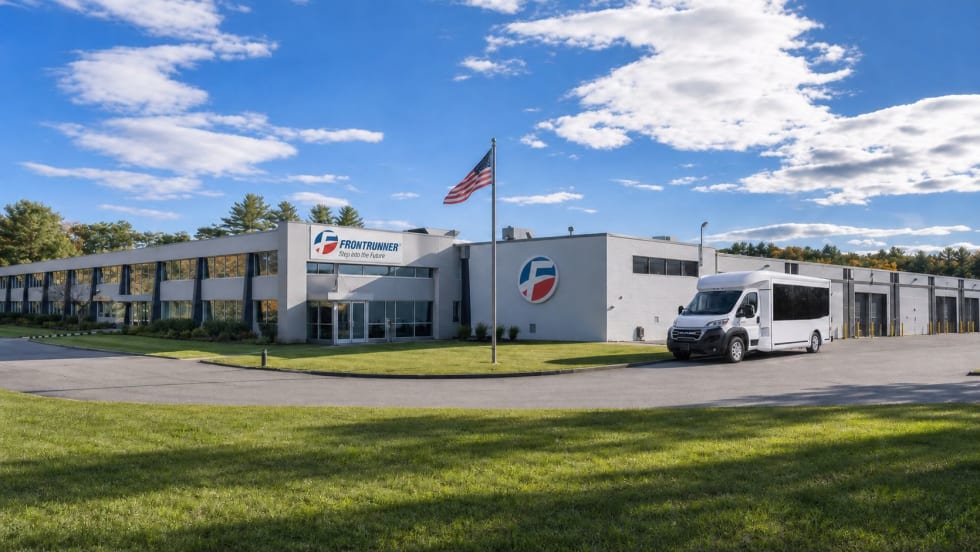
Frontrunner Bus Group Expands with New Massachusetts Headquarters
The significantly larger facility will provide the infrastructure needed to support the company’s growing workforce, advanced technologies, and expanding product line.
Read More →
Joshua Schank on Transportation Innovation, Risk, and the Future of Mobility
In this edition of METROspectives, Joshua Schank discusses lessons from launching LA Metro’s Office of Extraordinary Innovation, the challenges of advancing new mobility technologies, and much more.
Read More →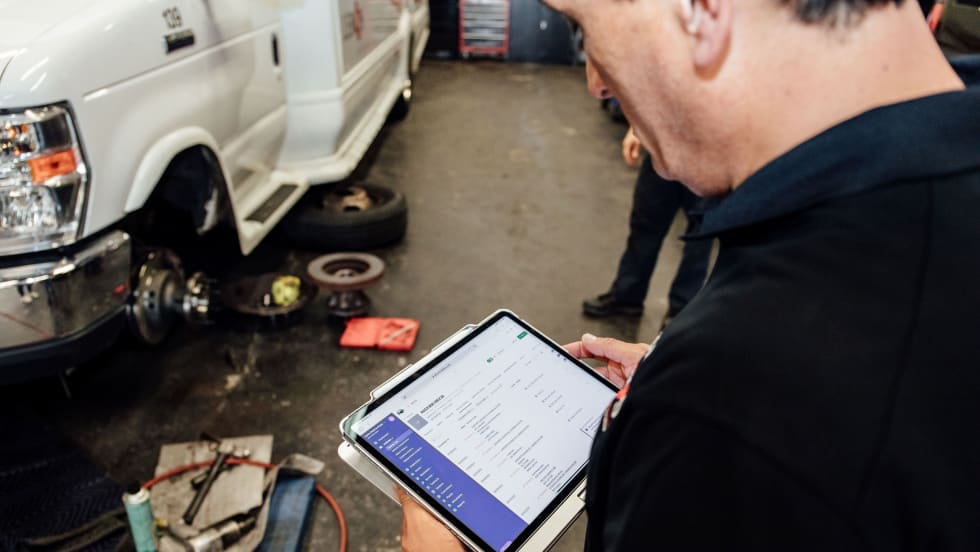
Reinventing Fleet Maintenance with Real-time Visibility and AI
Transit leaders need to know what needs fixing, where to look, who is responsible, when work is completed, and what it costs without having to chase information across disconnected systems.
Read More →
SamTrans Sets Priorities for Potential Connect Bay Area Revenue
The board-approved framework allocates future funding to maintaining service, rider improvements, equity initiatives, and infrastructure repairs.
Read More →
When Routine Fails: How Public Transit Must Adapt for the World Cup
The 2026 FIFA World Cup will test transit agencies’ ability to manage unpredictable travel patterns, making real-time data and operational flexibility critical to moving millions of visitors efficiently.
Read More →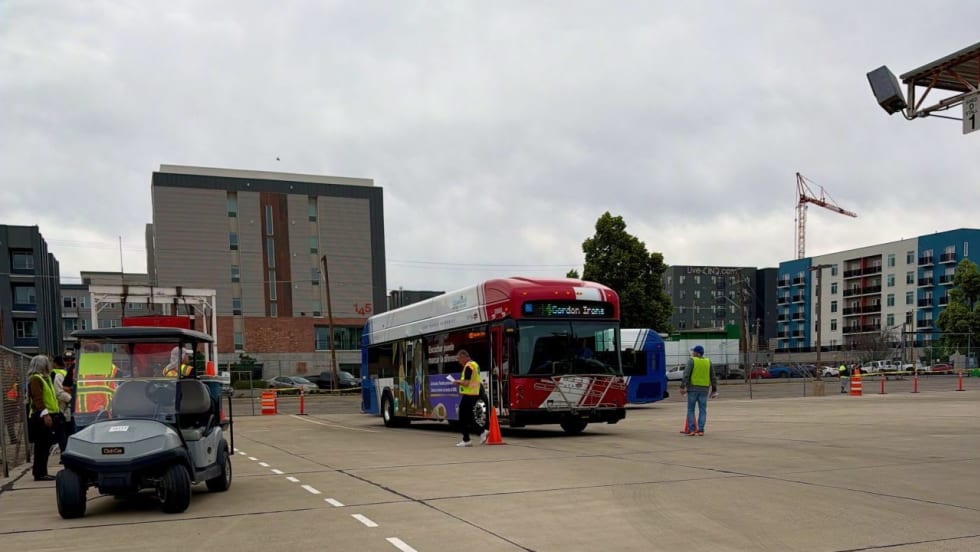
Photo Highlights from APTA's 2026 Mobility Conference
The photo gallery captures scenes from the conference, including the International Bus Roadeo, exhibit hall activities, the Bus Showcase, and much more.
Read More →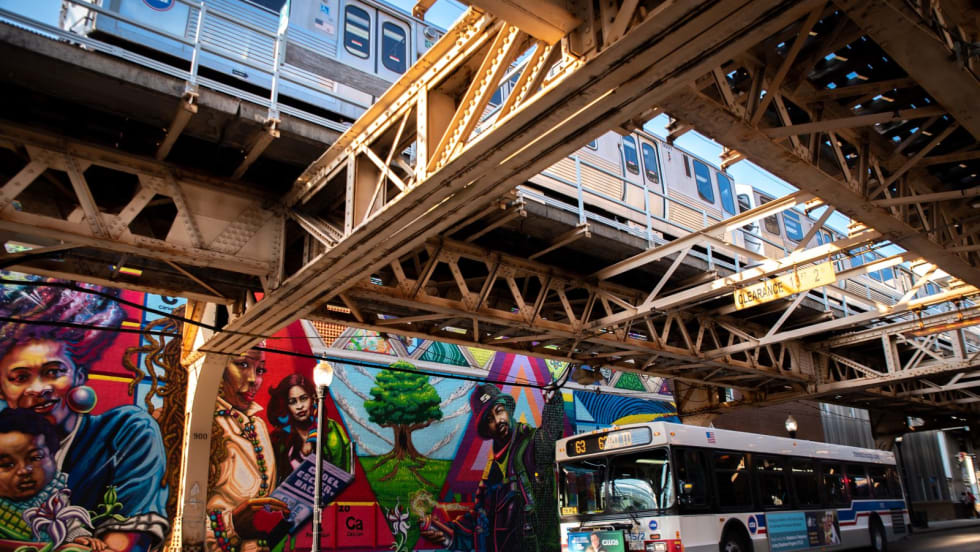
Chicago's NITA Act Moves Into Next Phase as Service Improvements Begin
Rider-focused improvements will begin rolling out across the system immediately as CTA, Metra, and Pace increase service this summer in the six-county region.
Read More →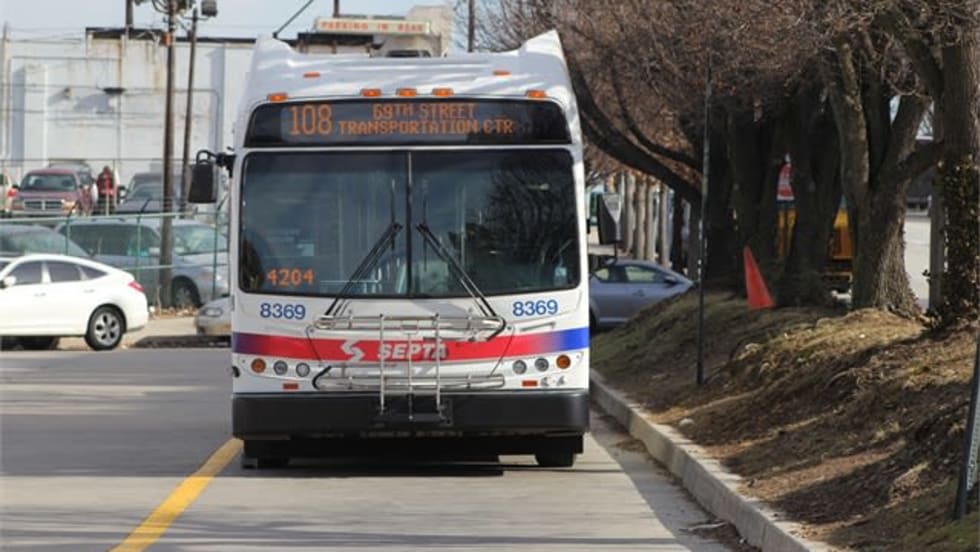
Philadelphia's SEPTA Approves Annual Transit Service Plan
Between 2021 and 2024, SEPTA held more than 200 public meetings — including 144 in-person sessions — throughout the SEPTA service region.
Read More →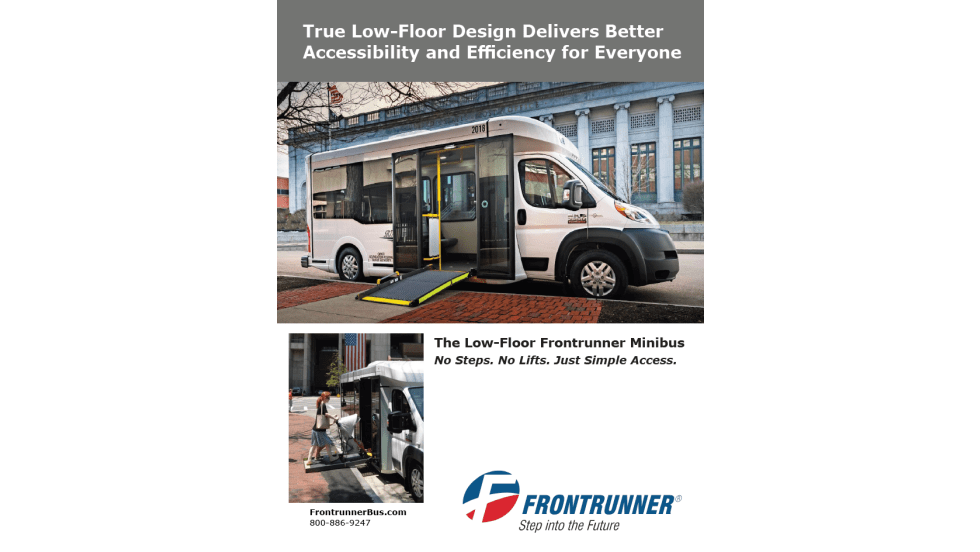
A True Low-Floor Minibus Design Delivers Better Accessibility and Efficiency for Everyone
As transit demands evolve, so should your fleet. Download the whitepaper to see how the Low-Floor Frontrunner Minibus compares to traditional options.
Read More →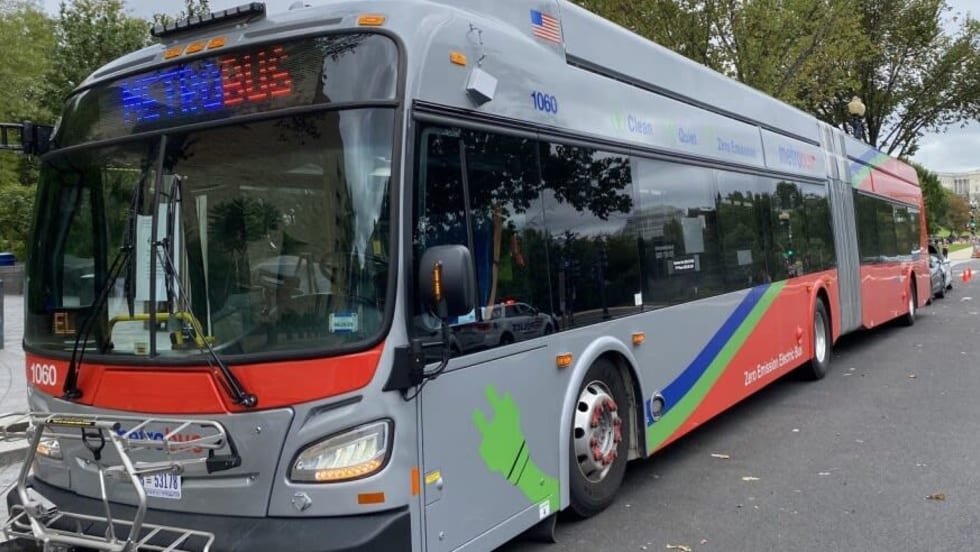
WMATA Debuts 'Fares Pay for Service' Awareness Campaign
The campaign was highlighted during a media event at the Paul S. Sarbanes Transit Center in Silver Spring, where WMATA’s GM/CEO Randy Clarke joined Metro Transit Police officers, WMATA management team, board members, and staff to expand fare enforcement and customer education efforts on Metro Bus routes throughout the region.
Read More →