



46 sustainable transit projects to split $112M
Projects were selected through the FTA's competitive FY 2011 Sustainability Initiative, which includes funding from: the Clean Fuels and the TIGGER III grant programs.

Forty six innovative transit projects, chosen for their capacity to help cut the nation's dependence on oil and create a marketplace for 21st century "green" jobs, will share $112 million in funding from the Federal Transit Administration (FTA).
Projects were selected through the FTA's competitive Fiscal Year 2011 Sustainability Initiative, which includes funding from two programs: the Clean Fuels Grant Program and the TIGGER III (Transit Investment in Greenhouse Gas and Energy Reduction) Grant Program.
Examples of key projects receiving federal funds include:
South Florida Regional Transportation Authority's Tri-Rail project will receive approximately $5.7 million from the TIGGER III Program to showcase Tri-Rail's first green, LEED certified, sustainable stations, which will generate more than 100 percent of the station's energy demand through solar panels. The project will send excess energy back to the power grid and store daytime energy for nighttime lighting of the station, parking area, and other parts of the facility.
The Southeastern Pennsylvania Transportation Authority (SEPTA) will receive two grants, one for $5 million to replace diesel buses with hybrid buses that will reduce fuel costs and save money, and another for $1.4 million to install a "wayside energy storage system" on the Market-Frankford rail line, consisting of a battery that stores energy generated by braking trains. The stored electrical power can then be used later whenever energy is needed.
The Connecticut Department of Transportation will receive $5 million to purchase a stationary fuel cell for CTTransit's New Haven Division Bus maintenance facility. The fuel cell will provide up to 3.3 million kilowatt-hours per year, or approximately 59% of the facility's annual electric use.
Clean Fuels Grant recipients were awarded competitively based on the project's ability to help communities achieve or maintain the National Ambient Air Quality Standards for ozone and carbon monoxide while supporting emerging clean fuel and advanced propulsion technologies for transit buses.
TIGGER III grants were competitively awarded based on the ability of projects to reduce energy consumption and greenhouse gas emissions while providing a return on the investment. Since 2009, the TIGGER program has invested in numerous innovative transit projects that have brought to market advanced fuel-cell and hydrogen-powered buses and allow for the development of sustainable transportation stations.
The FTA reviewed 266 project applications for both grant programs representing more than $1 billion in funding requests from transit providers across the country. A full list of successful proposals can be found here.
More Bus
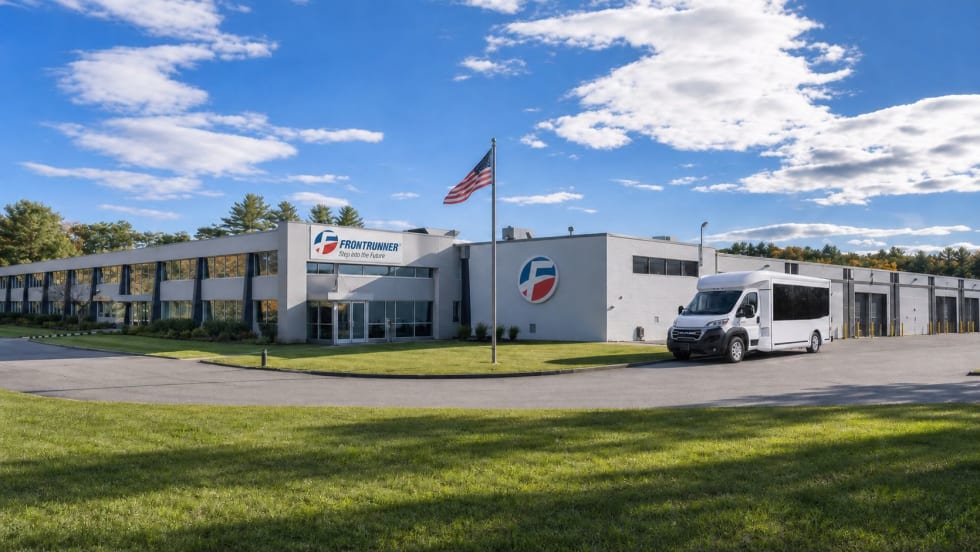
Frontrunner Bus Group Expands with New Massachusetts Headquarters
The significantly larger facility will provide the infrastructure needed to support the company’s growing workforce, advanced technologies, and expanding product line.
Read More →
Joshua Schank on Transportation Innovation, Risk, and the Future of Mobility
In this edition of METROspectives, Joshua Schank discusses lessons from launching LA Metro’s Office of Extraordinary Innovation, the challenges of advancing new mobility technologies, and much more.
Read More →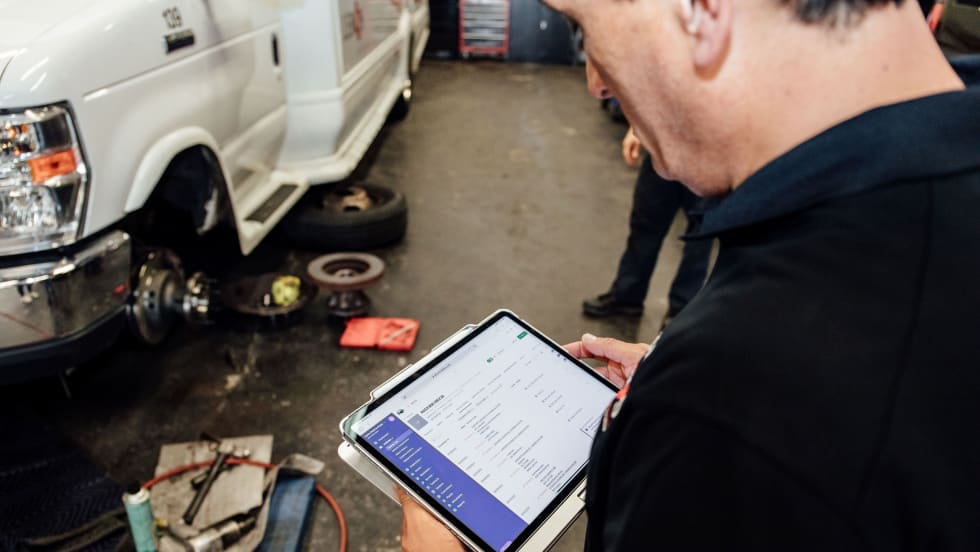
Reinventing Fleet Maintenance with Real-time Visibility and AI
Transit leaders need to know what needs fixing, where to look, who is responsible, when work is completed, and what it costs without having to chase information across disconnected systems.
Read More →
SamTrans Sets Priorities for Potential Connect Bay Area Revenue
The board-approved framework allocates future funding to maintaining service, rider improvements, equity initiatives, and infrastructure repairs.
Read More →
When Routine Fails: How Public Transit Must Adapt for the World Cup
The 2026 FIFA World Cup will test transit agencies’ ability to manage unpredictable travel patterns, making real-time data and operational flexibility critical to moving millions of visitors efficiently.
Read More →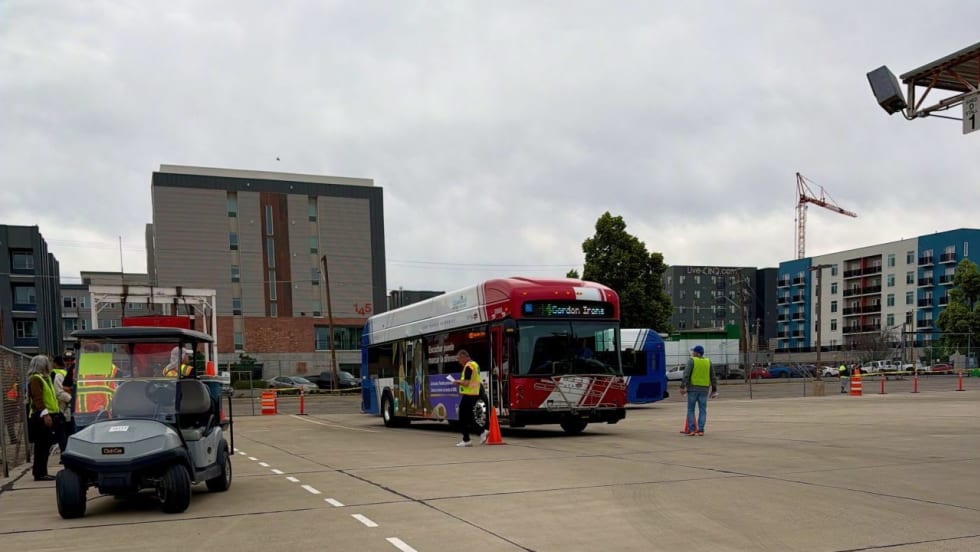
Photo Highlights from APTA's 2026 Mobility Conference
The photo gallery captures scenes from the conference, including the International Bus Roadeo, exhibit hall activities, the Bus Showcase, and much more.
Read More →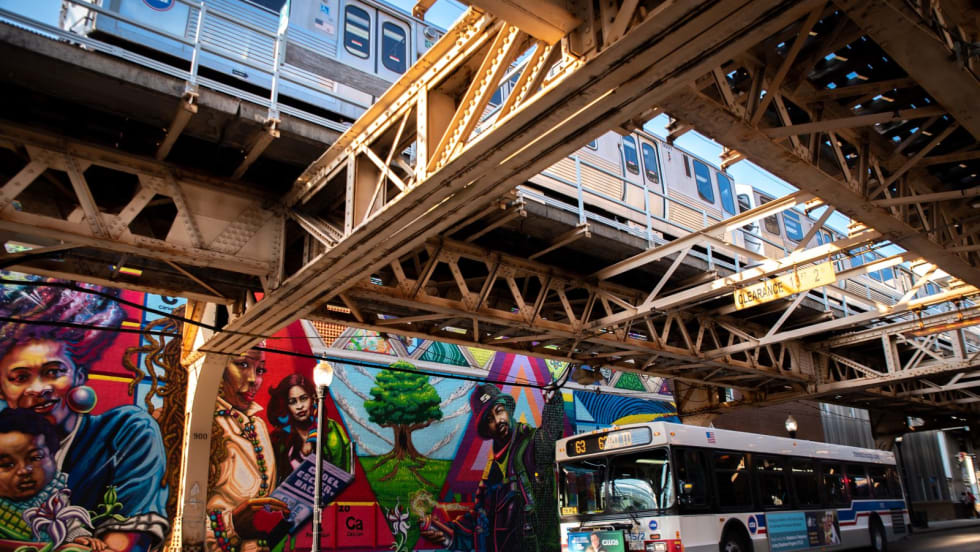
Chicago's NITA Act Moves Into Next Phase as Service Improvements Begin
Rider-focused improvements will begin rolling out across the system immediately as CTA, Metra, and Pace increase service this summer in the six-county region.
Read More →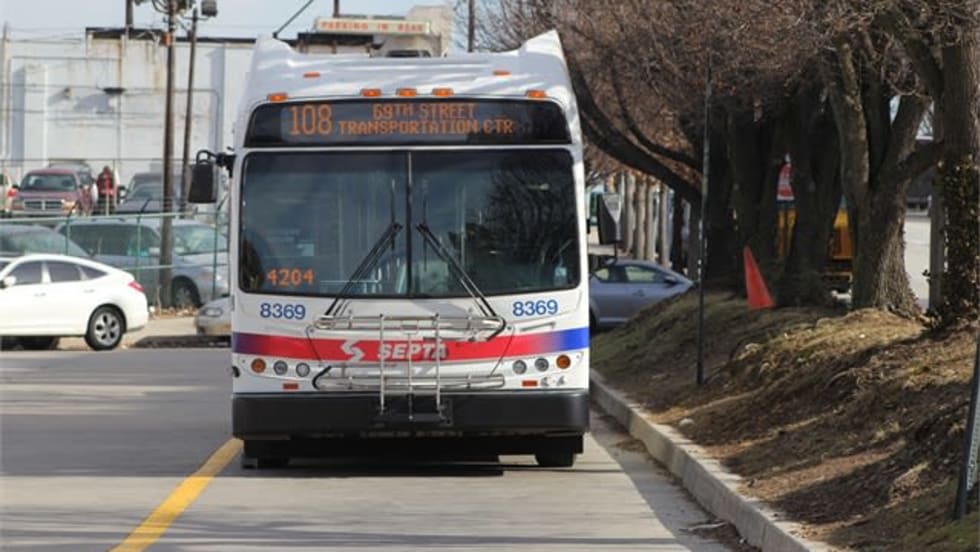
Philadelphia's SEPTA Approves Annual Transit Service Plan
Between 2021 and 2024, SEPTA held more than 200 public meetings — including 144 in-person sessions — throughout the SEPTA service region.
Read More →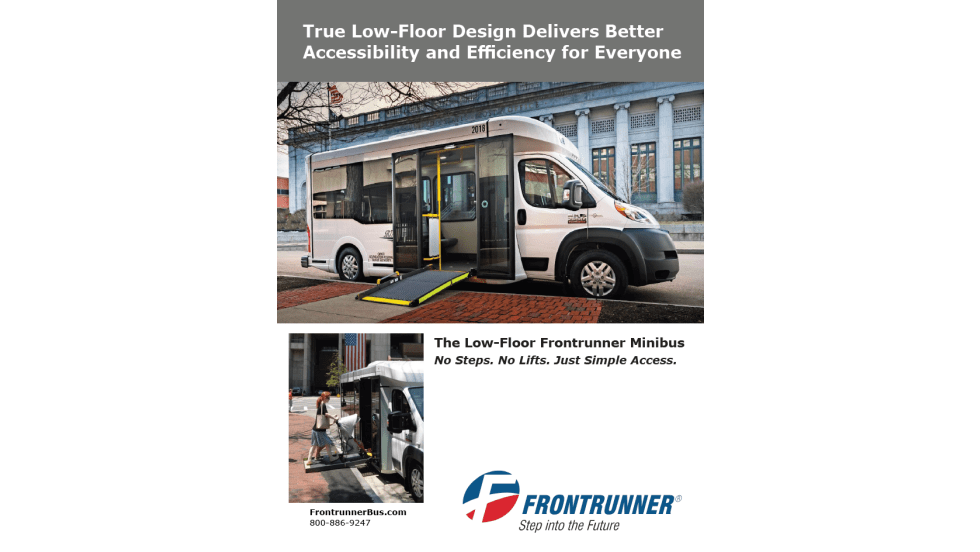
A True Low-Floor Minibus Design Delivers Better Accessibility and Efficiency for Everyone
As transit demands evolve, so should your fleet. Download the whitepaper to see how the Low-Floor Frontrunner Minibus compares to traditional options.
Read More →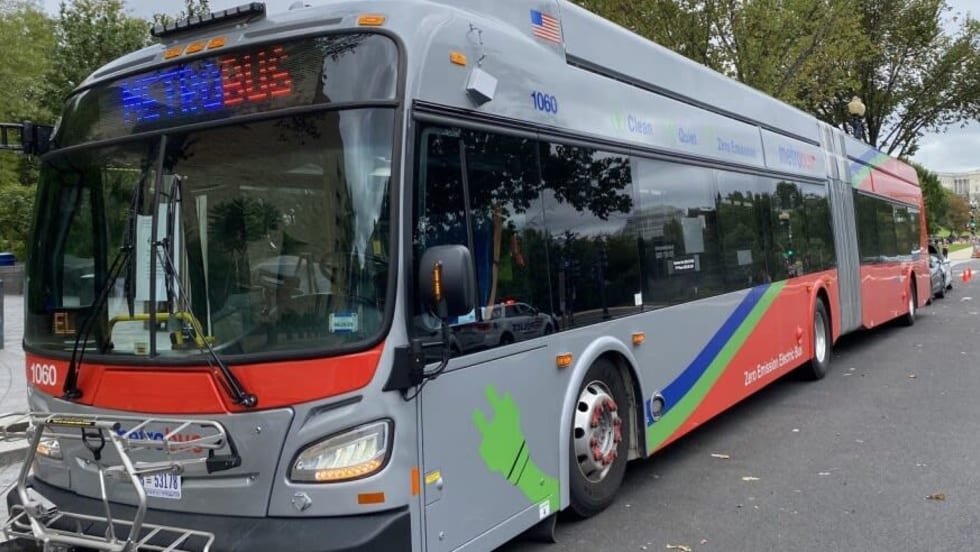
WMATA Debuts 'Fares Pay for Service' Awareness Campaign
The campaign was highlighted during a media event at the Paul S. Sarbanes Transit Center in Silver Spring, where WMATA’s GM/CEO Randy Clarke joined Metro Transit Police officers, WMATA management team, board members, and staff to expand fare enforcement and customer education efforts on Metro Bus routes throughout the region.
Read More →