



LaHood recommends $2.2B worth of rail, BRT projects
The projects, included in President Obama's proposed Fiscal Year 2013 budget, will put thousands of Americans to work building the vital infrastructure the nation needs to improve access to jobs while reducing U.S. dependence on oil and spurring new economic development.

On Tuesday, U.S. Transportation Secretary Ray LaHood recommended $2.2 billion in funding to begin or advance construction of 29 significant rail and bus rapid transit (BRT) projects in 15 states.
The projects, included in President Obama's proposed Fiscal Year 2013 budget, will put thousands of Americans to work building the vital infrastructure the nation needs to improve access to jobs while reducing U.S. dependence on oil and spurring new economic development.
"The budget proposal released yesterday demonstrates our commitment to put people back to work to build the infrastructure we need that will improve our transit systems, highways, railways and airports well into the future," said LaHood. "At this make-or-break moment for the middle class, we can afford to do no less."
President Obama's proposed budget recommends investing $243.7 million for seven new transit construction projects, including rail and BRT projects in California, Florida, North Carolina, Oregon, Texas and Washington State. An additional 10 projects that were recommended for funding in previous years, but have not yet received federal commitments, will receive $769.5 million in this year's budget.
In addition to the transit construction projects that have not yet been funded, the proposed budget provides nearly $1.2 billion for the continued funding of 12 rail and BRT projects already under construction in Dallas; Denver; Hartford, Conn.; Houston; Minneapolis-St. Paul; New York City; Northern Virginia; Orlando, Fla.; Salt Lake City and Seattle.
The New Starts and Small Starts capital investment program is one of the largest discretionary grant programs in the federal government. Proposed projects, such as rapid rail, light rail, commuter rail, BRT and ferries, are evaluated and rated on a number of measures at several steps in the process as they seek FTA approval for a federal funding commitment to finance project construction.
Secretary LaHood and FTA Administrator Peter Rogoff recently proposed changes to the New Starts/Small Starts program to reduce red tape in order to allow approved projects to begin construction sooner and help FTA focus more on local needs, such as economic development, community revitalization and responding to historically underserved populations.
Examples of some of the projects in the President's proposed FY 2013 budget include:
Charlotte, N.C., LYNX Blue Line Extension (Northeast Corridor): The Charlotte Area Transit System (CATS) proposed the construction of a new light rail transit line that would extend from Uptown Charlotte, the region's central business district, Northeast to the US 29 interchange and the University of North Carolina — Charlotte campus. Commuters along the I-85/US 29 corridor have suffered through increasing congestion that population increases and economic development are expected to only make worse. The LRT will be 9.3 miles and serve 11 new stations. The FTA plans to fund 50 percent of the total $1.07 billion project cost, or $534.6 million.
Jacksonville, Fla., Southeast Corridor and North Corridor BRT: The FTA recommended funding for two BRT projects in Jacksonville that will combine for 20 miles of new rapid transit routes and 21 new stations. The Southeast Corridor will receive its first recommendation for funding in the President's budget and the FTA will continue to support development of the North Corridor. The two corridors will serve a highly transit-dependent population along extremely congested parts of the Jacksonville area. The total cost of the two projects is more than $57 million, of which FTA will cover nearly $47 million, or 80%, of the two projects.
Grand Rapids, Mich., Silver Line BRT: The Interurban Transit Partnership proposed to implement a BRT line along Division Avenue from the Grand Rapids central business district to 60th Street/Division Avenue. The FTA will invest 80% of the total $35.3 million project cost, or $28.2 million. The project is expected to offer commuters a true alternative to the highly congested US 13. The BRT will include real-time passenger information at stations, traffic signal priority, off-board fare collection, and the purchase of 10 low-floor hybrid-fueled buses.
To view all the recommendations that are part of the FTA's Annual Report on Funding Recommendations for Fiscal Year 2013, click here. To view individual detailed project descriptions, click here.
More Bus
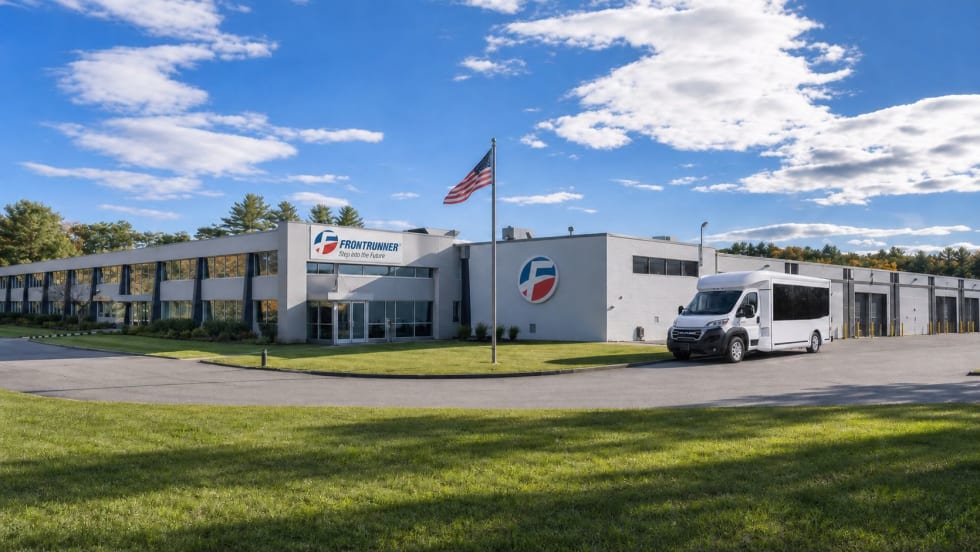
Frontrunner Bus Group Expands with New Massachusetts Headquarters
The significantly larger facility will provide the infrastructure needed to support the company’s growing workforce, advanced technologies, and expanding product line.
Read More →
Joshua Schank on Transportation Innovation, Risk, and the Future of Mobility
In this edition of METROspectives, Joshua Schank discusses lessons from launching LA Metro’s Office of Extraordinary Innovation, the challenges of advancing new mobility technologies, and much more.
Read More →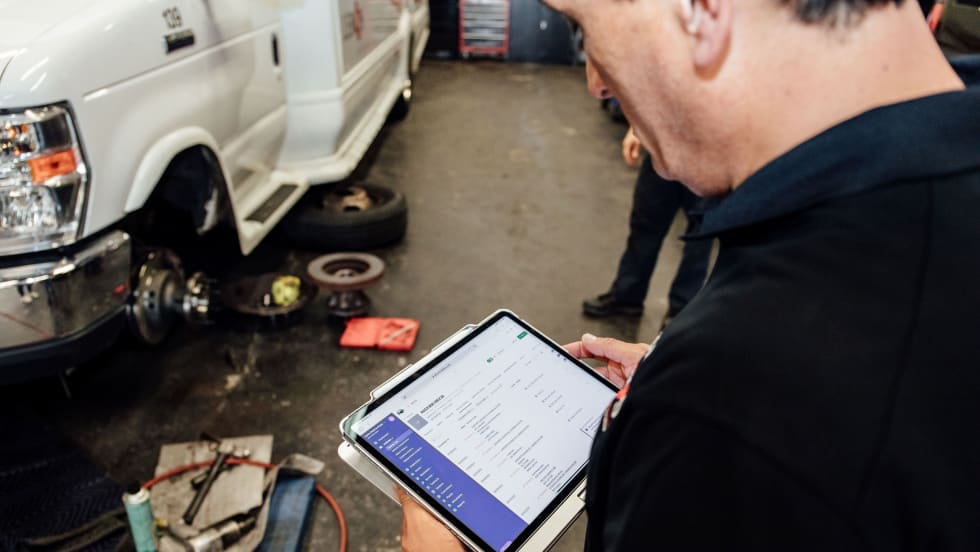
Reinventing Fleet Maintenance with Real-time Visibility and AI
Transit leaders need to know what needs fixing, where to look, who is responsible, when work is completed, and what it costs without having to chase information across disconnected systems.
Read More →
SamTrans Sets Priorities for Potential Connect Bay Area Revenue
The board-approved framework allocates future funding to maintaining service, rider improvements, equity initiatives, and infrastructure repairs.
Read More →
When Routine Fails: How Public Transit Must Adapt for the World Cup
The 2026 FIFA World Cup will test transit agencies’ ability to manage unpredictable travel patterns, making real-time data and operational flexibility critical to moving millions of visitors efficiently.
Read More →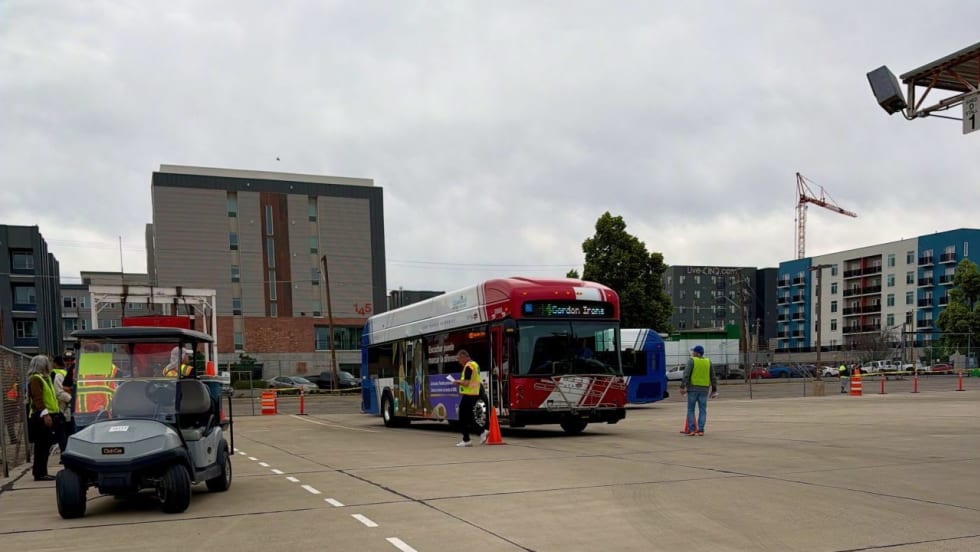
Photo Highlights from APTA's 2026 Mobility Conference
The photo gallery captures scenes from the conference, including the International Bus Roadeo, exhibit hall activities, the Bus Showcase, and much more.
Read More →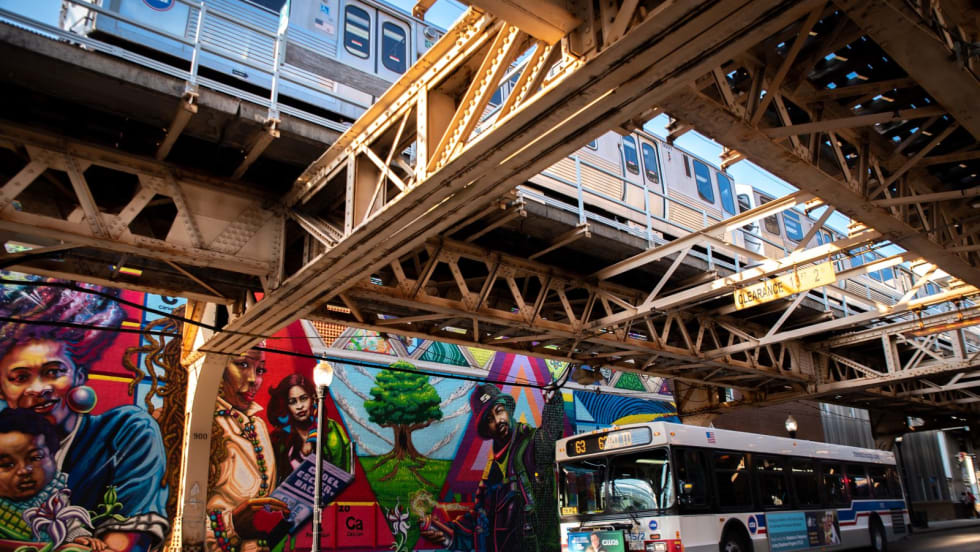
Chicago's NITA Act Moves Into Next Phase as Service Improvements Begin
Rider-focused improvements will begin rolling out across the system immediately as CTA, Metra, and Pace increase service this summer in the six-county region.
Read More →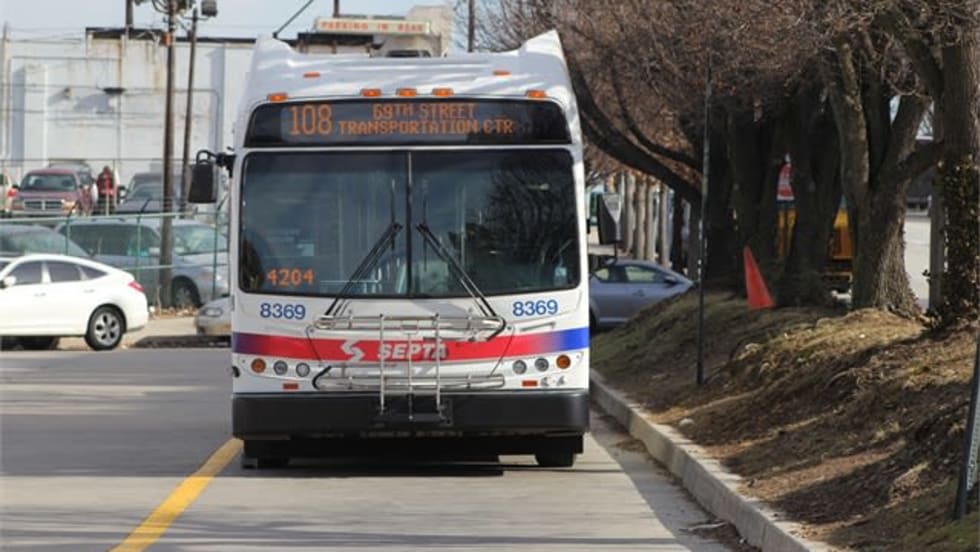
Philadelphia's SEPTA Approves Annual Transit Service Plan
Between 2021 and 2024, SEPTA held more than 200 public meetings — including 144 in-person sessions — throughout the SEPTA service region.
Read More →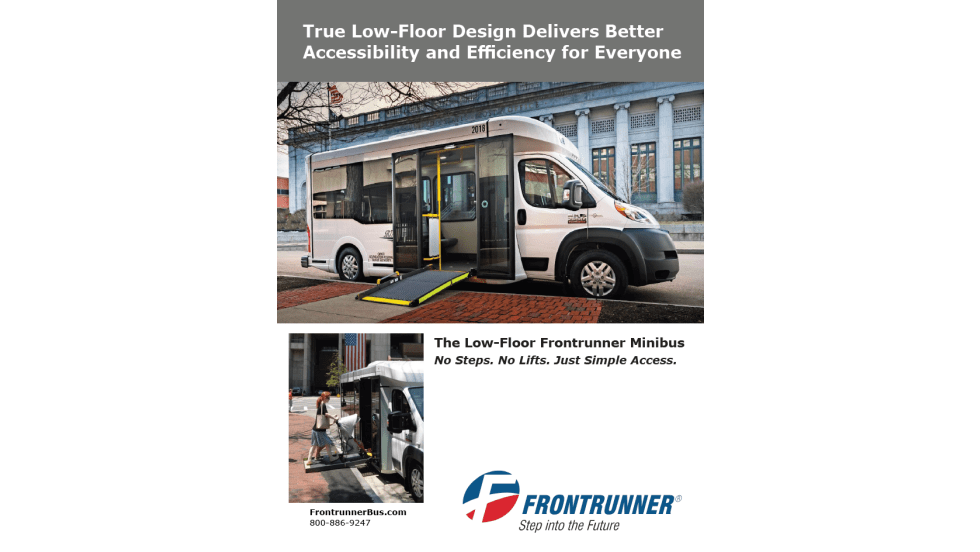
A True Low-Floor Minibus Design Delivers Better Accessibility and Efficiency for Everyone
As transit demands evolve, so should your fleet. Download the whitepaper to see how the Low-Floor Frontrunner Minibus compares to traditional options.
Read More →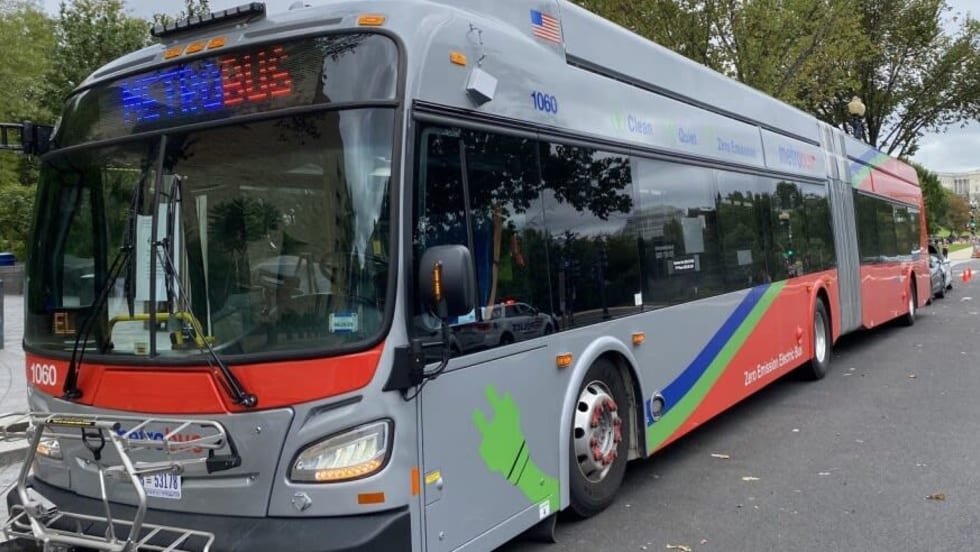
WMATA Debuts 'Fares Pay for Service' Awareness Campaign
The campaign was highlighted during a media event at the Paul S. Sarbanes Transit Center in Silver Spring, where WMATA’s GM/CEO Randy Clarke joined Metro Transit Police officers, WMATA management team, board members, and staff to expand fare enforcement and customer education efforts on Metro Bus routes throughout the region.
Read More →