



S.F. Muni celebrates 100 years
Also launched special section of its website to share photographic archive images, historic information and a calendar of events at which the SFMTA centennial will be featured.

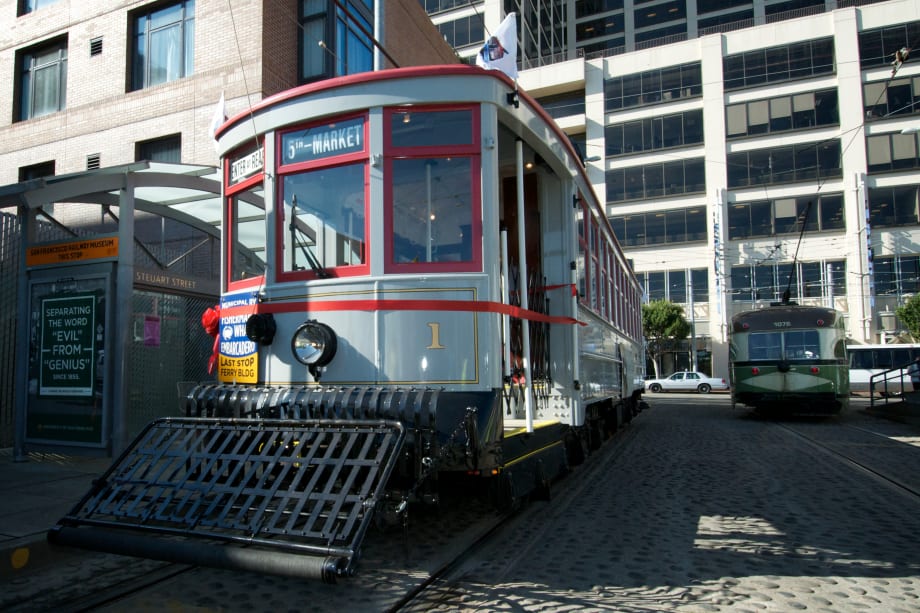
Photos courtesy SFMTA.

State and local officials gathered Thursday to launch the 100th anniversary celebration of the San Francisco Municipal Railway (Muni), founded on December 28, 1912.
As the first publicly-owned transit system in a major U.S. city, Muni was inaugurated by Mayor James Rolph Jr. at Geary and Kearny streets with Car No. 1. That streetcar has been restored and will now join Muni’s historic streetcar fleet which runs on the F Market and Wharves Line. The citywide celebration through December will include San Francisco’s transit history and the city’s current integrated surface transportation network that encompasses pedestrians, bicyclists, transit, parking, traffic and taxis.
“Even one hundred years ago, San Francisco was the ‘Innovation Capital of the World’, when the city used mining technology and applied it to transit, a true innovation at the time that resulted in our modern Muni system that we still have today,” said Mayor Edwin M. Lee. “Just as our San Francisco innovators did a century ago, we are meeting the challenge of providing a world class transportation system for our residents with dedication and innovation.”

The SFMTA also launched a special section of its website at sfmta.com/100 to share photographic archive images, historic information and a calendar of events at which the SFMTA centennial will be featured. All community events will feature information about Muni’s world-renown transit history, including photography exhibits from Muni’s history archive of nearly 30,000 images dating back to the 19th century.
The photographic archive is also featured on sfmta.com/100 with links to the “Treasures from the Muni Archive” celebrating Muni’s first 100 years, which is installed on Muni transit shelters along Market Street, at the MSR Museum and on Historypin.com, a project of the London-based non-profit We Are What We Do. With the help of Historypin, the SFMTA can share a tour of site-specific images. Shelter displays have a QR code that allows viewers to access a summary of the exhibit and a link to the free Historypin.com app. The SFMTA’s "Archive" page on Historypin.com is also available on interactive monitors at the MSR Museum.
During the celebration Mayor Lee and U.S. Senator Dianne Feinstein unveiled the centennial logo, designed by the SFMTA’s award-winning graphic designer. The centennial logo depicts both Muni’s Car No. 1 as well as the original O’Shaughnessy Muni logo.
As the first major, publicly-owned transit agency in the U.S., Muni has grown to provide transit service to more than 200 million customers per year in one of the densest, most compact cities in the nation. Coverage per capita is among the highest in the U.S. with 63 bus routes, six light rail lines, the historic F Line and three cable car lines. Of the 700,000 daily boardings on Muni, more than 80% are city residents.
San Francisco has long been in the vanguard of alternative fuels and recycling while aggressively promoting sustainable modes — transit, bicycling and walking. It has routinely enacted policies to reduce greenhouse gas emissions and furthering the city’s Climate Action Plan. The SFMTA’s initiatives focus on the environment to create a sustainable quality of life for current and future generations of residents and visitors.
The SFMTA Centennial website sfmta.com/100 will continue to have updated event information throughout the year.
More Rail
The Invisible Infrastructure of Passenger Flow
What a seat reservation system on Austria’s Railjet trains reveals about the future of rider experience, and why U.S. agencies should pay attention.
Read More →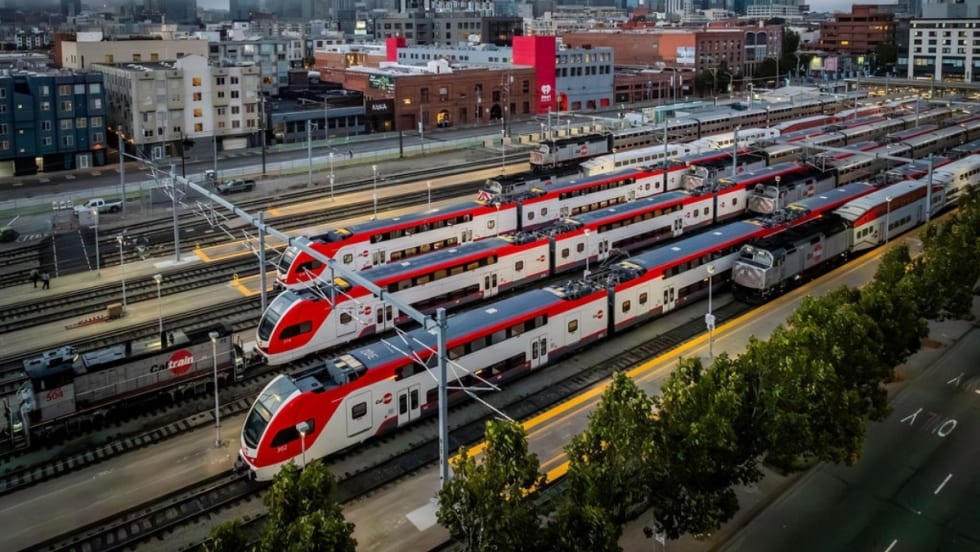
Caltrain Board Approves FY27 Budget, Endorses Efficiency Measures
The move ensures Caltrain service will continue operating as usual in the near term, but long-term financial challenges remain for the rail agency absent a new revenue source.
Read More →
Alstom Acquires Delaware Site to Support Amtrak NextGen Acela Fleet
The company is investing more than $55 million to acquire and improve the property and will employ approximately 100 people at this site once it is operational.
Read More →
When Routine Fails: How Public Transit Must Adapt for the World Cup
The 2026 FIFA World Cup will test transit agencies’ ability to manage unpredictable travel patterns, making real-time data and operational flexibility critical to moving millions of visitors efficiently.
Read More →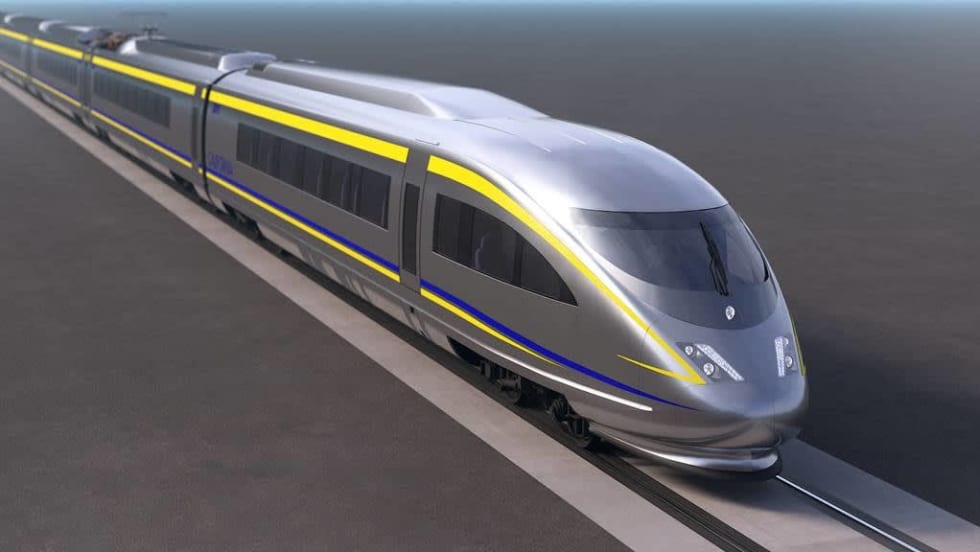
California Selects Team for Nation’s First True High-Speed Rail Track and Systems Contract
The board action follows completion of track installation at the 150-acre southern railhead in Kern County, which will serve as the staging and distribution hub for high-speed track and systems installation.
Read More →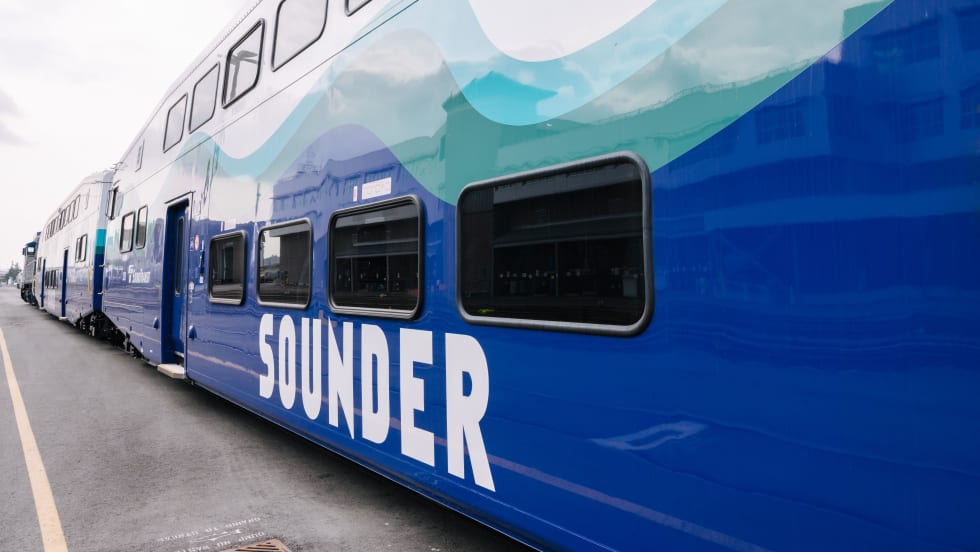
Seattle's Sound Transit Launches New Sounder Railcars into Service
Alstom manufactured all the cars under a $46.5 million contract and came into service in anticipation of summer crowds for soccer and baseball.
Read More →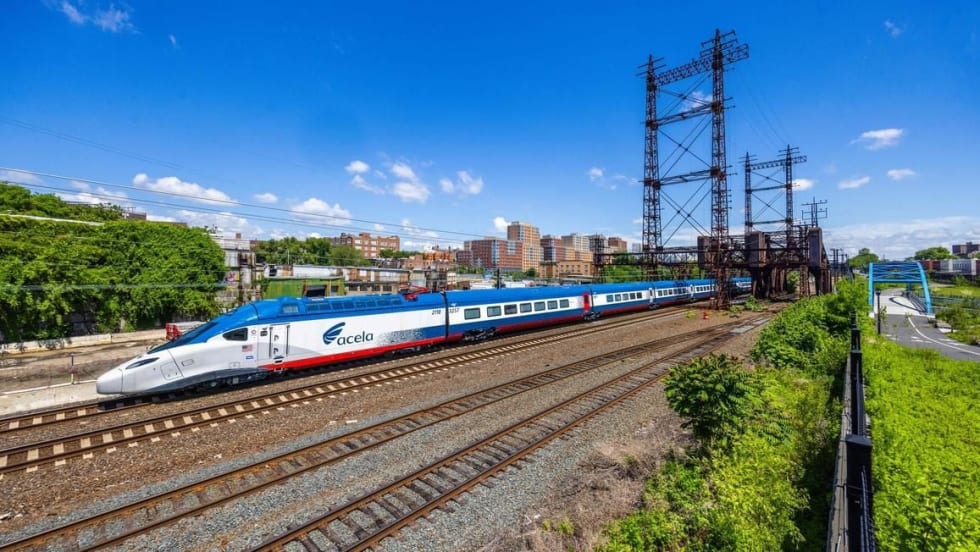
Alstom Partners With Universities to Build Rail Talent Pipeline
The partnerships include a new engineering scholarship fund at Alfred State College in Western New York and collaborations with transportation centers at the University of Pennsylvania and New York University.
Read More →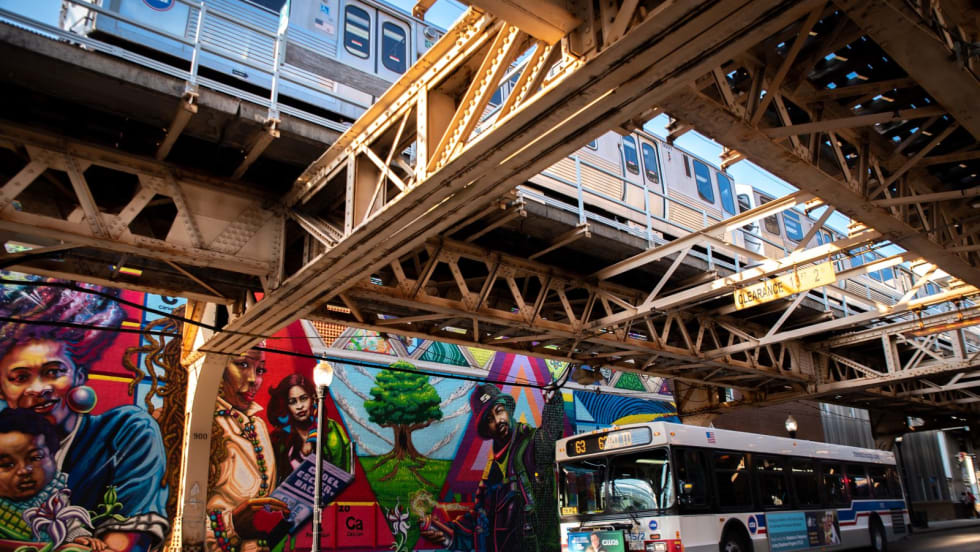
Chicago's NITA Act Moves Into Next Phase as Service Improvements Begin
Rider-focused improvements will begin rolling out across the system immediately as CTA, Metra, and Pace increase service this summer in the six-county region.
Read More →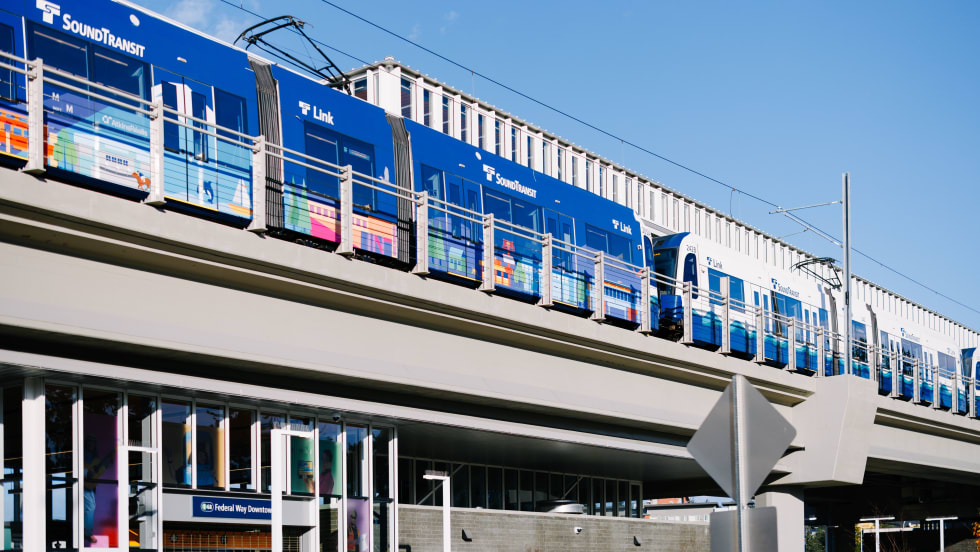
Seattle’s Sound Transit Adopts Updated ST3 System Plan
The updated system plan incorporates cost savings across the agency, including new revenue sources and financial policies, to set the agency on a sustainable path for the future.
Read More →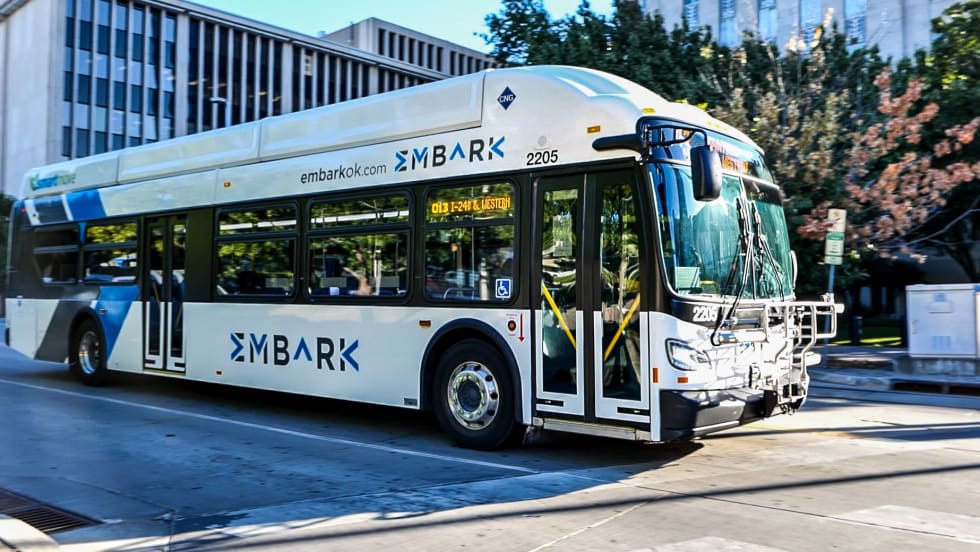
Inside Look: EMBARK Expands Fare-Free Transit Program Through New Public-Private Partnership
The OKC transit agency says sponsorship helps subsidize the Third Friday Free initiative while reducing barriers for first-time riders and boosting ridership across buses, streetcars, and river cruises.
Read More →