



S.F. MTA approves 2-year budget
Makes a significant investment in maintenance that will increase the Municipal Railway’s reliability, reduce overtime through adequate staffing and focus on other means to speed the system, such as all-door boarding. Also provides free transit service for low-income youth who use a Clipper card for a 22-month pilot program.

The board of directors of the San Francisco Municipal Transportation Agency (SFMTA) approved the agency’s two-year budget for Fiscal Year (FY) 2013 and FY 2014. The fiscal year is July 1 to June 30.
The budget makes a significant investment in maintenance that will increase the Municipal Railway’s (Muni) reliability, reduce overtime through adequate staffing, and focus on key initiatives such as the Transit Effectiveness Project (TEP) and other means to speed the system, including all-door boarding.
The budget also provides free transit service for low-income youth, ages five to 17, who use a Clipper card, for a 22-month pilot program beginning Aug. 1, contingent upon funding from the Metropolitan Transportation Commission.
Other key components of the operating budget include:
• Implementing management efficiencies. $2 million in cuts to management staff; $5 million reduction in overtime; and $1 million savings through improved management of worker’s compensation
• All Door Boarding. The budget provides more than $1 million to support the implementation of all door boarding by July 1 of this year. All door boarding — which means passengers can legally board buses through any door, unless they are paying with cash — will have immediate positive impacts on the system, such as speeding up the boarding process, improving service reliability and reducing travel time. Additionally, faster service will result in savings that can be reinvested into the system through improved frequency and increased capacity, realizing long-term, sustainable benefits.
• Additional safety and traffic personnel to improve traffic and transit safety and efficiency.
• Labor concessions. Projected savings on the order of $7 million annually related to salaries and benefits in labor contracts currently being negotiated.
• Modernizing antiquated parking policies and expanding current parking management. Currently, parking is generally unregulated on Sundays, except on Port property. In the 1950s, when many of the city’s parking meters were installed to facilitate commerce, many businesses were closed on Sundays. Today, roughly three-quarters of the city’s businesses are open. This plan calls for enforcement between noon and 6 p.m. on Sundays, including four hour time limits. Plans also include adding more than 500 meters to the existing 29,000 to help increase parking efficiency in neighborhoods historically challenged with parking availability.
• Offsetting State Citation Fees. Includes $5 increase in citation fees to cover two state-imposed court surcharges.
Key components of two-year capital budget:
Sixteen capital programs funded. The Capital Budget consists of $582.3million in FY 12-13 and $477.8million in FY 13-14, funding various projects within 16 capital programs. Funding commitments include:
• Targeted $38 million investment in Muni Metro System track and signal infrastructure to improve service reliability.
• More than $447 million to continue development of the Muni Metro T Third Central Subway project to decrease travel time and improve mobility.
• Investment of $185 million in the Muni bus fleet to reduce maintenance costs and improve service reliability and $32 million in traffic and signal infrastructure for reduced maintenance costs and implement transit signal priority.
More Bus
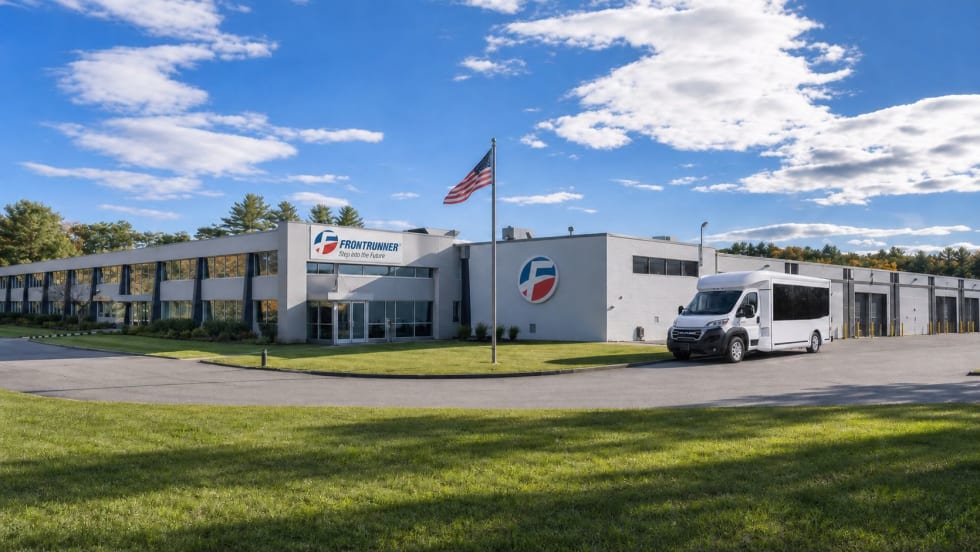
Frontrunner Bus Group Expands with New Massachusetts Headquarters
The significantly larger facility will provide the infrastructure needed to support the company’s growing workforce, advanced technologies, and expanding product line.
Read More →
Joshua Schank on Transportation Innovation, Risk, and the Future of Mobility
In this edition of METROspectives, Joshua Schank discusses lessons from launching LA Metro’s Office of Extraordinary Innovation, the challenges of advancing new mobility technologies, and much more.
Read More →
Reinventing Fleet Maintenance with Real-time Visibility and AI
Transit leaders need to know what needs fixing, where to look, who is responsible, when work is completed, and what it costs without having to chase information across disconnected systems.
Read More →
SamTrans Sets Priorities for Potential Connect Bay Area Revenue
The board-approved framework allocates future funding to maintaining service, rider improvements, equity initiatives, and infrastructure repairs.
Read More →
When Routine Fails: How Public Transit Must Adapt for the World Cup
The 2026 FIFA World Cup will test transit agencies’ ability to manage unpredictable travel patterns, making real-time data and operational flexibility critical to moving millions of visitors efficiently.
Read More →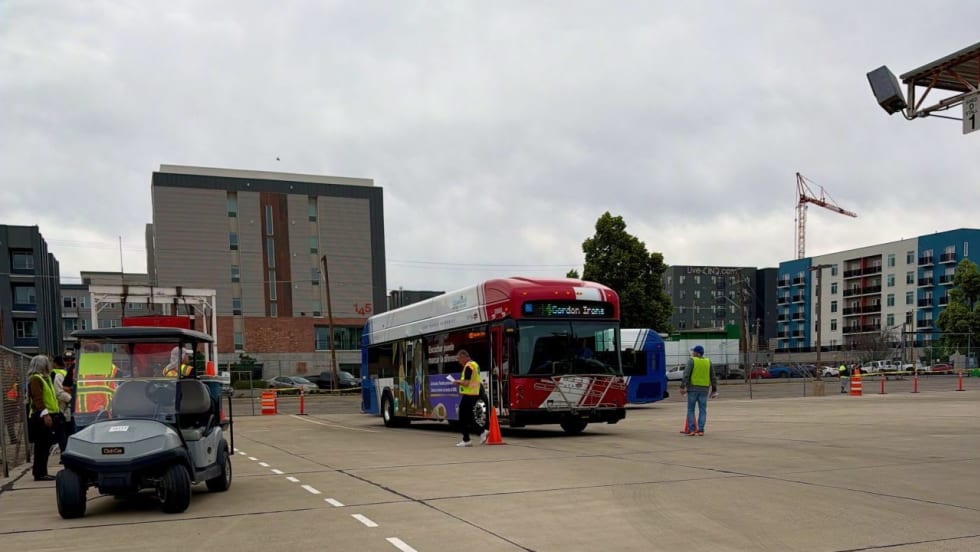
Photo Highlights from APTA's 2026 Mobility Conference
The photo gallery captures scenes from the conference, including the International Bus Roadeo, exhibit hall activities, the Bus Showcase, and much more.
Read More →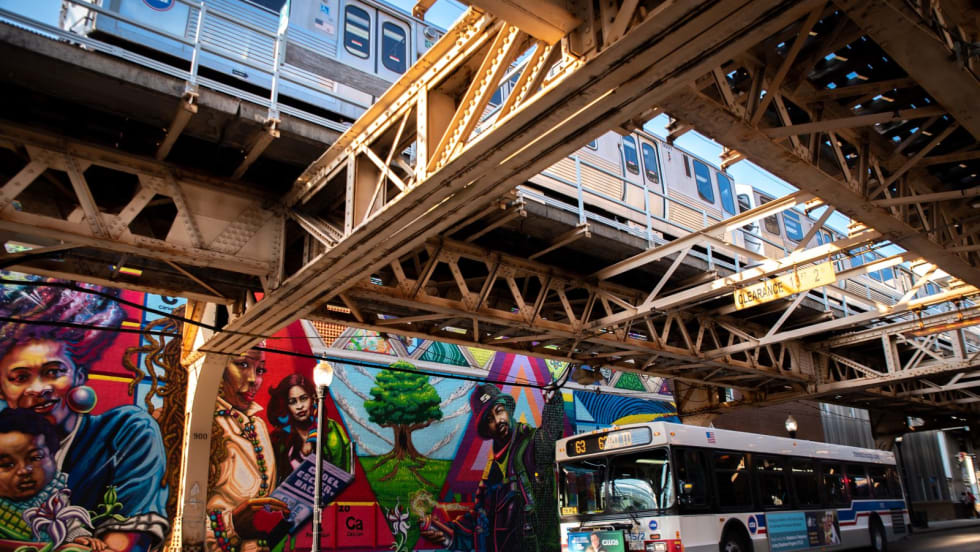
Chicago's NITA Act Moves Into Next Phase as Service Improvements Begin
Rider-focused improvements will begin rolling out across the system immediately as CTA, Metra, and Pace increase service this summer in the six-county region.
Read More →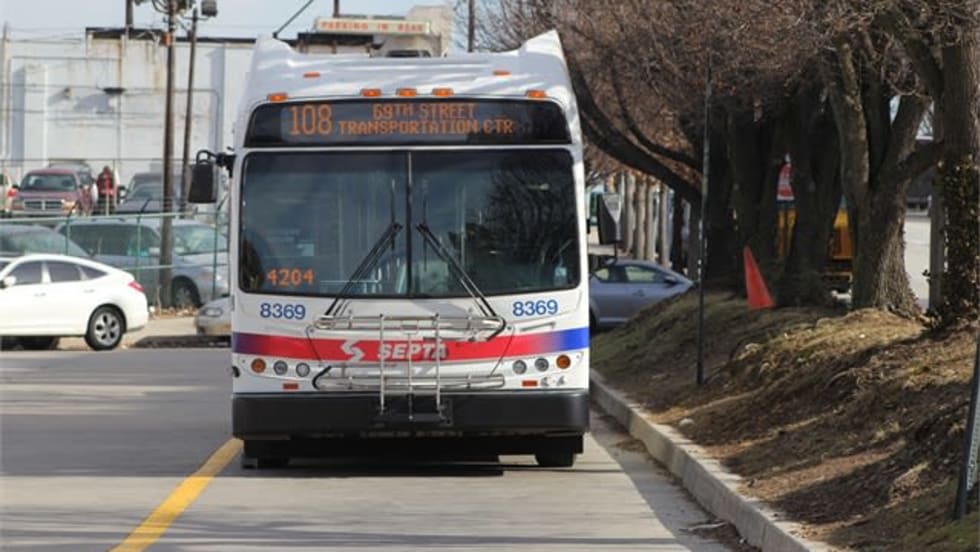
Philadelphia's SEPTA Approves Annual Transit Service Plan
Between 2021 and 2024, SEPTA held more than 200 public meetings — including 144 in-person sessions — throughout the SEPTA service region.
Read More →
A True Low-Floor Minibus Design Delivers Better Accessibility and Efficiency for Everyone
As transit demands evolve, so should your fleet. Download the whitepaper to see how the Low-Floor Frontrunner Minibus compares to traditional options.
Read More →
WMATA Debuts 'Fares Pay for Service' Awareness Campaign
The campaign was highlighted during a media event at the Paul S. Sarbanes Transit Center in Silver Spring, where WMATA’s GM/CEO Randy Clarke joined Metro Transit Police officers, WMATA management team, board members, and staff to expand fare enforcement and customer education efforts on Metro Bus routes throughout the region.
Read More →