



Chicago Transit, Pace unveil open fare payment
Beginning in summer 2013, Ventra will enable customers to pay for rides with contactless payment methods, including Ventra Cards; Ventra Tickets for single-ride and one-day passes; and personal bank-issued debit and credit cards equipped with a contactless chip.

The Chicago Transit Authority (CTA) and Pace Bus unveiled Ventra, a new fare payment system that will provide CTA and Pace customers with a new and more convenient way to pay for train and bus rides.
Ventra will be available in summer 2013, and will allow customers to pay for rides with the same payment method they use for everyday purchases. Customers can choose from the following contactless payment methods: Ventra Cards, Ventra Tickets for single-ride and one-day passes, and personal bank-issued debit and credit cards equipped with a contactless chip. Customers will simply “tap” their contactless payment card to quickly board trains and buses.
With Ventra, riders will no longer need to carry multiple cards and will not have to worry about having cash on hand or exact change. Additionally, the “tap” transaction will be faster than inserting cash or magnetic-stripe cards into fare equipment, which will speed boarding and improve service.
“Chicago will become the first major U.S. city to adopt an open fare system for transit,” said Forrest Claypool, CTA president.
CTA and Pace will also continue offering special fares and various priced fare products, like 30-day and seven-day passes, and will still accept cash on buses. Customers will also eventually be able to use compatible mobile phones to pay for train and bus rides.
The transit agencies retain full control of their fare structures while enabling customers to easily transfer between both services using the same form of payment.
The Ventra Card is a new dual-purpose card that includes a transit account and an optional Money Network prepaid debit account. In addition to using the card to pay for train and bus rides, CTA and Pace customers can activate the prepaid debit account for everyday purchases like shopping online or buying groceries, and for paying bills and getting cash at ATMs.
Ventra Cards and fare products will be sold at vending machines in rail stations and will be made available at up to 2,500 retail locations throughout Chicago and the suburbs. Many of the locations will be within blocks of CTA rail stations and CTA and Pace bus stops.
Customers are encouraged to visit ventrachicago.com for information and to sign up to receive updates as CTA and Pace implement the new fare payment system.
CTA has been working with Cubic Transportation Systems to design the new system since announcing the partnership in November 2011, when CTA awarded the $454 million contract. Pace joined the contract in July 2012.
Cubic will provide all of the fare collection equipment, maintenance and support. Once the system is live, CTA and Pace will pay Cubic a monthly fee plus a fee per “tap,” or paid fare.
The new system is expected to result in a savings of more than $50 million to the CTA over the life of the 12-year contract and resolves the need for CTA and Pace to upgrade and maintain existing fare collection equipment that is nearing the end of its useful life.
Cubic will begin installing the new Ventra fare machines at rail stations this October, along with new touch-pads on buses and at turnstiles. The fare machines and touch-pads will not be operational until the system’s pilot testing in spring 2013.
Ventra will be available to all customers in summer 2013. At this time, both new and existing fare media will be accepted. In 2014, all CTA and Pace fare media, including the Chicago Card and Chicago Card Plus, will be replaced with Ventra.
More Bus

The Business Voice Behind Public Transportation
As chair of APTA’s Business Members Board of Governors, Ray Melleady explains how more than 850 business members are partnering with transit agencies to advance funding, innovation, and industry-wide collaboration.
Read More →
From Surviving to Thriving: Building Stronger Transportation Organizations
Bus Business Consultants founder Brian Dickson shares lessons on leadership, organizational health, and creating options for long-term success in a changing transportation industry.
Read More →
Finding the ‘Happy Medium’: Optimizing Maintenance Without Sacrificing Reliability
The key to maintenance optimization isn’t doing less work—it’s doing the right work at the right time on the right assets.
Read More →
LA Metro, City of West Hollywood, and Partners Advance Smarter Bus Lane Enforcement
The award-winning partnership combines AI-powered detection with human oversight to improve bus reliability, accessibility, and enforcement efficiency.
Read More →
PSTA Modernizes Workforce Management with Digital Bidding System
The award-winning Workforce Transit Modernization project replaced paper bidding with a transparent digital platform, cutting administrative effort while improving access for operators.
Read More →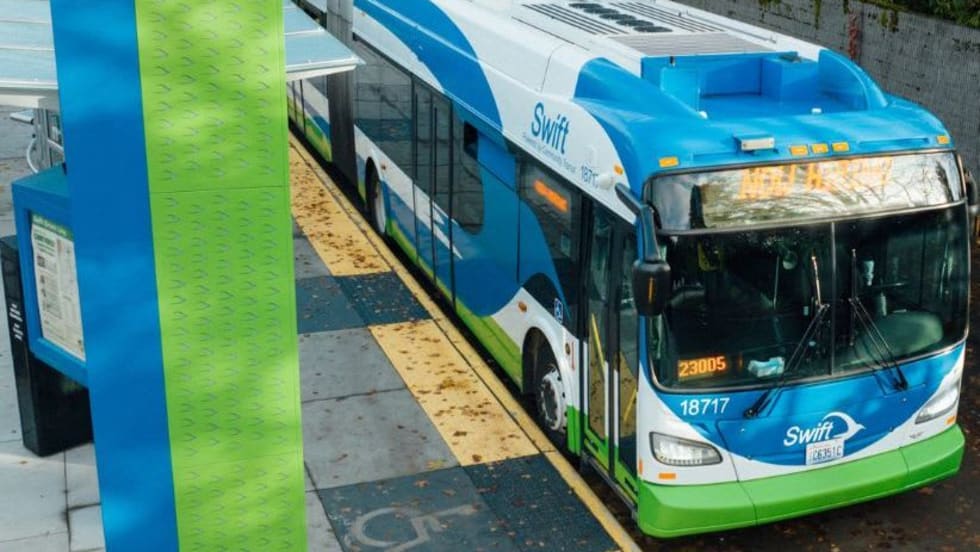
Washington's Community Transit Sets Six-Year Roadmap for Growth, Expansion
Approved TDP targets more bus service, new mobility options, Swift BRT expansion, and a potential Everett Transit annexation.
Read More →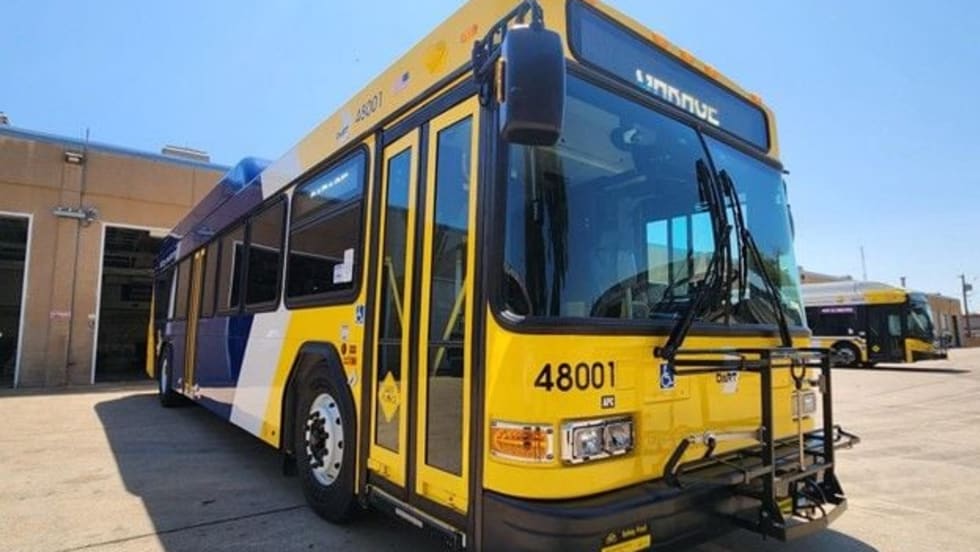
DART Customer Satisfaction Reaches Six-Year High
Overall satisfaction rose to 74.9%, while the agency’s Net Promoter Score reached a record 33.7.
Read More →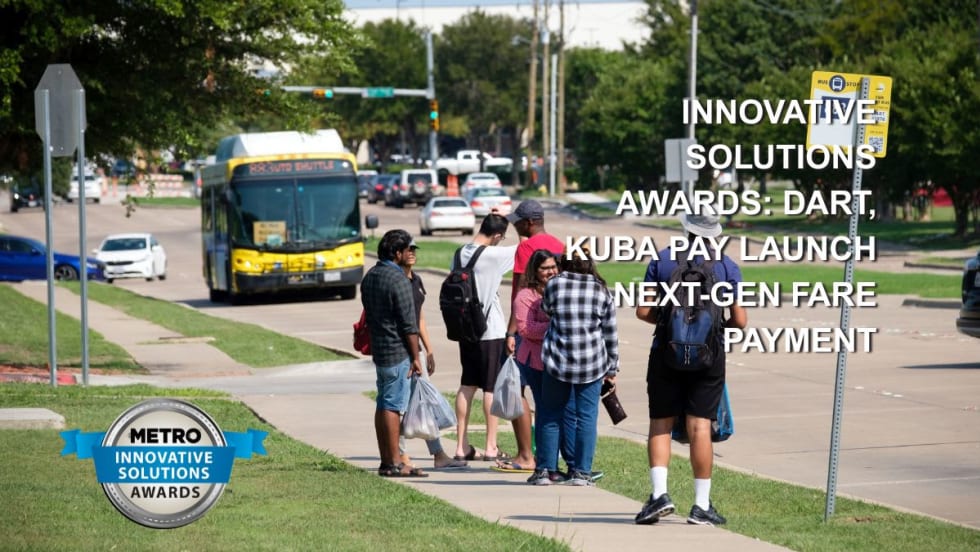
How DART's GoPass Is Redefining Regional Mobility
Serving 14 transit agencies, GoPass simplifies multimodal travel by allowing riders to plan, pay for, and manage an entire trip through one app.
Read More →
Biz Briefs: OCTA Taps Clean Energy for Hydrogen Station, Stadler to Supply Via Rail Vehicles, and More
From manufacturers and suppliers to transit agencies and motorcoach operators, these updates offer a snapshot of the projects, partnerships and business moves driving the industry forward.
Read More →
METRO Magazine Announces 2026 Innovative Solutions Awards Winners
Projects Recognized for Advancing Mobility Through Technology, Accessibility, Workforce Innovation, and Operational Excellence
Read More →