



FRA awards funds to Ind., Va.
The Indiana Gateway Project will receive $71.3 million. Improvements include track reconfiguration and track and signal upgrades, all of which will help improve service reliability while creating jobs and relieving congestion. Virginia will receive $74.8 million to continue development of the Southeast High-Speed Rail Corridor.

The Federal Railroad Administration (FRA) awarded $71.3 million to the state of Indiana to help alleviate congestion in one of the region’s most delay-prone rail corridors. The Indiana Gateway Project will both relieve congestion and support the development of higher performing intercity passenger rail service in the Midwest.
The project is located on 29.3 miles of track owned by Norfolk Southern Railway between Porter, Ind., and the Indiana/Illinois state line and at one location on Amtrak’s line. The improvements will include track reconfiguration and track and signal upgrades, all of which will help improve service reliability while creating jobs and relieving congestion.
More than 90 freight trains and 14 Amtrak intercity passenger trains currently travel the area between the Indiana/Illinois state border and Porter, Ind., every day.
The completion of this project will significantly strengthen the Midwest Regional Rail Network, which will connect more than 40 cities in the Midwest. More than 100 million people call the Midwest region home, with the vast majority of residents living within 500 miles of the Chicago rail hub. Using the Gross Domestic Product as a measure, the Great Lakes-Midwest economic region would be the fifth largest economy if it were its own country.
With more than $2.5 billion already invested in the Midwest since 2009, funding 39 projects in eight states, the FRAd and its state partners are making great progress on High-Speed and Intercity Passenger Rail projects across the Midwest. Nationwide, more than $12 billion has been invested in 153 projects in 32 states, laying the foundation for a 21st Century passenger rail network.
Meanwhile, the FRA also awarded more than $74.8 million to the Commonwealth of Virginia to continue development of the Southeast High-Speed Rail Corridor. The funding will help improve passenger and freight rail service between Virginia and Washington, D.C. and reduce delays on the Virginia Rail Express (VRE) commuter service.
The project will build up to 11 miles of third track and related improvements from Arkendale in Stafford County to Powell's Creek in Prince William County, Va. The third track will provide the capacity needed for higher speed trains on the Southeast Corridor to operate without conflict from freight and commuter trains. On a daily basis, 40 to 50 freight trains, 10 Amtrak trains and 14 VRE trains operate over this segment, and the addition of a third track will allow for traffic to flow unimpeded. In addition to adding a third track, the project includes final design and improvements to the station at the Quantico Marine Base in Quantico, Va.
When completed, the Corridor will have at least eight high-speed trains traveling at 110 mph between Charlotte, N.C. and Washington, D.C. Travel time between the cities will be reduced by up to three hours, and travel time between Richmond, Va. and Washington, D.C will be reduced by 35 minutes.
The Southeast Corridor is one of five originally proposed high-speed passenger rail corridors designated by the U.S. Department of Transportation in 1992. It is part of an overall plan to extend service from the existing high-speed rail on the Boston to Washington Northeast Corridor to points in the Southeast. Future plans for the Southeast High-Speed Rail Corridor call for extending service from Charlotte to Atlanta.
More Rail

The Invisible Infrastructure of Passenger Flow
What a seat reservation system on Austria’s Railjet trains reveals about the future of rider experience, and why U.S. agencies should pay attention.
Read More →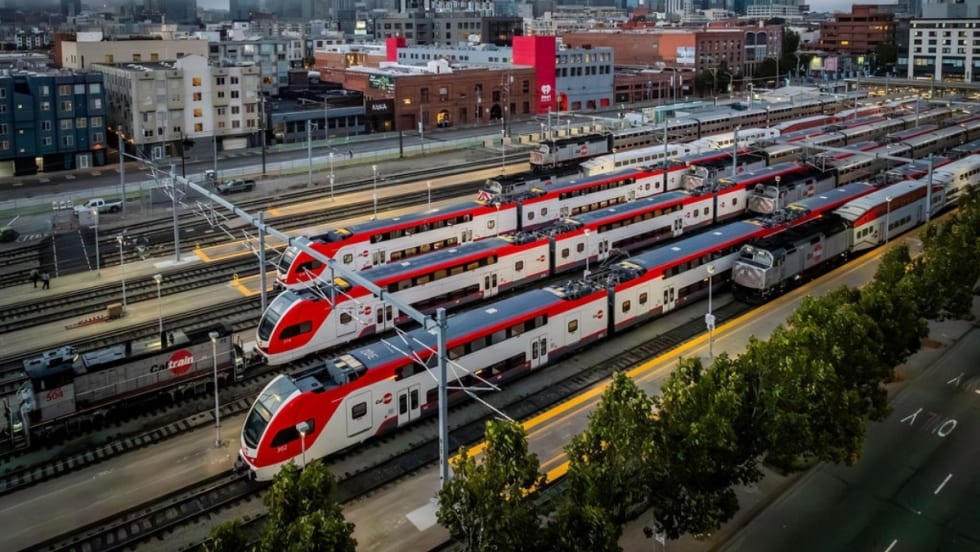
Caltrain Board Approves FY27 Budget, Endorses Efficiency Measures
The move ensures Caltrain service will continue operating as usual in the near term, but long-term financial challenges remain for the rail agency absent a new revenue source.
Read More →
Alstom Acquires Delaware Site to Support Amtrak NextGen Acela Fleet
The company is investing more than $55 million to acquire and improve the property and will employ approximately 100 people at this site once it is operational.
Read More →
When Routine Fails: How Public Transit Must Adapt for the World Cup
The 2026 FIFA World Cup will test transit agencies’ ability to manage unpredictable travel patterns, making real-time data and operational flexibility critical to moving millions of visitors efficiently.
Read More →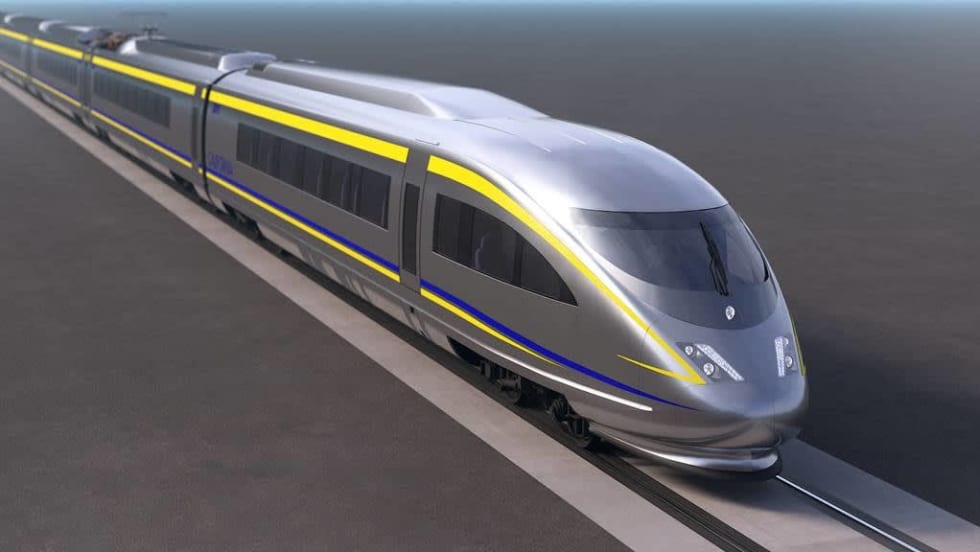
California Selects Team for Nation’s First True High-Speed Rail Track and Systems Contract
The board action follows completion of track installation at the 150-acre southern railhead in Kern County, which will serve as the staging and distribution hub for high-speed track and systems installation.
Read More →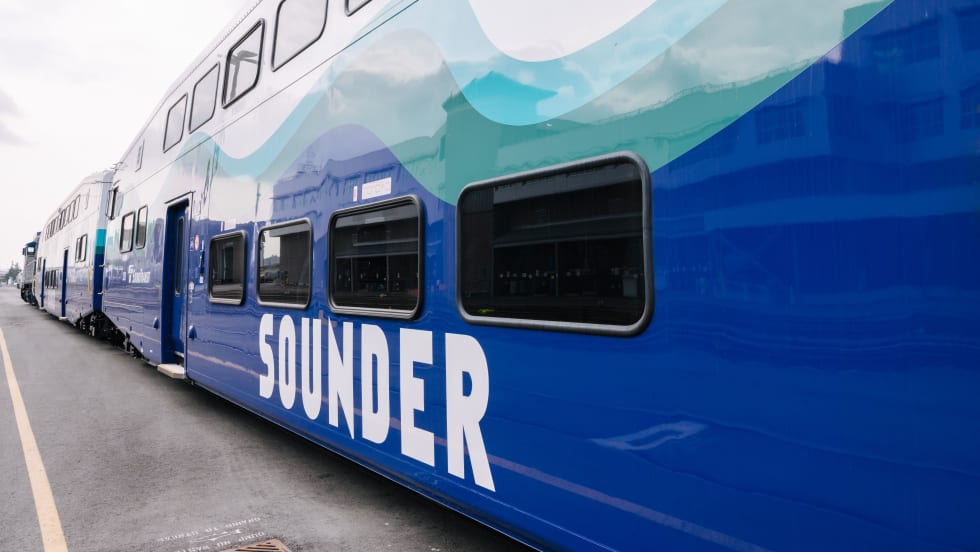
Seattle's Sound Transit Launches New Sounder Railcars into Service
Alstom manufactured all the cars under a $46.5 million contract and came into service in anticipation of summer crowds for soccer and baseball.
Read More →
Alstom Partners With Universities to Build Rail Talent Pipeline
The partnerships include a new engineering scholarship fund at Alfred State College in Western New York and collaborations with transportation centers at the University of Pennsylvania and New York University.
Read More →
Chicago's NITA Act Moves Into Next Phase as Service Improvements Begin
Rider-focused improvements will begin rolling out across the system immediately as CTA, Metra, and Pace increase service this summer in the six-county region.
Read More →
Seattle’s Sound Transit Adopts Updated ST3 System Plan
The updated system plan incorporates cost savings across the agency, including new revenue sources and financial policies, to set the agency on a sustainable path for the future.
Read More →
Inside Look: EMBARK Expands Fare-Free Transit Program Through New Public-Private Partnership
The OKC transit agency says sponsorship helps subsidize the Third Friday Free initiative while reducing barriers for first-time riders and boosting ridership across buses, streetcars, and river cruises.
Read More →