



Driver inattention and poorly maintained brakes led to collision with Amtrak train
On Friday, June 24, 2011, a 2008 Peterbilt truck-tractor pulling two empty trailers on northbound U.S. 95 struck the left side of an Amtrak train that was passing through a grade crossing en route from Chicago to Emeryville, Calif.

An inattentive driver and faulty brakes, due to an improperly maintained vehicle, were the probable cause of an accident in which a heavy commercial truck struck a California-bound Amtrak passenger train in the Nevada desert last summer killing six and injuring 16, according to the National Transportation Safety Board (NTSB).
On Friday, June 24, 2011, a 2008 Peterbilt truck-tractor pulling two empty trailers on northbound U.S. 95 struck the left side of an Amtrak train that was passing through a grade crossing en route from Chicago to Emeryville, Calif. The collision, which destroyed the truck-tractor and several passenger railcars, also ignited a fire that engulfed two railcars and part of a third. The accident killed the truck driver, the train conductor and four train passengers; 15 train passengers and one crewmember were injured.
When the grade crossing signals activated, the truck, traveling at least 58 mph, was still more than 2,300 feet from the tracks, however, investigators found no evidence that the truck driver began braking until the front of the truck was less than 300 feet from the crossing.
Reconstruction of the accident using a recording from a forward-facing video camera mounted on the front of the train as well as physical evidence helped investigators to determine that the truck struck the crew car of the train at 26 mph to 30 mph.
The investigation revealed that nine of the 16 brakes on the truck were either out-of-adjustment or inoperative. In addition, the anti-lock brake systems of both trailers were not functional; wires to missing sensors were cut and zip-tied and wires to malfunction indicator lights had been disconnected, raising serious questions about the maintenance practices of the trucking company.
Several months after the collision, NTSB investigators returned to the accident site and conducted a series of tests with an exemplar truck in which the braking system was in proper working order. Test results showed that if the accident truck been able to decelerate as well as the exemplar vehicle, the accident would have been avoided with the accident truck coming to a stop 15 feet to 67 feet short of the rail tracks.
Investigators also found that the driver, who had an erratic employment history with as many as 30 jobs over the 10 years prior to the accident, had been cited for more than a dozen moving violations, had at least three accidents, and had his driver's license suspended or revoked at least four times. When he applied to work at John Davis Trucking, he omitted information and misrepresented parts of his employment history. The NTSB concluded that since the process in place to obtain a full employment and driver license history was inadequate, John Davis Trucking did not have sufficient information to make an informed hiring decision when considering the driver's application.
As a result of the investigation, the NTSB made a total of 20 safety recommendations to John Davis Trucking, the Federal Motor Carrier Safety Administration, the National Highway Traffic Safety Administration, the Federal Highway Administration, the Federal Railroad Administration, the Nevada Highway Patrol, the Commercial Vehicle Safety Alliance, the American Trucking Association, The Owner-Operator Independent Drivers Association, the Towing and Recovery Association of America, the American Bus Association and the United Motorcoach Association.
A synopsis of the NTSB report, including the probable cause, findings and a complete list of the safety recommendations, is available here.
More Rail

The Invisible Infrastructure of Passenger Flow
What a seat reservation system on Austria’s Railjet trains reveals about the future of rider experience, and why U.S. agencies should pay attention.
Read More →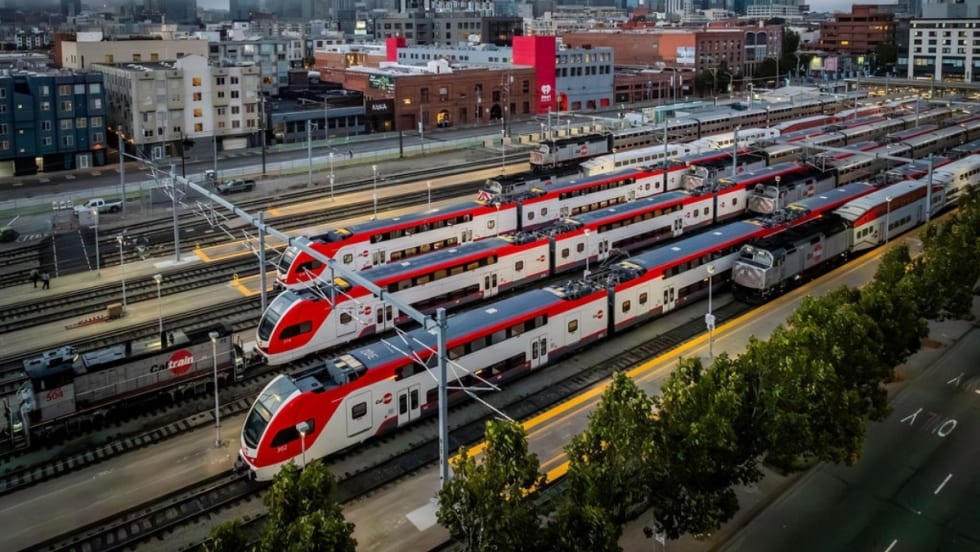
Caltrain Board Approves FY27 Budget, Endorses Efficiency Measures
The move ensures Caltrain service will continue operating as usual in the near term, but long-term financial challenges remain for the rail agency absent a new revenue source.
Read More →
Alstom Acquires Delaware Site to Support Amtrak NextGen Acela Fleet
The company is investing more than $55 million to acquire and improve the property and will employ approximately 100 people at this site once it is operational.
Read More →
When Routine Fails: How Public Transit Must Adapt for the World Cup
The 2026 FIFA World Cup will test transit agencies’ ability to manage unpredictable travel patterns, making real-time data and operational flexibility critical to moving millions of visitors efficiently.
Read More →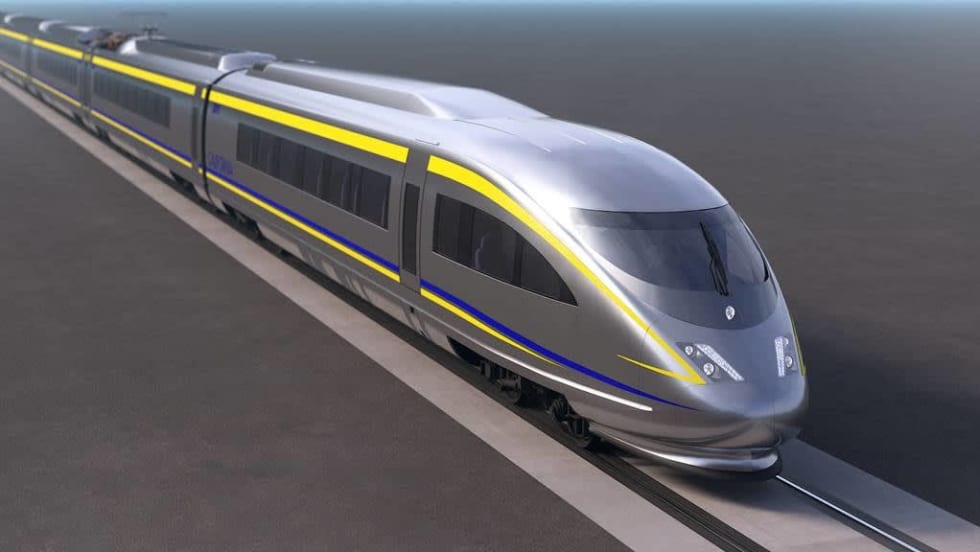
California Selects Team for Nation’s First True High-Speed Rail Track and Systems Contract
The board action follows completion of track installation at the 150-acre southern railhead in Kern County, which will serve as the staging and distribution hub for high-speed track and systems installation.
Read More →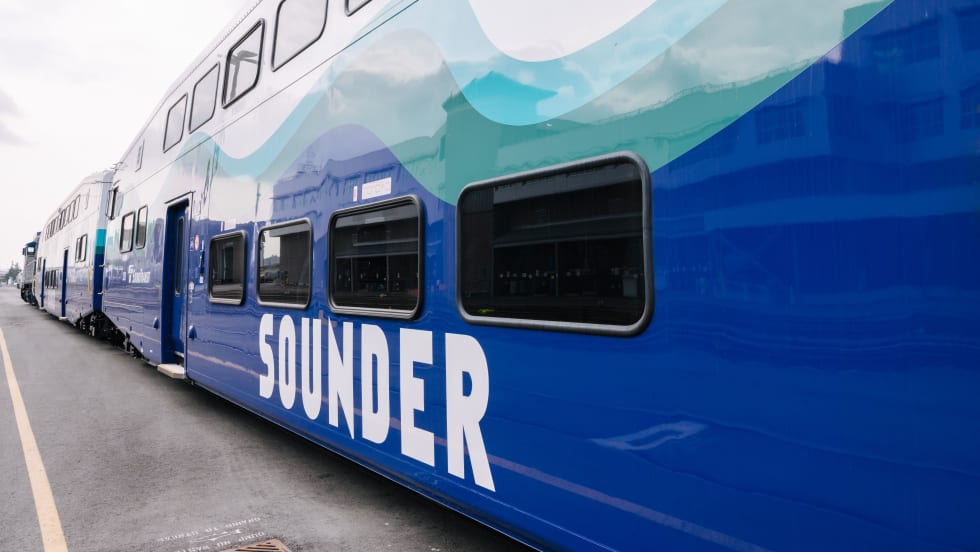
Seattle's Sound Transit Launches New Sounder Railcars into Service
Alstom manufactured all the cars under a $46.5 million contract and came into service in anticipation of summer crowds for soccer and baseball.
Read More →
Alstom Partners With Universities to Build Rail Talent Pipeline
The partnerships include a new engineering scholarship fund at Alfred State College in Western New York and collaborations with transportation centers at the University of Pennsylvania and New York University.
Read More →
Chicago's NITA Act Moves Into Next Phase as Service Improvements Begin
Rider-focused improvements will begin rolling out across the system immediately as CTA, Metra, and Pace increase service this summer in the six-county region.
Read More →
Seattle’s Sound Transit Adopts Updated ST3 System Plan
The updated system plan incorporates cost savings across the agency, including new revenue sources and financial policies, to set the agency on a sustainable path for the future.
Read More →
Inside Look: EMBARK Expands Fare-Free Transit Program Through New Public-Private Partnership
The OKC transit agency says sponsorship helps subsidize the Third Friday Free initiative while reducing barriers for first-time riders and boosting ridership across buses, streetcars, and river cruises.
Read More →