



Freedman Seating to equip Chicago’s new Nova buses
Chicago Transit Authority board approved the purchase of at least 300 buses up to as many as 450 buses, which will include light-weight, durable seating from the local supplier.

Mayor Rahm Emanuel joined Chicago Transit Authority (CTA) President Forrest Claypool in announcing that Chicago’s local economy will get an injection of up to $8.25 million and up to 100 new jobs as a result of CTA’s recently approved purchase of at least 300 buses up to as many as 450 buses, which will include light-weight, durable seating manufactured by Freedman Seating, a 120-year-old company based in Humboldt Park.
Approximately one-third of the new jobs will require highly-skilled trade positions including machinists, computer numerical control (CNC) operators, welders and engineers.
“A world-class transit system is a key component of our city’s economic plan,” said Mayor Emanuel. “By modernizing our bus and rail fleets, we are providing our passengers with a more comfortable, safe and reliable transit system while making critical improvements that boost the local economy with new jobs.”
In January 2013, the CTA board approved the awarding of a $148 million contract to Nova Bus for the purchase of at least 300 new 40-foot buses that will replace older model buses that are nearing the end of their useful life. As part of that contract, CTA’s specifications sought light-weight seating options to reduce vehicle weight and fuel costs, and that were also durable enough to withstand heavy-duty use in all seasons.
The new bus purchase is part of Mayor Emanuel’s overall pledge to modernize the nation’s second largest transit system, while boosting the local economy. In the last year, CTA has committed to several major upgrades of its infrastructure and bus and rail fleets, including the $493 million bus modernization initiative announced last June.
Under the bus modernization plan, CTA will have a clean, modern and more environmentally-friendly bus fleet with reduced increased capacity over the next few years. CTA has awarded two contracts valued at $185 million for the mid-life overhaul of roughly 60% of the existing fleet — 1,029 buses purchased between 2006 and 2007. The remaining portion of the fleet will be replaced with a combination of new standard (40-foot) and articulated (60-foot) buses.
So far, two contracts with a combined value of $228 million have been awarded for the purchase of at least 300 standard buses from Nova and 100 clean diesel and hybrid articulated buses from New Flyer. CTA is currently in the bidding process for the purchase of up to 150 additional articulated clean diesel and hybrid buses, which will be announced in early 2013.
Buses provide 58% of all rides taken on the CTA each year, serving all of Chicago and 35 surrounding suburbs. In 2012, bus ridership jumped by more than 4 million from the previous year, reaching 314 million recorded bus rides.
Improvement of infrastructure, including the public transportation system and its buses and trains, is a key component of Mayor Emanuel’s Plan for Economic Growth and Jobs. The Plan was created by World Business Chicago in concert with the Mayor’s office and its ten strategies are used to guide the direction of the City’s and the sister agencies’ economic development efforts.
More Bus
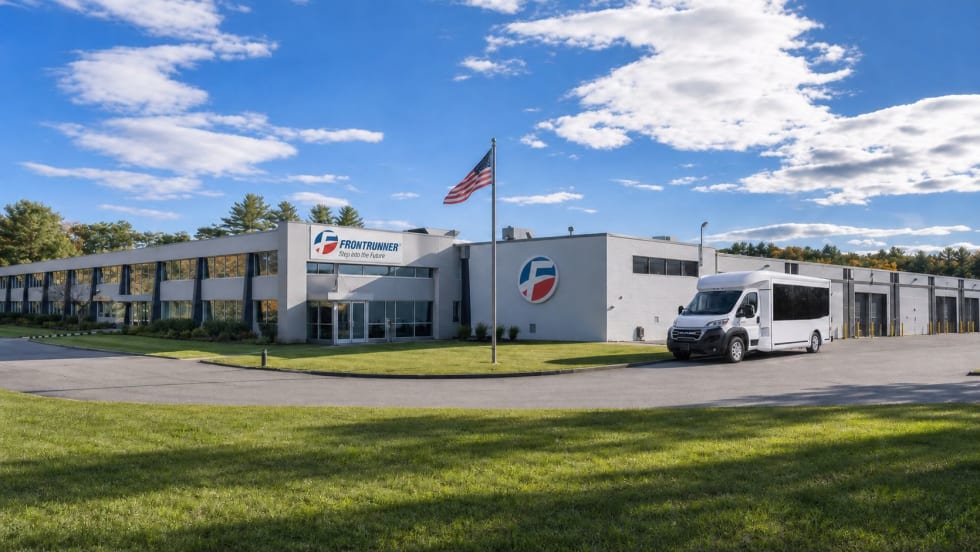
Frontrunner Bus Group Expands with New Massachusetts Headquarters
The significantly larger facility will provide the infrastructure needed to support the company’s growing workforce, advanced technologies, and expanding product line.
Read More →
Joshua Schank on Transportation Innovation, Risk, and the Future of Mobility
In this edition of METROspectives, Joshua Schank discusses lessons from launching LA Metro’s Office of Extraordinary Innovation, the challenges of advancing new mobility technologies, and much more.
Read More →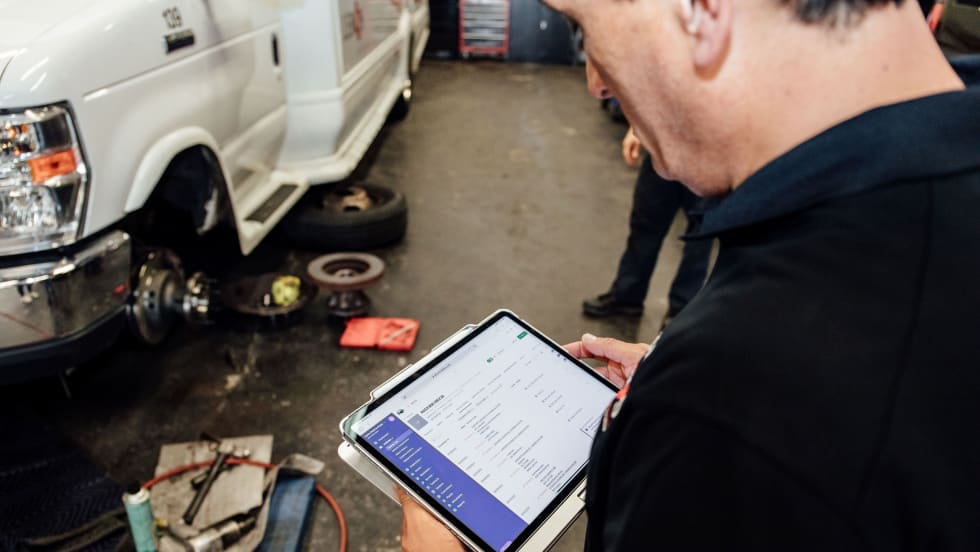
Reinventing Fleet Maintenance with Real-time Visibility and AI
Transit leaders need to know what needs fixing, where to look, who is responsible, when work is completed, and what it costs without having to chase information across disconnected systems.
Read More →
SamTrans Sets Priorities for Potential Connect Bay Area Revenue
The board-approved framework allocates future funding to maintaining service, rider improvements, equity initiatives, and infrastructure repairs.
Read More →
When Routine Fails: How Public Transit Must Adapt for the World Cup
The 2026 FIFA World Cup will test transit agencies’ ability to manage unpredictable travel patterns, making real-time data and operational flexibility critical to moving millions of visitors efficiently.
Read More →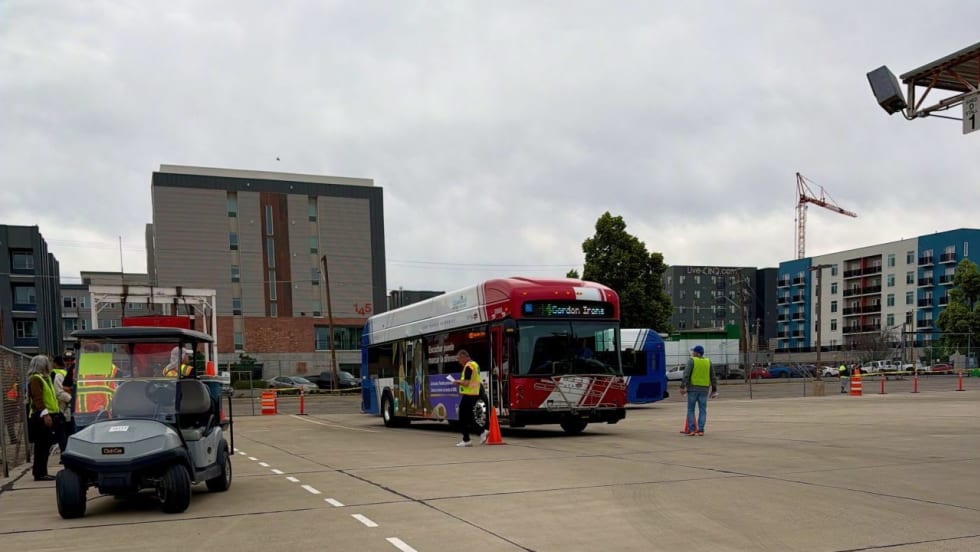
Photo Highlights from APTA's 2026 Mobility Conference
The photo gallery captures scenes from the conference, including the International Bus Roadeo, exhibit hall activities, the Bus Showcase, and much more.
Read More →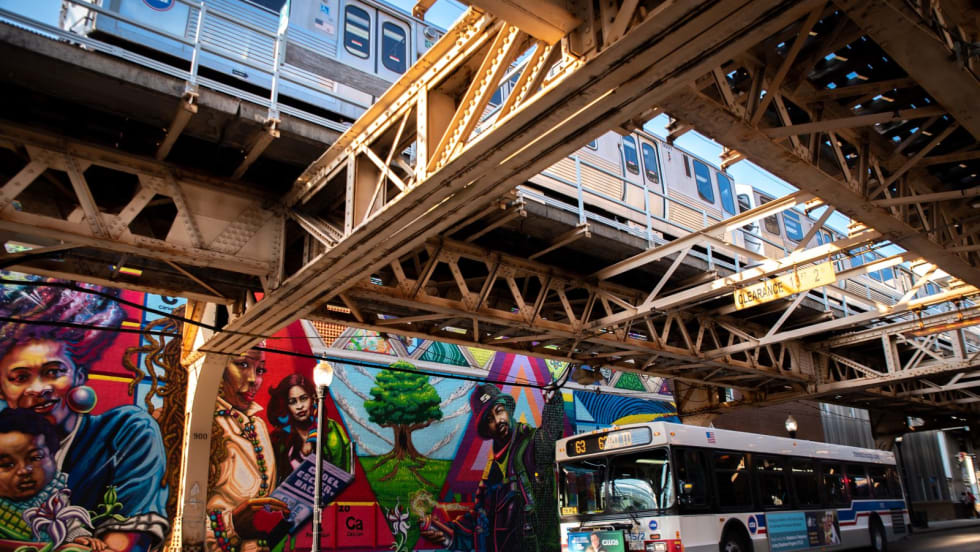
Chicago's NITA Act Moves Into Next Phase as Service Improvements Begin
Rider-focused improvements will begin rolling out across the system immediately as CTA, Metra, and Pace increase service this summer in the six-county region.
Read More →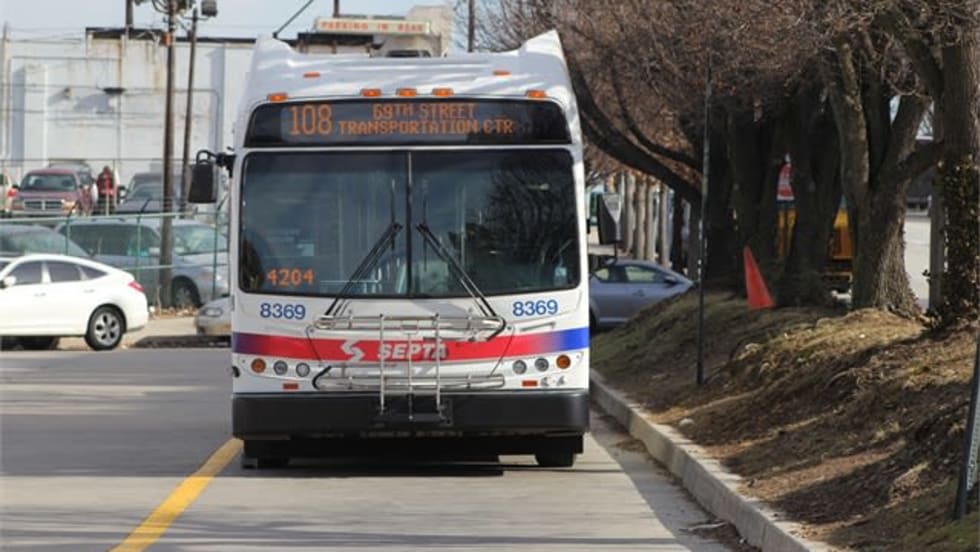
Philadelphia's SEPTA Approves Annual Transit Service Plan
Between 2021 and 2024, SEPTA held more than 200 public meetings — including 144 in-person sessions — throughout the SEPTA service region.
Read More →
A True Low-Floor Minibus Design Delivers Better Accessibility and Efficiency for Everyone
As transit demands evolve, so should your fleet. Download the whitepaper to see how the Low-Floor Frontrunner Minibus compares to traditional options.
Read More →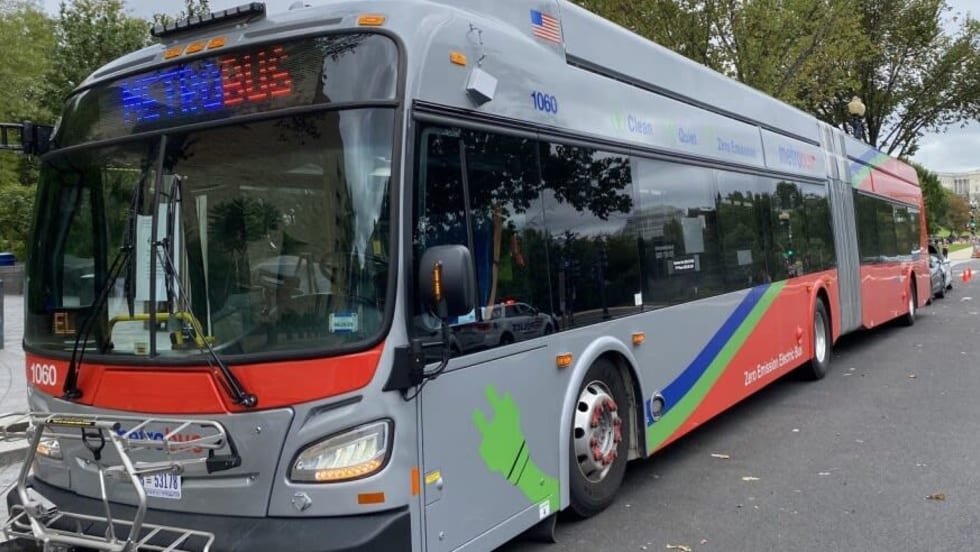
WMATA Debuts 'Fares Pay for Service' Awareness Campaign
The campaign was highlighted during a media event at the Paul S. Sarbanes Transit Center in Silver Spring, where WMATA’s GM/CEO Randy Clarke joined Metro Transit Police officers, WMATA management team, board members, and staff to expand fare enforcement and customer education efforts on Metro Bus routes throughout the region.
Read More →