



FTA announces second Sandy relief allocations
A total of $10.9 billion was appropriated for transportation emergency relief. However, this funding is now reduced by 5%, or $545 million, because of the mandatory budget cuts known as sequestration that took effect on March 1.

The FTA announced the second allocation of federal aid totaling $164.2 million to be distributed to east coast transit systems for expenses incurred while preparing for and recovering from Hurricane Sandy.
The amount includes $163.4 million to reimburse New Jersey Transit Corp. (NJ Transit), the Port Authority Trans-Hudson Corp. (PATH), and the New York Metropolitan Transportation Authority (MTA).
The City of Long Beach and Westchester County in New York and the Milford Transit District in Connecticut received reimbursements totaling an additional $841,000.
This second round of federal transit funds are part of the FTA’s Public Transportation Emergency Relief Program, which allows FTA to reimburse eligible public transportation capital and operating costs in the event of a federally declared disaster.
A total of $10.9 billion was appropriated for the program under the Disaster Relief Appropriations Act, which was signed into law by President Obama on Jan. 29, 2013. However, this funding is now reduced by 5%, or $545 million, because of the mandatory budget cuts known as sequestration that took effect on March 1.
The $164,228,214 allocated will reimburse for labor, materials and capital costs incurred to protect vehicles, facilities and infrastructure; conduct emergency operations, including temporary transit service; and make immediate and permanent repairs, as follows:
NJ Transit is receiving $144,416,559 for repair and replacement of equipment and facilities that suffered extensive damage by Hurricane Sandy, restoration of bus service, and emergency bus and special ferry operations to transport NJ Transit passengers to and from Manhattan until rail service and tunnel operations could be restored. Funds will be used to repair extensive damage due to flooding to facilities, rail infrastructure and equipment, including Hoboken Yard and Terminal, maintenance facilities and power substations, the Hudson-Bergen light rail line, Newark city subway light rail system, North Jersey Coast commuter rail line and Gladstone Branch commuter rail line.
PATH is receiving an additional allocation of $18,213,824 following FTA’s first allocation of $141,506,347 on March 6. This brings the total amount reimbursed to PATH to $159,720,171. The funds are for efforts undertaken to address the storm’s catastrophic impact on commuter rail service between New York and New Jersey (including the Hoboken-World Trade Center and service between Hudson and Essex counties in New Jersey and Manhattan). Funds were expended to set up alternative commuter service; repair electric substations and signal infrastructure; replace and repair rolling stock; and repair maintenance facilities.
New York MTA is receiving an additional allocation of $756,915 following FTA’s first allocation of $193,136,983 on March 6. This brings the total amount reimbursed to the MTA to $193,893,898. The funds are for repair and restoration of the Easter River tunnels; the South Ferry/Whitehall station; the Rockaway line; rail yards, maintenance shops, and other facilities; and heavy rail cars. The funds support work by New York City Transit; the Staten Island, Long Island and Metro-North railroads; and MTA Bus.
The City of Long Beach is receiving $518,364 for emergency protective measures taken, such as evacuating residents to shelters, moving transit equipment to protect against the storm, providing additional transit service in place of the disabled Long Island Rail Road and emergency repairs to buses damaged by salt water erosion.
Westchester County is receiving $317,200 for emergency protective measures to minimize the impact of extreme weather on the Bee-Line bus system, such as surveying roads for closure and maintaining personnel onsite at transit garages, as well as restoring service following the storm.
The Milford Transit District is receiving $5,352 for operating expenses associated with evacuations, transporting residents for the City of Milford’s Safe and Warm Program in areas without power and for debris removal.
More Bus
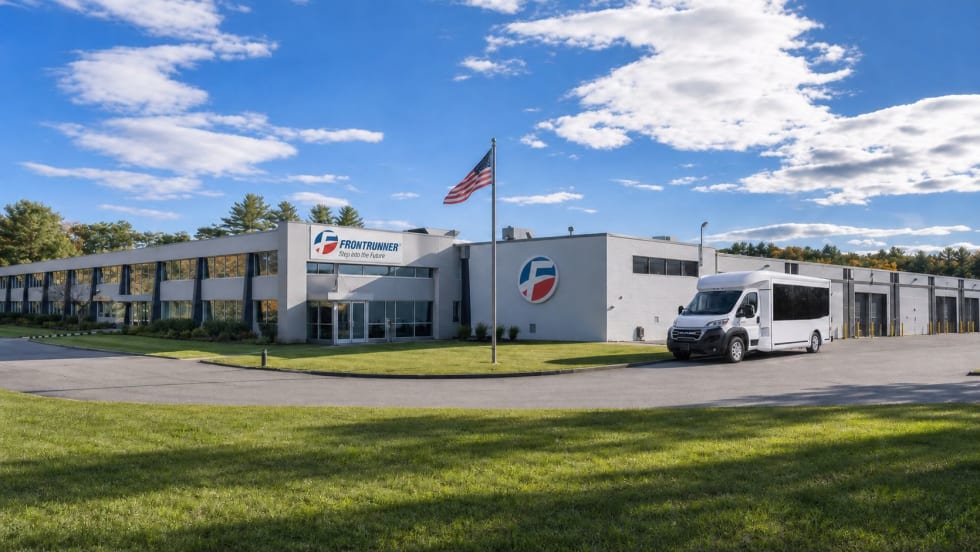
Frontrunner Bus Group Expands with New Massachusetts Headquarters
The significantly larger facility will provide the infrastructure needed to support the company’s growing workforce, advanced technologies, and expanding product line.
Read More →
Joshua Schank on Transportation Innovation, Risk, and the Future of Mobility
In this edition of METROspectives, Joshua Schank discusses lessons from launching LA Metro’s Office of Extraordinary Innovation, the challenges of advancing new mobility technologies, and much more.
Read More →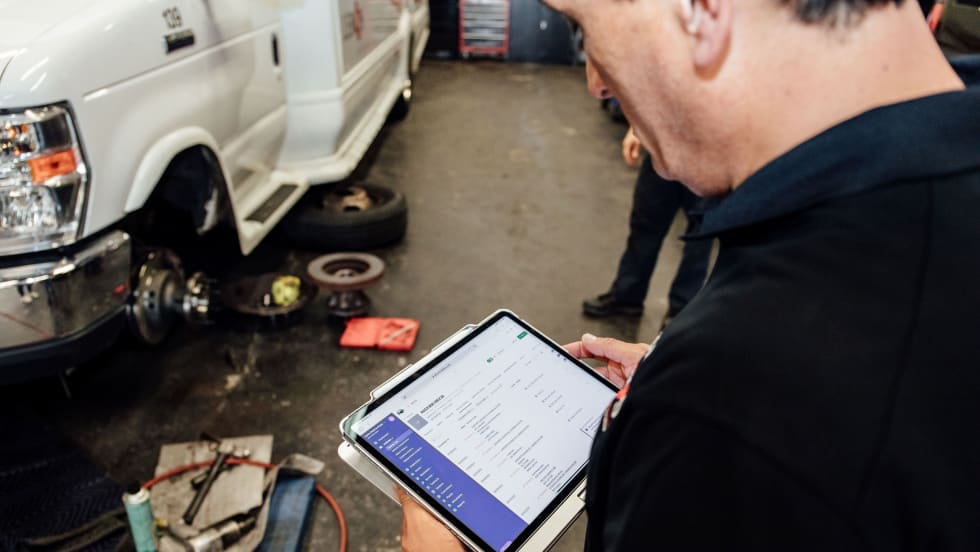
Reinventing Fleet Maintenance with Real-time Visibility and AI
Transit leaders need to know what needs fixing, where to look, who is responsible, when work is completed, and what it costs without having to chase information across disconnected systems.
Read More →
SamTrans Sets Priorities for Potential Connect Bay Area Revenue
The board-approved framework allocates future funding to maintaining service, rider improvements, equity initiatives, and infrastructure repairs.
Read More →
When Routine Fails: How Public Transit Must Adapt for the World Cup
The 2026 FIFA World Cup will test transit agencies’ ability to manage unpredictable travel patterns, making real-time data and operational flexibility critical to moving millions of visitors efficiently.
Read More →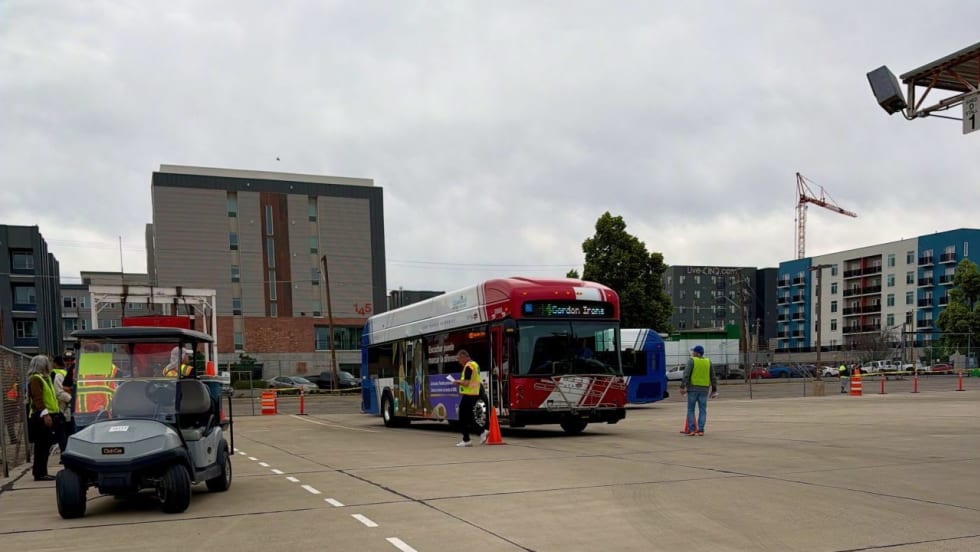
Photo Highlights from APTA's 2026 Mobility Conference
The photo gallery captures scenes from the conference, including the International Bus Roadeo, exhibit hall activities, the Bus Showcase, and much more.
Read More →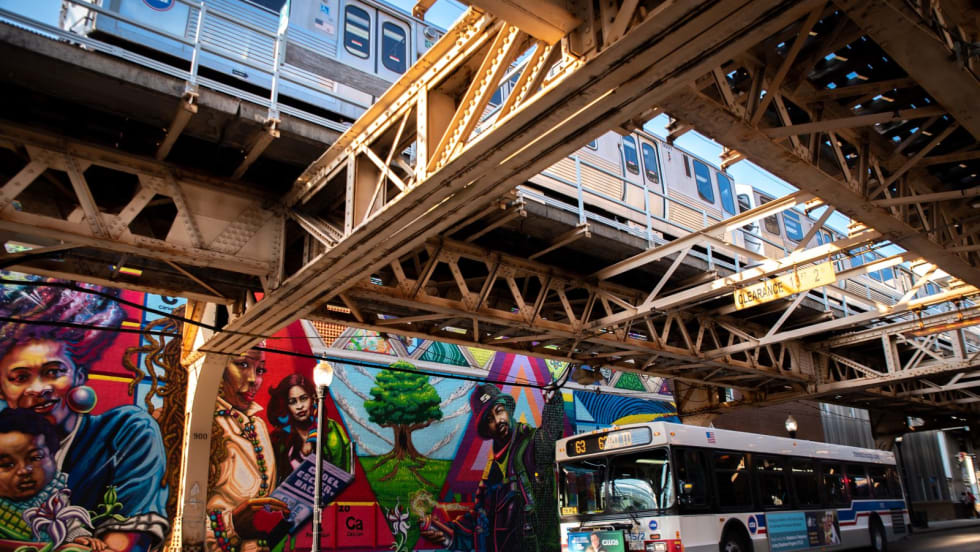
Chicago's NITA Act Moves Into Next Phase as Service Improvements Begin
Rider-focused improvements will begin rolling out across the system immediately as CTA, Metra, and Pace increase service this summer in the six-county region.
Read More →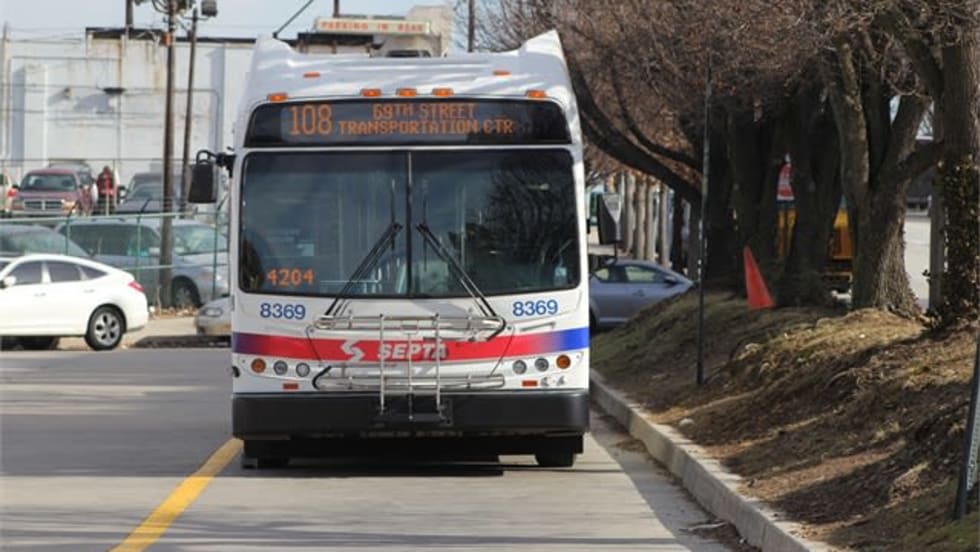
Philadelphia's SEPTA Approves Annual Transit Service Plan
Between 2021 and 2024, SEPTA held more than 200 public meetings — including 144 in-person sessions — throughout the SEPTA service region.
Read More →
A True Low-Floor Minibus Design Delivers Better Accessibility and Efficiency for Everyone
As transit demands evolve, so should your fleet. Download the whitepaper to see how the Low-Floor Frontrunner Minibus compares to traditional options.
Read More →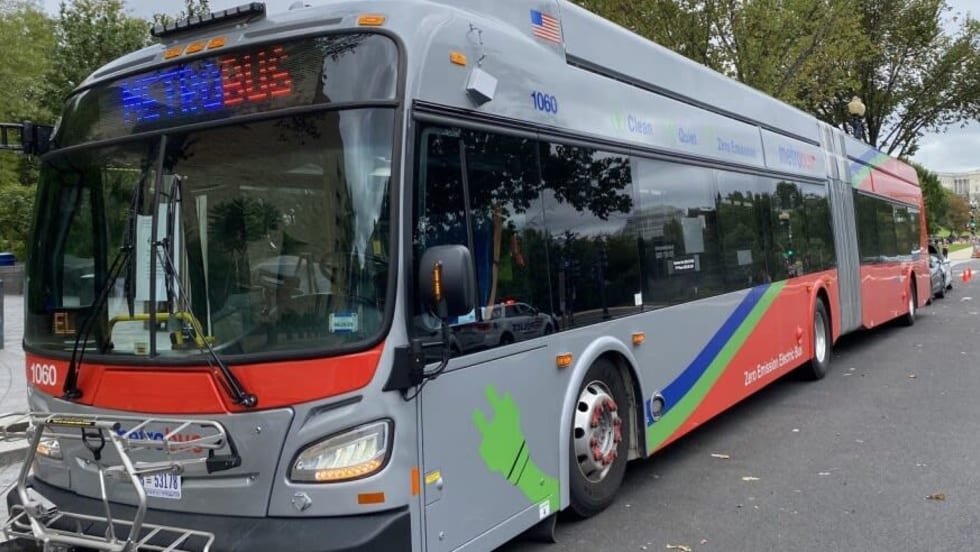
WMATA Debuts 'Fares Pay for Service' Awareness Campaign
The campaign was highlighted during a media event at the Paul S. Sarbanes Transit Center in Silver Spring, where WMATA’s GM/CEO Randy Clarke joined Metro Transit Police officers, WMATA management team, board members, and staff to expand fare enforcement and customer education efforts on Metro Bus routes throughout the region.
Read More →