



SEPTA may raise fares, simplify payment in FY14
Part of planned move to an open fare payment system would eliminated extra-fare zone charges on dozens of transit routes and there would be some consolidation of zones on regional rail.

As part of Southeastern Pennsylvania Transportation Authority's (SEPTA) proposed Fiscal Year 2014 operating budget, the agency plans to increase fares and simplify the payment process for customers in preparation for an upcoming move to a new, modernized fare system.
Under the proposal, SEPTA would increase fares effective at the start of Fiscal Year 2014 on July 1, 2013. SEPTA's last fare increase was in 2010.
In keeping with the recommendations of the Pennsylvania Transportation Funding and Reform Commission, SEPTA adopted a policy of fare increases every three years. The commission made these recommendations as part of a comprehensive review of transportation funding needs and revenue sources prior to enactment of Act 44, a state law passed in 2007 to create a dedicated source for transportation funding. SEPTA has followed these guidelines by enacting cost-of-living priced fare increases in July 2007 (Fiscal Year 2008) and in July 2010 (Fiscal Year 2011), and now proposes similar adjustments for the upcoming year.
The new plan includes the first increase to the base cash fare since 2001. As part of the effort to simplify fares and introduce an "open" fare payment and collection system under the New Payment Technology (NPT) program, extra-fare zone charges would be eliminated on dozens of transit routes, and there would be some consolidation of zones on Regional Rail. In addition, gender stickers would be eliminated on all passes for transit and Regional Rail as of July 1, 2013.
The current cash fare for a trip on SEPTA's buses, subways and trolleys would increase from $2 to $2.25 on July 1, and then to $2.50 when the switch to NPT is complete in 2014.
Public hearings will be held beginning next month in each of the five counties in which SEPTA operates to provide the agency with valuable feedback about the proposal before it is considered for a vote by the SEPTA board of directors.
Through the implementation of NPT, customers can continue to pay for trips using current methods. When NPT is implemented, smart media payment would be needed to access discounted fares, such as the $1.80 single-trip price and $1 transfers proposed for transit, one-way discounts on Regional Rail that will replace the current ten-trip reduced fare, and weekly and monthly passes.
Smart media payment methods will include a SEPTA-branded card that will be available for purchase at all transit stations, Center City Regional Rail hubs and other SEPTA sales locations. In addition, customers will be able to use their own devices — such as compliant credit and debit cards that offer contactless payment, near field communication-enabled smartphones and smart-chip equipped identification cards — as part of the open fare system. Discounted fare rates will be available by registering these devices with SEPTA. In addition, customers who wish to continue using cash under NPT will be able to purchase one-way rail fares and make transactions at the fareboxes on buses and trolleys.
In the coming months, SEPTA will announce details of a major outreach campaign designed to educate customers and the public about the new fare payment system. Details about the NPT project are available on a special section of the SEPTA Website.
A full breakdown of the proposed Fiscal Year 2014 fare increase is available online by clicking here.
More Bus
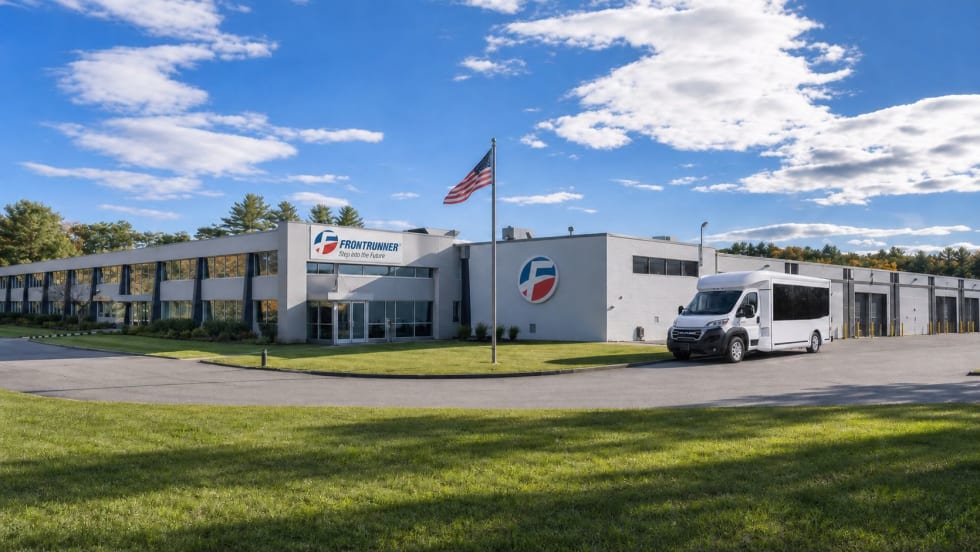
Frontrunner Bus Group Expands with New Massachusetts Headquarters
The significantly larger facility will provide the infrastructure needed to support the company’s growing workforce, advanced technologies, and expanding product line.
Read More →
Joshua Schank on Transportation Innovation, Risk, and the Future of Mobility
In this edition of METROspectives, Joshua Schank discusses lessons from launching LA Metro’s Office of Extraordinary Innovation, the challenges of advancing new mobility technologies, and much more.
Read More →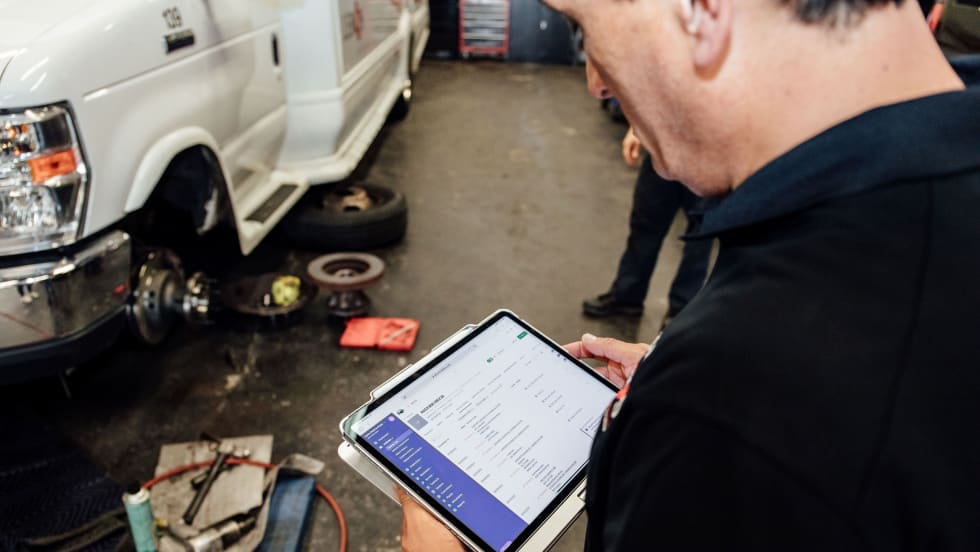
Reinventing Fleet Maintenance with Real-time Visibility and AI
Transit leaders need to know what needs fixing, where to look, who is responsible, when work is completed, and what it costs without having to chase information across disconnected systems.
Read More →
SamTrans Sets Priorities for Potential Connect Bay Area Revenue
The board-approved framework allocates future funding to maintaining service, rider improvements, equity initiatives, and infrastructure repairs.
Read More →
When Routine Fails: How Public Transit Must Adapt for the World Cup
The 2026 FIFA World Cup will test transit agencies’ ability to manage unpredictable travel patterns, making real-time data and operational flexibility critical to moving millions of visitors efficiently.
Read More →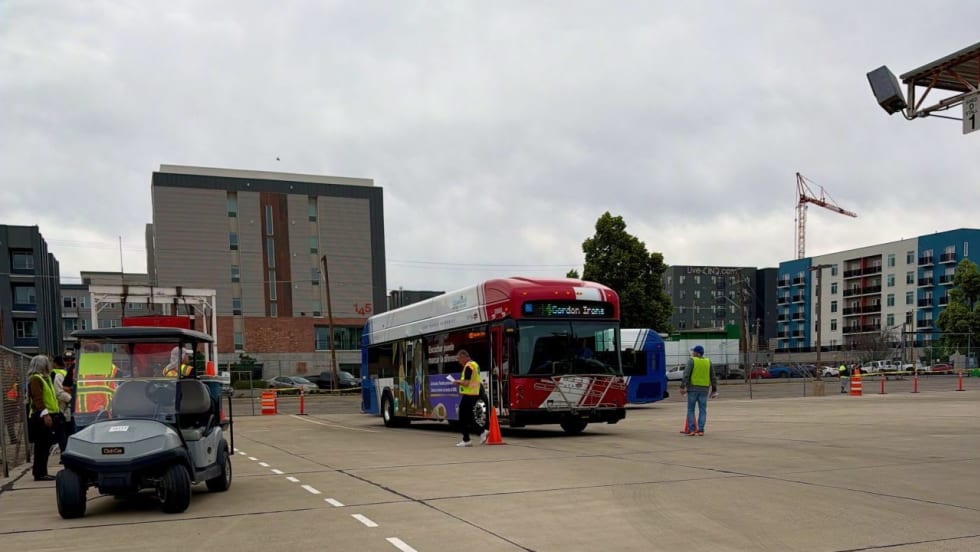
Photo Highlights from APTA's 2026 Mobility Conference
The photo gallery captures scenes from the conference, including the International Bus Roadeo, exhibit hall activities, the Bus Showcase, and much more.
Read More →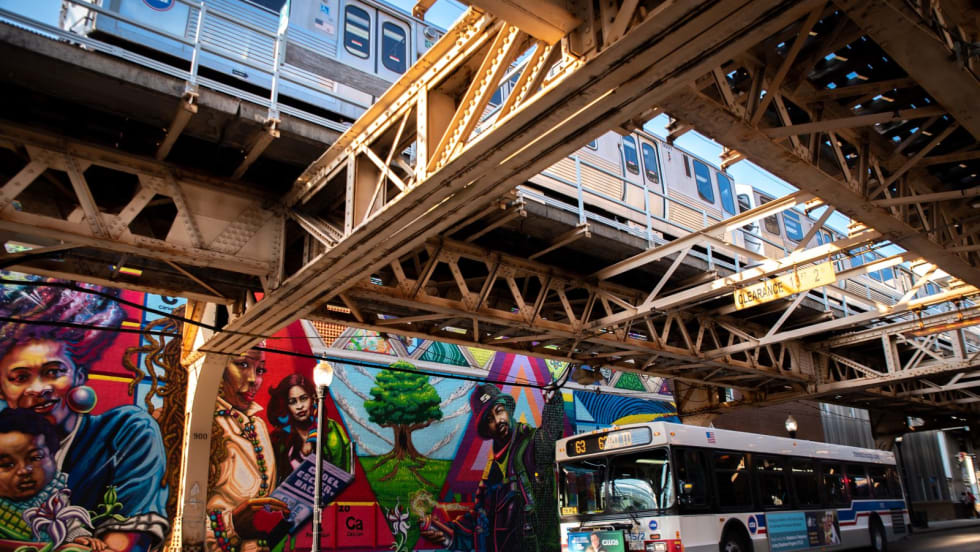
Chicago's NITA Act Moves Into Next Phase as Service Improvements Begin
Rider-focused improvements will begin rolling out across the system immediately as CTA, Metra, and Pace increase service this summer in the six-county region.
Read More →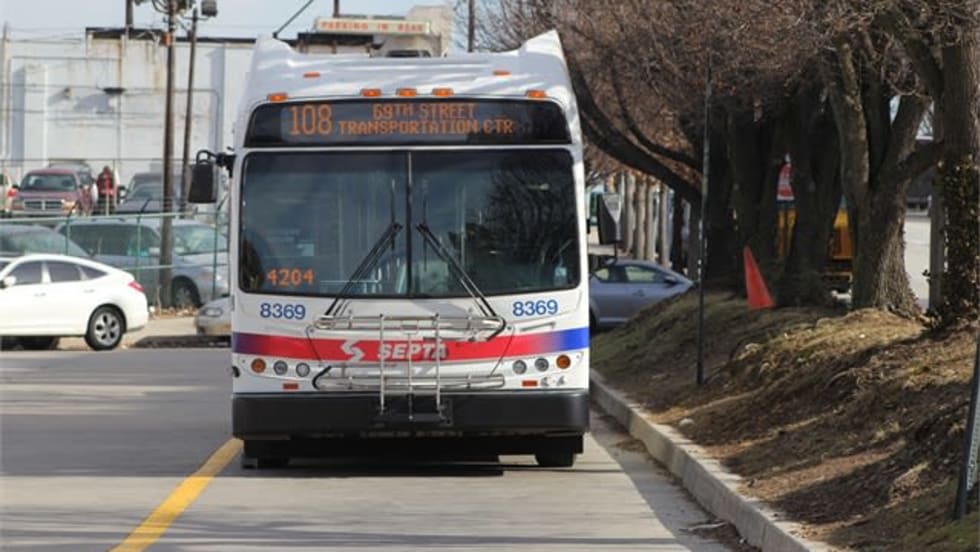
Philadelphia's SEPTA Approves Annual Transit Service Plan
Between 2021 and 2024, SEPTA held more than 200 public meetings — including 144 in-person sessions — throughout the SEPTA service region.
Read More →
A True Low-Floor Minibus Design Delivers Better Accessibility and Efficiency for Everyone
As transit demands evolve, so should your fleet. Download the whitepaper to see how the Low-Floor Frontrunner Minibus compares to traditional options.
Read More →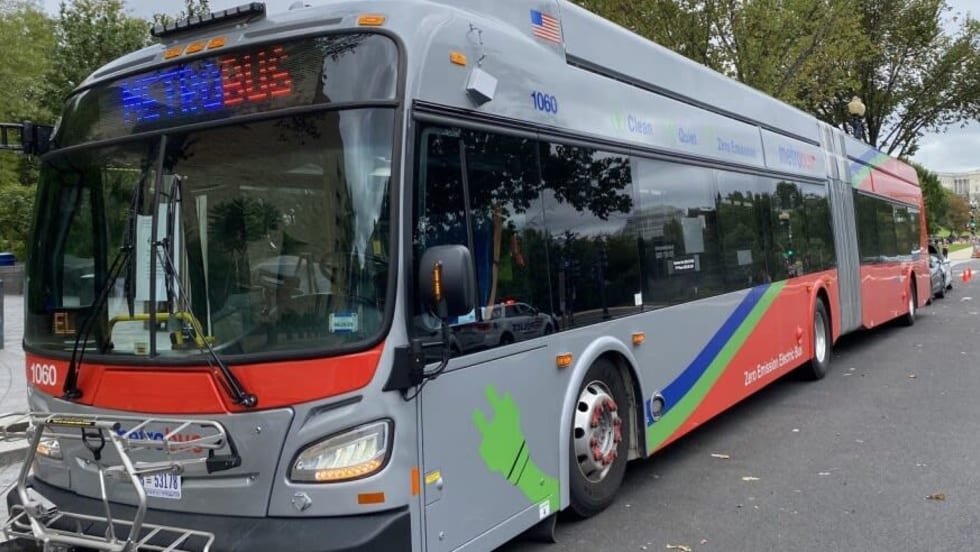
WMATA Debuts 'Fares Pay for Service' Awareness Campaign
The campaign was highlighted during a media event at the Paul S. Sarbanes Transit Center in Silver Spring, where WMATA’s GM/CEO Randy Clarke joined Metro Transit Police officers, WMATA management team, board members, and staff to expand fare enforcement and customer education efforts on Metro Bus routes throughout the region.
Read More →