



New white paper examines high-speed rail in U.S.
Looks at why the U.S. has been slow to develop HSR and how conditions have changed recently within the U.S. that might affect HSR development going forward.

The Intermodal Transportation Institute (ITI) and the National Center for Intermodal Transportation (NCIT) at the University of Denver published a new white paper that discusses high-speed passenger rail (HSR) and its development globally and in the U.S.
Written by Anthony D. Perl, PhD, professor of Urban Studies and Political Science, Simon Fraser University, Canada, and Andrew R. Goetz, professor and chair, Department of Geography at the University of Denver, the white paper examines why the U.S. has been slow to develop HSR and how conditions have changed recently within the U.S. that might affect HSR development going forward.
“High-speed passenger rail development is a very important issue for our national infrastructure and ITI/NCIT recognized the need to put together a white paper to shed more light on this important topic,” said Goetz. “This white paper is aimed at educating people who want to know why the U.S. has lagged behind in developing this technology and what it would take to change that. HSR is now on the U.S. policy and planning agenda since the Passenger Rail Investment and Improvement Act of 2008 (PRIIA), which created a $10 billion HSR grant program; the American Recovery and Reinvestment Act of 2009 (ARRA), which authorized $8 billion for HSR; and California Proposition 1A, which authorized $10 billion for HSR in California.”
Perl points out that North America needs HSR more than HSR needs North America.
“The U.S. succeeded brilliantly in solving its 1970s freight railroad crisis, but this came partly at the expense of its passenger trains, which were divorced from the railroad industry and left in legal and political limbo under Amtrak,” he said. “Now, with Europe and Asia well along the path toward continental-scale HSR networks, there is a critical mass to keep this technology growing and improving, no matter what the U.S. and Canada decide to do. If we do not begin to close this gap during this decade, the U.S. will risk permanent underdevelopment of this transport mode, much the way that Africa has been behind the curve on 20th century transportation development.”
There is not yet a single right way to develop HSR, determines the white paper. North America has tended to standardize its transportation policies to create a “one size fits all” approach to building highways. The authors state that “if we are smart, we will find more than one way to deploy HSR.”
To view the paper, click here.
More Rail

The Invisible Infrastructure of Passenger Flow
What a seat reservation system on Austria’s Railjet trains reveals about the future of rider experience, and why U.S. agencies should pay attention.
Read More →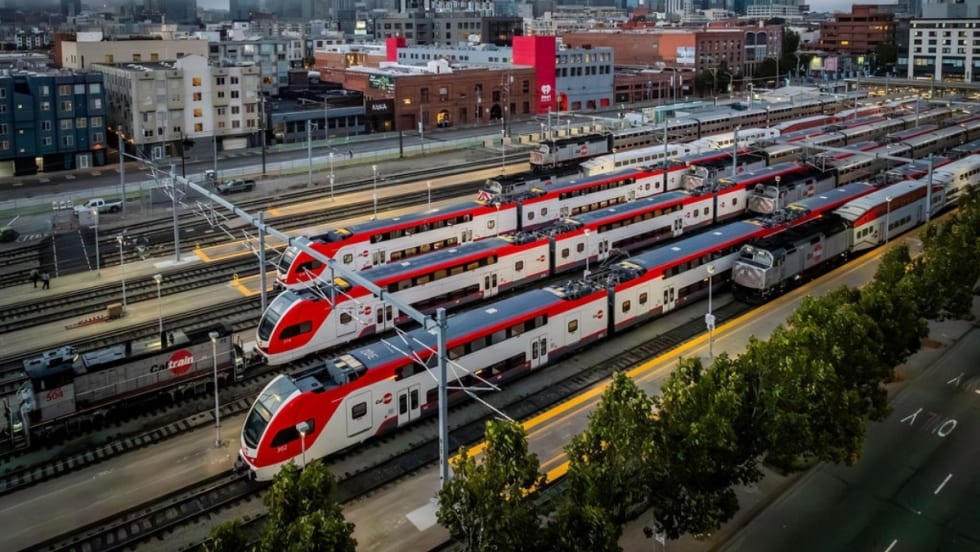
Caltrain Board Approves FY27 Budget, Endorses Efficiency Measures
The move ensures Caltrain service will continue operating as usual in the near term, but long-term financial challenges remain for the rail agency absent a new revenue source.
Read More →
Alstom Acquires Delaware Site to Support Amtrak NextGen Acela Fleet
The company is investing more than $55 million to acquire and improve the property and will employ approximately 100 people at this site once it is operational.
Read More →
When Routine Fails: How Public Transit Must Adapt for the World Cup
The 2026 FIFA World Cup will test transit agencies’ ability to manage unpredictable travel patterns, making real-time data and operational flexibility critical to moving millions of visitors efficiently.
Read More →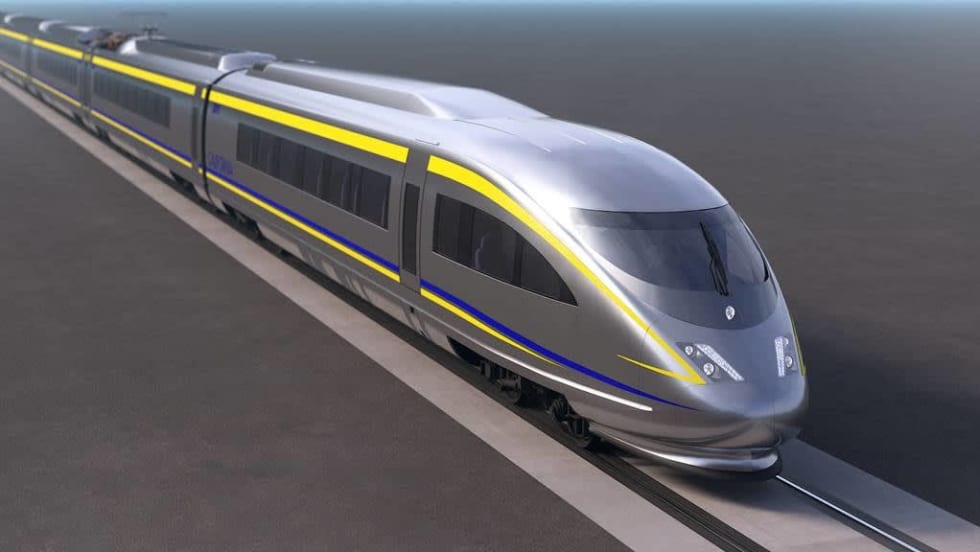
California Selects Team for Nation’s First True High-Speed Rail Track and Systems Contract
The board action follows completion of track installation at the 150-acre southern railhead in Kern County, which will serve as the staging and distribution hub for high-speed track and systems installation.
Read More →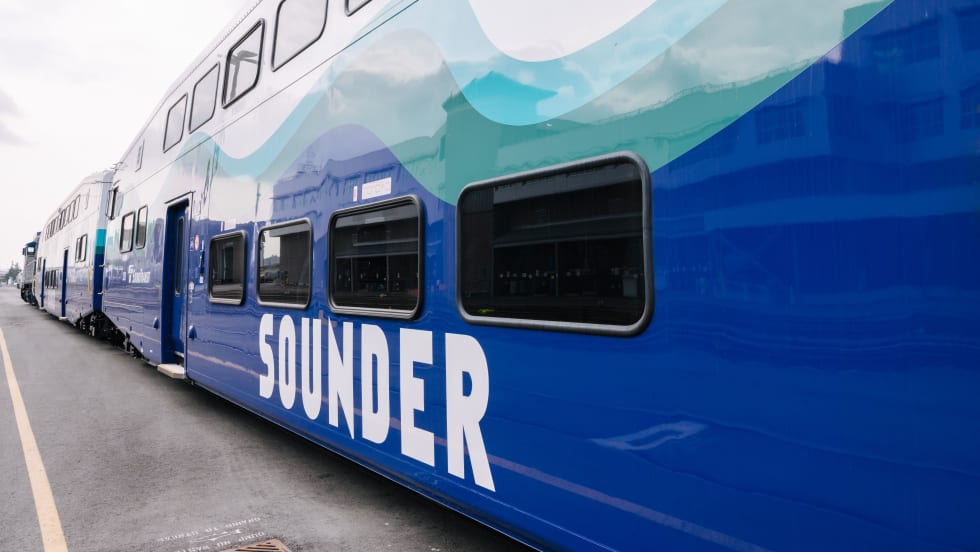
Seattle's Sound Transit Launches New Sounder Railcars into Service
Alstom manufactured all the cars under a $46.5 million contract and came into service in anticipation of summer crowds for soccer and baseball.
Read More →
Alstom Partners With Universities to Build Rail Talent Pipeline
The partnerships include a new engineering scholarship fund at Alfred State College in Western New York and collaborations with transportation centers at the University of Pennsylvania and New York University.
Read More →
Chicago's NITA Act Moves Into Next Phase as Service Improvements Begin
Rider-focused improvements will begin rolling out across the system immediately as CTA, Metra, and Pace increase service this summer in the six-county region.
Read More →
Seattle’s Sound Transit Adopts Updated ST3 System Plan
The updated system plan incorporates cost savings across the agency, including new revenue sources and financial policies, to set the agency on a sustainable path for the future.
Read More →
Inside Look: EMBARK Expands Fare-Free Transit Program Through New Public-Private Partnership
The OKC transit agency says sponsorship helps subsidize the Third Friday Free initiative while reducing barriers for first-time riders and boosting ridership across buses, streetcars, and river cruises.
Read More →