



High-speed rail security addressed in new report
Draws upon empirical data from proprietary database of terrorist and serious criminal attacks against public surface transportation and from reviews of selected HSR systems, including onsite observations.

A new report, released by the Mineta Transportation Institute (MTI) addresses high-speed rail (HSR) security by providing analysis of information relating to attacks.
Principal investigator Brian Michael Jenkins and his team offer an analysis of information relating to attacks, attempted attacks and plots against HSR systems. The report is available for free download at http://transweb.sjsu.edu/project/1026.html.
The research report,"Formulating a Strategy for Securing High-Speed Rail in the United States," draws upon empirical data from MTI's proprietary database of terrorist and serious criminal attacks against public surface transportation and from reviews of selected HSR systems, including onsite observations.
It also examines the history of safety accidents and other HSR incidents that resulted in fatalities, injuries, or extensive asset damage to examine the inherent vulnerabilities and strengths of HSR systems and how these might affect the consequences of terrorist attacks.
"We divided this study into three parts," said Jenkins. "First, we examined security principles and measurements. Then, we conducted an empirical examination of 33 attacks against HSR targets, plus a comparison of attacks against HSR targets with those against non-HSR targets. And finally, we examined 73 safety incidents on 12 HSR systems. The purpose of this study is to develop an overall strategy for HSR security and to identify measures that could be applied to HSR systems currently under development in the United States."
MTI expects that the report will provide useful guidance to governmental authorities and to operators of current and future HSR systems. It was co-authored by Chris Kozub, Bruce R. Butterworth, Renee Haider and Jean-Francois Clair.
HSR has seen comparatively few attacks
While terrorist attacks aimed at trains and buses have increased over the past several decades, very few attacks have targeted HSR. To gain possible insights into the consequences of successful terrorist attacks against this travel mode, Jenkins said, this inquiry includes accidents and other HSR incidents that have resulted in injuries, fatalities or extensive asset damage.
"The objective of the research is not to dictate security regimes," he said. "Rather, it is to distill lessons from the history of accidents and terrorist attacks; to review security measures at existing HSR systems; to explore security-regime options; and to suggest principles for an overall security strategy."
The report notes that now is the right time to initiate a discussion, as new HSR systems are being designed and built. This report is intended to inform that discussion by addressing several questions, including:
Does HSR merit more security or different security measures than other passenger rail?
Is it appropriate to consider reducing security for non-HSR passenger rail?
What threats drive security concerns?
What can be learned from HSR security in Europe and Japan?
The report includes 15 figures, including several route maps specific to the incidents, and 11 tables, including HSR attacks by country, HSR bomb attacks by outcome, HSR incidents involving fatalities and more.
More Rail

The Invisible Infrastructure of Passenger Flow
What a seat reservation system on Austria’s Railjet trains reveals about the future of rider experience, and why U.S. agencies should pay attention.
Read More →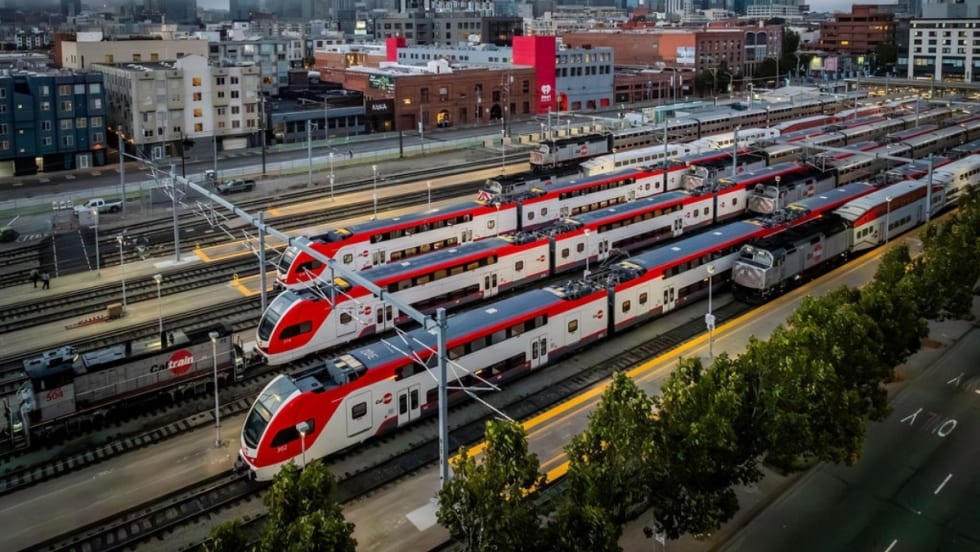
Caltrain Board Approves FY27 Budget, Endorses Efficiency Measures
The move ensures Caltrain service will continue operating as usual in the near term, but long-term financial challenges remain for the rail agency absent a new revenue source.
Read More →
Alstom Acquires Delaware Site to Support Amtrak NextGen Acela Fleet
The company is investing more than $55 million to acquire and improve the property and will employ approximately 100 people at this site once it is operational.
Read More →
When Routine Fails: How Public Transit Must Adapt for the World Cup
The 2026 FIFA World Cup will test transit agencies’ ability to manage unpredictable travel patterns, making real-time data and operational flexibility critical to moving millions of visitors efficiently.
Read More →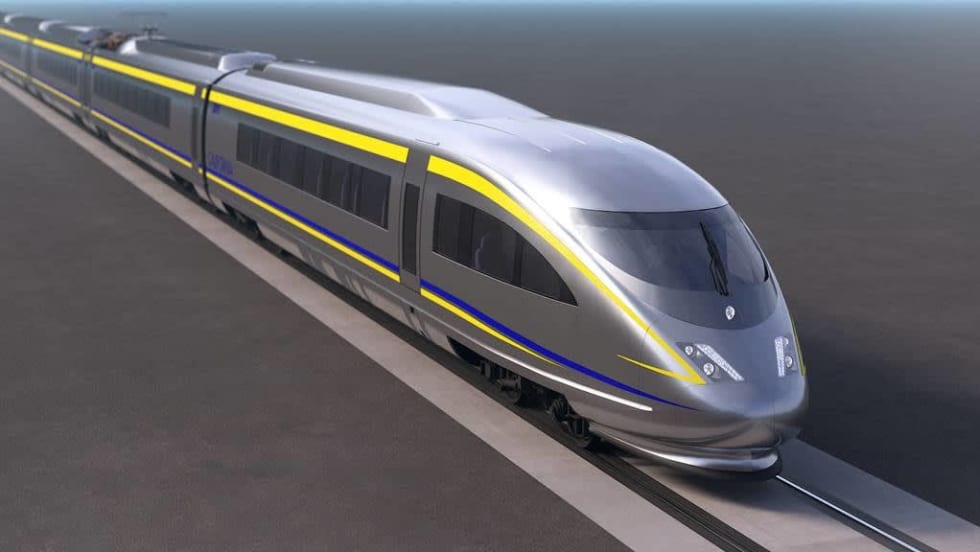
California Selects Team for Nation’s First True High-Speed Rail Track and Systems Contract
The board action follows completion of track installation at the 150-acre southern railhead in Kern County, which will serve as the staging and distribution hub for high-speed track and systems installation.
Read More →
Seattle's Sound Transit Launches New Sounder Railcars into Service
Alstom manufactured all the cars under a $46.5 million contract and came into service in anticipation of summer crowds for soccer and baseball.
Read More →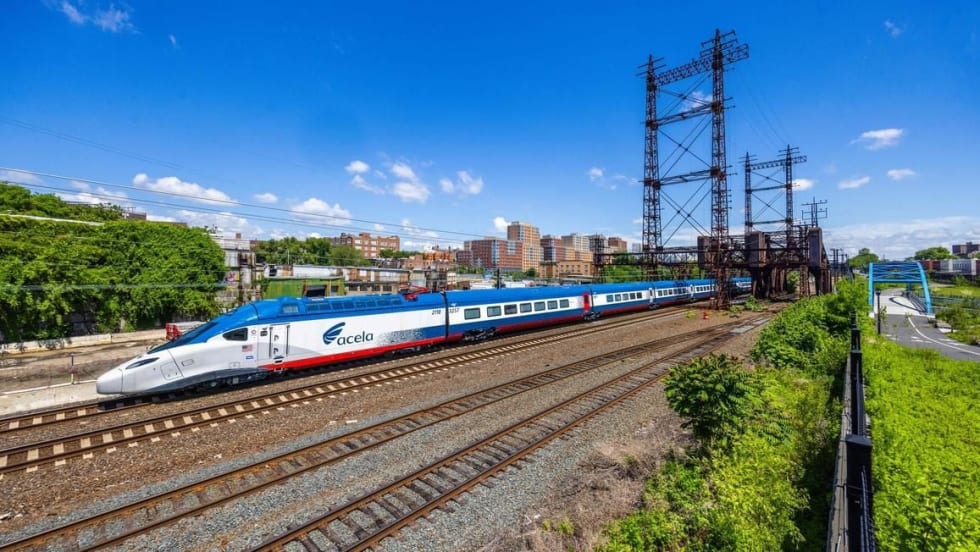
Alstom Partners With Universities to Build Rail Talent Pipeline
The partnerships include a new engineering scholarship fund at Alfred State College in Western New York and collaborations with transportation centers at the University of Pennsylvania and New York University.
Read More →
Chicago's NITA Act Moves Into Next Phase as Service Improvements Begin
Rider-focused improvements will begin rolling out across the system immediately as CTA, Metra, and Pace increase service this summer in the six-county region.
Read More →
Seattle’s Sound Transit Adopts Updated ST3 System Plan
The updated system plan incorporates cost savings across the agency, including new revenue sources and financial policies, to set the agency on a sustainable path for the future.
Read More →
Inside Look: EMBARK Expands Fare-Free Transit Program Through New Public-Private Partnership
The OKC transit agency says sponsorship helps subsidize the Third Friday Free initiative while reducing barriers for first-time riders and boosting ridership across buses, streetcars, and river cruises.
Read More →