



New Flyer acquires NABI for $80M
The transaction presents a number of opportunities for New Flyer, including an enhanced transit bus product offering with the addition of NABI’s Low Floor and BRT product platforms, and an expanded parts business with improved offering and customer support.

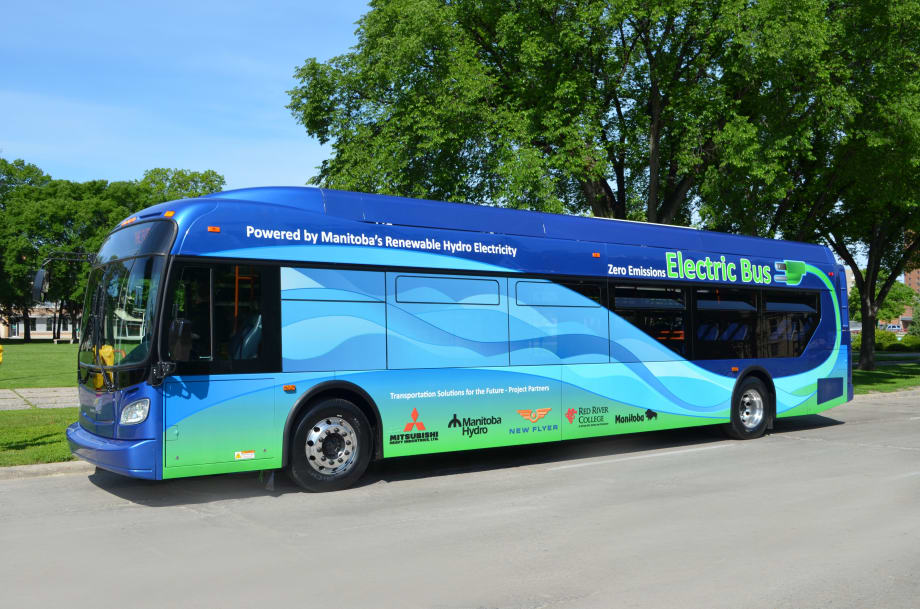
The addition of NABI’s low floor and bus rapid transit product platforms complements New Flyer’s Xcelsior (theXE40 is shown here) and MiDi product platforms, enhancing the manufacturer’s ability to provide customers with the best bus for their application or environment.
The addition of NABI’s low floor and bus rapid transit product platforms complements New Flyer’s Xcelsior (theXE40 is shown here) and MiDi product platforms, enhancing the manufacturer’s ability to provide customers with the best bus for their application or environment.
New Flyer Industries Inc. acquired North American Bus Industries Inc. (NABI) from an affiliate of Cerberus Capital Management LP for approximately $80 million.
The acquisition excludes discontinued operations in Hungary and substantially all related assets and liabilities.
The completion of the acquisition and related financing transactions is subject only to confirmation of the required wire transfers of funds which is expected later today.
“NABI represents a compelling growth platform for us,” said New Flyer's President/CEO Paul Soubry. “The addition of NABI to the New Flyer family provides New Flyer with a highly complementary product line, access to new customers, a cost efficient manufacturing platform based in Alabama, and it creates a significant player in aftermarket parts. The company plans to operate the NABI bus and NABI parts operations under the names NABI Bus LLC and NABI Parts LLC, respectively, within the New Flyer group of companies.”
With bus manufacturing operations in Anniston, Ala., a parts distribution center in Delaware, Ohio, and a service center in Jurupa Valley, Calif., NABI manufactures urban transit buses for U.S. customers.
The manufacturer also operates one of the transit industry’s aftermarket parts organizations, sourcing parts from more than 200 different suppliers and providing support for transit buses throughout North America. For the last 12 months, ending March 31, NABI delivered 582 bus equivalent units (EUs) with bus revenue of approximately $268 million, aftermarket parts revenue of approximately $60 million, and a combined adjusted earnings before interest taxes depreciation amortization of approximately $20 million.
NABI currently has a total backlog of 1,579 EUs of which 593 are firm and 986 are options.
“New Flyer is a world-class company and this acquisition will provide NABI with synergistic opportunities to achieve an even higher level of performance and success,” said NABI’s President/CEO Jim Marcotuli. “The combined entity will be positioned to provide customers with an enhanced product offering and superior customer service.”
The transaction presents a number of opportunities for New Flyer, including:
• An enhanced transit bus product offering. The addition of NABI’s Low Floor (LFW) and Bus Rapid Transit (BRT) product platforms complements New Flyer’s Xcelsior and MiDi product platforms enhancing the manufacturer’s ability to provide customers with the best bus for their application or environment. In addition, NABI offers buses incorporating stainless steel frames for customers who have a specific requirement for this feature. There is little overlap in customers for whom the two companies are currently building buses.
• Expanded parts business with improved offering and customer support. The addition of NABI’s aftermarket parts segment represents a significant step for New Flyer’s aftermarket parts business. New Flyer intends to synchronize the parts databases and cross-reference lists of New Flyer, Orion and NABI, which management anticipates will permit the manufacturer to source parts more efficiently and offer expanded supply chain solutions to customers.
• Synergy Opportunities. New Flyer has identified opportunities for cost synergies such as in the areas of purchasing and strategic sourcing, plus general and administrative expenses that are expected to improve competiveness.
• Collaboration and sharing of technology and best practices. The combined entity will employ more than 3,000 people who share a commitment to excellence in heavy duty transit buses and product support with over 40,000 buses currently in operation in Canada and the U.S.
More Bus
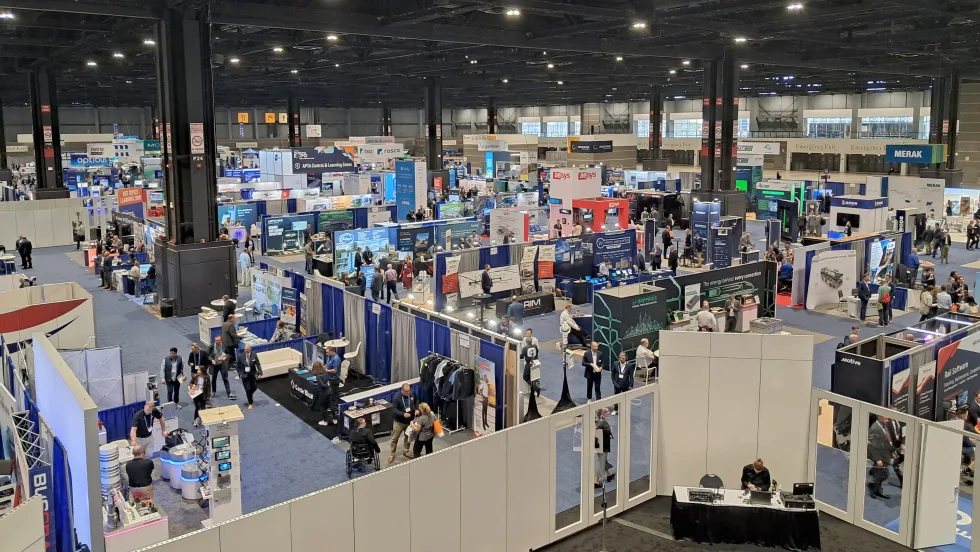
Scenes from APTA TRANSform & EXPO 2026
Transit leaders, manufacturers, and industry professionals gathered in Chicago to explore new technologies, share ideas, and discuss the future of public transportation.
Read More →
More Than a Summer Job: Building the Next Generation of Transit Talent
The Delaware River Port Authority and PATCO have transformed their internship program into a hands-on professional development experience that introduces students to the breadth of transportation careers — and creates a pipeline for future employees.
Read More →
LA Metro Board Awards 220 Battery-Electric Bus Contract to ENC
The contract, which is the largest base award of battery-electric buses by a U.S. transit agency, will be built in Southern California, sustaining good jobs as LA prepares to welcome the world in 2028
Read More →
Public Transit Conference Returning to GFX in 2027, Call for Papers Now Open
The Call for Papers is now open, allowing transit agency professionals and industry experts to help shape the PTC educational program by submitting session ideas for consideration.
Read More →
Indian River Transit’s Community-Focused Approach Earns National Recognition
Named APTA’s 2026 Outstanding Public Transportation System in its size category, Florida’s Indian River County transit system continues to grow ridership through fare-free service and a focus on evolving community needs.
Read More →
ENC Lands MATA Contract and More in Biz Briefs
In this edition of Biz Briefs, we spotlight the latest developments shaping the future of mobility.
Read More →
From Surviving to Thriving: Building Stronger Transportation Organizations
Bus Business Consultants founder Brian Dickson shares lessons on leadership, organizational health, and creating options for long-term success in a changing transportation industry.
Read More →
Everett Transit, Community Transit Outline Consolidation Agreement
The proposed agreement calls for a 50% increase in bus service in Everett, a new microtransit zone, continued paratransit service, and the transfer of Everett Transit operations to Community Transit.
Read More →
SEPTA Details Accelerate Vision for Transit System
The plan outlines investments in trolley modernization, new Metro and Regional Rail vehicles, accessible stations, and more frequent bus and rail service.
Read More →
Report: Transit Bus Manufacturing Supports 34,100 Jobs, $5.1B in GDP
The “Buses Mean Business” report examines the transit bus manufacturing industry’s economic footprint, supply chain, and rising demand for vehicle replacements.
Read More →