



Chicago Transit doubles vets on staff
The increases are the result of Mayor Rahm Emanuel and CTA President Forrest Claypool’s focused efforts to promote and expand the hiring of veterans.

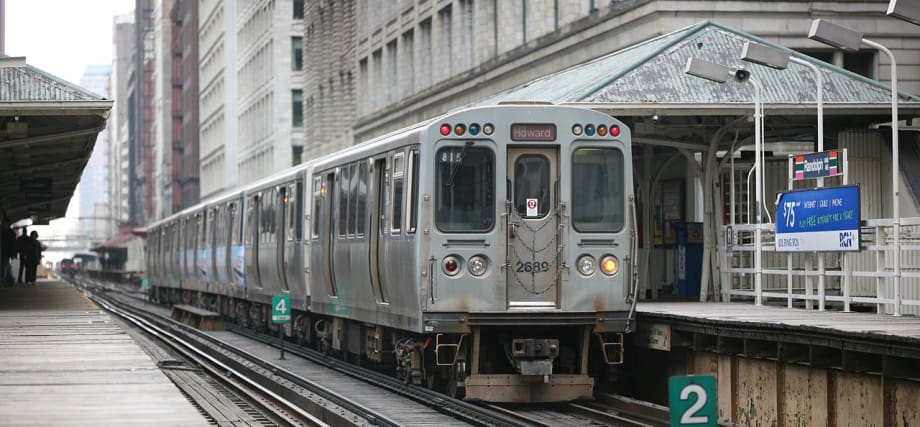

In recognition of the Memorial Day holiday, the Chicago Transit Authority (CTA) announced it doubled the number of U.S. military veterans on staff since 2010, from 173 in 2010 to 348 in 2014.
The increases are the result of Mayor Rahm Emanuel and CTA President Forrest Claypool’s focused efforts to promote and expand the hiring of veterans.
Over the past several years, veterans have increasingly joined the CTA in a wide variety of positions, from bus operators and flagmen to mechanics and customer service assistants. More than 20 now serve in manager or coordinator positions.
“For their bravery, discipline, and sacrifice, veterans not only deserve but are highly qualified for jobs when they come home,” Mayor Emanuel said. “CTA will continue to actively seek and employ the men and women who so courageously served our country.”
Efforts to further increase hiring of veterans began in May 2012, when Claypool signed the CTA’s first-ever executive order creating a veterans hiring preference. The order set a CTA goal to attract at least a 20% pool of veterans during the application process for positions, including drivers, mechanics, engineers, managers and other workers.
Over the 18 months, CTA has also done direct outreach to veterans at a dozen career fairs, including Hiring Our Heroes and other veterans’ hiring events.
“The CTA recognizes and values the experience of our country’s veterans, and we believe that experience translates very well to employment with the CTA,” Claypool said. “Many veterans, by virtue of their military service, are well-equipped to serve this agency and its customers.”
Prior to any vacancy being posted, CTA reviews and adjusts job descriptions, where applicable, to account for “equivalent experience” to reflect military experience. For example, a posting for bus mechanics would take into account a veteran’s experience servicing military vehicles or equipment.
Also, during the interview rating process, a veteran’s experience is factored into the candidate’s overall score. “These steps ensure that veterans continue to receive the consideration they deserve when they are seeking employment with CTA,” Claypool said.
More Bus

New York MTA Plans Largest Bus Fleet Upgrade in More Than a Decade
The agency is seeking manufacturers for 650 new CNG buses to replace aging vehicles, improve reliability, and advance its broader fleet modernization strategy.
Read More →
Building a Flexible Path to Transit Electrification
John Hroncich discusses BAE Systems’ modular and scalable approach, lessons learned from decades of real-world operations, and how agencies can identify electrification strategies that fit their fleets.
Read More →
Bus Tech Talk: Keeping Transit Technicians Ahead of the Technology Curve
LA Metro’s Obed Mejia discusses technician training, evolving maintenance technology, fleet replacement, and strategies for getting the most out of today’s transit fleets.
Read More →
Biz Briefs: RIPTA Unveils New Frontrunners, Clevland RTA Adds New Siemens, and More
In METRO's latest installment, we take a look at recent news from Siemens, Prevost, Dodge, and more partnerships making headlines across the transportation sector.
Read More →
People Movement: Holly Arnold Joins Transdev and More
In this edition, we also cover recent appointments and announcements at Pace, CamTran, MCI, and more, showcasing the individuals helping to shape the future of transportation.
Read More →
The High Cost of Transit Buses: Industry Leaders Look to Procurement Reform
Transit leaders and policymakers examine how standardized bus designs, streamlined procurement, and predictable funding could help agencies stretch budgets and deliver better service.
Read More →
The Business Voice Behind Public Transportation
As chair of APTA’s Business Members Board of Governors, Ray Melleady explains how more than 850 business members are partnering with transit agencies to advance funding, innovation, and industry-wide collaboration.
Read More →
From Surviving to Thriving: Building Stronger Transportation Organizations
Bus Business Consultants founder Brian Dickson shares lessons on leadership, organizational health, and creating options for long-term success in a changing transportation industry.
Read More →
Finding the ‘Happy Medium’: Optimizing Maintenance Without Sacrificing Reliability
The key to maintenance optimization isn’t doing less work—it’s doing the right work at the right time on the right assets.
Read More →
LA Metro, City of West Hollywood, and Partners Advance Smarter Bus Lane Enforcement
The award-winning partnership combines AI-powered detection with human oversight to improve bus reliability, accessibility, and enforcement efficiency.
Read More →