



Clever Devices to replace Metra tracking, announcement systems
The contract also calls for a test on 11 cars of an automatic passenger counting system that uses cameras in the entrances.

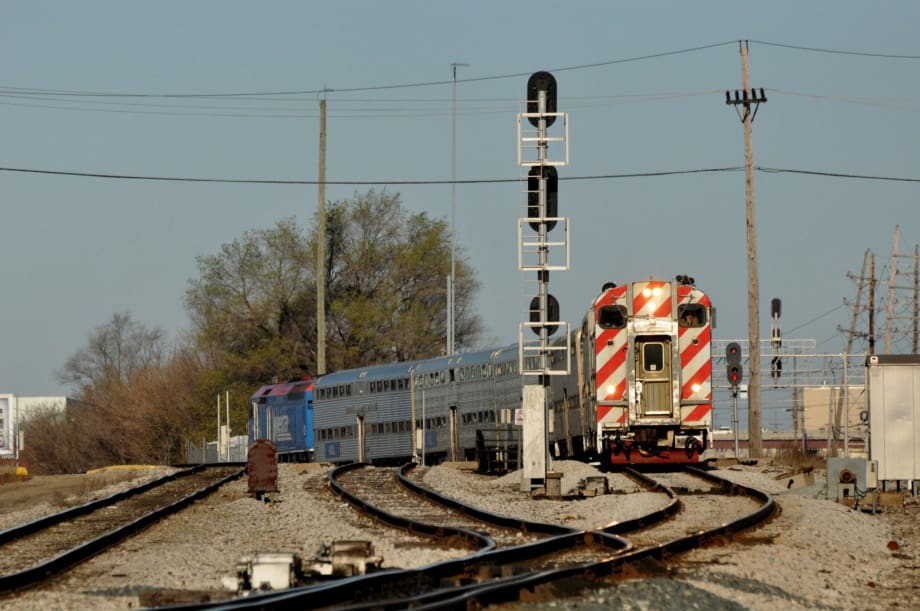
The contract also calls for a test on 11 Metra cars of an automatic passenger counting system that uses cameras in the entrances.
Metra

Chicago’s Metra Board of Directors approved a $26.7 million contract to replace its antiquated GPS tracking and passenger announcement system with a state-of-the-art system that will also include a test of automatic passenger counting technology.
The contract was awarded to Clever Devices Ltd.
“This new system promises to be a major upgrade to the passenger experience,” said Metra CEO/Executive Director Jim Derwinski. “It will enable us to do a better job of tracking trains and conveying timely, accurate information to our customers, and it will address some of the common sources of complaints about our communication efforts.”
The new system will carry out a variety of tasks that are now handled by two separate systems, one that was installed in 2006 and the other in 2010.
The system will be used to track train movement, report a train’s adherence to the schedule, make onboard and platform announcements, send digital information to onboard and platform signs, and communicate operational changes and alerts to customers.
It will entail a new communication network with a complete replacement of all hardware, including computers, GPS units, modems, and other components that are no longer supported or past their useful life or capacity.
Because the current system’s GPS units are failing, roughly 20% to 30% of Metra’s current trains do not track. If trains aren’t tracking, they do not trip automated platform announcements and do not appear in Metra’s tracker or GTFS feed, preventing Metra workers from providing real-time updates. Glitches in the system also sometimes result in incomplete, unintelligible, or repetitive announcements. All of those issues are frustrating to customers.
The contract also calls for a test on 11 cars of an automatic passenger counting system that uses cameras in the entrances. If the test is successful, Metra would have to decide whether it wanted to expand the system to replace or supplement its current manual counting of riders at stations.
More Rail

Biz Briefs: STV teams with Amtrak, Motorcoach Operators Boost Fleet and Land Contracts, and More
From manufacturers and suppliers to transit agencies and motorcoach operators, these updates offer a snapshot of the projects, partnerships and business moves driving the industry forward.
Read More →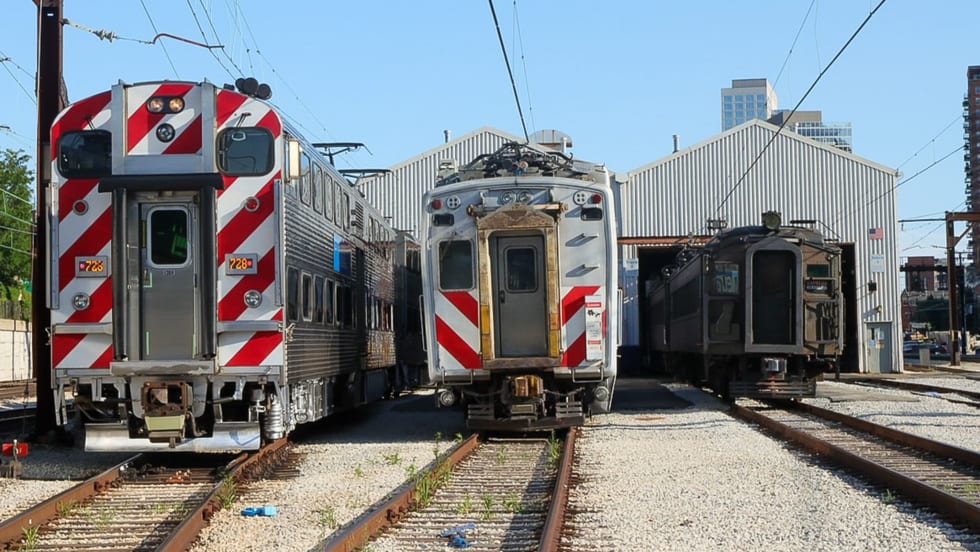
Metra Celebrates 100 Years of Electric Rail, Looks to the Future
The event was also a celebration of recent reforms to public transportation in the Chicago area, changes that could be as transformative in the future as the major civic achievement a century ago, said officials.
Read More →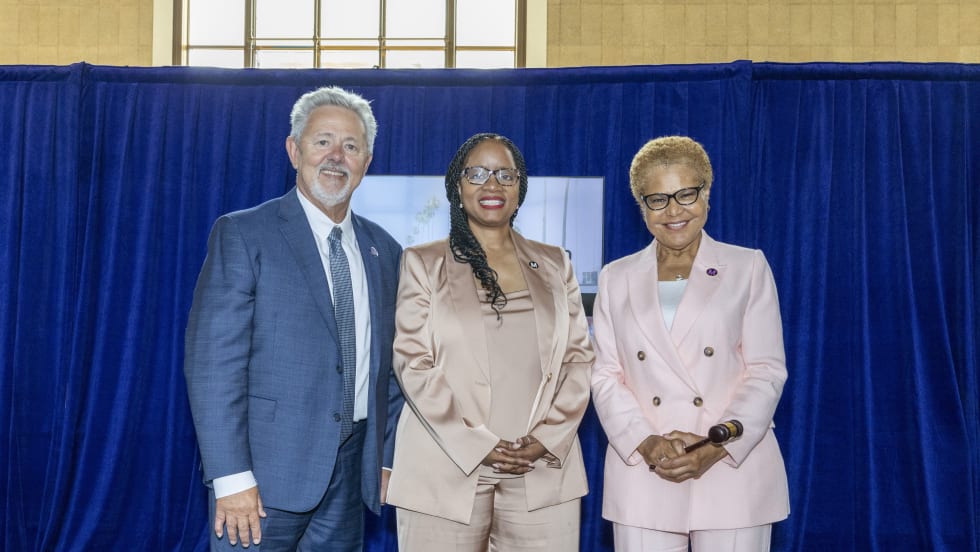
LA Metro Marks Banner Year, Sets Ambitious Goals for New Fiscal Year
Incoming LA Metro Board Chair and Los Angeles Mayor Karen Bass joined outgoing Board Chair Fernando Dutra and LA Metro CEO Stephanie Wiggins to review accomplishments from fiscal year 2026, which included the opening of new rail extensions, advancement of major transit projects, expanded safety programs, and new rider amenities.
Read More →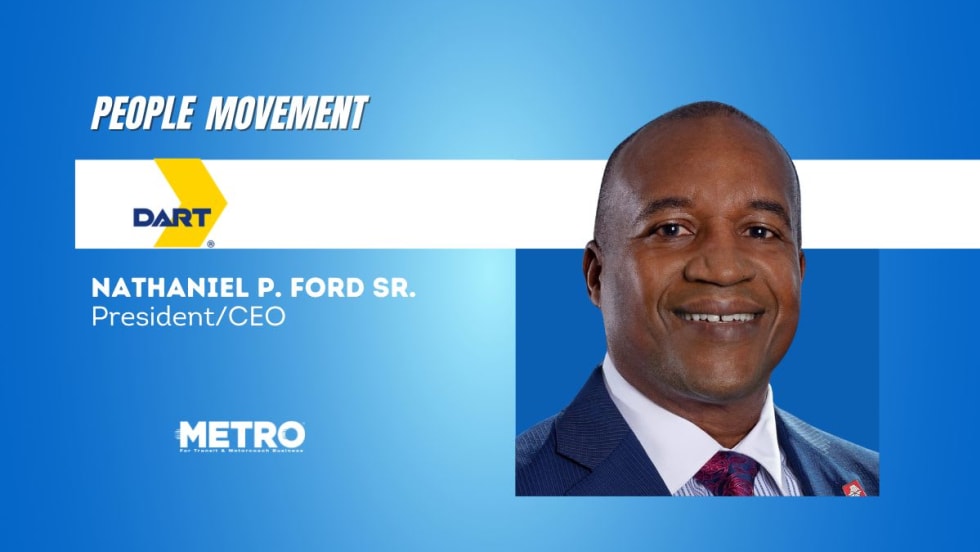
DART Taps Nathaniel P. Ford Sr. as Next President/CEO
Since 2012, Ford has served as the CEO of the Jacksonville Transportation Authority
Read More →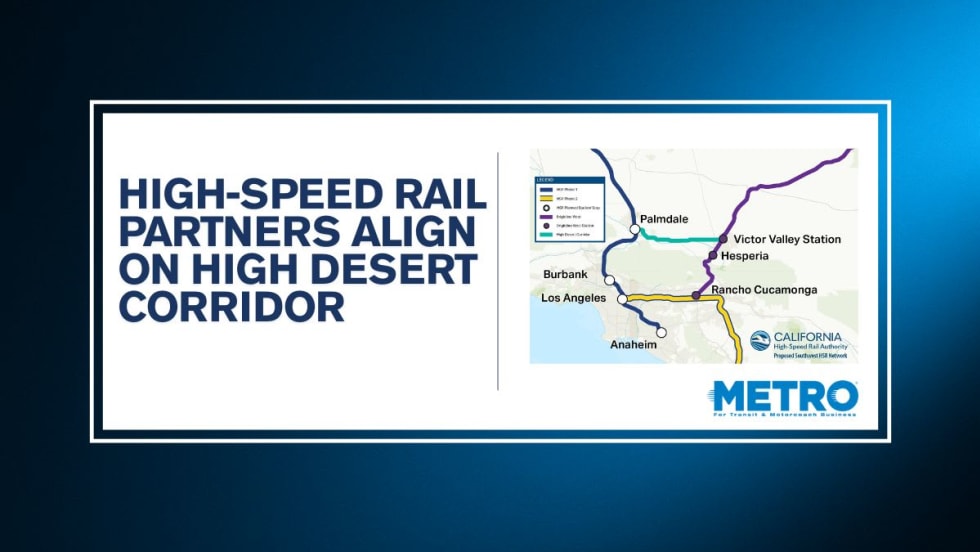
California High-Speed Rail Authority Signs MOU to Advance High Desert Corridor
The agreement deepens collaboration between the California High-Speed Rail Authority and the High Desert Corridor Joint Powers Agency, supporting design integration, cost savings, and faster delivery of a key Southern California rail link.
Read More →
Building the Next Generation of Transit Technology
In this edition of METROspectives, Luminator CEO Magnus Friberg discusses the company's transformation, the growing role of AI and software, and what's next for transit technology.
Read More →
How Data, Strategy, and Community Engagement Are Reshaping Transit
In this edition of METROspectives, strada360 CEO Steve Lassey discusses how transit agencies can better align planning with operations, leverage data to improve decision-making, and build public trust as they prepare for the future of mobility.
Read More →
TTC Launches Camera Pilot to Curb Illegal Passing of Streetcars
During the pilot, the cameras will measure how often illegal streetcar passing occurs and test the technology's reliability for future automated enforcement.
Read More →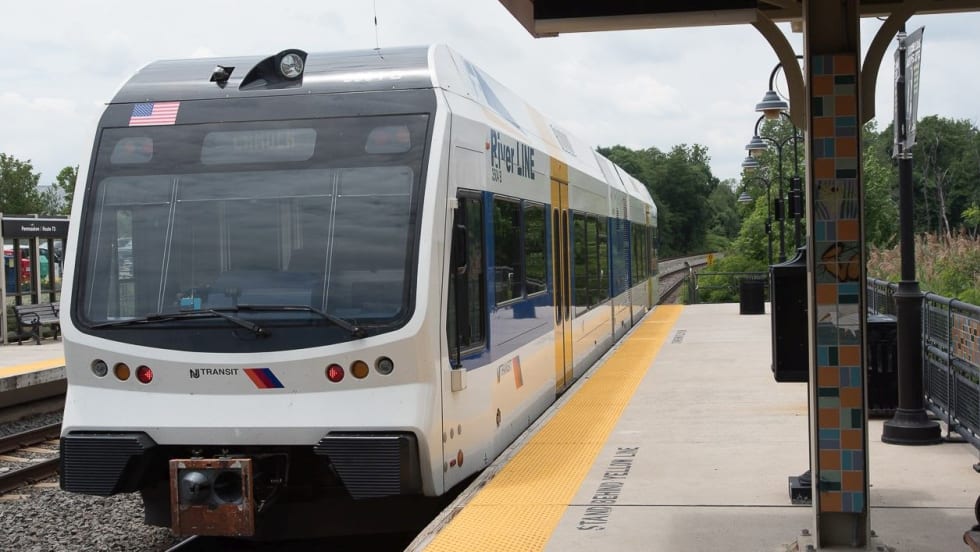
NJ TRANSIT Secures Capital Funding, Adopts FY2027 Budget
The budgets continue investments in infrastructure and equipment to maintain the system in a state of good repair and enhance the overall customer experience.
Read More →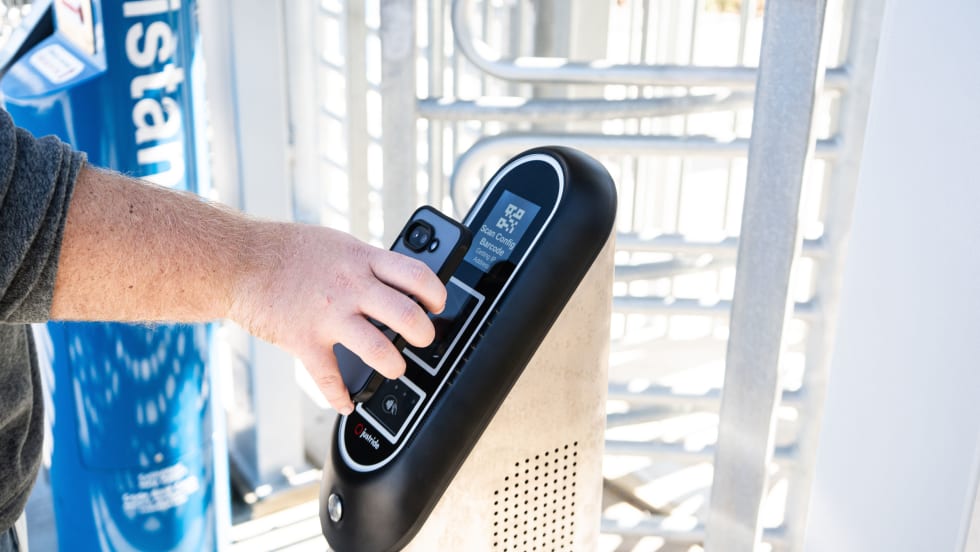
Biz Briefs: Masabi Teams with St. Louis Metro and More
In METRO's latest installment, we take a look at recent news from Transdev, Hitachi, and more partnerships making headlines across the transportation sector.
Read More →