




...adversaries are increasingly going after surface transportation targets, but are concentrating on easier modes of attack.
New study examines extremist attacks on rail targets
Since 1970, there have been more than 1,000 attempts to derail trains and otherwise attack rail infrastructure.
July 26, 2018
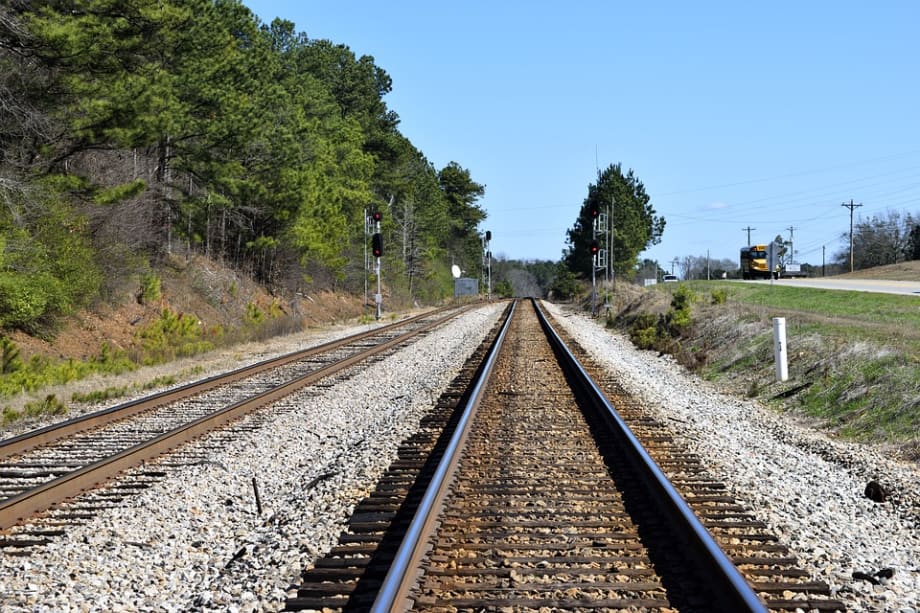
Although derailments have increased over time, these types of attacks have not increased nearly as much as all other attacks on passengers in all surface transportation targets, including passenger trains and stations, buses and bus stations and stops, and passenger ferries and ferry terminals.
2 min to read

In July 2017, both the Islamic State of Iraq and (greater) Syria (ISIS) and al Qaeda in the Arab Peninsula (AQAP) urged their followers to derail trains around the world. AQAP even provided detailed instructions in their online magazine regarding how to make a derailment device. But did this lead to an uptick in derailment attempts over the past year? What has been the overall pattern and trends related to rail sabotage and attacks over the past few decades? New research, “Train Wrecks and Track Attacks: An Analysis of Attempts by Terrorists and Other Extremists to Derail Trains or Disrupt Rail Transportation,” from the Mineta Transportation Institute’s (MTI) National Transportation Security Center examines these questions.
Brian Michael Jenkins and Bruce R. Butterworth oversee MTI’s database of all terrorist and serious criminal attacks against public surface transportation, including rail. Since 1970, there have been more than 1,000 attempts to derail trains and otherwise attack rail infrastructure. Of the 282 attempts to derail trains, 42% led to derailment with more than 1,000 total fatalities and over 3,000 total injuries.
“Derailments are intended to cause casualties,” said Jenkins, “While attacks on tracks and other right-of-way infrastructure are primarily intended to cause disruption and attract attention.”
To examine differences in motives, objectives, and modes of operating, Jenkins and Butterworth looked at four specific groups of perpetrators: an assemblage of anarchist and environmentalist extremists in Europe; Maoist guerrillas in India; separatist insurgents in southern Thailand; and jihadists worldwide. According to Butterworth, “these particular attackers were chosen because they have engaged in continuing campaigns which account for approximately one-quarter of attacks since 1970.”
Although derailments have increased over time, these types of attacks have not increased nearly as much as all other attacks on passengers in all surface transportation targets, including passenger trains and stations, buses and bus stations and stops, and passenger ferries and ferry terminals. This suggests that adversaries are increasingly going after surface transportation targets, but are concentrating on easier modes of attack.

More Security and Safety
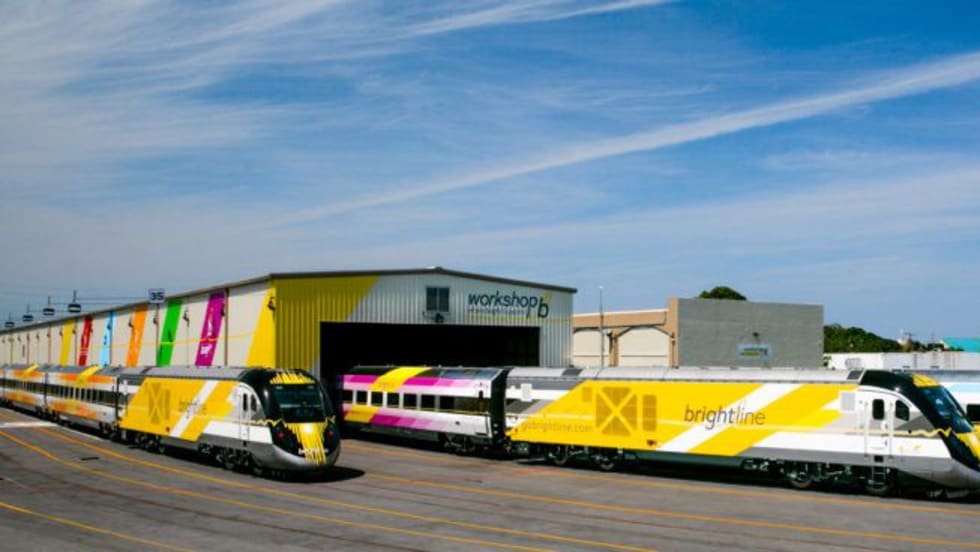
DOT: Brightline Corridor Incidents Fall 30% Following Federal Safety Upgrades
Safety improvements funded through a $25 million federal investment are credited with reducing trespassing and train-vehicle collisions along the Brightline Florida corridor.
Read More →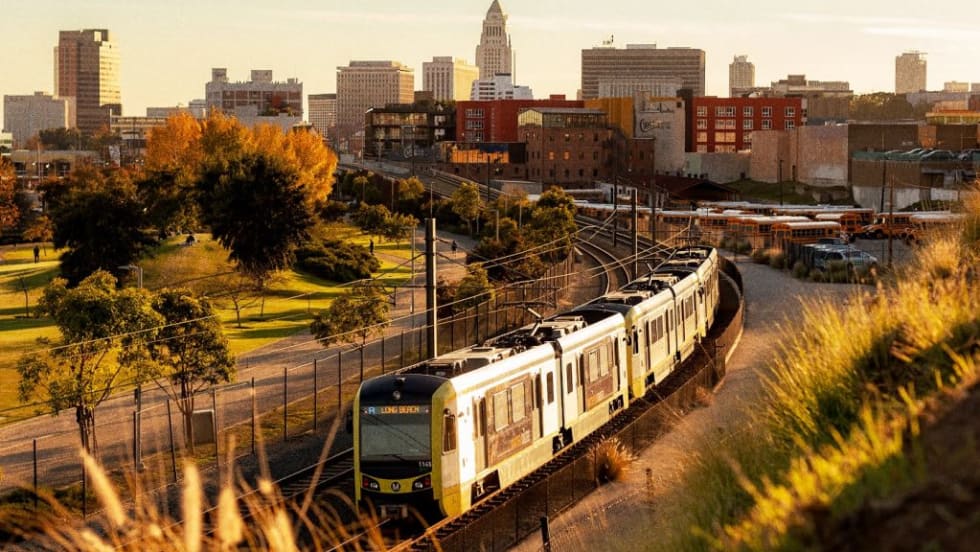
LA Metro Sworn Officer Recruitment Draws 950 Applications on First Day
The California agency moves safety into its next phase, recruiting officers to help shape a transit-focused, community-centered force.
Read More →
FTA Plans Family-Friendly Transit Scorecard for Agencies Nationwide
The family-friendly transit dashboard is part of a broader effort by the FTA and U.S. Department of Transportation to increase transparency, accountability, and service quality across the nation's public transportation systems, said officials.
Read More →
New Public Safety Hub Opens in Downtown Houston
The substation strengthens METRO Police presence in an area where transit activity, pedestrian movement, and visitor flow converge.
Read More →
SamTrans Sets Priorities for Potential Connect Bay Area Revenue
The board-approved framework allocates future funding to maintaining service, rider improvements, equity initiatives, and infrastructure repairs.
Read More →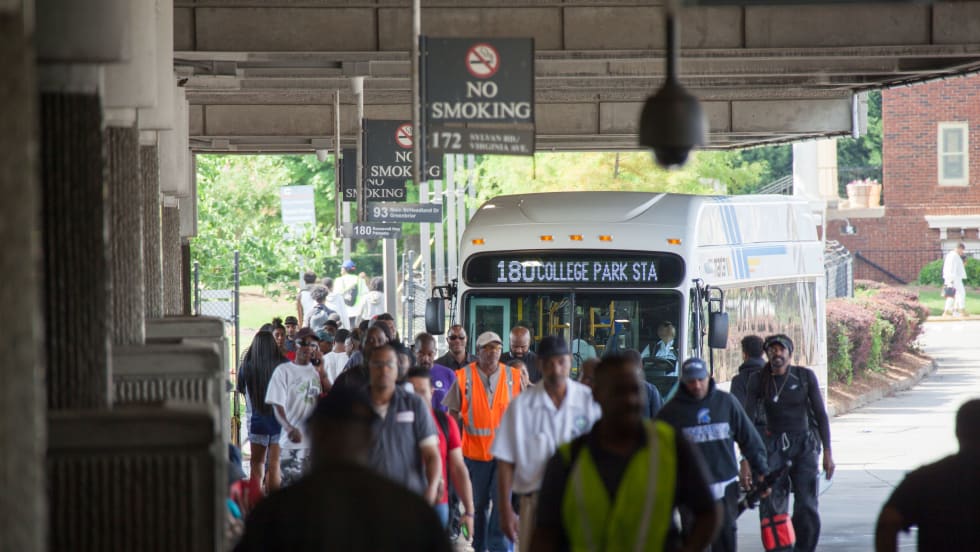
Federal Transit Officials Launch MARTA Safety Probe
FTA has given MARTA 15 days to provide records on crime prevention, fare evasion enforcement, and security funding as part of a broader safety investigation.
Read More →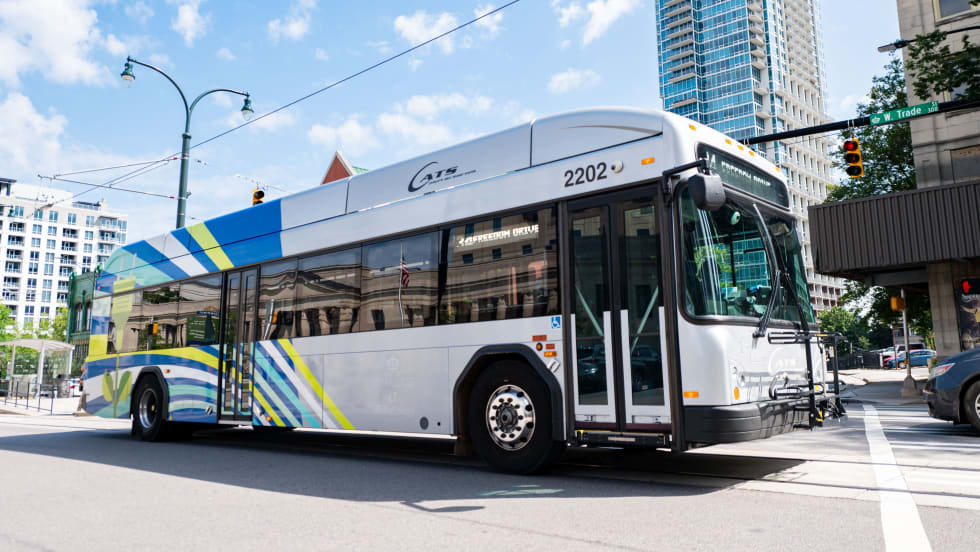
Strategic Safety Measures at CATS Lead to Drop in Transit Crime
Under the leadership of the CATS Chief Safety and Security Officer, the organization has marked a pivotal transformation.
Read More →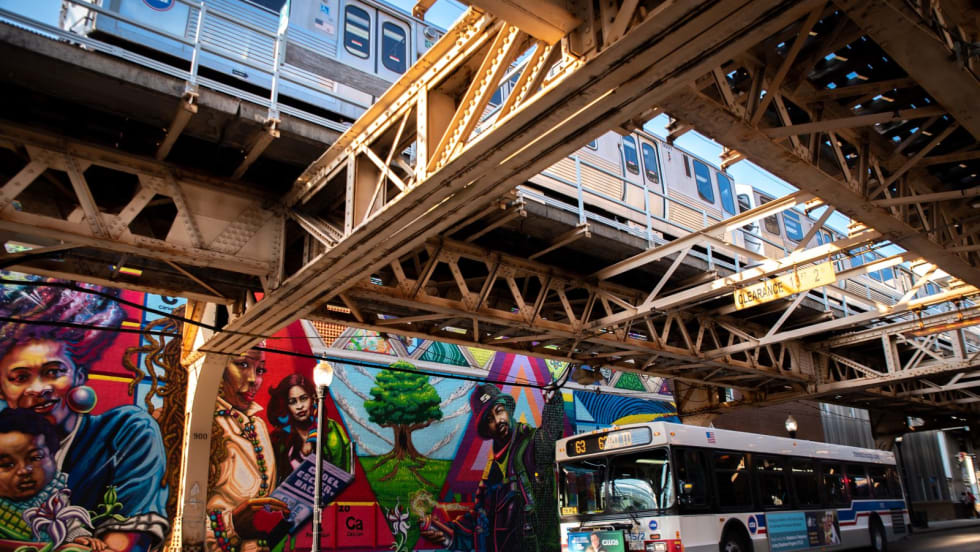
Chicago's NITA Act Moves Into Next Phase as Service Improvements Begin
Rider-focused improvements will begin rolling out across the system immediately as CTA, Metra, and Pace increase service this summer in the six-county region.
Read More →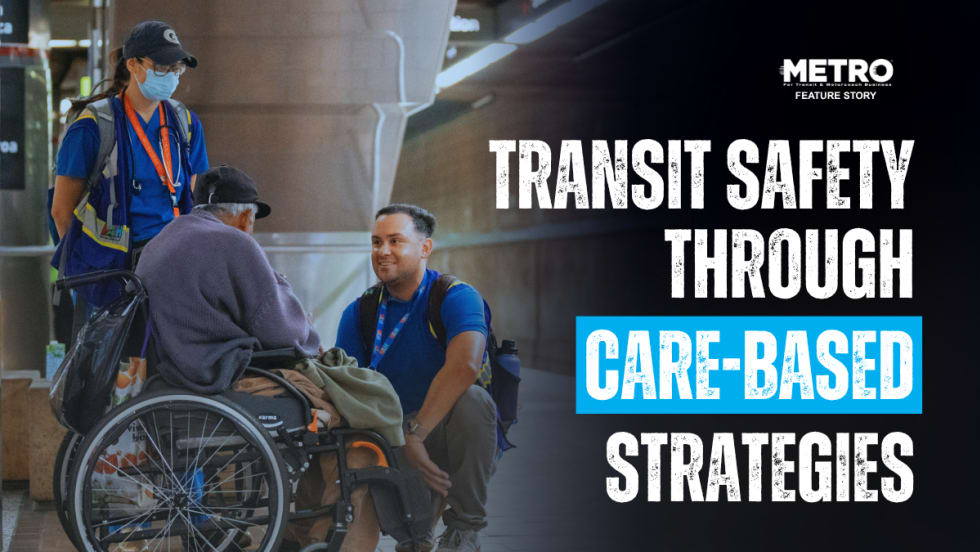
How Transit Agencies Are Evolving Enforcement-Only Models With Care-Based Safety Strategies
Transit agencies are redefining safety with care-based response models. See how leaders are improving trust and operations.
Read More →
Sponsored•June 1, 2026
Low-Floor vs. High-Floor Cutaway vs. Modified Van: How 3 Accessible Minibus Designs Compare
As transit demands evolve, so should your fleet. Download the whitepaper to see how the Low-Floor Frontrunner Minibus compares to traditional options.
Read More →